
Saudi Arabia confronts a wave of Houthi attacks in 2026, and intelligence cooperation with Israel tests Gulf independence.
 Ahmed Al-Rashid
Saudi Arabia Responds to Wave of Houthi Attacks in 2026, Intelligence Cooperation with Israel Tests Gulf Independence
On October 23, 2026, media sources reported that a coalition led by Saudi Arabia intercepted a wave of nighttime attacks, while separate reports mentioned two fatalities in a drone attack on a Saudi oil facility, and an attack that struck the vicinity of Dammam Airport, resulting in two deaths and the suspension of flights in the area. At the same time, reports emerged about Israel providing intelligence support to Saudi Arabia against the Houthis through American mediation. This is not just a story of successful interceptions; it is a practical test of whether Gulf states are building independent defensive capabilities or merely buying additional time from the American protection network.
The Military News Goes Beyond the Number of Missiles
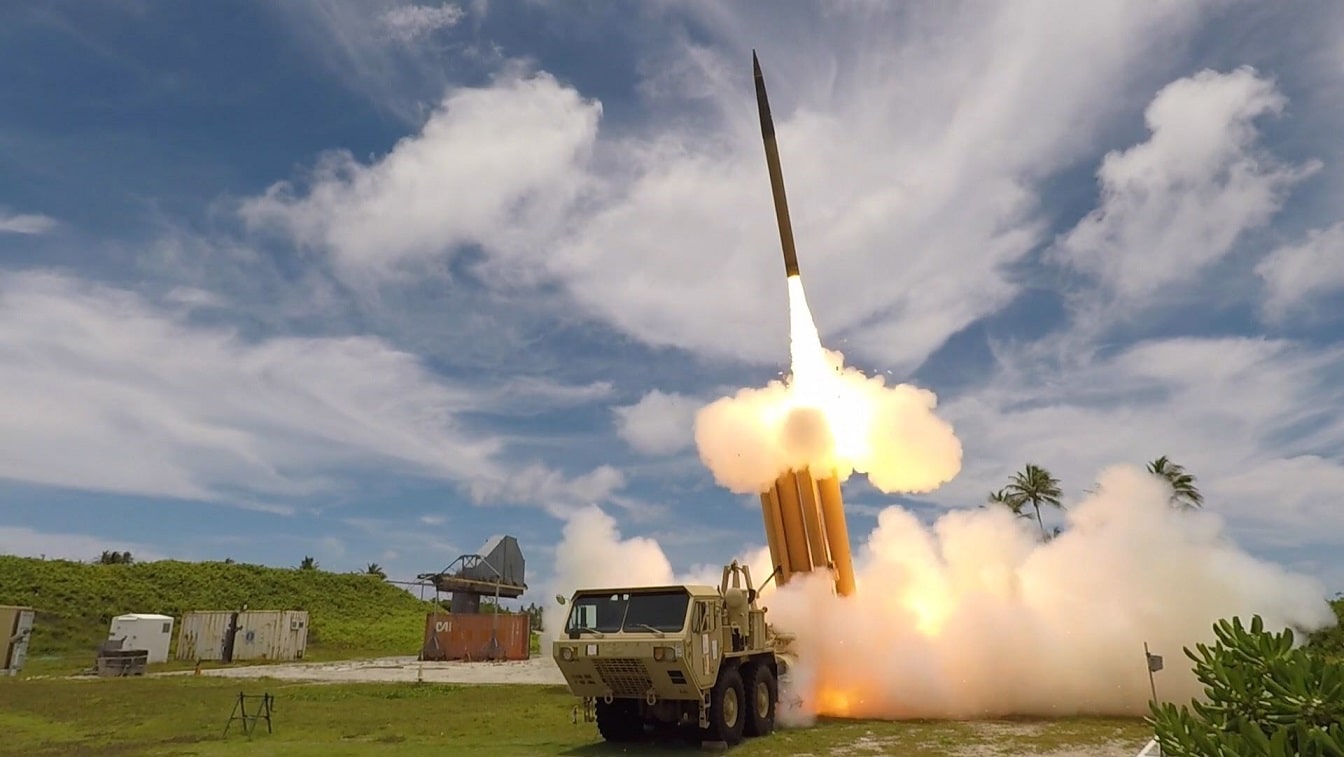
The most important information from the wave on October 23 is not that air defenses shot down targets, but that the attacks coincided with strikes or claims of strikes against various civilian and economic targets. The airport and oil facility do not need to be directly hit to achieve a military effect; it is enough to close a runway, evacuate employees, or force airlines and energy companies to change their procedures. According to The National, authorities spoke of intercepting a nighttime wave, while other sources reported that the Dammam attack resulted in casualties and flight disruptions. As for the Houthis' claims regarding hitting government targets in Riyadh, there needs to be a clear distinction between promotional announcements and independent verification.
Practically, this is the pressure tactic preferred by the Houthis and their Iranian allies: inflicting relatively low-cost attacks across a wide network, forcing the adversary to activate its radars, aircraft, and more expensive interceptions. Intercepting a missile is a tactical success, but it does not equate to full protection of the economy. If the attacker remains capable of threatening an airport, oil facility, or maritime route, they have achieved part of their goal even without breaching the shield.
Intelligence Cooperation with Israel Offers Benefits and Limits
Reports of Israeli intelligence support for Saudi Arabia, through American mediation, are militarily logical in a specific aspect. Israel has extensive experience in integrating satellite imagery, intercepting communications, and analyzing drone and missile launch patterns. This information can improve early warning and help identify storage and launch sites before the bombers move. Additionally, data sharing may reduce reaction time in an environment where the difference between a useful warning and a late warning is just a few minutes.
However, information is not a combat system. The triangle by which I measure any army is equipment, training, and organization. Saudi Arabia can purchase Patriot and THAAD systems and early warning aircraft, and it can receive Israeli and American data, but the outcome depends on officers capable of integrating these sources, on sufficient interception stocks, and on repeated drills under the pressure of jamming and simultaneous attacks. If the data remains in a foreign operations room or if every sensitive decision requires an ally's approval, this is not independence; it is a more complex dependency.
Why Successful Interceptions Are Not Enough
Gulf air defense faces both an engineering and a political problem. The systems were primarily designed to protect specific points from ballistic missiles or aircraft, while the adversary has cheaper options that include slow drones, cruise missiles, composite attacks, and decoy strikes. No system can cover every oil facility, airport, and power station with the same number of radars and launchers. Therefore, defending one facility may leave another exposed, especially when attacks come from multiple directions and varied platforms.
The problem is compounded by the political economy of war. The transfer of American diplomats from Saudi Arabia and Britain's dispatch of fighters to the kingdom, according to recent reports, sends a deterrent message, but also confirms that the Gulf security structure has not yet become self-sufficient. External protection gives Riyadh temporal and political depth, but it makes the decision to escalate or de-escalate dependent on other capitals. Those serving in the region know that buying weapons is much easier than building command and control procedures that make the weapon effective at four in the morning.
The Regional Message from Dammam to the Red Sea
Iran and the Houthis understand that Saudi Arabia does not operate in a vacuum. Reports of an Iranian maritime blockade causing a disruption of oil exports worth $25 billion, along with threats in the Red Sea, show that pressure can shift from a land facility to a shipping line within hours. Thus, Dammam Airport, the oil facility, and the maritime neck become parts of a single battle for freedom of movement and economic confidence, not separate incidents.
Moreover, the Israeli-Saudi channel, even if it remains secret and limited, reveals a significant political shift. Riyadh is not just looking to purchase a new system; it is seeking a warning and analysis network that transcends the boundaries of old alliances. However, incorporating Israel into this network may provide the Houthis and Iran with propaganda material to portray the war as a confrontation with an Israeli-American axis, which raises the cost of any Yemeni settlement and complicates Saudi Arabia's ability to present itself as an Arab mediator.
Conclusion
Intercepting a wave of attacks is good news for Saudi forces, but it is not a definitive judgment on the battle. The real test is the number of days the kingdom can protect airports, energy, and ports, compensate for interception missiles, rotate radar crews, and make decisions without waiting for external rescue. Intelligence cooperation with Israel may improve warning, and British fighters may enhance deterrence, but they do not resolve the central contradiction in Gulf security: the desire for decision-making independence while continuing to rely on a military and political structure not fully owned by the countries of the region. As the old military adage goes, a shield that always needs a foreign hand to lift it remains a borrowed shield.
Sources
- The National, report on the Saudi coalition intercepting a wave of nighttime attacks, October 23, 2026.
- The Jerusalem Post, report on Israeli intelligence support for Saudi Arabia against the Houthis through American mediation, October 22, 2026.
- The Guardian, report on the evacuation of some American diplomats from Saudi Arabia due to Houthi attacks, October 22, 2026.
- Arabian Business, report on the impact of the Iranian maritime blockade on oil exports, October 23, 2026.
Saudi Arabia intercepted a wave of Houthi attacks on October 23, 2026, resulting in casualties from drone strikes on oil facilities and the Dammam airport. The attacks prompted flight disruptions and highlighted the military cooperation between Saudi Arabia and Israel, with U.S. mediation. The situation underscores the ongoing military and political challenges faced by Saudi Arabia in maintaining security against Houthi threats.
- Saudi Arabia intercepted a wave of Houthi attacks on October 23, 2026.
- Two fatalities were reported from a drone strike on an oil facility.
- The Dammam airport was targeted, resulting in casualties and flight disruptions.
- Israel provided intelligence support to Saudi Arabia against the Houthis through U.S. mediation.
- The report highlights the ongoing military and political implications of the attacks.