
Saudi Arabia Invites the UAE and Welcomes French Support to Rebuild the Gulf Shield Against the Houthis
 Ahmed Al-Rashid
Saudi Arabia Invites the UAE and Welcomes French Support to Rebuild the Gulf Shield Against the Houthis
【Riyadh, September 29, 2026】 The invitation from Saudi Defense Minister Prince Khalid bin Salman to UAE Vice President Sheikh Mansour bin Zayed to visit the Kingdom on Tuesday was not an ordinary protocol news. The invitation came days after France announced it would send military resources to Saudi Arabia to protect the oil infrastructure in Yanbu, and after the escalation of Houthi attacks and their threats to facilities and bridges within the Kingdom. The practical message is that Riyadh is trying to bring together two parallel tracks under one roof: restoring Gulf coordination and calling for a temporary European umbrella to protect the energy artery.
A Political Invitation with a Military Function
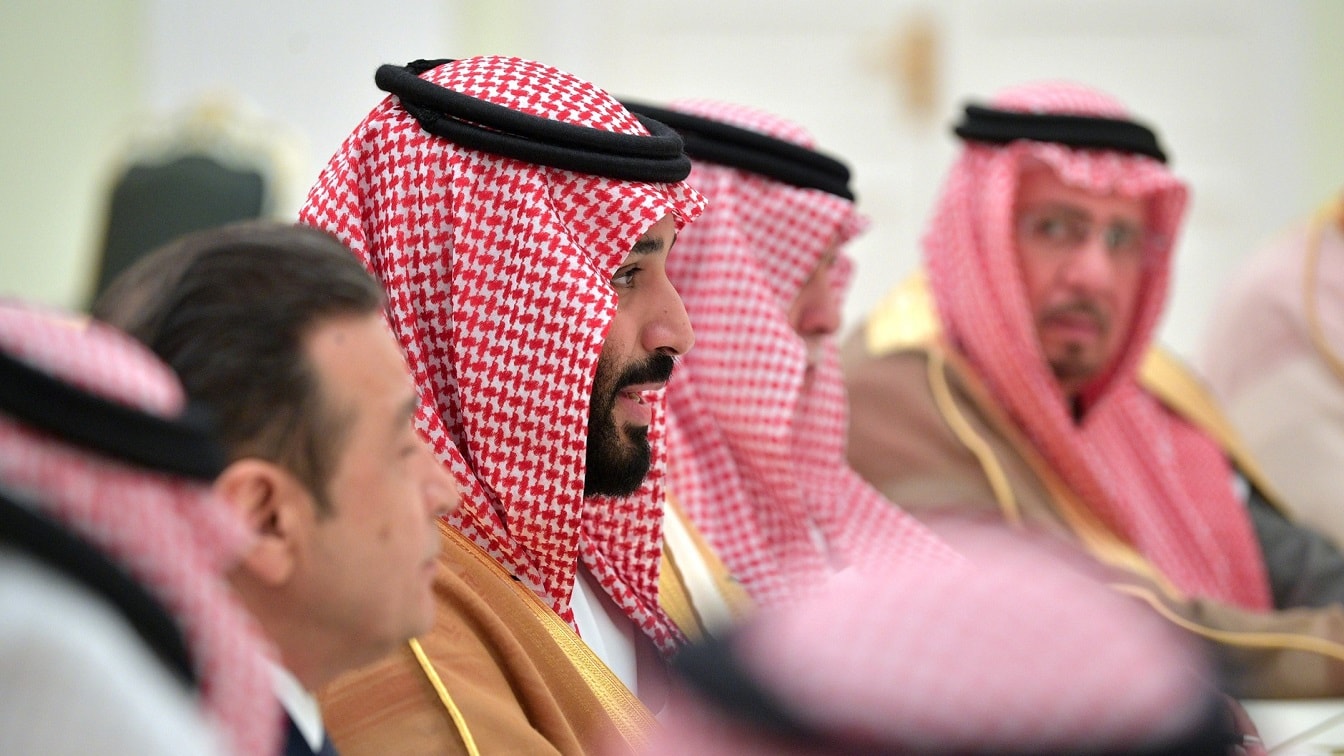
Reuters and the Saudi Press Agency reported that Sheikh Mansour will visit Riyadh following the invitation from the Saudi Defense Minister. Meanwhile, Al Arabiya and Al-Monitor linked the visit to existing tensions between Riyadh and Abu Dhabi, and the need to coordinate positions in light of the return of military pressure from Yemen. This does not mean that Gulf disagreements have disappeared, but it indicates that the cost of leaving them unresolved has become higher than the cost of postponing them.
From a military perspective, Saudi Arabia and the UAE possess advanced systems, but they do not always operate as a single network. Air defense requires a shared aerial picture, unified rules of engagement, immediate data exchange, and a plan for distributing interceptor missiles and their stocks. Purchasing Patriot or THAAD does not automatically create this capability. The real capability is the product of equipment, training, and institutions, and if any of these elements approaches zero, a massive budget will not save the outcome.
France Protects Oil, Does Not Engage in the Yemen War
French President Emmanuel Macron announced that his country would provide military support to Saudi Arabia, and then the French Foreign Minister emphasized that the deployment is purely defensive. Defense News, Le Monde, and Arab News reported that the mission focuses on protecting facilities and the oil route in Yanbu, with discussions about radars, air defense systems, and military elements. This detail is important: Paris does not present itself as a party in the attack on the Houthis, but as a force preventing the war from spilling over into energy facilities.
However, the term "defensive" does not negate the political impact. The presence of French forces near the Red Sea coast expands the deterrence circle around the Kingdom, gives Riyadh time to rearrange its defenses, and sends a signal to Tehran and the Houthis that targeting Saudi oil could draw European powers into the theater. Nevertheless, the size of the force should not be overstated. A radar or air defense battery can protect a specific point, but it does not stop a war of attrition that relies on low-cost drones, ballistic missiles, and repeated disruption waves.
Why Riyadh Needs Abu Dhabi Now
The Houthi threat does not press on a single military base, but on a vast geography extending from Najran and Asir to pipelines and export ports on the Red Sea. Reports from the Jerusalem Post and Al Jazeera indicated that the Houthis threatened Saudi facilities and bridges in response to strikes in Taiz. Whether these threats materialize or remain psychological warfare, they impose on Riyadh the need to protect many civilian and economic targets simultaneously.
The UAE has operational experience in air defense, working with Western forces, and managing ports and maritime domains. Therefore, Saudi Arabia is not necessarily looking for Emirati forces to fight inside Yemen, but for coordination channels that can reduce response time and prevent duplication of effort. The UAE, for its part, does not want the visit to turn into an open commitment to a new war; its interest lies in supporting maritime and energy security while maintaining a political margin that prevents it from getting bogged down in daily Yemeni calculations.
Testing Alliances, Not Just Missile Tests
Riyadh signed a joint defense agreement with Turkey and Pakistan in August, is now receiving French support, and is opening the door for dialogue with Abu Dhabi. This appears to be a diversification of partners, but it simultaneously reveals the weakness of reliance on separate arrangements. Multiple alliances do not become a strength unless each country knows what it will do in the first hour of an attack, who has the decision to intercept, and who bears the cost of the response.
In my opinion, the problem is not a lack of platforms as much as the absence of a regional command structure capable of operating under pressure. Saudi Arabia can gather dozens of countries in statements of solidarity, but statements do not transport an air defense battery or establish a communication network. Moreover, the French deployment, however beneficial, will remain tied to a political decision from Paris and the limits of a specific mission. Washington remains the most significant player in reconnaissance, command, and logistical support, making discussions about Gulf security independence premature.
The Dilemma That a Visit Cannot Solve
Sheikh Mansour's visit to Riyadh may open a practical channel for information exchange and facility protection, which is an important gain. However, it will not eliminate Saudi-Emirati competition, nor will it transform the defense of oil into a coherent Yemeni strategy, nor will it address the gaps in training, maintenance, and joint command. The danger is that the visit will be used as a political image while each country retains its separate network.
In summary, Saudi Arabia is not today purchasing a new weapon system as much as it is trying to buy political and military time. France provides a temporary layer of protection, and the UAE offers the possibility of better Gulf coordination, but sustainable deterrence requires institutions capable of operating what Riyadh has purchased over the years. As every military officer who has served in the region knows, possessing the shield does not mean being able to use it when the attack comes from multiple directions. The contradiction between the pursuit of security independence and the ongoing need for external protectors remains, and this is the gap that will determine the outcome of the next round more than the number of missiles in the stockpiles.
Sources
- Reuters on the Saudi Defense Minister's invitation to the UAE Vice President to Riyadh, September 28, 2026.
- Saudi Press Agency on the anticipated visit.
- Defense News and Arab News on French military support and the protection of Yanbu facilities.
- Al Jazeera and The Jerusalem Post on the escalation of Houthi threats.
Saudi Arabia invited UAE Vice President Sheikh Mansour bin Zayed to Riyadh on September 29, 2026, following France's announcement of military support to protect oil infrastructure from Houthi threats. The invitation aims to improve Gulf coordination and establish a temporary European defense umbrella. The Houthi threats necessitate enhanced military cooperation between Saudi Arabia and the UAE, focusing on air defense and operational coordination.
- Saudi Defense Minister invited UAE Vice President to visit Riyadh.
- France is sending military resources to Saudi Arabia for oil infrastructure protection.
- Houthi threats against Saudi facilities have increased.
- Saudi Arabia and UAE are seeking better military coordination.
- The visit aims to enhance Gulf defense against Houthi attacks.