
Taiwan's 14-Day Reserve Training Incorporates HIMARS and Drones, Facing PLA's Training Capacity
 Li Minghui
Taiwan's 14-Day Reserve Training Includes HIMARS and Drones; PLA Faces Training Capacity Issues
A detail revealed by the South China Morning Post on July 4 is more interesting than the headline's "Reserve Reform": Starting this year, Taiwan has changed its reserve training for military personnel from the original 5 to 7 days to a mandatory 14-day course for all qualified individuals, incorporating drones and the U.S.-made HIMARS rocket system into the training. This change appears to be an internal manpower adjustment for the Taiwanese military, but when viewed within the context of the Taiwan Strait combat system, it actually addresses a more pressing question: After the delivery of expensive new equipment, who will ensure its stable use?
14 Days Is Not Suddenly Stronger, But an Acknowledgment That the Old System Is Insufficient
The head of Taiwan's defense department, Gu Lixiong, explained in the legislative body that the new training will allow reserve personnel to return to units that match their service experience, referred to as "returning to the original unit and original position." This statement is technical but crucial. The greatest fear for reserve forces is not a few days of reduced training, but the misalignment of personnel, positions, and equipment. A retired artilleryman temporarily assigned to a drone reconnaissance link can only familiarize himself with the process in 14 days, without forming combat capability.
Gu Lixiong stated that in addition to training on new systems like drones and the U.S.-made HIMARS, reserve personnel will return to their original units based on their service positions.
Therefore, I do not believe that the 14-day training itself will lead to a qualitative change in Taiwan's reserve forces. The real change is that the Taiwanese military is beginning to view the reserve system as an extension of high-tech equipment, rather than merely supplementing infantry. In simple terms, the Taiwanese military is attempting to reframe the issue of "insufficient personnel" into "everyone must integrate into a higher firepower density."
The Bottleneck of HIMARS Is Not the Launcher, But the Entire Link
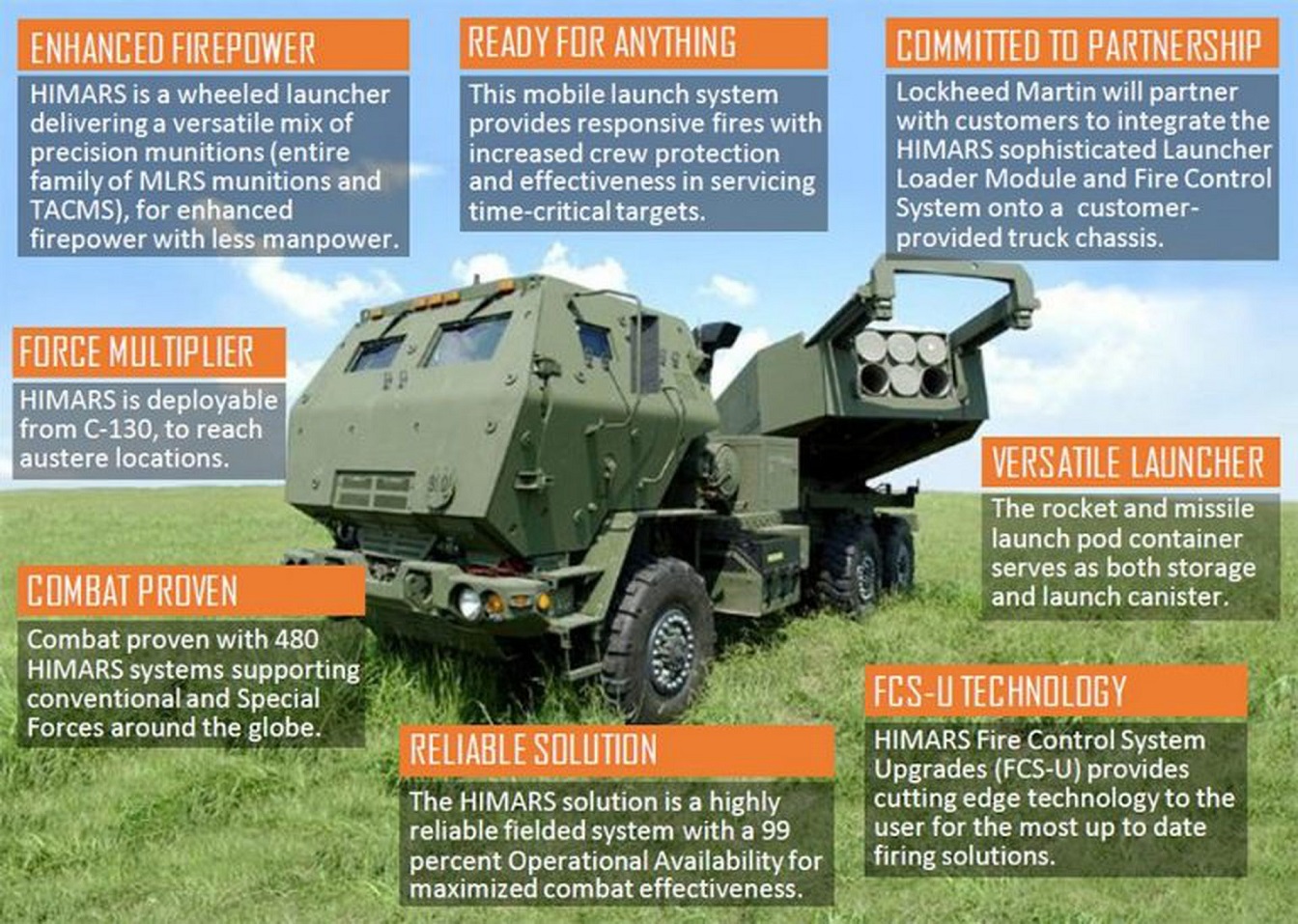
The HIMARS launcher itself has only about three crew members, making it seemingly suitable for small-scale mobile units on paper. However, operating such a system is not as simple as driving the vehicle to the roadside and pressing a button. To make it effective in the Taiwan Strait, it requires target intelligence, communication links, fire control authorization, rapid relocation, ammunition resupply, and camouflage support to all keep pace. The inclusion of drones in reserve training is precisely to supplement the reconnaissance and calibration phases.
- The old 5 to 7-day training was more suitable for basic shooting, formations, and readiness process retraining.
- The new 14-day training can incorporate systematic subjects like drones and HIMARS, but still struggles to cover the complete firepower chain.
- If female retired volunteers are included in the reserve system, it can expand the pool of technical positions, but requires long-term institutional support.
This number looks like it has doubled, but it is still tight. A skilled drone operator needs not only to fly but also to read maps, avoid electronic suppression, and relay target information to fire units. HIMARS teams also need to repeatedly practice "shoot and scoot," or else they risk exposing their position after firing, leading to a very short survival time.
How Will the PLA Interpret This Signal?
For the PLA, the direct implication of Taiwan's reserve reform is not that "the number of troops in the Taiwanese military suddenly increases," but that the island is integrating dispersed small teams, drones, and long-range firepower. Recent assessments of the South China Sea strategic situation regarding the nine EDCA bases in the Philippines also mention that the U.S. is attempting to push the Philippines from a strategic rear to a forward pivot. The changes in Taiwan's reserve system, along with the slow expansion of the Philippine base network, actually serve the same purpose: to make the dispersed nodes on the first island chain more capable of continuously consuming the PLA's operational tempo.
However, there are also shortcomings on Taiwan's side. The deterioration of the population structure cannot be solved by increasing training days; the more advanced equipment there is, the higher the demand for maintenance, ammunition, communication, and qualified instructors. If the Taiwanese military spreads a small number of specialized non-commissioned officers and instructors across too many new subjects, the result may be that each subject has performative training but lacks sufficient proficiency. I believe this is more dangerous than simply lacking personnel, as it creates an illusion that "the system is already in place."
What Needs More Attention Is Production Capacity and Instructors
From the perspective of PLA modernization, this news reminds us that military competition in the Taiwan Strait is shifting from comparing individual pieces of equipment to comparing training capacity. In recent years, the PLA has emphasized practical training, joint operations across military branches, and the use of unmanned systems, not just to showcase new equipment, but to establish repeatable processes among brigades, ships, aircraft, and missiles. What Taiwan is currently supplementing is precisely this type of process capability.
If Taiwan continues to publicly conduct HIMARS live-fire exercises, drone reserve subjects, and mobilization details for female retired personnel in the coming months, it indicates that this reform is moving towards institutionalization; if it merely fills the 14-day course with visits and basic classes, then it is more of a political response. The real question worth asking is: Can Taiwan train enough instructors to ensure that every batch of reserve personnel has access to real equipment, rather than just seeing a PowerPoint presentation in class?
Taiwan has initiated a 14-day training program for reserve military personnel, which now includes instruction on drones and the HIMARS rocket system. This change aims to enhance the integration of reserve forces with their original military roles and improve the operational effectiveness of advanced military equipment. The Taiwanese Armed Forces are responding to the need for better utilization of new technologies in their defense strategy.
- Taiwan has increased reserve training from 5-7 days to 14 days.
- The new training includes the use of drones and HIMARS systems.
- The training aims to better integrate reserve personnel with their original units and roles.
- Taiwan's military is addressing the challenge of effectively utilizing advanced equipment.
- The changes in training reflect a shift towards a more technologically integrated military structure.