
Ten Years of Initial Equipment: Observing the Strong Military Trajectory of the Nine Heavens Kunpeng

On July 6, 2016, our country's independently developed new generation military large transport aircraft Y-20 was officially commissioned into a certain unit of the Air Force, marking a new starting point for the strategic transformation of the People's Air Force.
For the past decade, this unit has kept in mind the trust of the commander, shouldering the heavy responsibility of the first installation. Under the guidance of Xi Jinping's thought on strengthening the military, they have strengthened political training, accelerated combat capability generation, and hastened transformation and leapfrogging, successfully completing a series of major tasks and contributing to the goal of building the military for a hundred years.
Today, we follow four flight paths to review their ten years of hard work.
New Beginnings: From Arrival to Flight
Ten years ago today, the first "enlisted" Y-20 arrived at a certain airport in the southwest, and the officers and soldiers welcomed not just a new aircraft, but a new exam paper.
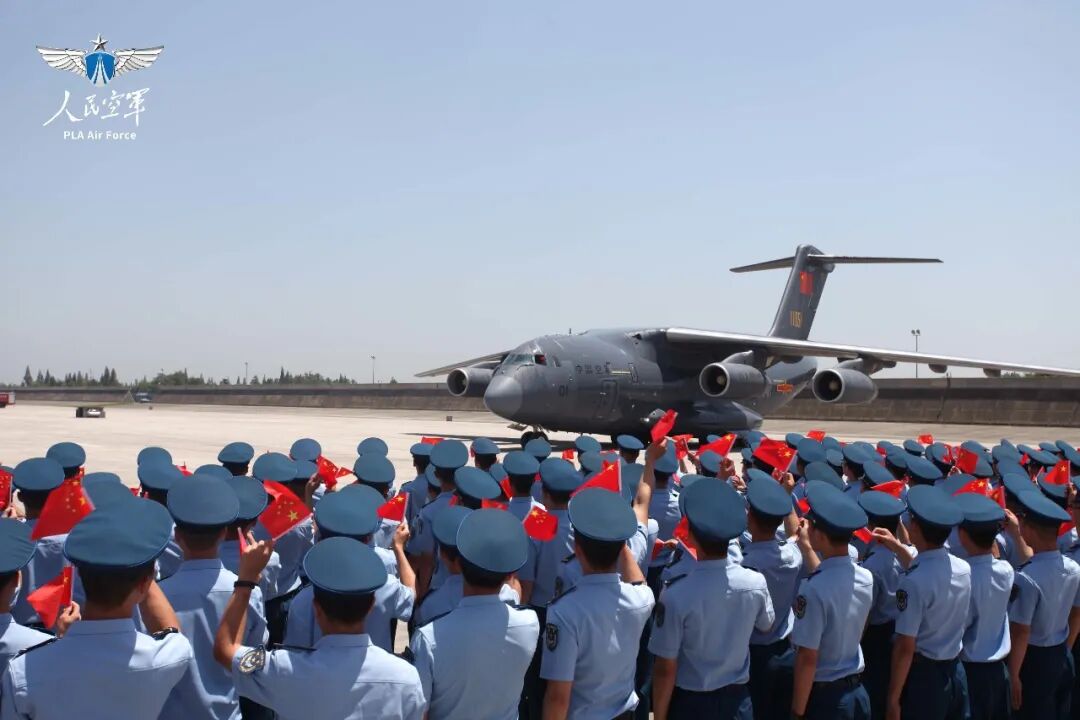
With no standardized training materials, no teaching experience, and no mature simulation systems, everything had to start from scratch. The first batch of pilots actively faced challenges: hand-drawing cockpit layout diagrams, creating operational mnemonics, and inventing the "walking training method," working day and night, repeatedly studying, gradually illuminating the path ahead. They took only 7 days from receiving the aircraft to the first flight.
At that time, the aircraft had not yet been fully finalized, and the officers and soldiers modified and tested it while working with manufacturers to improve equipment performance and deeply explore combat potential.
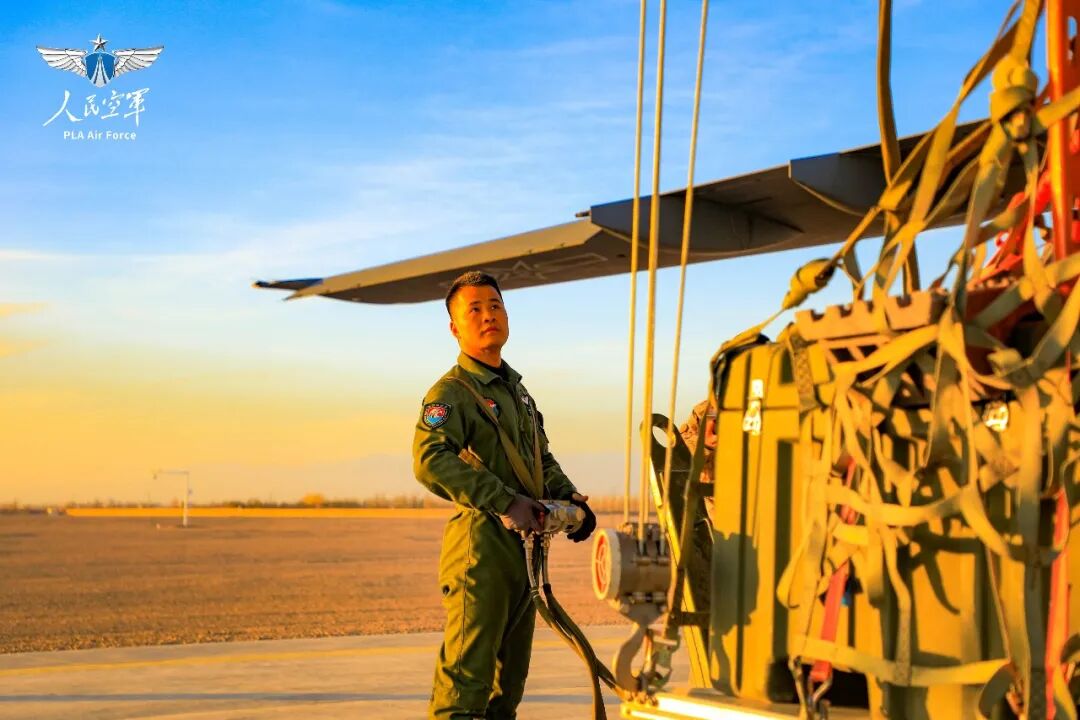
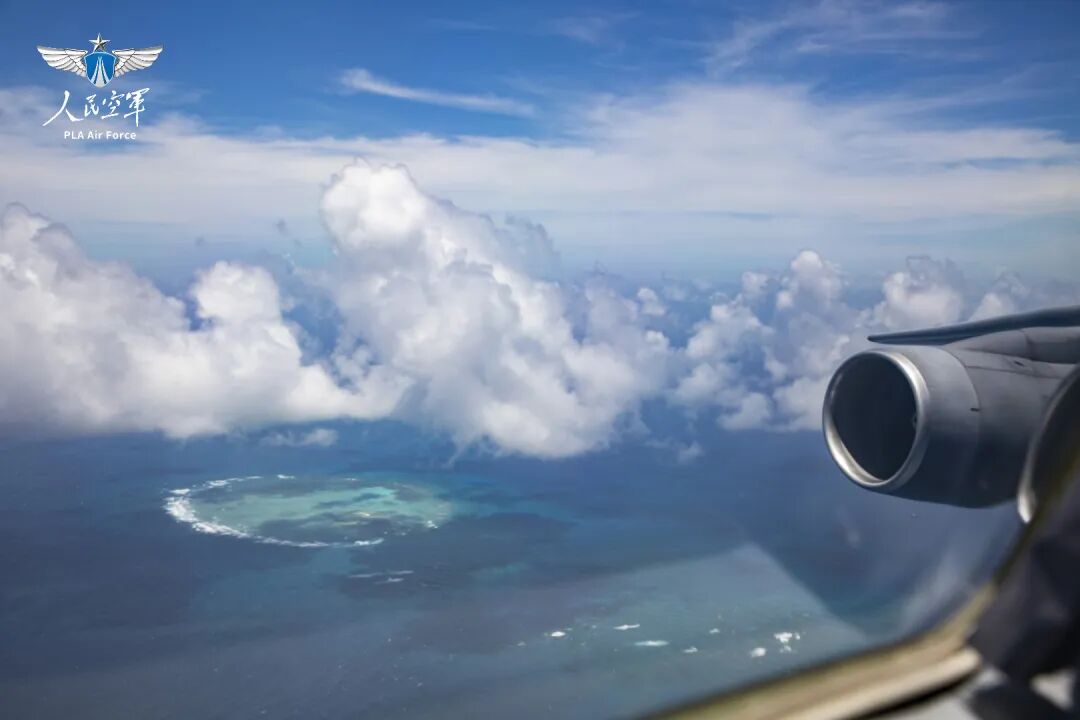
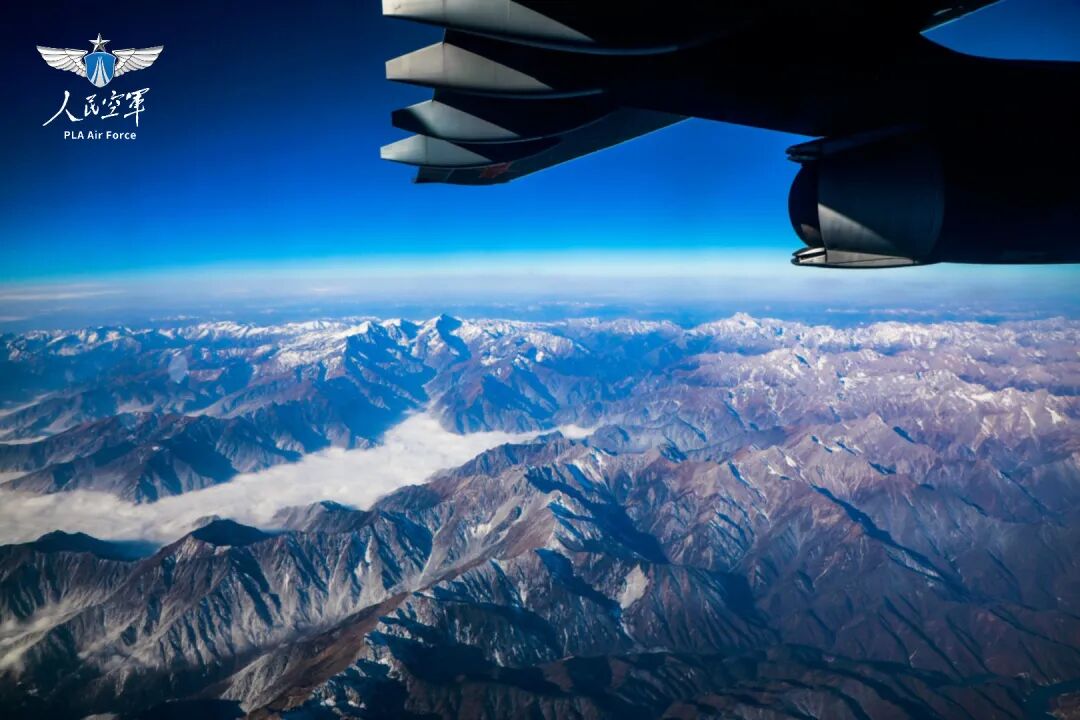
Piloting the national heavy equipment, they tackled new tasks such as takeoff and landing on plateaus, training in distant seas, and air-dropping supplies, honing their skills through realistic training, and successfully executing tasks such as the 90th anniversary military parade and the 70th anniversary of the founding of New China.
After overcoming the first flight hurdle, new challenges emerged. In recent years, based on the Y-20A, the new generation aerial refueling equipment Y-20 has come into being, and the Y-20B equipped with a "Chinese heart" has emerged, with more advanced equipment and more diverse mission types, allowing the unit's officers and soldiers to repeatedly stand at new starting points.
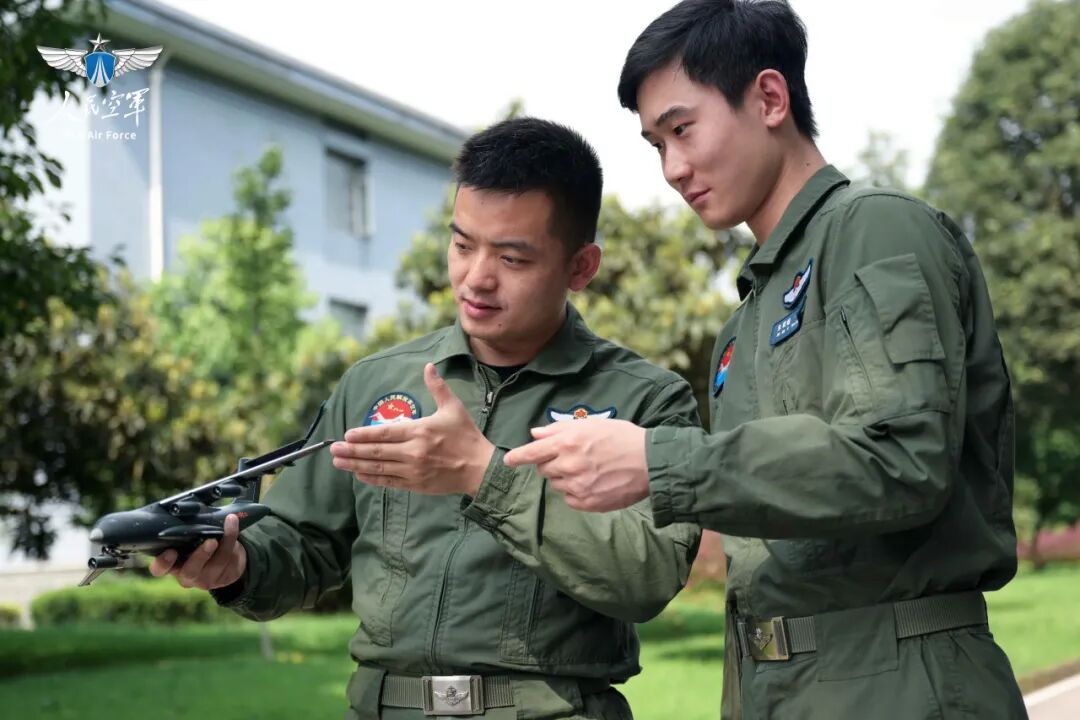
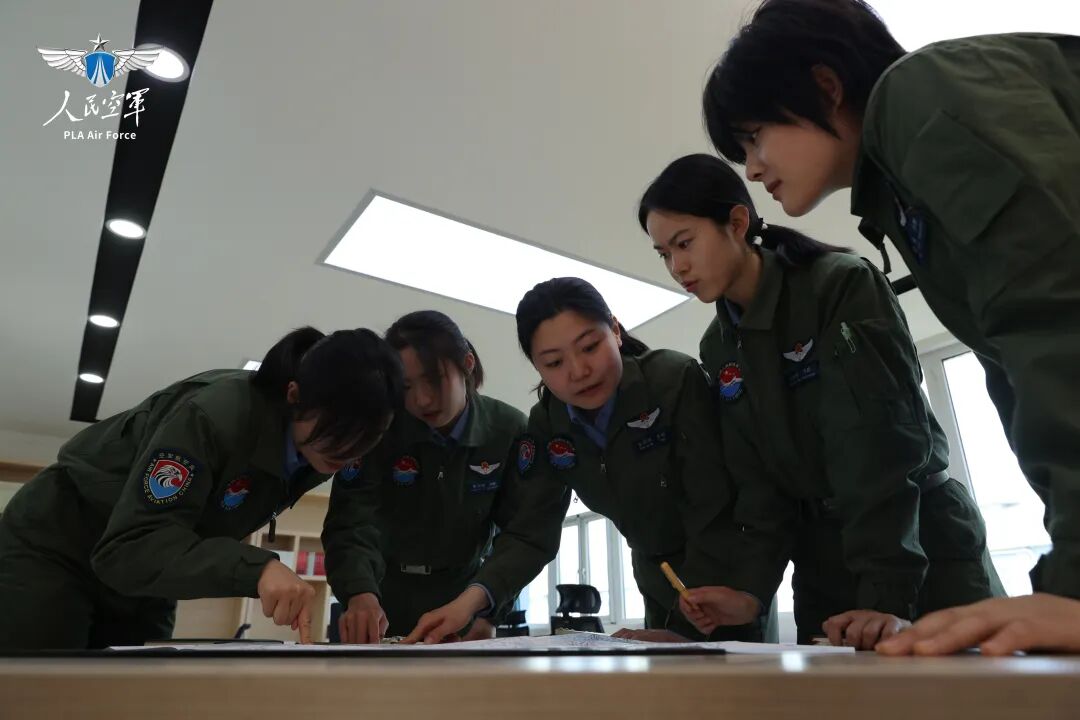
They have promoted the "Four Dares" spirit of daring to contribute, daring to be the first, daring to win, and daring to strive for excellence, vigorously advancing "differentiated" modifications, deeply researching component principles, and refining combat tactics and training methods, accelerating the generation of new combat capabilities, with the wings of a great power flying higher and the tracks of the Kunpeng flying more steadily.
For Combat: From Being Able to Fight to Winning Fights
There was once a one-sided perception that transport aircraft were merely "air cargo trucks" or "battlefield transport teams."
After a decade of sharpening their skills, this unit has answered with hard work: the Y-20 is a node in the modern warfare system, deeply integrated into the battlefield and supporting overall victory.
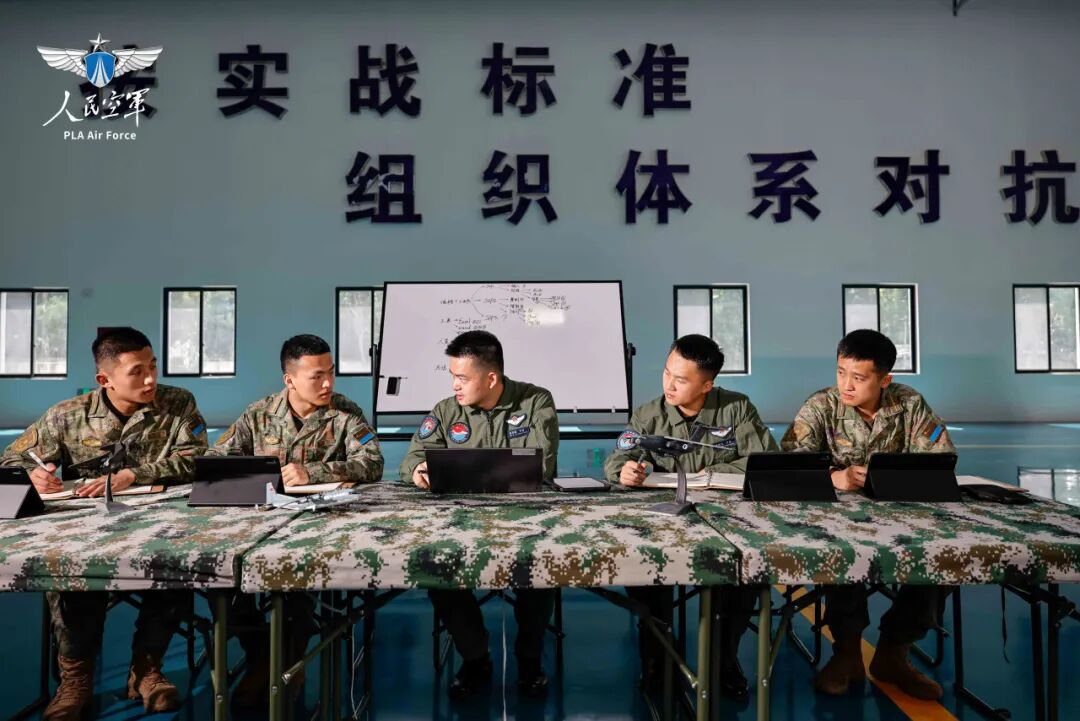
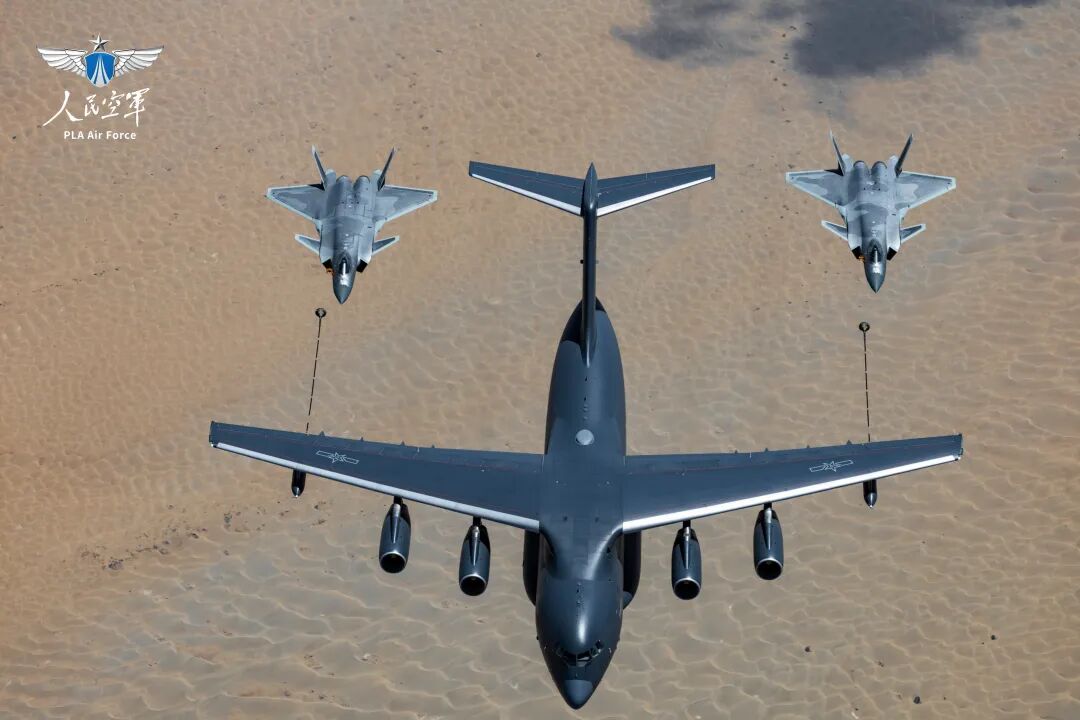
——Training has become more challenging. The training schedule has transformed from a simple "class schedule" to a "tactics manual" covering multiple dimensions such as transport, drop, rescue, and refueling, with each deployment sequence capable of executing diverse tasks at any time.
——Research has become more in-depth. They insist on winning through calculations, tackling tactical issues with models and programs to solve specific problems, winning the "Golden Dart," and strategically breaking new ground by developing an automated task planning system using a "software factory" model, winning the Air Force's "Innovation Award" twice.
——Integration has become deeper. From passive cooperation in training tasks to taking the lead in organizing training for multiple military branches such as aviation, ground missile, and radar; from primarily supporting the Air Force to regularly conducting joint training with the Army, Navy, Rocket Force, and Airborne troops, every drop of aviation fuel from "Y-20+" is being transformed into tangible systemic combat capability.
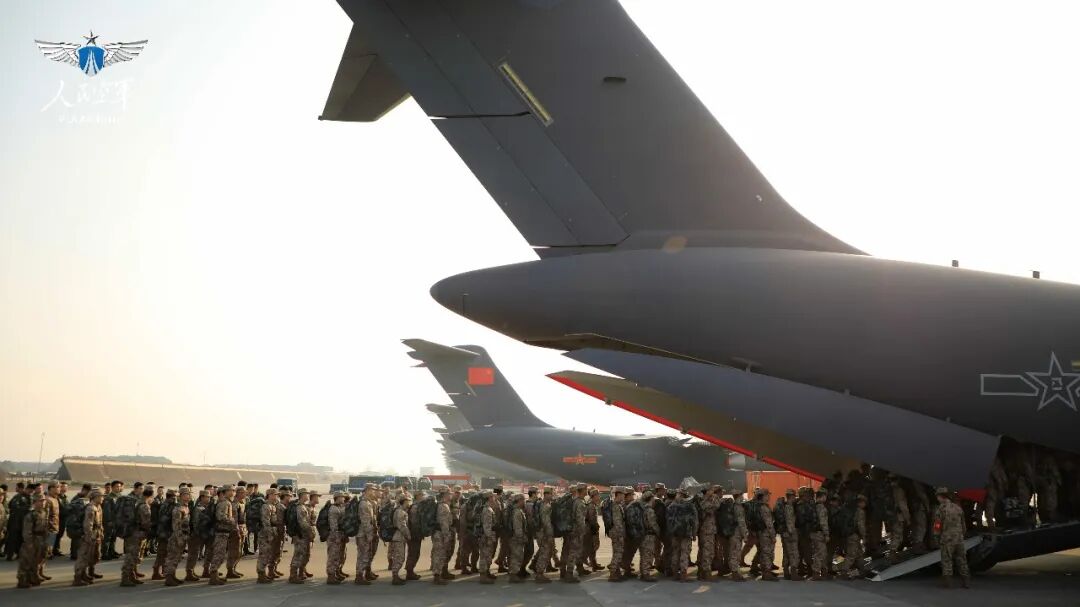
With solid skills, they are always ready to take off. In 2020, they fought against the pandemic, in 2023, they responded to the earthquake relief in Gansu's Jishi Mountain, in 2025, they participated in earthquake relief in Dingri, Tibet, and they have completed over 30 tasks such as airlifting injured personnel to the border areas, responding quickly and effectively to orders.
Chasing Dreams: From Regional Flights to Global Flights
The wings of the Kunpeng are destined to soar to higher and farther skies. The western mountains are high and the roads are far, with complex and changeable weather, and some places are even regarded as "no-fly zones."
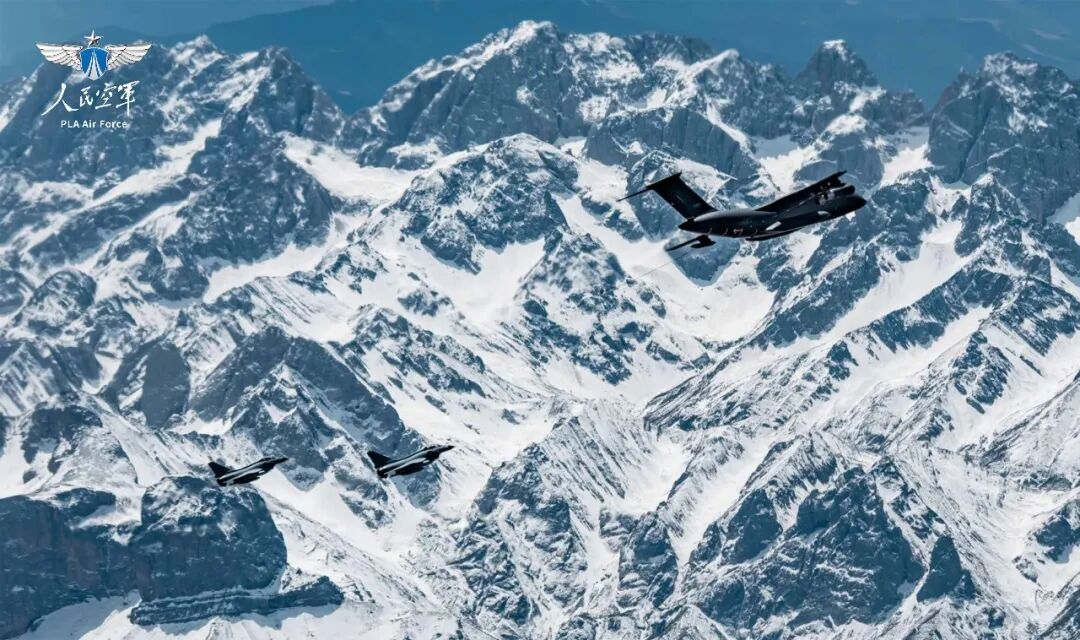
Stationed beneath the mountains, they must also fly over them. They have moved the challenging high-altitude flight routes into simulation systems, repeatedly rehearsing approach procedures and assessing turbulence risks, embedding every detail of canyon flying and plateau takeoffs and landings into muscle memory, landing smoothly at high-altitude airports time and again, continuously illuminating the snowy sky roads.
Because of their efforts, thousands of kilometers of geographical distance have been transformed into hours of aerial travel, and the officers and soldiers feel that "the border is no longer far away."
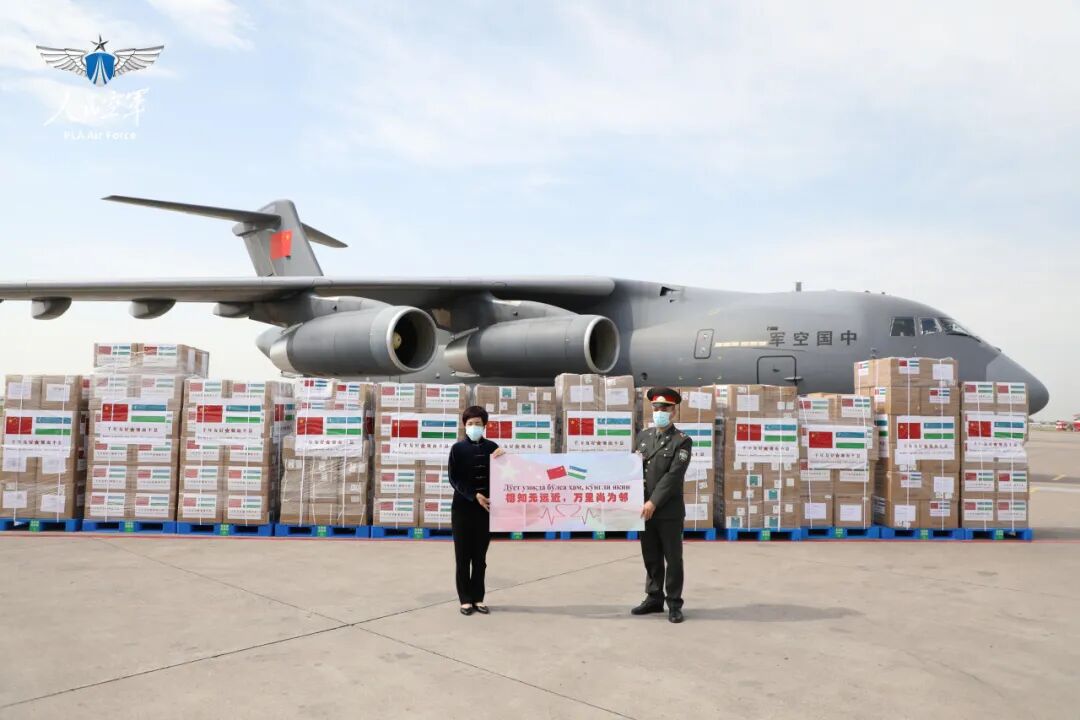
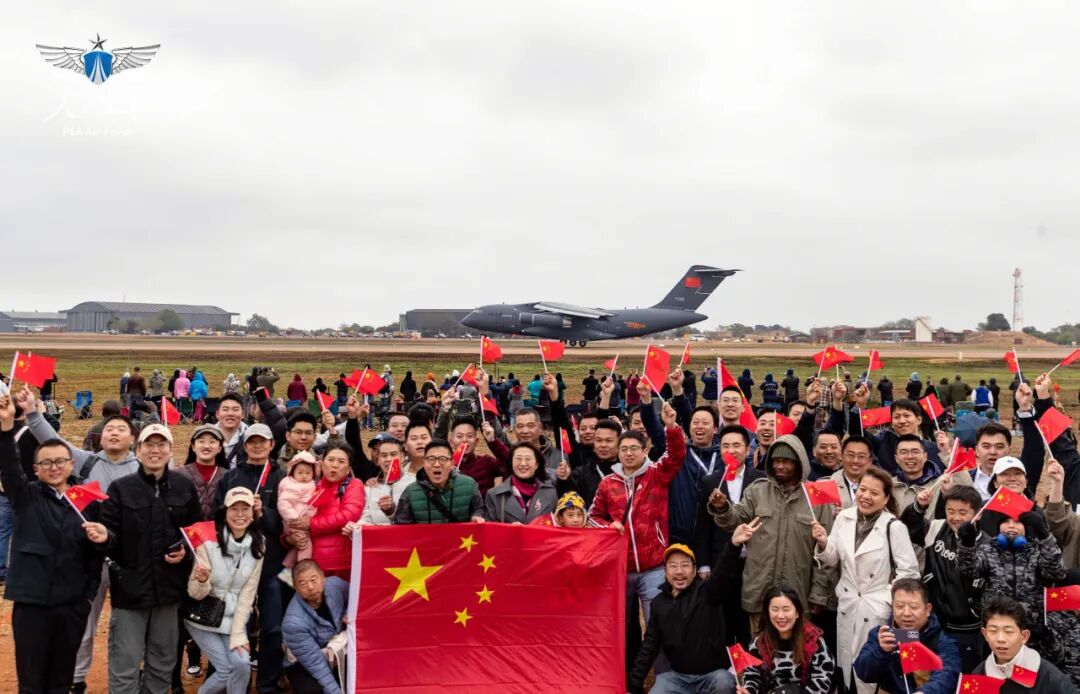
With the support of the Kunpeng, their footprints have also extended far: carrying out humanitarian rescue missions across countries, demonstrating the responsibilities of a great power; transporting troops for overseas missions, showcasing agility and efficiency; participating in joint training with foreign forces, playing a key role... the Y-20 has truly become a calling card of a great power.
On the flight path wall of the aircrew building, lines of flight paths crisscross and radiate in all directions: connecting hundreds of domestic airports and reaching dozens of countries worldwide. A decade of hard work strongly proves: although mountains and seas are far apart, the Kunpeng mission will surely be accomplished.
Continuing the Journey: From the New Phase to the Next Phase
Ten years is a historical node of hard work and a new starting point for tackling challenges.
The Kunpeng soars high, relying not only on the powerful engines of the aircraft but also on the continuous efforts of successive generations of "Kunpeng people." The vast number of officers and soldiers have integrated the sentiment of "growing together with the Y-20" into their positions, deeply rooting it in their hearts. Some have even named their children "Kunpeng" or "Pengpeng," embedding their heavy expectations into their bloodline for future generations.
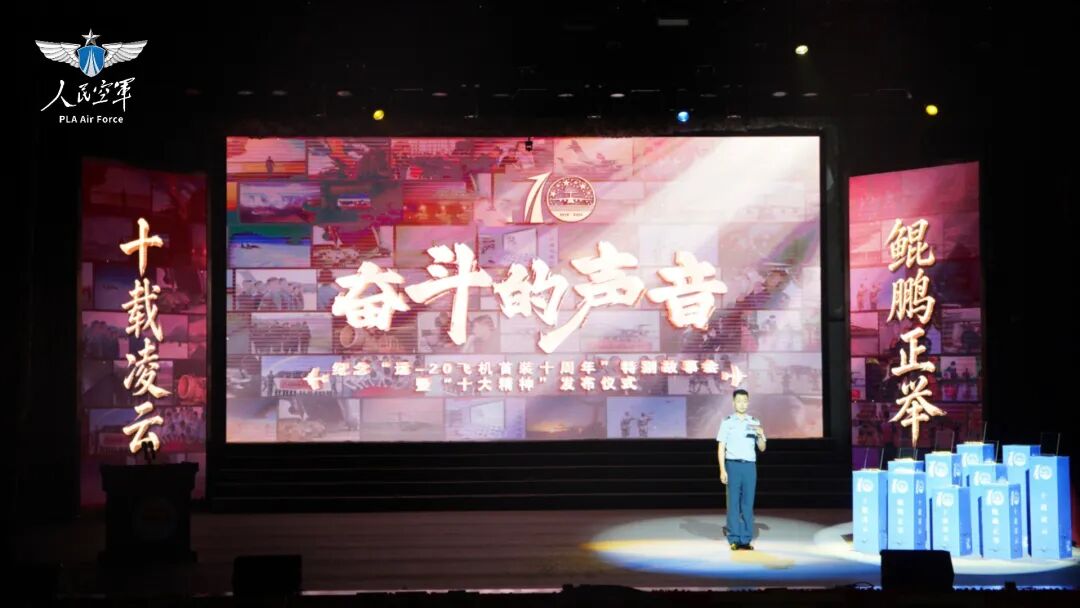
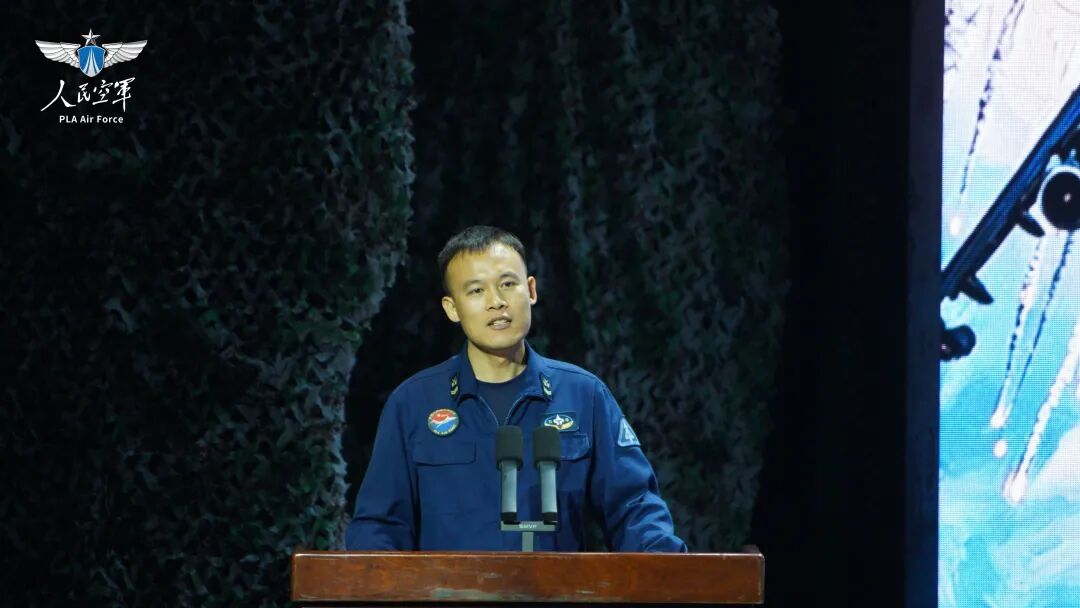
Not long ago, the unit held a special story meeting about the Kunpeng, where 10 officers and soldiers shared 10 stories with 10 historical items, reflecting on the light of the past to illuminate the future path, inspiring the new generation to continue traditions and embark on new journeys.
The future of the "Kunpeng" belongs to the young people. The unit insists on cultivating new members with a long-term vision, breaking traditional modification models, and implementing a training mechanism that embeds combat training tasks from the moment they enter the camp, teaching according to their abilities and maximizing their talents: key personnel skilled in wargaming take on training roles early, new members with solid foreign language skills regularly execute overseas missions, and pilots proficient in information technology independently write programs to enhance flight efficiency...
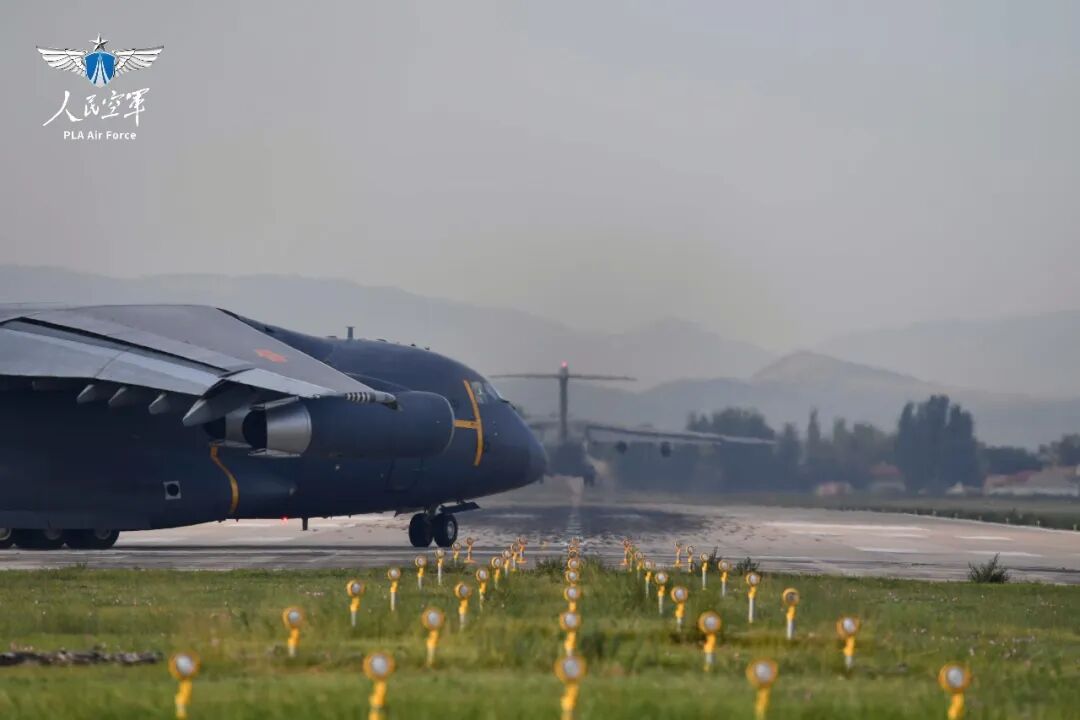
Recently, a group of new pilots born after 2000 returned to the unit on the Y-20 from the Air Force Aviation University—four years ago, it was the Kunpeng that sent them to military school; now, they are taking the Kunpeng to their posts.
"In the past, the main focus was on flying the new aircraft well; now, it is also about training the new comrades well." This reflects the sentiments of the first generation of personnel: veteran pilots generously share their lifelong flying experiences; key personnel regard the modification of new aircraft as a top priority, often neglecting family and rest. Currently, the team has trained nearly a hundred qualified captains and instructors, and the talent pool is growing stronger.
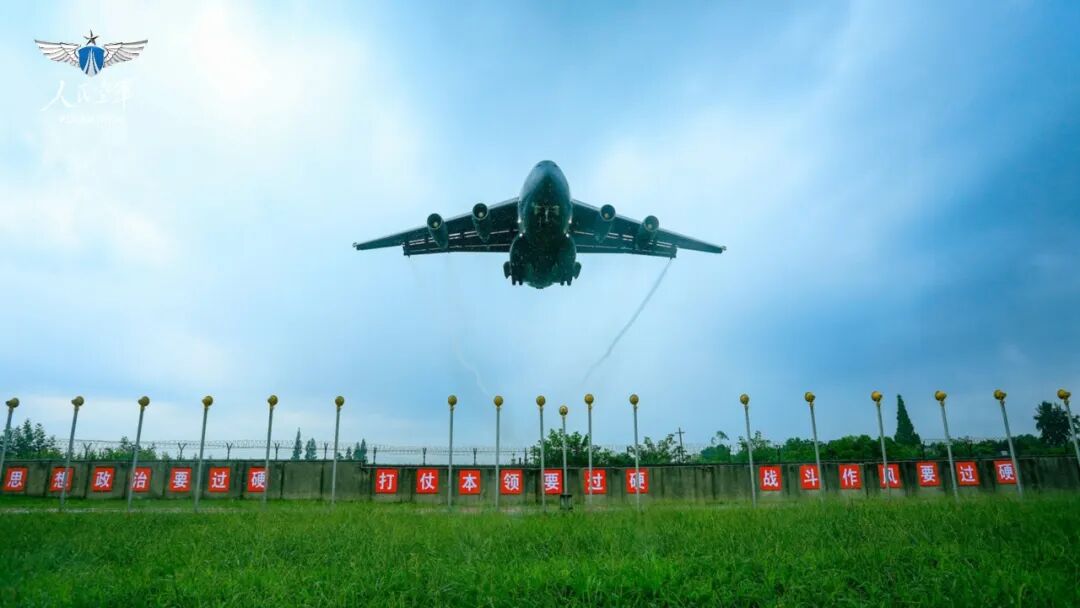
As the sun rises, the roar of engines rises again at the airport, and one Y-20 after another, carrying the courage of new beginnings, the determination to fight, the ambition to chase dreams, and the spirit of continuing the journey, glide down the runway, soaring into the clouds, striving towards the goal of a strong military and anchoring the course for victory.
Author | Deng Dongzhi
Images | Liu Yinghua, Gu Kuoye, Zhang Hang, Tian Dengdang, Wang Ruijie, Liao Qiang, Ren Junyi, Su Xu, Yu Fengwei, Yang Chen
The Y-20 military transport aircraft was officially commissioned into the Air Force on July 6, 2016, marking a significant step in military modernization. Over the past decade, the unit has enhanced its operational capabilities, completing various significant tasks, including humanitarian missions and joint training exercises. The Y-20 has evolved into a key asset for logistics and military operations, symbolizing national strength.
- The Y-20 was officially commissioned into the Air Force on July 6, 2016.
- The unit has completed various significant tasks over the past decade.
- The Y-20 has been involved in humanitarian missions and joint training exercises.
- The unit has developed new operational capabilities and training methods for the Y-20.
- The Y-20 has become a symbol of national strength and military modernization.