

Summary and Key Points: While sleek stealth fighters often steal the spotlight, the decades-old B-1B Lancer is currently executing some of the most critical, high-value bombing missions over Iran.
-To keep this massive combat workhorse relevant until the B-21 Raider arrives, the Air Force is fundamentally transforming the aircraft.
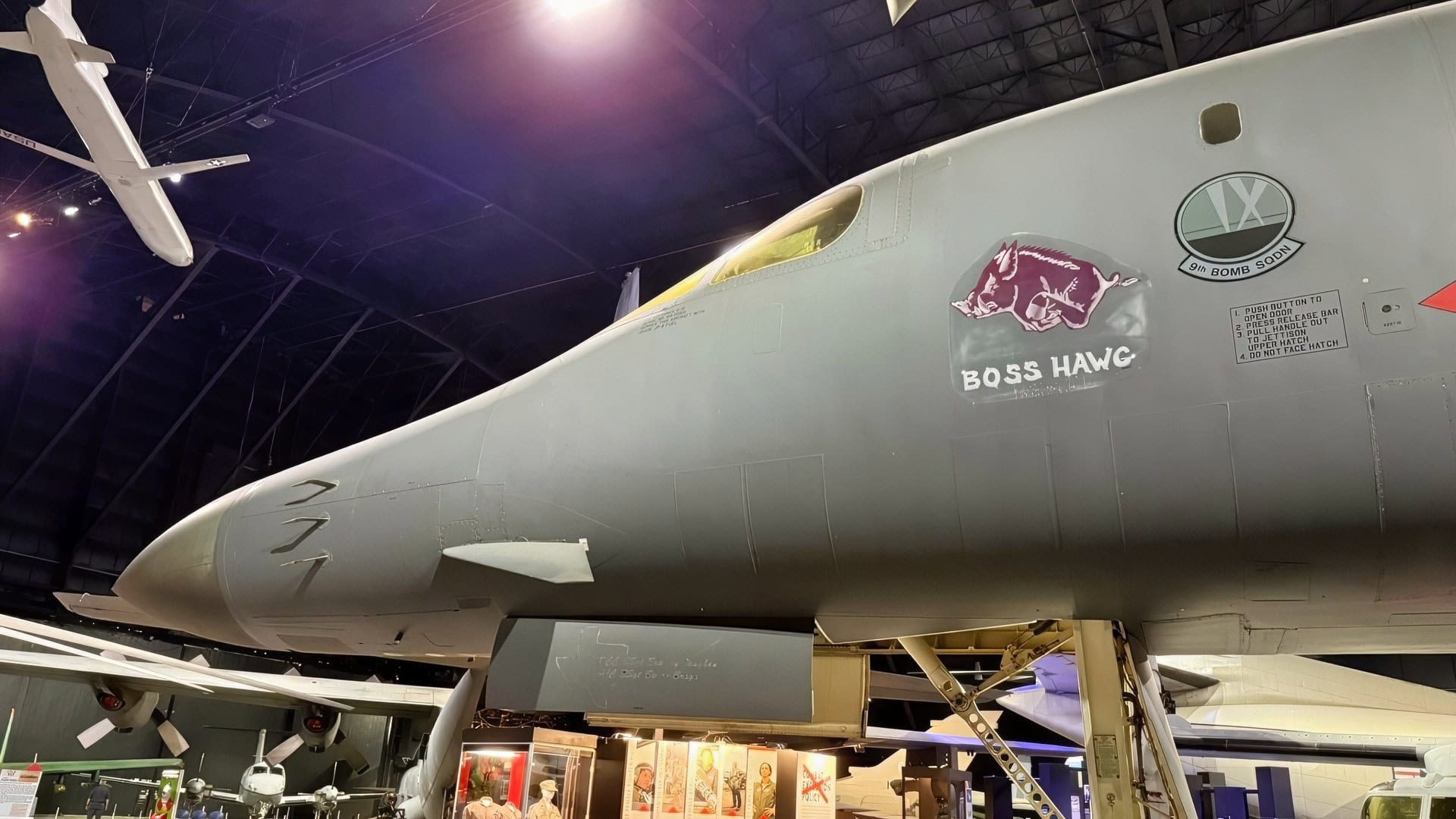
B-1B Lancer Bomber at the National Museum of the U.S. Air Force. 19FortyFive.com Photo.
-With refurbished engines, state-of-the-art avionics, and a radically expanded bomb bay designed to carry next-generation hypersonic missiles, the B-1B is proving that legacy airframes can still dominate the modern battlefield.
The B-1B Lancer’s Massive Overhaul: Inside the Air Force’s Hypersonic Upgrade
The Air Force’s B-1 B bomber may capture fewer headlines than a sleek, stealthy B-2 or F-35 fighter jet, yet the decades-old bomber is performing a large number of high-value bombing missions over Iran. This is why the Air Force has been pursuing a massive technical overhaul of the B-1 B in recent years, giving the aircraft expanded weapons capabilities, along with new avionics, communications technology, and engines.
As part of the overhaul, the Air Force has also reconfigured the B-1 B’s weapons bay to carry more weapons, increasing its magazine capacity from 24 to 40. The adjustments to the bomb bay will also enable the B-1 B to carry hypersonic weapons, greatly increasing the aircraft’s lethality. The bomb bay itself has been massively reconfigured in anticipation of weapons that do not yet exist.
Hypersonic B1-B
Accommodating larger hypersonic weapons in a B-1B bomb bay has significant strategic implications; not only does it massively expand the target envelope and range, but it also allows for longer mission dwell time over targets to sustain attacks.
Integrating hypersonic weapons serves two key Air Force aims: accelerate hypersonic weapons to war and sustain and upgrade the B-1 to the fullest extent. Integrating large hypersonics also aligns with the Air Force’s broader intent to quickly merge innovations from the science and technology realm into operational use.
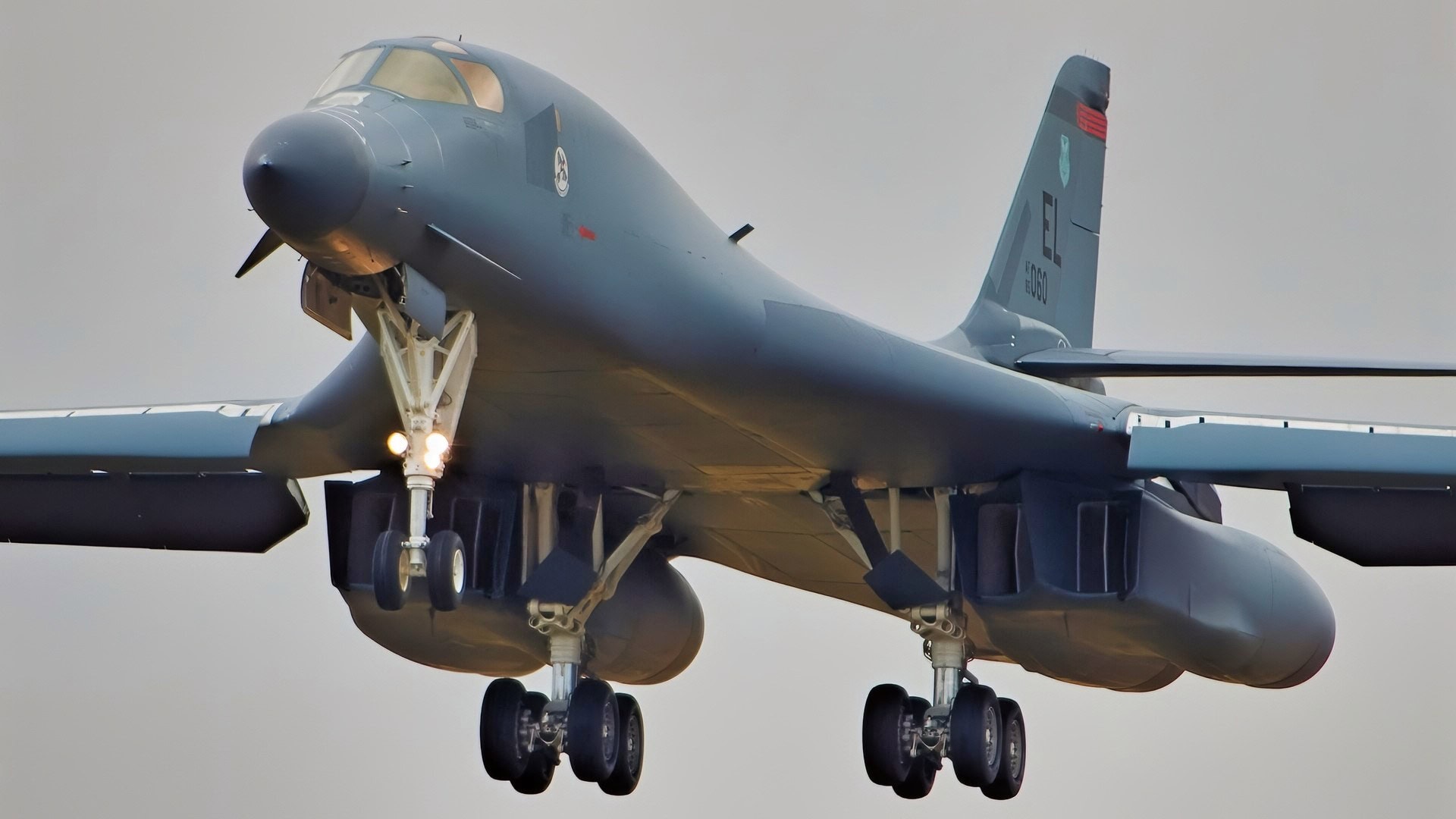
B-1B Lancer Getting Closer. Image Credit: Creative Commons.
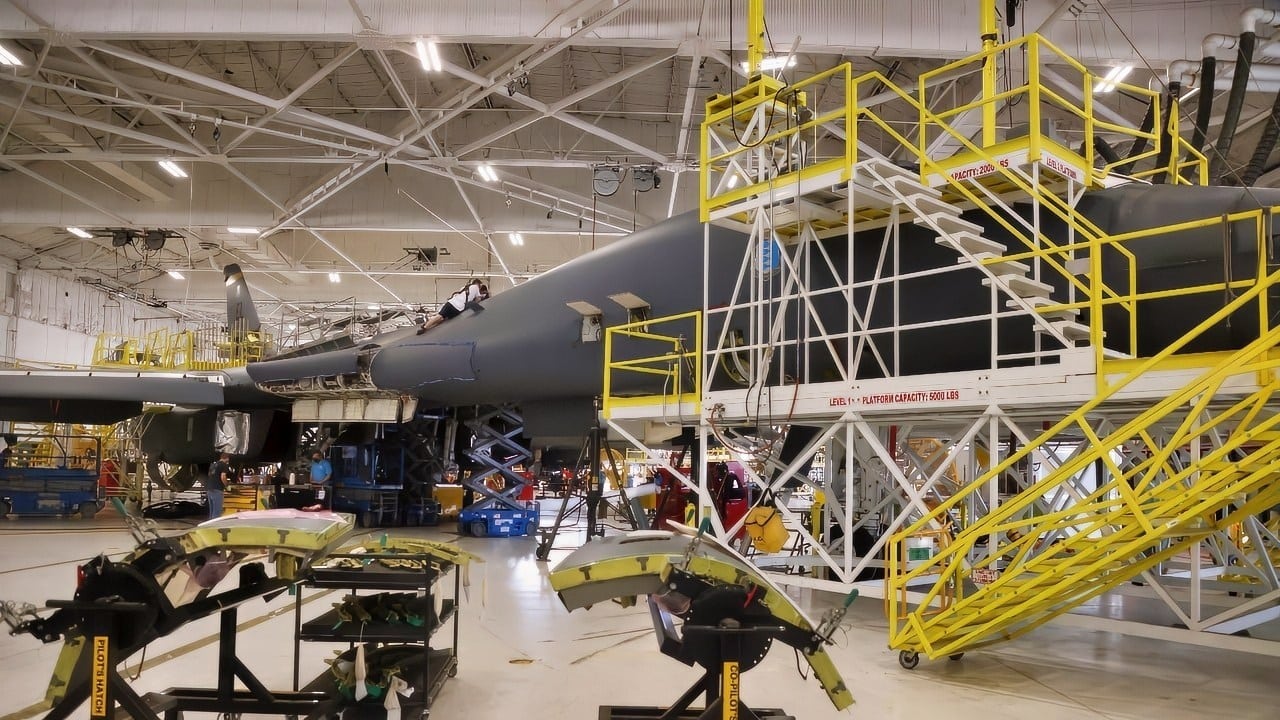
B-1B Lancer Back from The Boneyard. Image Credit: Creative Commons.
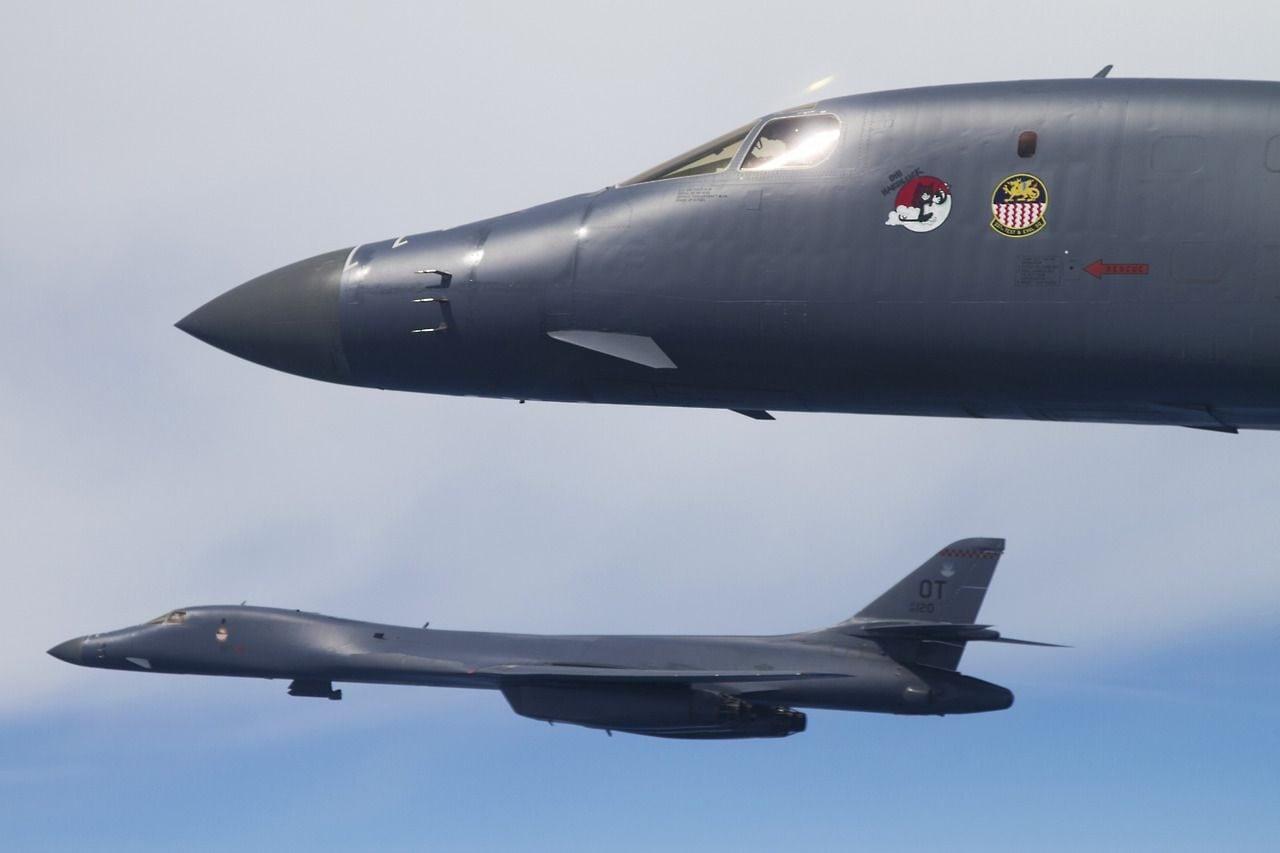
Two B-1B Bombers. Image Credit: US Air Force.
Combat Workhorse
B1-The B-1, which had its combat debut in Operation Desert Fox in 1998, went on to drop thousands of JDAMS during the multi-year wars in Iraq and Afghanistan. The B-1 can hit speeds of MACH 1.25 at 40,000 feet and flies a ceiling of 60,000 feet. It fires a wide range of bombs, including several JDAMs: GBU-31, GBU-38, and GBU-54. It also fires the small-diameter bomb, GBU-39.
Therefore, despite its age, the B-1 B has remained in service as part of a key strategy to retain a viable and effective bomber fleet until larger numbers of the new B-21 arrive.
B1-B Stays Relevant
The famous B-1 B Lancer bomber is more than 30 years old. Yet, the classic platform has flown into future decades, with a wide range of evolving attributes, including new avionics, communications technologies, engines, and even hypersonic bombing capability.
While a legacy platform heading toward eventual retirement and “end-of-service,” the B-1 B has been preserved and sustained due to what the Air Force refers to as a “bomber deficit.”
For many years, the service has maintained that its bomber fleet is insufficient to meet Combatant Commander demands worldwide, a circumstance that has led to massive service-life extensions for many of its platforms.
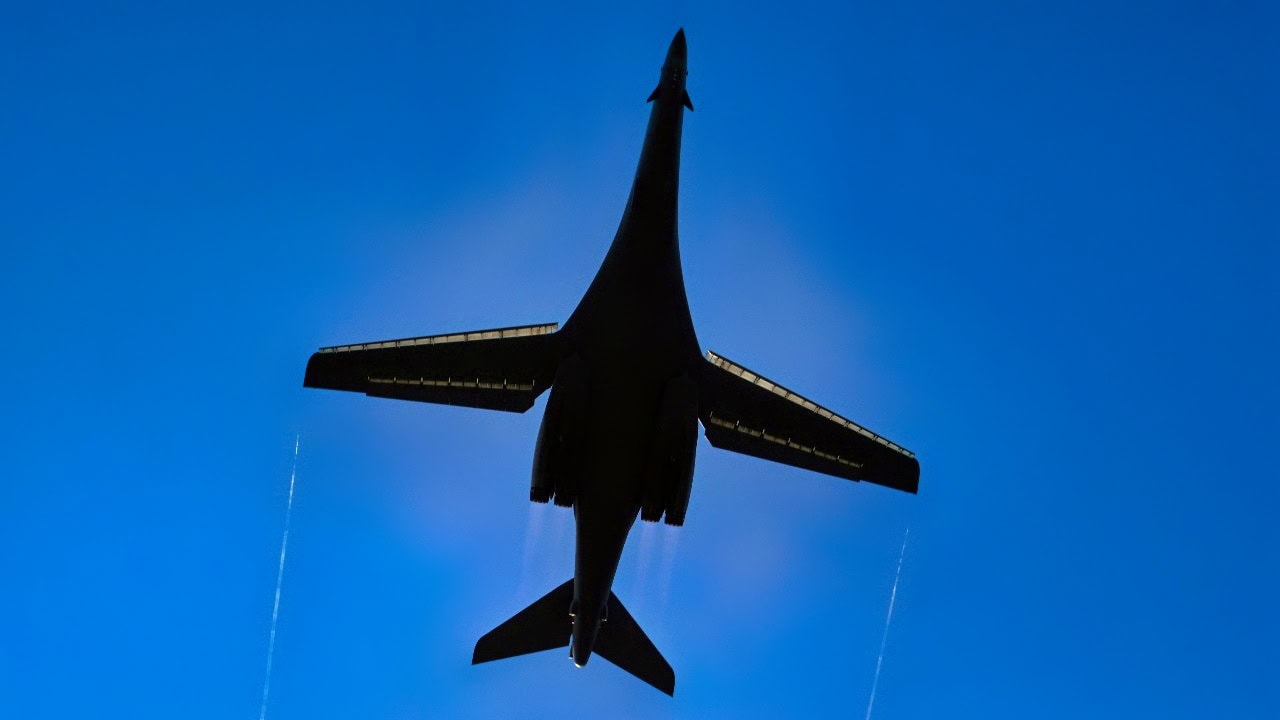
A B-1B Lancer assigned to Ellsworth Air Force Base, S.D, takes off in support of a Bomber Task Force mission at Naval Support Facility Diego Garcia, Nov. 2, 2021. Bomber missions provide opportunities to train and work with our allies and partners in joint and coalition operations and exercises. (U.S. Air Force photo by Staff Sgt. Hannah Malone)
The strategy has been clear, as the Air Force wants to sustain its op-tempo of critical Bomber Task Force deployments and deterrence missions with its existing fleet until larger numbers of B-21s arrive. The overall approach is grounded in large measure on the recognition that airframes from legacy aircraft often remain viable for decades beyond what was anticipated.
With some maintenance and structural reinforcement, older airframes can endure for decades to come, remaining relevant and operational.
Engine & Targeting
The engines have been refurbished in recent years to retain their original performance specs, and the B-1 has also been getting new targeting and intelligence systems. A new Integrated Battle Station includes new aircrew displays and communication links for in-flight data sharing.
Another upgrade, called The Fully Integrated Targeting Pod, connects the targeting pod control and video feed to B-1 cockpit displays. The B-1 will also be able to increase its carriage capacity of 500-pound class weapons by 60 percent due to Bomb Rack Unit upgrades.
About the Author: Kris Osborn
Kris Osborn is the President of Warrior Maven – Center for Military Modernization. Osborn previously served at the Pentagon as a highly qualified expert in the Office of the Assistant Secretary of the Army—Acquisition, Logistics & Technology. Osborn has also worked as an anchor and on-air military specialist at national TV networks. He has appeared as a guest military expert on Fox News, MSNBC, The Military Channel, and The History Channel. He also has a Master’s Degree in Comparative Literature from Columbia University.