
The internal war between Boko Haram and ISWAP ignites Sambisa — 23 dead in Borno during the electoral campaign
 Marie Dubois
The Boko Haram-ISWAP Infighting Ignites Sambisa — 23 Dead in Borno Amid Election Campaign
Since September 2, the Sambisa forest is bleeding again. Around the Chingolo axis, in the Bama local government area, Boko Haram fighters attacked elements of the Islamic State in West Africa (ISWAP) who were advancing into the area. According to Zagazola Makama, a well-informed threat analyst in northeastern Nigeria, more than 23 jihadists have been killed on both sides since the clashes began about two days ago. This toll is reported based on videos and local sources, which at this stage cannot be independently verified. The Nigerian army has not confirmed anything at the time of writing.
Sambisa, the Disputed Sanctuary
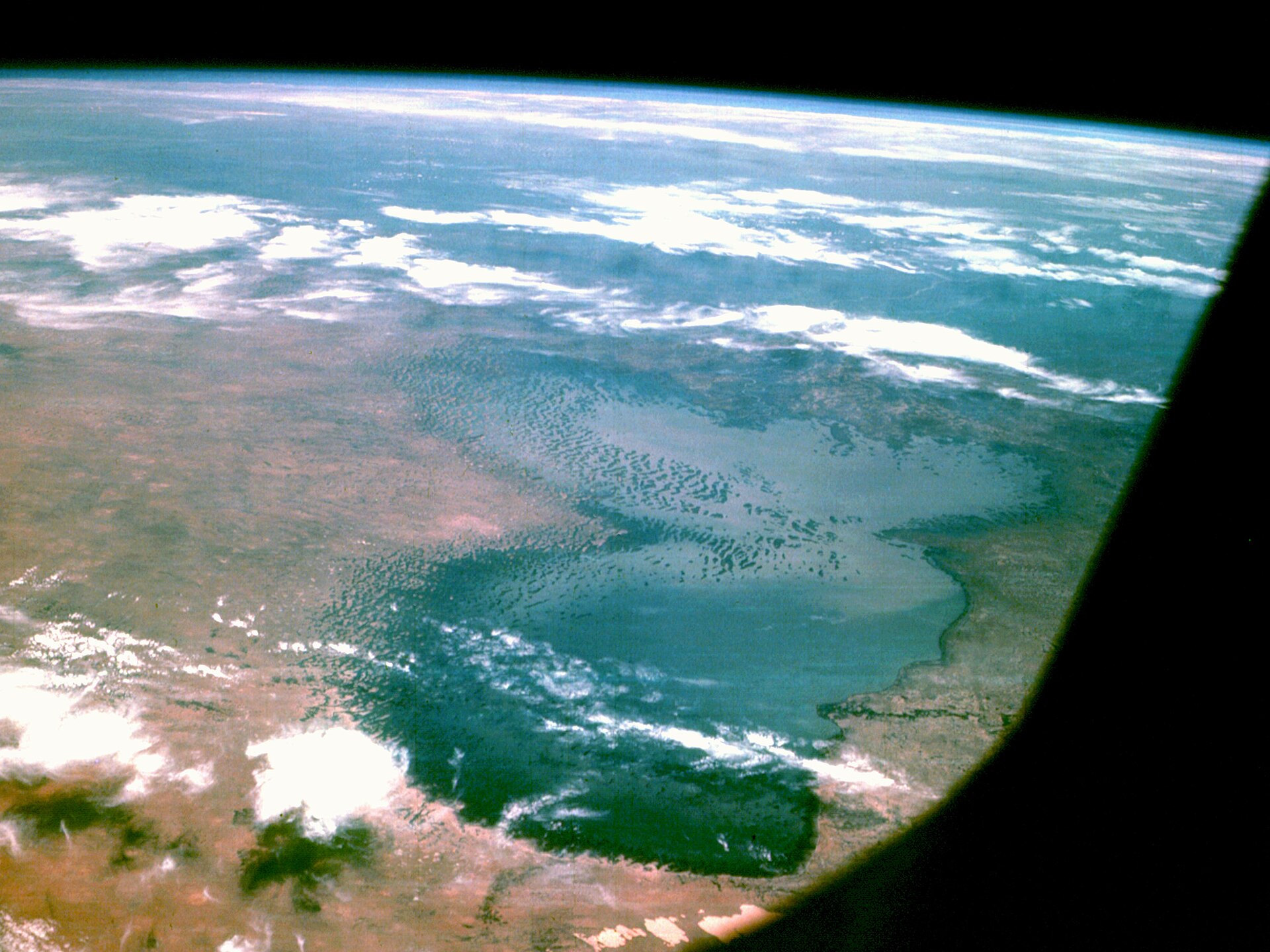
For those who have served in this theater, Sambisa is not just any forest. It is the old sanctuary of Boko Haram, a mass of brush and acacia woods that stretches southeast of Maiduguri, about sixty kilometers from the regional capital, to the edge of the Cameroonian border. Since the split of ISWAP in 2016 and the death of its historical leader Abubakar Shekau in 2021, the massif has been the focus of a war within a war: ISWAP is pushing from its positions on Lake Chad to the south, Boko Haram is defending its old strongholds, and the two factions are vying for access routes, water points, taxes on villages, and control of allied fighters.
The cycle is not new. November 2025: about 200 dead in clashes near Lake Chad, according to several Nigerian media outlets. January, April, and then late August 2026: each time, dozens killed in Sambisa and the Mandara mountains, each time videos of gunfire circulating on social media before Maiduguri confirms or denies. The Chingolo episode is therefore the latest in a series, not a break.
APC Candidate's Convoy Targeted
But this time, the factional war spills over into politics. On Thursday, September 3, around 2:30 PM, the convoy of Mustapha Gubio, the All Progressives Congress candidate for governor of Borno, was targeted in Kareto, on the Gubio-Kareto-Damasak road, in the north of the state. The candidate — designated as the consensus candidate following his party's primary — was on a thank-you tour for supporters. The assailants detonated an improvised explosive device and fired RPG rockets before opening fire.
The escort — soldiers, police, NSCDC, DSS, Civilian Joint Task Force militia, and vigilantes — held firm and repelled the attack. According to the police, no members of the convoy were killed or injured, but an armored vehicle was damaged. No fatalities. The message, however, is clear: in northern Borno, the 2027 election campaign begins under IEDs and RPGs, on a road that the army does not really control outside of escorted convoys.
“We Have Defeated the Terrorists”
In the same week, the Minister of Defense, retired General Christopher Musa, stated on Channels Television that Nigeria had defeated terrorism. His words are worth quoting:
“Frankly, we have defeated the terrorists, because attacks are no longer as frequent. It is now about kidnapping.”
It is hard to find a better summary of the gap between Abuja's rhetoric and what is happening on the ground. On the very day the minister explained that Boko Haram and ISWAP only strike “from time to time,” the two factions were killing each other in Chingolo, and a gubernatorial candidate was under rocket fire in Kareto. From experience, I am wary of victory declarations in this war: we have already heard, at every cycle, that the groups were “degraded.” They may be, but Sambisa remains a sanctuary where they can fight each other without the army intervening, and that is precisely what should be concerning.
What This Infighting Changes on the Ground
- It weakens both factions but disperses their fighters towards civilian axes — Bama, Damboa, the Biu road — where the pressure shifts to the villages.
- It offers the army a window, but a window it does not exploit: no large-scale operations have been announced in Sambisa since the clashes began.
- It muddles intelligence: surrenders are increasing (two presumed ISWAP jihadists surrendered in Monguno on September 2), but it becomes difficult to know who is fighting whom, and for which side.
For the populations, the result is simple: jihadists fleeing internal fights retreat to areas where the state is absent, and the roads in northern Borno — Gubio, Kareto, Damasak, Monguno — become hunting grounds again. It is the same logic as on the Monguno-Banki axis, where I noted earlier in the week that two surrenders and one foiled ambush were not enough to reopen the road.
The 2027 Campaign, a New Front
The attack on Gubio's convoy is not an accident. Borno is one of the hardest-hit states in Nigeria, and its race for the governorship in 2027 is a national test: if a candidate cannot move in the north of his own state without a military-police column, the promise to “defeat terrorism” does not carry much weight with voters. Tens of thousands of displaced persons from Borno are expected to vote under precarious conditions, and the question of their registration is already a hot topic, as reported by local media.
The jihadists have understood this: they do not need to win the campaign; they just need to make it impossible on the roads of the north. The coming weeks will tell if the high command protects electoral convoys with the same vigor as military convoys — and if the “victory” proclaimed in Abuja withstands the first election held in a Borno still half under influence.
On the ground, I will be monitoring three things: ISWAP movements south of Lake Chad towards the Bama-Damboa axis, the fate of the Gubio-Damasak and Maiduguri-Bama roads during the campaign, and the numbers of surrenders — a sign, sometimes misleading, of the real state of the factions. The infighting in Sambisa is not a disguised good news. It is an admission: two years after the major offensives, the sanctuary still holds, and it is now Nigerian politics that enters its crosshairs.
Boko Haram fighters attacked ISWAP elements in Sambisa, Borno, since September 2, resulting in 23 jihadists killed. The conflict has escalated, impacting local politics as an APC gubernatorial candidate's convoy was targeted by an IED and RPG fire. The Nigerian military has not confirmed these incidents, highlighting ongoing instability in the region.
- Boko Haram and ISWAP have been engaged in violent clashes since September 2, resulting in 23 deaths.
- The conflict is occurring in the Sambisa forest, a contested area between the two groups.
- An APC gubernatorial candidate's convoy was targeted by an IED and RPG fire, but no casualties were reported among the convoy members.