
The JNIM received 50 million in ransom — Gulf money behind the fall of Kidal
 Marie Dubois
The JNIM received 50 million in ransom — Gulf money behind the fall of Kidal
On April 25, 2026, in Kidal, the garrison did not hold out for the day. The joint offensive by the Support Group for Islam and Muslims (JNIM) and the Azawad Liberation Front (FLA) struck six localities on the same day — Kati, Bamako, Gao, Kidal, Mopti, Sévaré — and the Minister of Defense, General Sadio Camara, was killed in Kati by a suicide truck bomb outside his residence. At the time, Bamako referred to it as "terrorist cowardice." The UN expert report published on August 14 tells a different story: this offensive, the largest in fourteen years, had been paid for in advance. By a ransom of 50 million dollars paid by a Gulf state.
A ransom of 50 million paid by a royal family
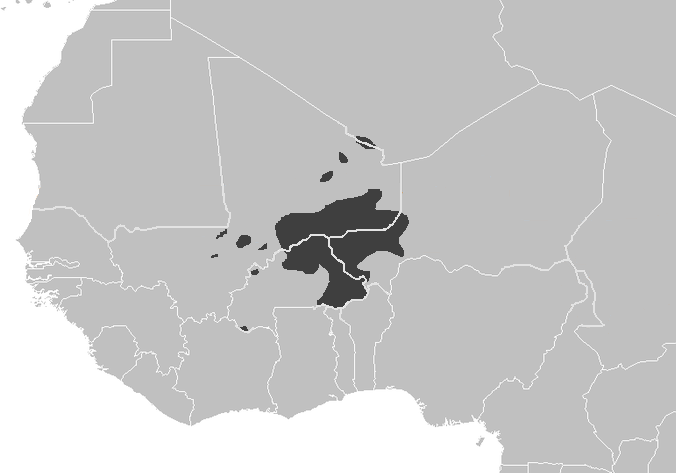
According to UN experts cited by Reuters on August 14, the JNIM received approximately 50 million dollars for the release of a hostage taken in late 2025. The hostage reportedly belonged to the royal family of an anonymous Gulf state. The sum was redistributed among the group's katibas and then injected into what the UN describes as the largest JNIM offensive in fourteen years: the capture of a military base in Kidal, coordinated assaults in central and southern Mali, and the assassination of the Minister of Defense.
“This ransom contributed to financing the group's advances across West Africa and its global network.” — UN experts cited by Reuters, August 14, 2026
The amount is unprecedented in the region. No Sahelian katiba had received such a sum in a single payment. From experience, this level of liquidity is not bought: it is distributed, converted, and diluted in supply networks that run from Gao to the ports of the Gulf of Guinea.
What 50 million buys on the ground
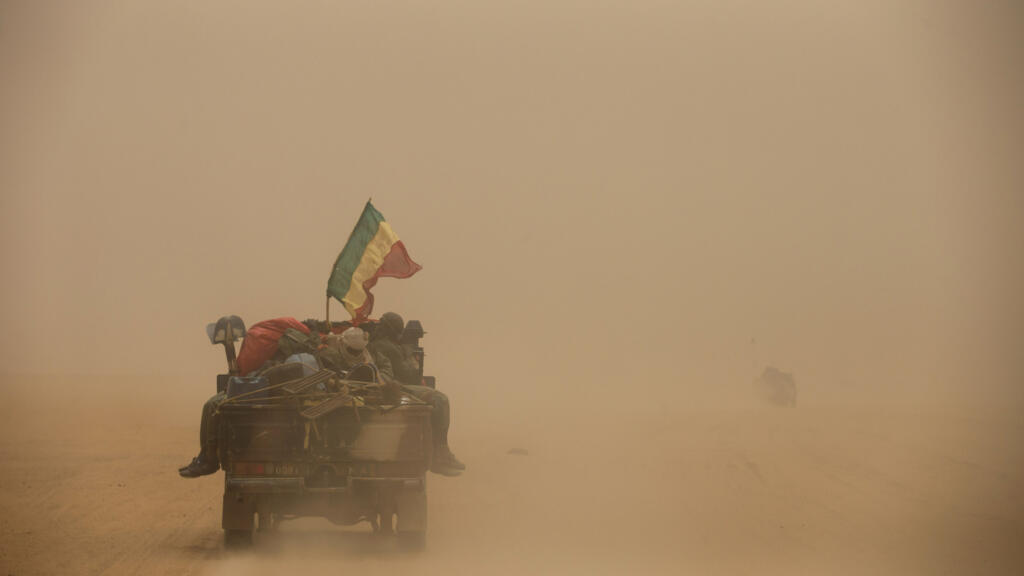
On the ground, the translation is simple. The pickups seen traveling the Gao track towards Kidal consume fuel, spare parts, and fighter salaries. The improvised explosive devices require fertilizers, detonators, and expertise. The FPV drones that the JNIM has been using since 2023 cost a few hundred dollars each. The real expense is logistics and corruption: buying the silence of a checkpoint, paying a guide, maintaining a supply chain over several weeks.
This is where the ransom changes the game. A group that lives off local taxes and trafficking survives day by day. A group that has received 50 million dollars can plan three months ahead, coordinate simultaneous attack axes, and support its allies — the FLA, whose "situational coordination" with the JNIM is no longer a secret to anyone.
Kidal, the victory that money prepared
The timeline of the report is relentless. The ransom is paid at the end of 2025. Within a few months, the katibas reorganize, purchase, and deploy. On April 25, six localities fall simultaneously, including the Kidal base — recaptured from the rebellion in 2023, it falls back into the hands of jihadists within hours. On the same day, in Kati, General Sadio Camara is killed by a suicide truck bomb in front of his residence; at least three members of his family perish, and a nearby mosque collapses on worshippers.
However, caution is warranted. The report establishes a link to financing, not a comprehensive accounting proof. The experts have not publicly identified the Gulf state, nor the exact transfer circuit. The portion of the ransom actually allocated to the offensive remains an estimate. What is confirmed is the scale of the war chest — and the fact that Gulf states, which also fund deradicalization programs in the Sahel, appear here as the unwitting bank of jihad.
The diplomatic silence of the Gulf
The anonymity of the concerned state speaks volumes. No Gulf capital has publicly reacted to the report. The precedent is known: in 2013, Gulf monarchies had already been pointed out for payments intended to secure the release of Western hostages held in the Sahel. The royal ransom of 2025 fits the same logic — pay quickly, keep the matter quiet, and let the region pay the price.
What this changes for Bamako and Moscow
For the Malian junta, the revelation comes at a bad time. The official narrative presents the April offensive as a patriotic surge against the "jihadist mercenaries." The UN report shifts the question: no longer who won the fight, but who paid for the war. Bamako has not commented. Moscow, which aligns instructors and planes in Mali via the Africa Corps, has no interest in seeing the conversation shift towards financing — because the next confrontation will not only be played out on the Kidal track, but on the ability to cut off the money circuits.
One sign is unmistakable: the Malian army has begun, this week, to install GPS trackers on its vehicles to monitor equipment captured by jihadists. A useful measure — but it will say nothing about the next 50 million.
The next offensive is already financed
The experts' report does not reveal everything, and that is precisely what is worrying. If a single ransom of 50 million was enough to finance the fall of Kidal, how many other discreet payments have occurred since? The gray areas — the identity of the state, the transfer circuit, the intermediaries — are all doors left open. The most vulnerable region is not Kidal, already in the hands of jihadists: it is the corridor from Gao to the Nigerien border, where the convoys of the Malian army and the Africa Corps continue to roll under surveillance.
Operationally, the conclusion is brutal. As long as ransoms continue to be paid, the JNIM will have a planning capacity that Sahelian forces, despite their Russian instructors and drones, will not be able to compensate for on the ground. The next offensive will not wait for the end of the rainy season. It is already financed.
On April 25, 2026, the JNIM and FLA launched a coordinated offensive, capturing Kidal and five other locations in Mali. The operation was financed by a $50 million ransom paid by a Gulf state for a hostage, which enabled the jihadists to plan and execute simultaneous attacks. General Sadio Camara was killed in Kati during the assault, marking a significant escalation in the conflict.
- JNIM received a ransom of $50 million from a Gulf state for the release of a hostage.
- The offensive on April 25, 2026, was the largest in 14 years, resulting in the capture of Kidal and other locations.
- General Sadio Camara was killed by a car bomb in Kati during the offensive.
- The ransom was redistributed among JNIM's units to fund the offensive and logistics.
- The report suggests ongoing financial support for jihadist activities from Gulf states.