
Why Sikorski's European Legion of Ukrainian Veterans Does Not Create a European Army
 Dr. Klaus Weber
Why Sikorski's European Legion of Ukrainian Veterans Does Not Create a European Army
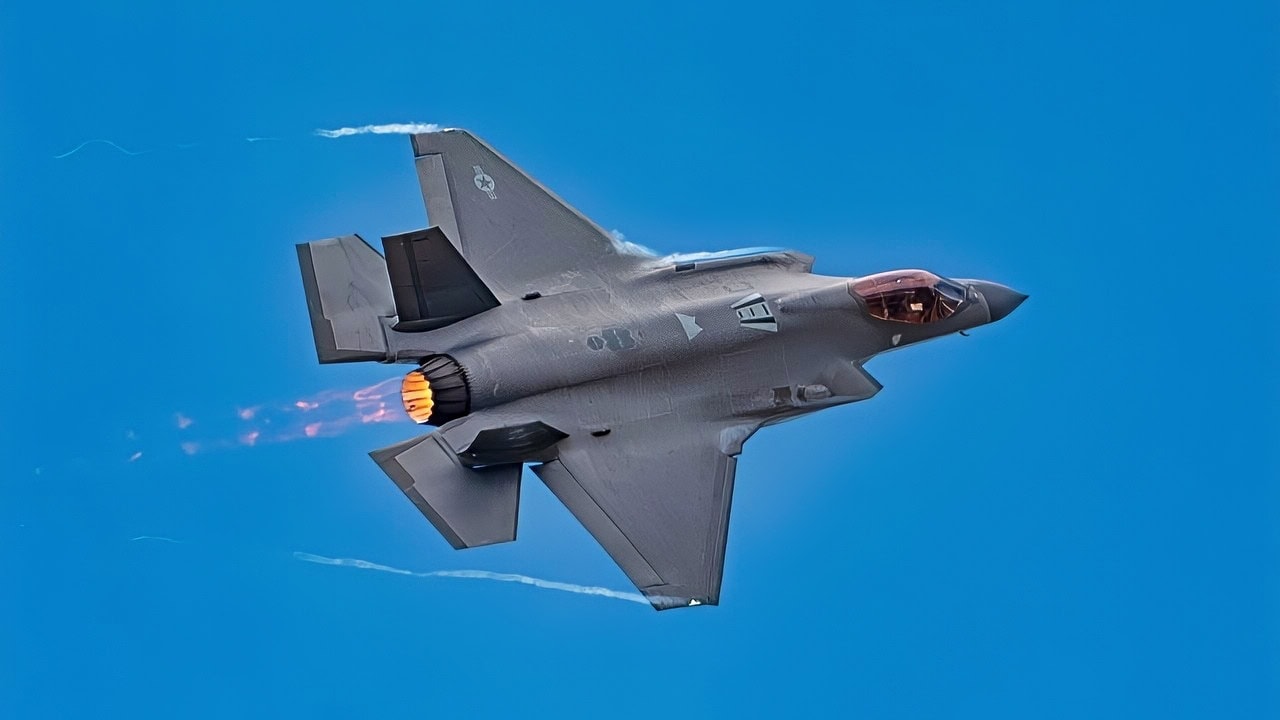
Poland currently has 220,000 soldiers under arms — more than double the number in 2014 — and aims to grow to 300,000 active personnel plus 200,000 reservists by 2039. On August 15, Warsaw showcased 300 armored vehicles, around 2,000 soldiers, and more than 60 aircraft, including the first F-35s, at the largest military parade in its history. And it is precisely the foreign minister of this country, Radosław Sikorski, who is now proposing to establish a "European Legion," whose core should consist of battle-hardened Ukrainian veterans. This is not a contradiction, but rather the Polish model of European defense: national strength first, joint institutions as a second step. However, it is also a proposal that does not answer the crucial question: Who commands the Legion?
Sikorski's Proposal: A Standing Force of Ukrainian Veterans
In an interview with the Greek newspaper Kathimerini, the Polish foreign minister advocated for a "dedicated, standing force" — a permanent European formation that should recruit "seasoned professionals from the broader European family," including battle-hardened Ukrainian veterans after the war. The reasoning is remarkably candid: "We cannot call Washington every time a fire breaks out in our backyard — whether it is a conventional threat or Moscow's weaponization of migration flows from Africa and the Middle East against the EU."
At the same time, Sikorski emphasizes that the Legion is not a replacement for NATO: "The United States remains the indispensable anchor of our collective defense, but its role is changing. America will continue to provide unmatched technological and intelligence capabilities, but Europe must do the heavy lifting on the ground." This is the language Brussels has wanted to hear for years — and yet the proposal remains institutionally remarkably vague.
The Parade as Background: Poland Builds the Largest Army in Europe
On the same weekend, Poland celebrated Armed Forces Day with the largest military parade in its history. Prime Minister Donald Tusk announced that the Polish army would "soon be the largest in Europe." The numbers support this: From around 100,000 soldiers in 2014, the force grew to 216,000 by 2025 — the third largest in NATO after the USA and Turkey. Defense Minister Władysław Kosiniak-Kamysz reported the current strength on Army Day as 220,000 personnel, with a target of 300,000 active and 200,000 reservists. In 2025, Poland spent 4.7 percent of its GDP on defense, and in 2026 it is expected to reach five percent.
Tusk linked military power with an unmistakable message: "Only those who are strong, well-prepared, truly independent, and sovereign will avoid war." The addressees are clear — Moscow and those European capitals that still believe deterrence can be delegated. The Russian response did not take long: During the parade, Poland again reported violations of its airspace, part of a pattern of drone incursions, sabotage, and a 140 percent increase in cyberattacks to around 700,000 incidents in the year.
The Institutional Void: Battlegroups, but with Ukrainian Veterans
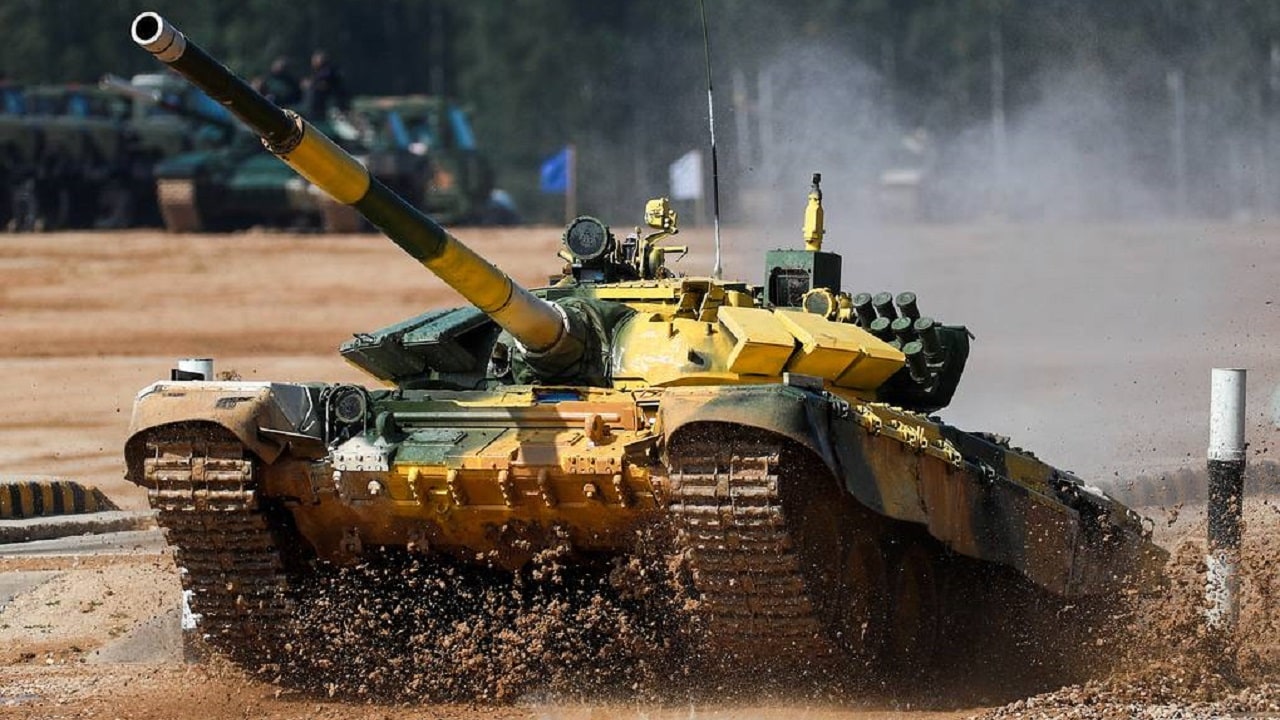
And here begins the real problem. The EU has had its own battlegroups since 2007 — rotating task forces of 1,500 to 5,000 personnel. They have never been deployed, not even during the Ukraine crisis. The reason is not a lack of soldiers, but a lack of decision-making rules: Who authorizes deployment? Under what legal framework — Article 42.7 TEU, PESCO, or just "coalitions of the willing"? What happens if Hungary or Slovakia block?
Sikorski's Legion would share this fate as long as it is embedded in EU structures. The proposal answers the recruitment question — Ukrainian veterans are the most battle-tested personnel available to Europe since 1945 — but not the command question. A legion without unified command, without its own leadership structure, and without an operational doctrine is a personnel reserve with a flag, not an army. The earlier proposal by Defense Commissioner Andrius Kubilius for a 100,000-man EU force failed precisely because of this void.
The Polish Paradox: National Strength, Collective Rhetoric
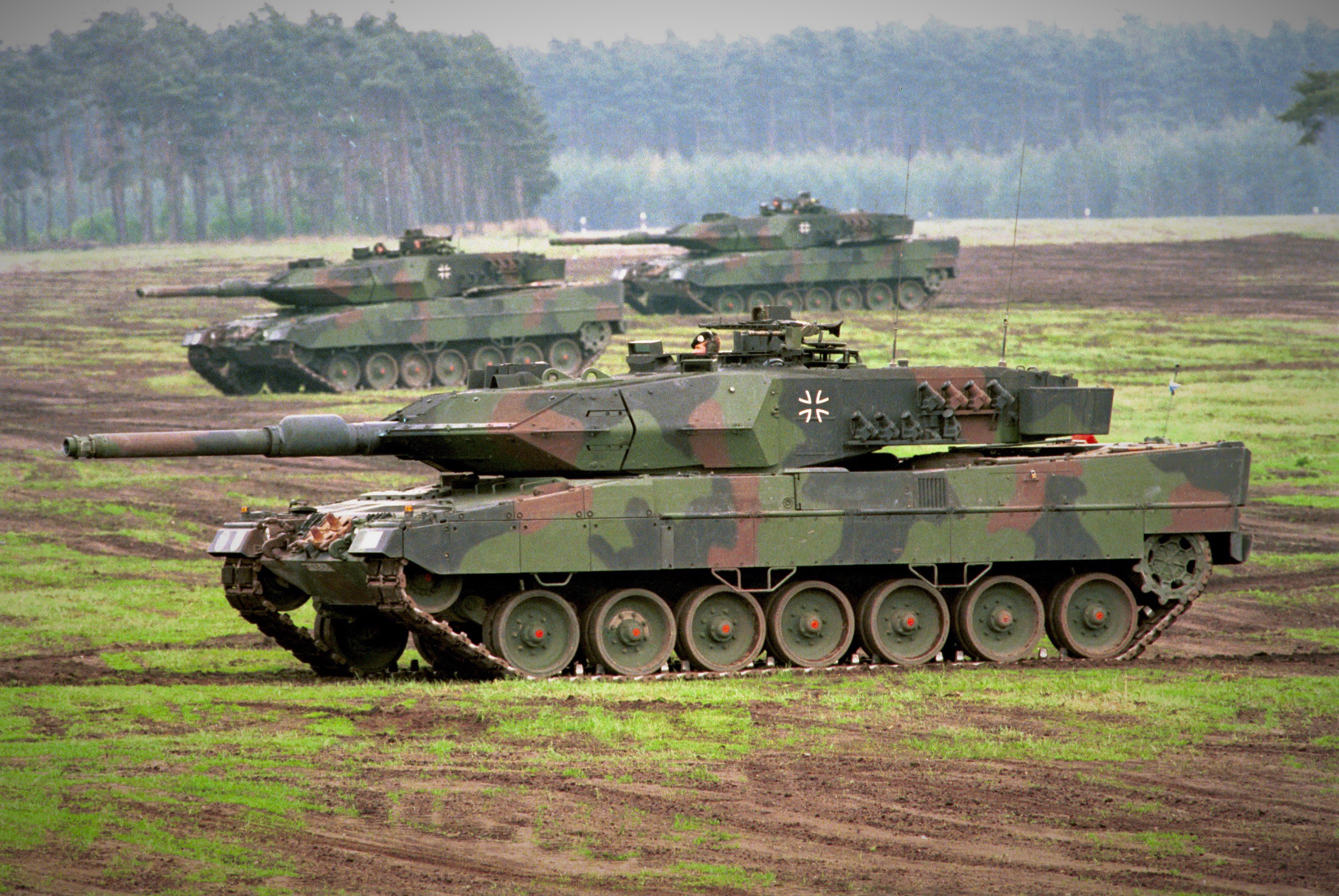
The irony is hard to overlook: The country that is building the largest national army in Europe is proposing the most ambitious collective project since the failed European Defense Community. Germany, on the other hand, which has preached institutional integration for decades, cannot even maintain its own force at 200,000 personnel. The special fund has largely evaporated; the Zeitenwende has remained a budgetary shift. A production shift — and certainly no command shift — has not occurred in Europe.
Poland is consciously choosing the reverse path: first capabilities (K2 tanks, Abrams, Himars, F-35, 4.7 percent of GDP), then institutions. Sikorski's Legion is therefore less a plan than a signal — to Washington that Europe takes the "heavy lifting" seriously, and to Brussels that Warsaw claims leadership. This is legitimate. But a signal is not operational capability.
Conclusion: Who Commands, Not Who Recruits
"I strongly advocate for a European Legion — a dedicated, standing force that could recruit seasoned professionals from the broader European family, including battle-hardened Ukrainian veterans after the war." — Radosław Sikorski, Interview with Kathimerini, August 15, 2026
The European Legion is a test for European defense policy — but not the one Sikorski has ordered. The real question is not whether Europe can recruit 100,000 veterans. It can. The question is whether it creates a structure that allows them to be deployed without 27 capitals each vetoing. As long as this structure is missing, the same applies to the Legion as it did to the battlegroups: A force that no one is allowed to command is expensive but useless. Europe took 19 years to learn this with 5,000-man units. It has not taken this time with an army of the continent's most experienced soldiers.
Poland is expanding its military to 300,000 active soldiers and proposed a European Legion of Ukrainian veterans to enhance European defense capabilities. On August 15, 2026, Poland showcased its military strength during a significant parade, emphasizing its role in European security. The proposal raises questions about command structure and operational authority within the EU.
- Poland currently has 220,000 active soldiers and aims to grow to 300,000 by 2039.
- Radosław Sikorski proposed a European Legion of Ukrainian veterans.
- Poland held the largest military parade in its history, showcasing military capabilities.
- The EU has battlegroups that have never been deployed due to decision-making issues.
- Poland is increasing its defense spending to 5% of GDP by 2026.