

With Britain turning its attention to the AUKUS successor, HMS Astute looks set for its first-ever midlife refit. That means the nuclear attack submarine will be out of action indefinitely as the boat is brought up to speed and receives key updates that usually take years to complete.
It is some 16 years since the residents of Scotland’s Isle of Skye awoke one morning to see the country’s latest nuclear-powered attack submarine in plain sight from their bedroom windows.
HMS Astute had put itself aground during sea trials.
The UK’s Ministry of Defense quickly issued a straightforward public announcement that the incident was not nuclear.
The Royal Navy attributed it to the sub resting on silt, not rock, and confirmed that no one was hurt and that the vessel was disarmed. Yet, as one local sailor told the BBC, the Astute had gone where he “would not risk taking his yacht.”
Now the Royal Navy is touting what it describes as the “longest first commission in the history of the Silent Service” as having come to an end.
In its latest annual report, the Defense Nuclear Enterprise notes that the submarine is to be readied for its Mid-Life Revalidation Period at Babcock’s Devonport dockyard.
The Road to Repairs
Last July, the Astute made its way to Devonport’s dry docks, marking the end of its 15-year service.
The Royal Navy recorded an inaugural commission in which the boat was to undertake weapons and sonar work in the U.S.
It subsequently traveled via the Suez Canal and deployed to Australia. The current work will not require refueling the nuclear reactor.
The Royal Navy has not disclosed the scope or completion date of the ongoing work, which will be the first midlife refit undertaken on an Astute-class boat.
Specialist naval outlet Navy Lookout has reported that the submarine could be unavailable for several years.
Surely the refit is, at least in part, about using the existing fleet until the new ones are actually available.
The Royal Navy already has five Astute-class ships in service.
The sixth, HMS Agamemnon, was commissioned last fall and has already put in its first trim dive.
The seventh and final is still under construction.
With Tomahawk cruise missiles and Spearfish heavyweight torpedoes in their arsenal, Astute-class submarines are tasked with hunting down enemy surface ships and submarines.
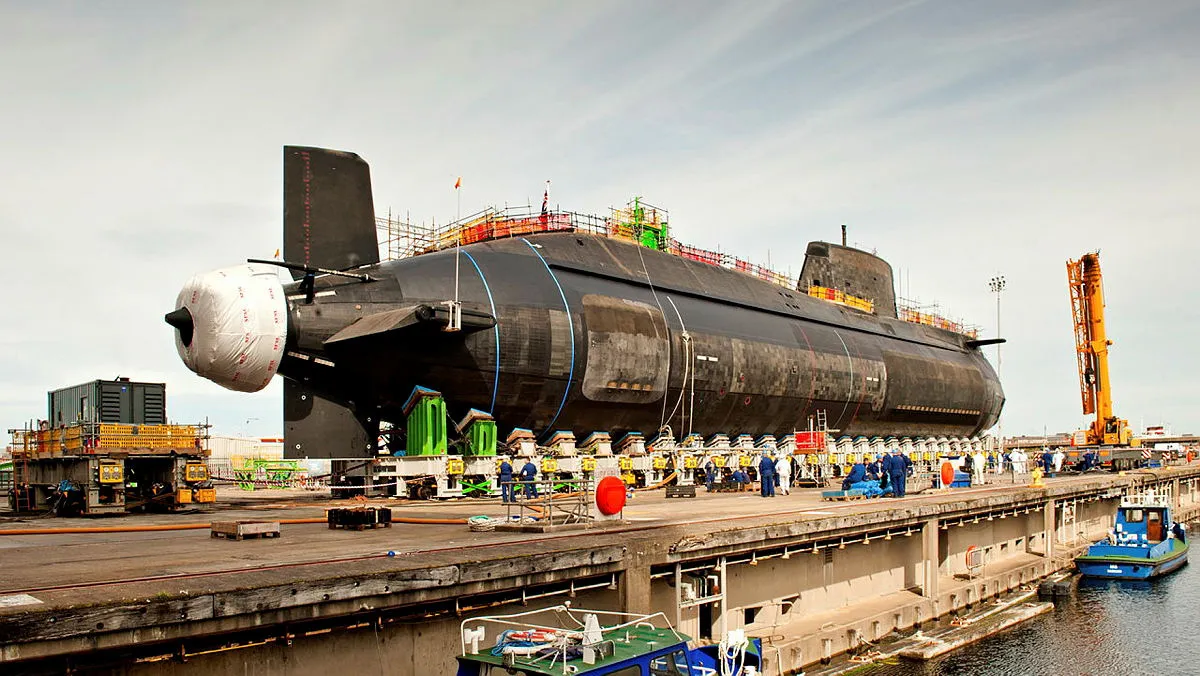
Royal Navy’s Astute-Class Submarines. BAE Systems.
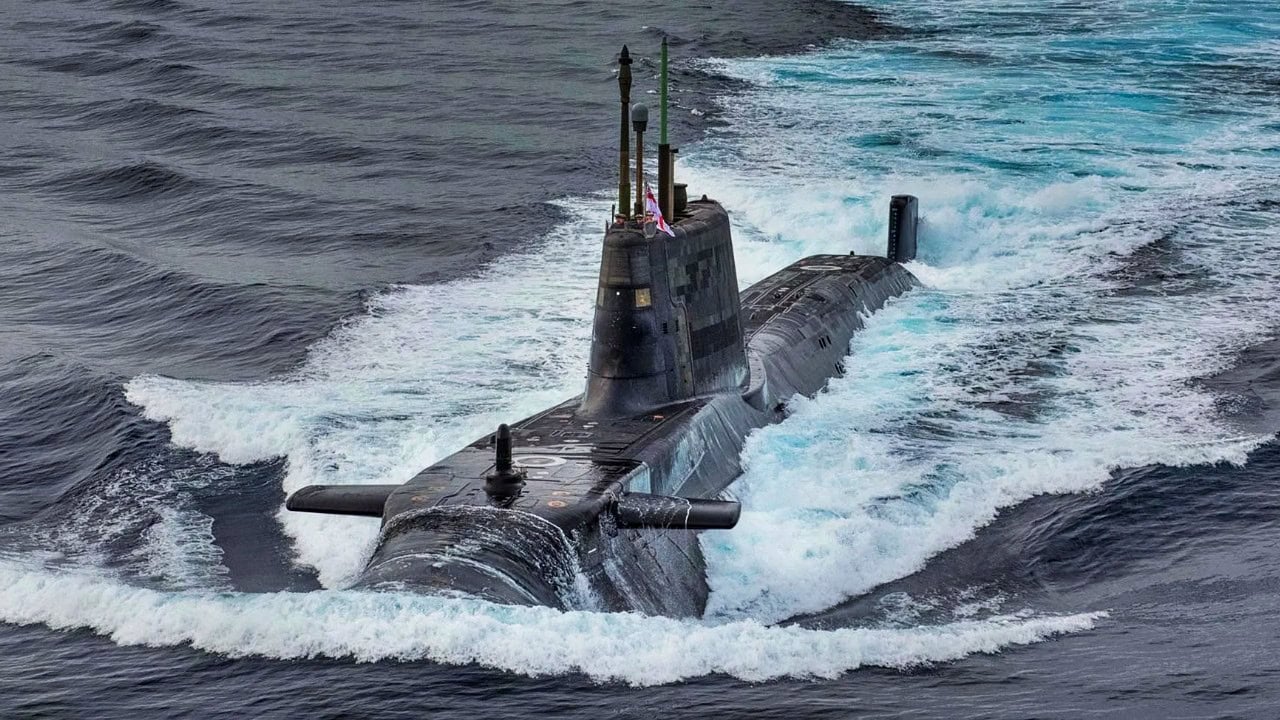
Astute-Class Submarine. Image Credit: Creative Commons.
They also protect the nation’s ballistic-missile fleet, provide intelligence, and back up special forces.
In 1969, the Vanguard-class ships under guard were put to work on the UK’s round-the-clock nuclear-deterrent patrol, a role they have held ever since.
Given Russia’s renewed threat to NATO, one would think it prudent of London to ensure this continues.
£4 Billion in Contracts
Some £4 billion worth of contracts are already in place to handle the design and industrial infrastructure and ensure the plans stay on schedule.
The SSN-AUKUS is a venture between the U.S., Australia and the UK.
Under its provisions, the Astute will be replaced by a submarine built at BAE Systems’ Barrow-in-Furness yard; the first is due to be laid down there next year and will be operational before 2040.
Over in South Australia, the Osborne base will be where Australia builds its own.
The nuclear reactors, though, will come from Rolls-Royce at its Derby works.
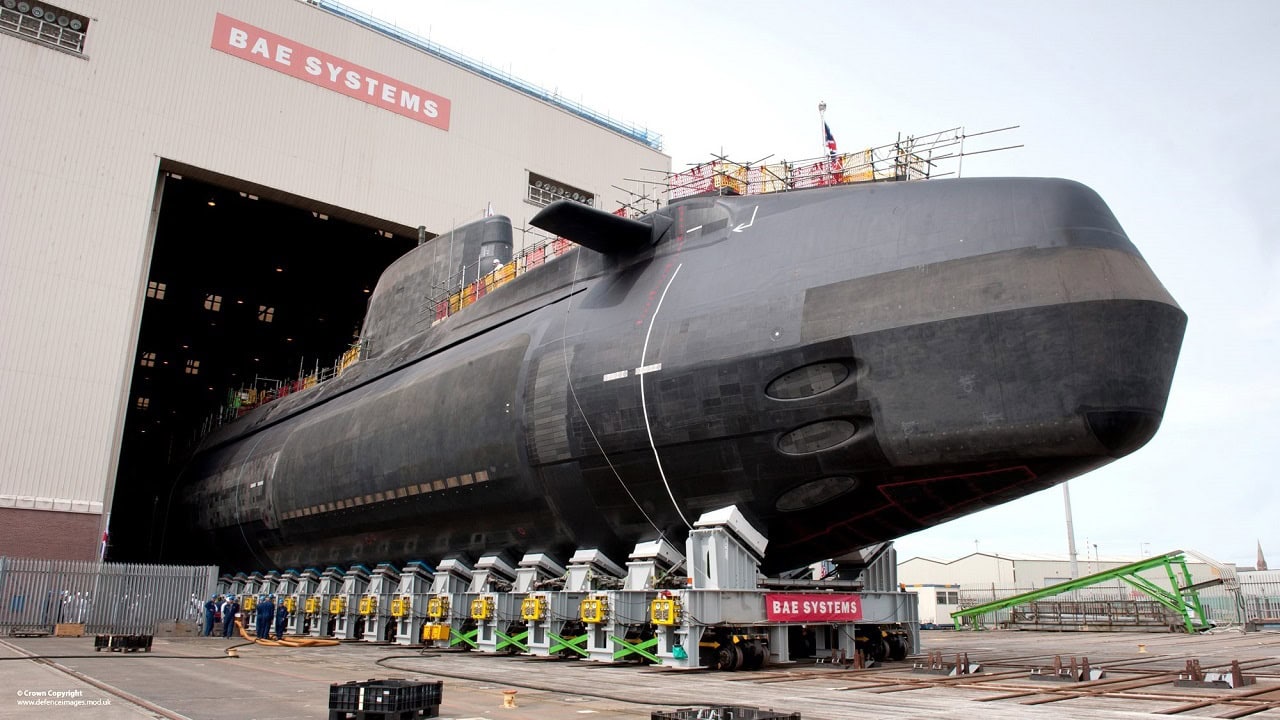
Royal Navy Astute-Class Submarine.
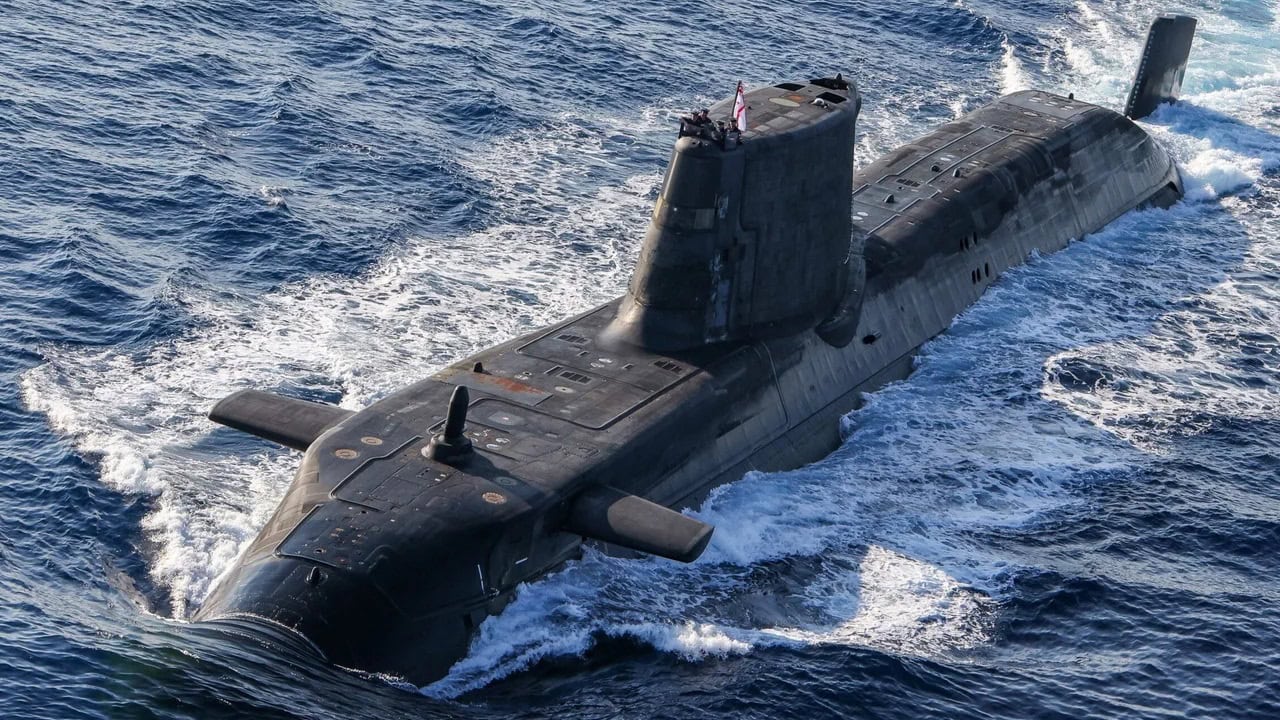
Astute-Class Submarine. Image Credit: Royal Navy.
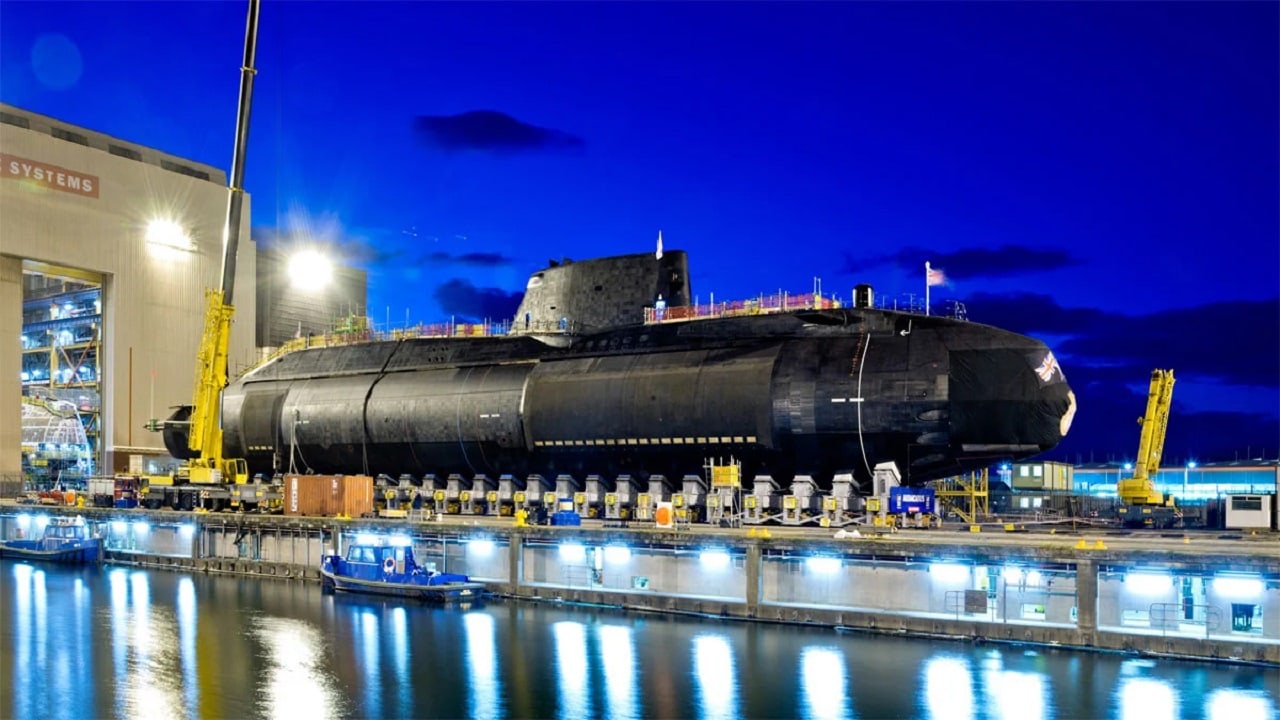
Astute-class Submarine. Image Credit: BAE Systems.
And Canberra has put up a goodly £2.4 billion for British production and design costs over the next decade.
As for the UK’s own plans, they are less certain. “Up to 12” was the tally London gave last year for possible orders of SSN-AUKUS subs.
Yet so far they have not said if that is the number they have decided on or how they intend to put the money down for it.
The Ministry of Defense (MoD) told MPs over the summer that the design work on the models was “midway through,” while the final hull count will not be settled on until 2028.
James Cartlidge, a Conservative Party defense spokesperson, has also slammed the MoD.
Speaking to The Telegraph newspaper this week, he lambasted the notion of the government possibly taking on 12 new nuclear submarines without the means to back it up, joking: “I could say I want to buy up to 12 Ferraris, but if I don’t have the money, I won’t get any.”
Then there is Adm. Lord West, ex-First Sea Lord, who has been just as hard on the “extraordinarily disappointing” delays, stating that shipyards and suppliers were now in limbo.
An Ambitious Timetable
Under the new schedule, Britain would turn out a submarine every 18 months.
This feat would require twice the present output and also get Dreadnought-class ballistic-missile subs in the water.
Around £6 billion has been set aside to bring Barrow and Raynesway up to date.
The Defense Nuclear Enterprise spent some £12 billion in the financial year up to April 2026.
It now seems it can put £100 billion in front of British firms as they scramble to support these plans. It is also set to grow its workforce from 47,000 to 65,000.
Australia will take a trio of Virginia-class subs from America by the early 2030s, before getting its SSN-AUKUS vessels.
However, since the bottlenecks prompted by Covid-19, U.S. output has been around 1.1 to 1.3 vessels each year.
But if these proposals go ahead, it needs to increase this pace to 2.33.
Royal Navy A ‘National Embarrassment’?
Writing for the Center for European Policy Analysis back in March, Royal Geographical Society Fellow James Fennell dwelt on the overall state of Britain’s Royal Navy.
He calculated that of the 13 destroyers and frigates on the books, only four were at sea, and only one of the five attack submarines could be called operational.
He described a fleet where some are to be built or have their crews assigned, others are in for repairs or nearing retirement, as little more than a construction site.
When he resigned as defense secretary back in June, John Healey was hardly short of things to complain about: the government’s over £132 billion deficit, not least among them.
He publicly lamented that the British Government needed to set a date for when 3 percent of GDP would be earmarked for defense by 2030.
Healey, now serving as chancellor under Britain’s new Prime Minister Andy Burnham, is grappling with some of the same issues as his predecessor.
London’s Treasury has already noted that the forthcoming October budget will not include any pledge on the 3 percent target.
Instead, the issue will be mulled over throughout next year’s spending review.
The UK’s game plan now seems geared toward keeping this figure on track for 2.7 percent by 2030, then 3.5 by 2035.
How this will impact the critical SSN-AUKUS program remains to be seen.
About the Author: Georgia Gilholy
Georgia Gilholy is a journalist based in the United Kingdom who has been published in Newsweek, The Times of Israel, and the Spectator. Gilholy writes about international politics, culture, and education.