
The S-400s Strike the Ground — 198 Missiles in July and the New Ersatz Ballistic RM-48U
 Dmitri Volkov
S-400 Anti-Aircraft Systems Strike Ground — 198 Missiles in July and New Ersatz-Ballistic RM-48U
In July, Russian forces launched 198 ballistic and hypersonic missiles at Ukraine — a record number for the year. In April, there were 61, in May — 107, in June — 134 (data from Deputy Chief of the GUR Vadim Skibitsky, RBC-Ukraine, August 2026). The increase of almost threefold over four months is usually presented as a triumph of the defense industry. In reality, behind this arithmetic lies a much less flattering acknowledgment: Russia has halted the production of missiles that Ukraine has learned to intercept and is reallocating components to the Iskander-M and S-400 systems, reprogrammed for ground strikes.
Anti-Aircraft Systems as Ballistic Missiles
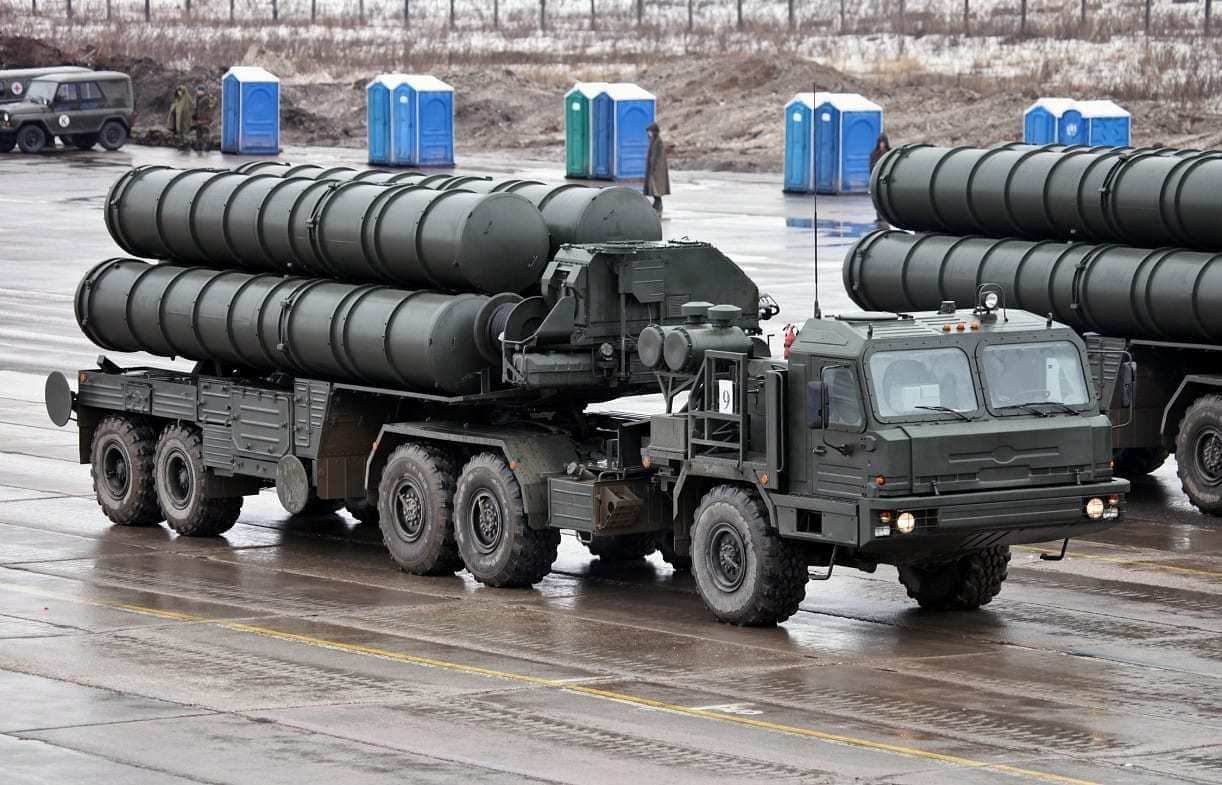
The situation with the S-400 is the most eloquent example of functional degradation throughout the war. The system, designed to intercept aircraft and cruise missiles, today operates as ballistic weaponry: the anti-aircraft missile launches vertically, then transitions to a steep ballistic trajectory and falls on pre-set coordinates. On the night of August 5, the Ukrainian Air Forces classified a combined strike of 24 missiles specifically as "Iskander-M/S-400" — the Kyiv region bore the brunt of the attack, and the Patriot system, with depleted interceptor stocks, did not intercept a single missile. I remind you: in 2026, Ukraine received almost three times fewer anti-aircraft missiles from allies than the previous year (statement by Zelensky, August 2026).
A separate chapter is the RM-48U, the "zombie missile" of this year. This is a standard target missile for the S-300/S-400, assembled from decommissioned 5V55 and 48N6 missiles. According to Ukrainian intelligence estimates, in 2025, Russia produced about 200 such missiles, with a plan for 2026 to exceed 480. The warhead weighs between 133 to 180 kg compared to approximately 480 kg for the Iskander. A range of over 200 km on a ballistic trajectory is achievable — but, as experts honestly note, "without the capability for precise target destruction" (Defense Express, January 2026).
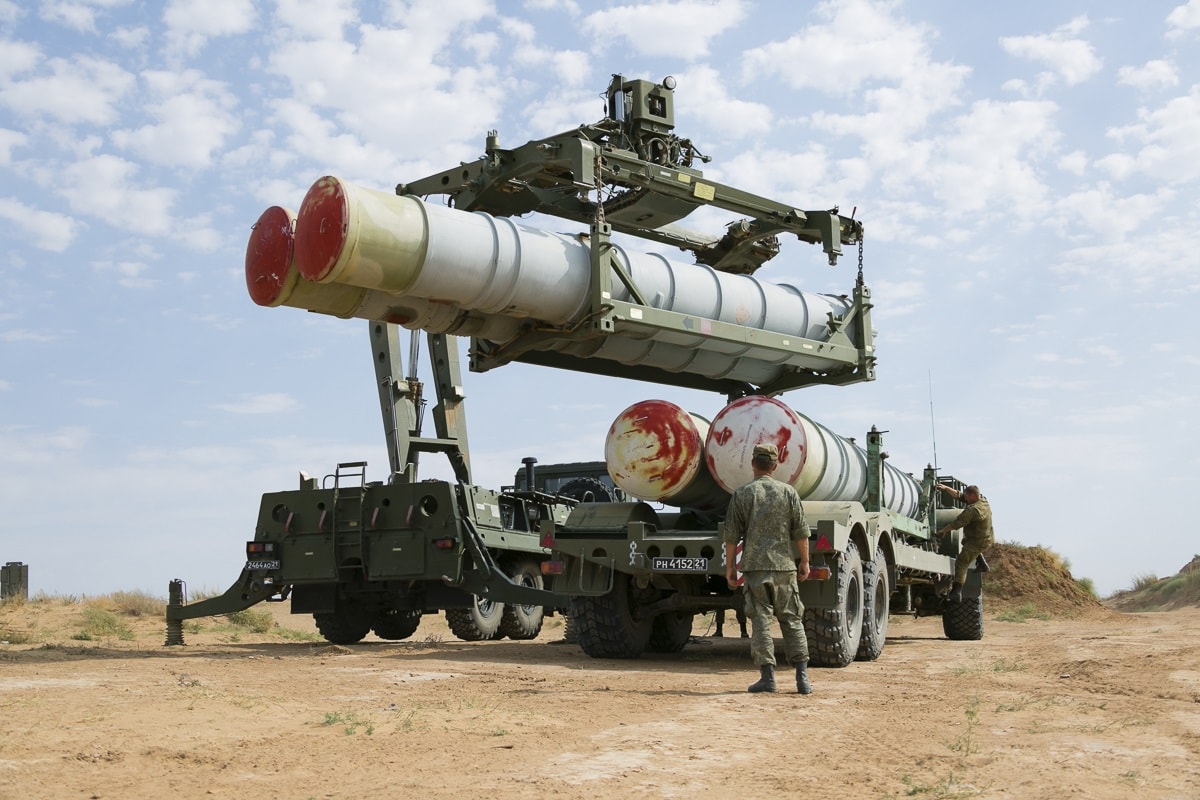
This encapsulates the essence of the phenomenon. Russia is not creating new weapons; it is converting old stockpiles: missiles that have exhausted their service as anti-aircraft systems are getting a second life as unguided ballistic weapons targeting areas. This resembles the Soviet practice of the 1970s, when decommissioned missiles were turned into targets for exercises. Today, the process has reversed: targets are becoming weapons. In the 1990s, decommissioned 5V55 missiles were sold for a pittance; now they are being retrieved from storage to launch at residential areas. There is something desperate about this, which is carefully masked in official rhetoric as improvisation.
Production Arithmetic
Skibitsky asserts: Russia has halted the production of missiles that Ukraine intercepts with high efficiency — primarily the X-101 cruise missiles — and redirected components to increase the output of Iskander-M and S-400 systems in strike capacity. According to him, the industry is exceeding plans in almost all categories. Current production is over 100 ballistic and hypersonic missiles per month; in the first week of August, 56 were launched at Ukraine. Some of the launches likely come from accumulated stockpiles: Moscow is building reserves for a massive winter campaign against energy infrastructure, which caused Ukraine damage of up to $70 billion last winter (Al Jazeera, August 2026).
Official figures are likely inflated — as is everything that passes through the filters of military propaganda. But even inflated, they indicate the direction: the Kremlin is betting on ballistic missiles as the only class of missiles that can reliably penetrate Ukrainian air defenses. Cruise missiles are expensive, they are intercepted, and their production requires scarce electronics. The Iskander and S-400 in ballistic mode fly faster than the Patriot can react when its ammunition is depleted. The logic is cynical but consistent.
The Cost of the Issue
The flip side is self-defense. Russia is converting anti-aircraft missiles into strike weapons at a time when Ukrainian drones and cruise missiles can reach Samara, Savasleyka, and Rostov. Each 48N6 transferred to the "strikers" is an interceptor that is no longer available in the air defense arsenal. However, most of the converted missiles have already served their purpose, and their value for defense is minimal — this is the main cynical finding: to use what would have been decommissioned anyway. But the plan for 2026 — over 480 units — is no longer disposal but a conveyor belt that takes away capacity from the production of new anti-aircraft missiles.
The weak point is accuracy. The RM-48U and 48N6 in ballistic mode are not designed for precision strikes; their role is to saturate air defenses and strike areas, cities, and infrastructure. This is why they are mixed in the same salvos with real Iskanders and Zircons: the defender cannot distinguish a combat missile from an ersatz until it has fallen. Ukrainian sources suggest that some RM-48U missiles are launched without a warhead at all — as decoys. From the attacker's perspective, this is rational: a cheap "zombie" forces the expenditure of a scarce interceptor. From the perspective of residents in frontline cities, the difference is minimal: a strike on the ground is a strike on the ground.
What’s Next
Former Ukrainian Defense Minister Mykhailo Fedorov states that in three to six months, Kyiv will have its own ballistic missiles and calls for a "counter-ballistic war": "The Russians must understand that within minutes of launching, the entire team that fired the missile will die from our ballistic missile" (interview with CBS, August 2026). For now, this is a declaration, although Fire Point has already conducted a test launch in June.
If Ukraine acquires ballistic capabilities, the entire structure — Iskander-M plus converted anti-aircraft systems — will come into question: Russian launchers will become targets, not just means. The paradox is that Russia, which has spent years building strike ballistic capabilities and convincing itself of their invincibility, may find that this logic has turned against it.
My forecast, with caveats. In the winter of 2026–2027, Russia will continue to increase ballistic strikes — ersatz missiles will allow maintaining the pace even amid a shortage of Iskanders. But each month of converting anti-aircraft missiles is a month in which Russian air defense does not receive new interceptors, while Ukrainian drones reach deeper. If Ukrainian ballistic capabilities indeed emerge in early 2027, Moscow may find that it has traded its air defense for missiles that cannot hit accurately. The conveyor will survive the winter. The question is what will remain of the sky over Russia by spring.
Russian forces launched 198 ballistic and hypersonic missiles at Ukraine in July 2026, utilizing S-400 systems for ground strikes. This marks a significant increase in missile activity, as previous months saw lower numbers. The repurposing of air defense missiles for offensive operations indicates a strategic shift in Russia's military approach amid ongoing conflict.
- Russia launched 198 ballistic and hypersonic missiles in July 2026, a record for the year.
- S-400 systems are being repurposed for ground strikes, indicating a shift in military strategy.
- Ukraine received significantly fewer air defense missiles in 2026 compared to the previous year.