
The second Iranian attack on ADNOC ships in Hormuz within a week activates a naval coalition of 15 countries led by Saudi Arabia.
 Ahmed Al-Rashid
The Second Iranian Attack on ADNOC Ships in Hormuz Within a Week Activates a Naval Coalition of 15 Countries Led by Saudi Arabia
On Thursday evening, in the Strait of Hormuz, which is no longer a strait in the sense we once knew, two ships belonging to the Abu Dhabi National Oil Company (ADNOC) were attacked by Iran while transiting the passage. The company announced early Friday that the attack resulted in no injuries and that the situation is "under control," but the message that the Iranian Revolutionary Guard wanted to convey needs no further clarification: no Gulf ship is safe in this passage, even if it flies the flag of a country that has not participated directly in the war.
Event: Two Ships in One Night
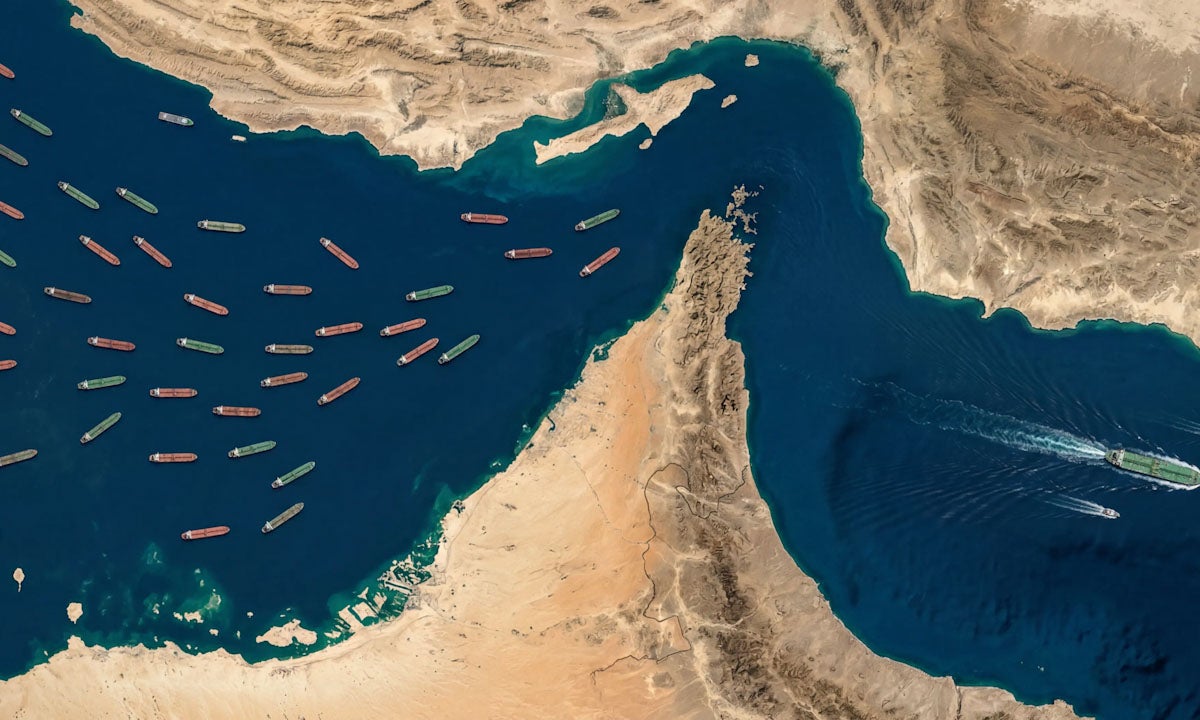
This attack is the second in less than a week; last Saturday, the Revolutionary Guard targeted an ADNOC tanker with a missile in the same passage, which was condemned by Abu Dhabi and Qatar. According to the company, the total number of ADNOC ships targeted since the outbreak of the U.S.-Israeli war on Iran in February has reached 15, a figure that places the UAE at the forefront of Gulf countries affected by the effective closure of the strait that has continued since then.
From a military perspective, the choice of ADNOC ships specifically is not a coincidence; they are the lifeline of Emirati oil, and hitting them is an economic message directed at Abu Dhabi as much as it is a military one. Any military personnel who has served in the region knows that the Revolutionary Guard does not choose its targets randomly, and targeting the ships of a "neutral" state is a declaration that escalation is an open door and that the truce is incomplete.
Abu Dhabi's Reaction: The Language of "Piracy" and Resolution 2817
The UAE Ministry of Foreign Affairs did not hesitate to describe the attack as an "act of piracy" by the Revolutionary Guard, and a blatant violation of Security Council Resolution 2817, which guarantees freedom of navigation and rejects aggression against commercial vessels. Notably, Abu Dhabi spoke of the "direct threat to the stability of the region and global energy security," a framework that no longer limits itself to defending its ships but extends to protecting the entire global economy.
Bahrain immediately joined the condemnation, announcing its "full solidarity" with the UAE, while the Revolutionary Guard has not commented on the incident as of the writing of this article. The Iranian silence here is intentional; Tehran wants to keep ambiguity as a pressure tool, while at the same time discussing new arrangements for managing the strait with Oman.
The New Naval Coalition: 15 Countries and Saudi Leadership
Hours before the attack, the Saudi Ministry of Defense announced that 15 countries had signed a joint statement to establish a multinational naval coalition, following the third planning meeting in Jeddah. Thirteen countries completed their national procedures and officially signed the coalition charter, with Saudi Arabia taking the lead with a Saudi officer and a Pakistani deputy.
- Signing countries: Saudi Arabia, Kuwait, Bahrain, Qatar, Pakistan, Turkey, Egypt, Jordan, Yemen, Bangladesh, Nigeria, Sudan, Djibouti, Somalia
- Timing: Following the establishment announcement on July 30, and the third planning meeting in Jeddah
- Leadership: Rear Admiral Abdullah bin Salem Al-Shahri as commander, and a Pakistani deputy
Practically, this coalition primarily covers the Bab el-Mandeb, Red Sea, and Gulf of Aden corridors, which are the operational theater of the Houthis, but the timing of the announcement of "actual activation" just days after the targeting of ADNOC tankers in Hormuz carries a broader signal: Riyadh is betting on a regional naval role that cannot be separated from the Strait of Hormuz itself.
Who Really Protects the Strait? A New Carrier on the Way
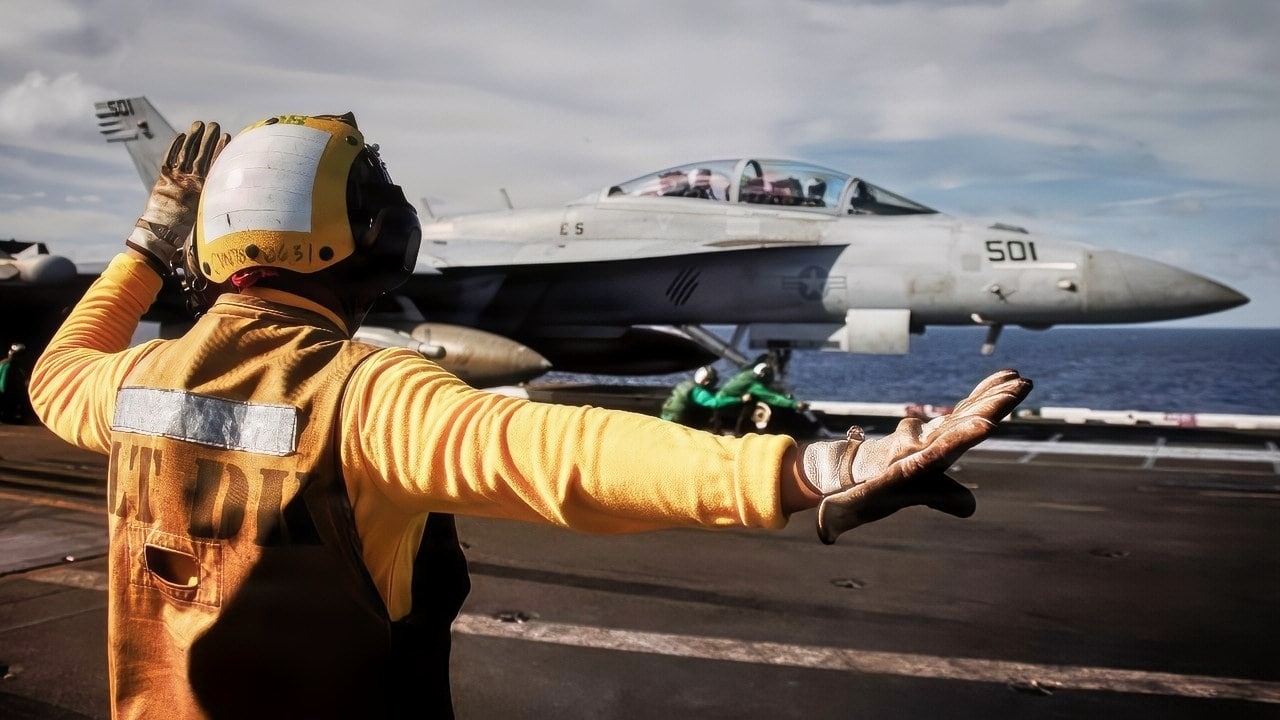
Meanwhile, the U.S. military announced the deployment of the aircraft carrier George Washington to the Middle East to relieve the Abraham Lincoln, which has spent over 265 days at sea in its longest deployment. Washington affirms its ability to continue the naval blockade against Iran "indefinitely," as Defense Secretary Hegseth stated, while Tehran wants to impose fees for transiting the strait, which Washington rejects with its own blockade on Iranian shipping.
The scene, then: two opposing blockades, a new regional naval coalition being born on paper, and Gulf ships being targeted in the passage through which about a third of global oil supplies flow. This leads us to the question that everyone avoids: what is an Arab naval force doing in a strait it does not control?
The Cost of Closure: Seven Ships in a Strait That Used to See Over a Hundred
Numbers alone are enough: last week's reports indicated that traffic in the strait has dropped to about seven ships daily, in a passage that used to see over a hundred ships before the war. Insurance companies no longer cover voyages except at exorbitant premiums, and Gulf ports are rearranging supply chains towards alternative routes. This is the price everyone is paying, while both sides exchange accusations about who closed the strait first.
Conclusion: Signature Papers That Do Not Arrange Warships
"New alliances add signature papers, but they do not add a single warship to the passage."
What has transpired in recent days reveals the same structural gap we have long talked about: the Gulf buys security from abroad and signs alliances, while the real fate of the strait remains in the hands of two external powers, America that is blockading, and Iran that is targeting. The new coalition of 15 countries is an important political step, but it will not deter a single missile unless it is translated into real escort capabilities: ships, warning systems, support bases, and ongoing training. As long as the focus remains on the "number of countries" instead of "fleet capabilities," ADNOC ships will continue to pay the price in Hormuz, and condemnation statements will continue to be issued every Friday.
Iranian Revolutionary Guard Corps attacked two ADNOC vessels in the Strait of Hormuz, marking the second incident in a week. The UAE condemned the attacks as acts of piracy, while a new maritime coalition of 15 nations led by Saudi Arabia was established in response. This escalation highlights the ongoing threats to maritime security in the region, with significant implications for global oil supply routes.
- Two ADNOC vessels were attacked by Iranian forces in the Strait of Hormuz.
- This is the second attack on ADNOC vessels within a week.
- A coalition of 15 nations led by Saudi Arabia has been formed in response to these attacks.
- The UAE condemned the attacks as acts of piracy and violations of international law.
- The situation has led to a significant decrease in maritime traffic through the Strait of Hormuz.