

Summary and Key Points: Iran operates the world’s largest F-4 Phantom II fleet, the remnant of 225 jets the Shah bought in the 1960s and 1970s, which made Iran the fifth-largest air force in the world. The Phantoms scored 10 to 15 air-to-air kills in the Iran-Iraq War, but more than half the fleet was lost. About 60 were still operational in 2021; US strikes in Operation Epic Fury destroyed at least one, and Iran has reportedly kept flying F-4 sorties.
Iran Won’t Let the F-4 Phantom Die
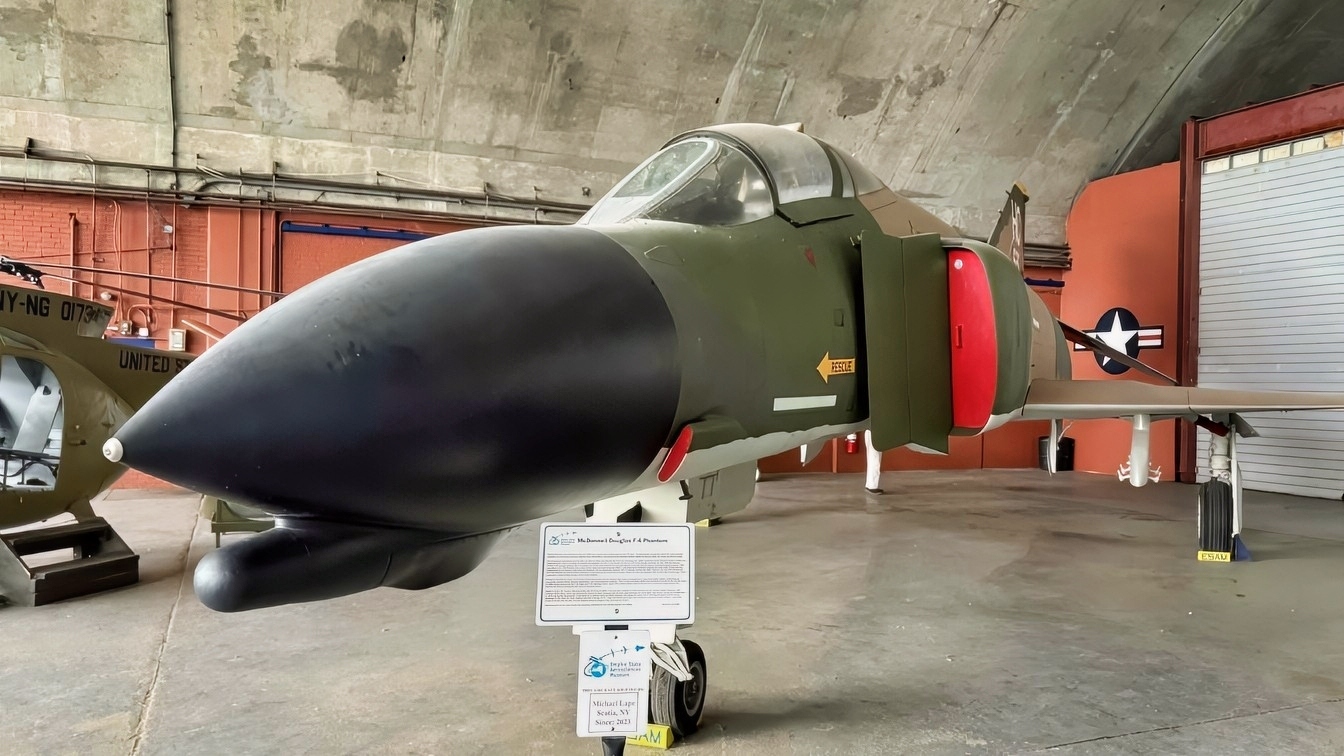
F-4 Phantom 19FortyFive Photo
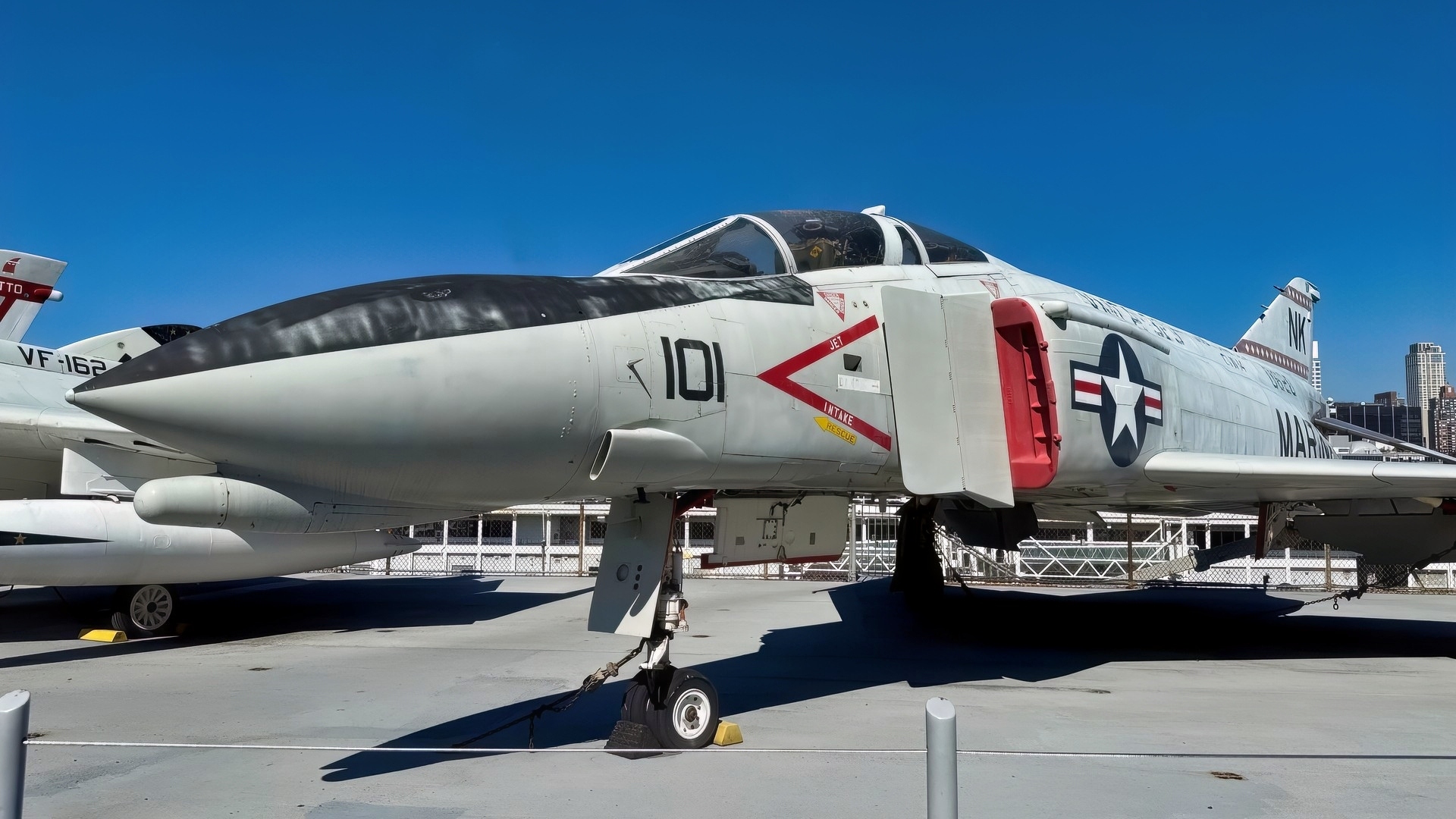
F-4 Phantom Fighter Aboard USS Intrepid Aircraft Carrier 19FortyFive Photo by Harry J. Kazianis
The F-4 Phantom II is a Cold War-era fighter jet and a true piece of aviation history. The aircraft saw widespread use during the Vietnam War and has flown for multiple nations, including the U.S., the UK, Australia, Japan, Israel, South Korea, and more.
Only a handful of nations still operate the F-4, with Iran leading.
The Iranian air force (IRIAF) currently operates the world’s largest fleet of F-4 Phantom IIs.
Some estimates suggest around 60 Phantoms were still operational in the IRIAF in 2021, though that number is undoubtedly much lower now.
Despite its obsolescence, Iran continues flying its F-4s, as the isolated nation struggles to find a suitable replacement.
The History of Iran’s F-4s
In the 1970s, the Kingdom of Iran, ruled by Shah Mohammad Reza Pahlavi, maintained favorable relations with the U.S. and the UK and purchased large quantities of weapons from both nations.
In the 70s, Iran sought to become a major regional power and began arming itself with contemporary Western military equipment.
This militarization was enabled by the threat posed by Iraq and its deepening military ties with the Soviet Union.
Following the Arab-Israeli war in 1973, Iran profited heavily from high oil prices, which made up the majority of its revenue.
The Shah used this windfall to invest heavily in modernizing the Kingdom’s military.
Iran placed multiple orders for tanks, naval vessels, and aircraft, most of which would not be delivered before the Islamic Revolution.
During this period, Iran ordered 3,000 M60 Main Battle Tanks from the U.S., of which only 460 were delivered and still form the backbone of Iran’s tank forces.
Shah Pahlavi, a licensed pilot himself, took particular interest in modernizing the Imperial Iranian Air Force (IIAF).
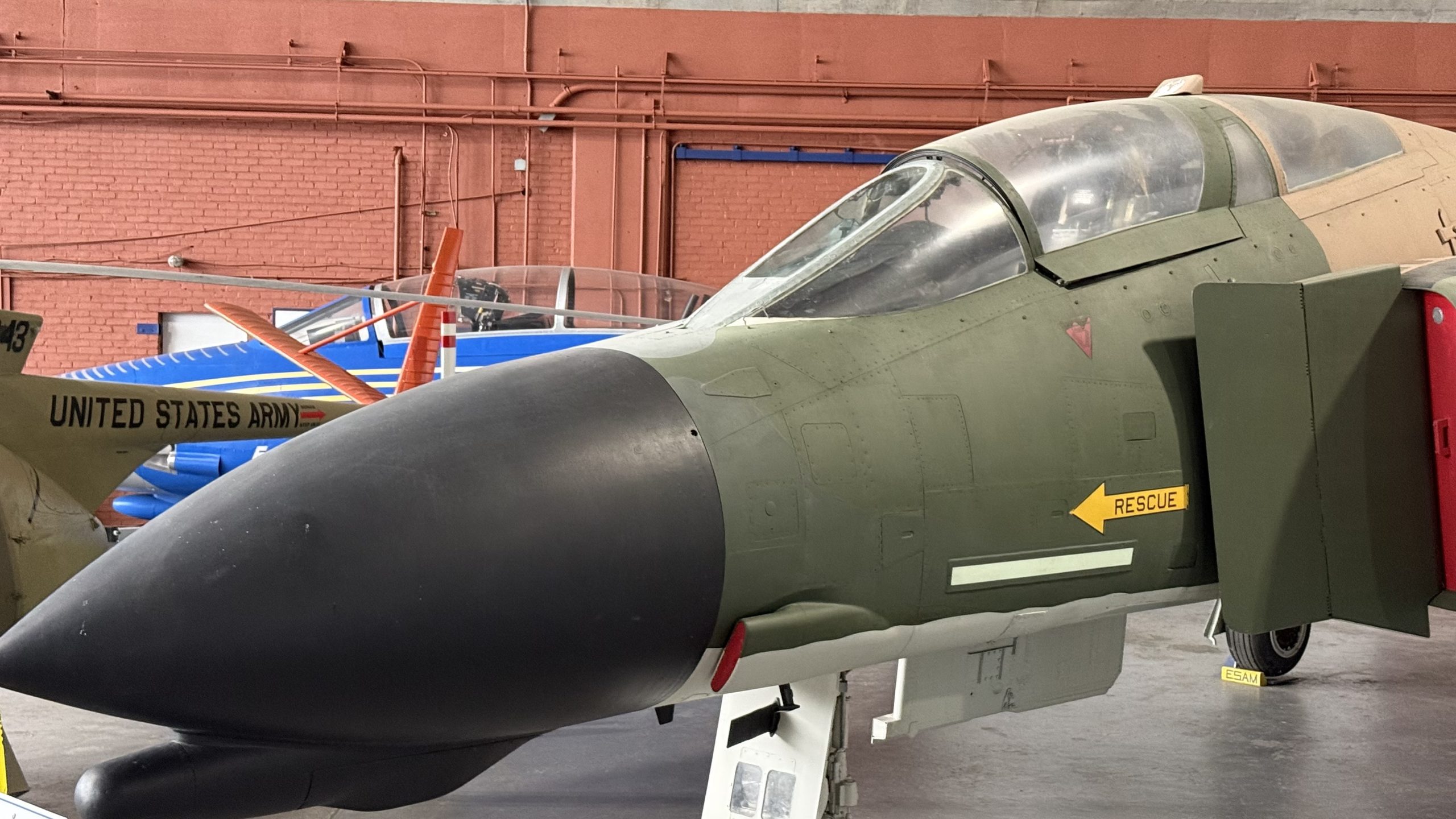
F-4 Phantom. 19FortyFive museum visit and photo shoot.
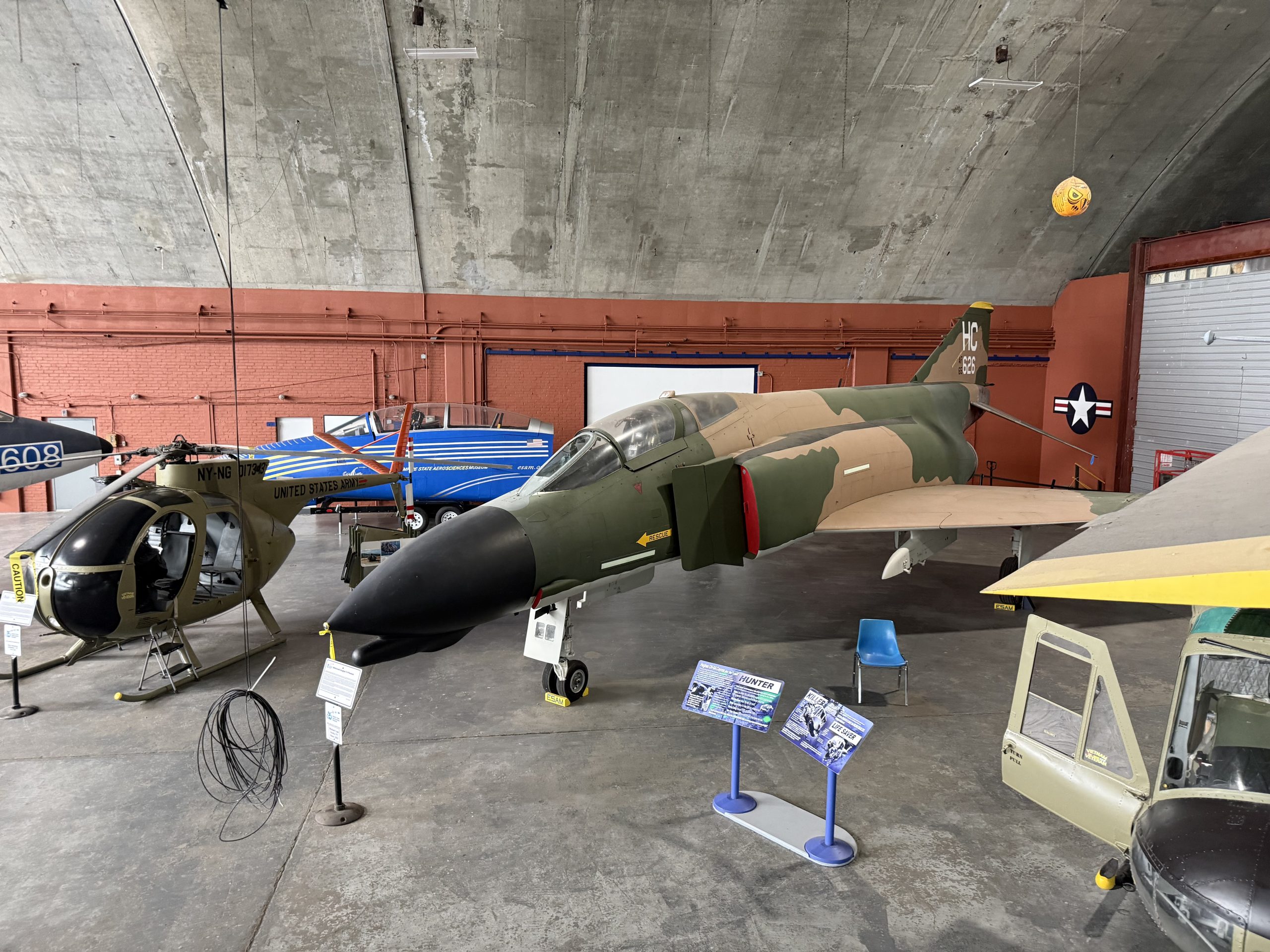
F-4 Phantom. 19FortyFive museum visit and photo shoot.
Iran needed a formidable interceptor to deter the Iraqi Air Force, specifically its MiG-25 Foxbats conducting reconnaissance over Iranian territory.
Unfortunately, the F-4 was not suited to this task, though the IIAF still purchased Phantom IIs in large numbers.
From the 1960s to the 1970s, Iran purchased 225 F-4D, F-4E, and RF-4E Phantoms, making it the second-largest F-4 export customer.
The IIAF also purchased the F-4 in tandem with the F-5 Tiger II, which it acquired in large numbers.
These purchases, along with the F-14 Tomcat procurement, made the IIAF the largest air force in the Middle East and the fifth-largest in the world.
The Shah originally planned to phase out Iran’s F-4 and F-5 fleet with F-16s, though the Islamic Revolution ensured that Iran would never get its hands on any more American fighter jets.
Baptism by Fire
Despite the political chaos caused by the Islamic Revolution, the IIAF, now the IRIAF, maintained its readiness, ensuring that its aircraft could fly at any moment if Iraq tried to capitalize on the internal chaos.
Fears of an invasion were spot on as Iraq launched a surprise attack against Iran’s air bases, aiming to cripple the IRIAF, along with a full-scale ground assault.
Due to insufficient intelligence, the attacks against Iranian airbases were unsuccessful, and the IRIAF quickly mobilized for a counterattack.
The Iraqis evidently hadn’t expected such a quick response, as F-4s and other fighters launched multiple attacks against Iraqi military installations with near impunity.
As the war progressed, however, Iraq’s air defenses grew accustomed to Iranian air tactics and prevented the IRIAF from attacking major military installations and cities.
The F-4 was frequently used for close air support to stop advancing Iraqi ground forces.
In response, Iraq often deployed MiG-21/23 fighters for cover, leading to multiple air-to-air engagements that the F-4 was often unprepared for.
The aircraft scored around 10-15 air-to-air kills during the war, with some pilots, like Abbas Afkhami, scoring as many as four confirmed air kills.
As the war raged on and the IRIAF lost some of its most experienced pilots, F-4 losses mounted.
Some of the losses are attributed to improved Iraqi air-defense tactics, while others to more advanced aircraft like the Iraqi F-1 and the MiG-25.
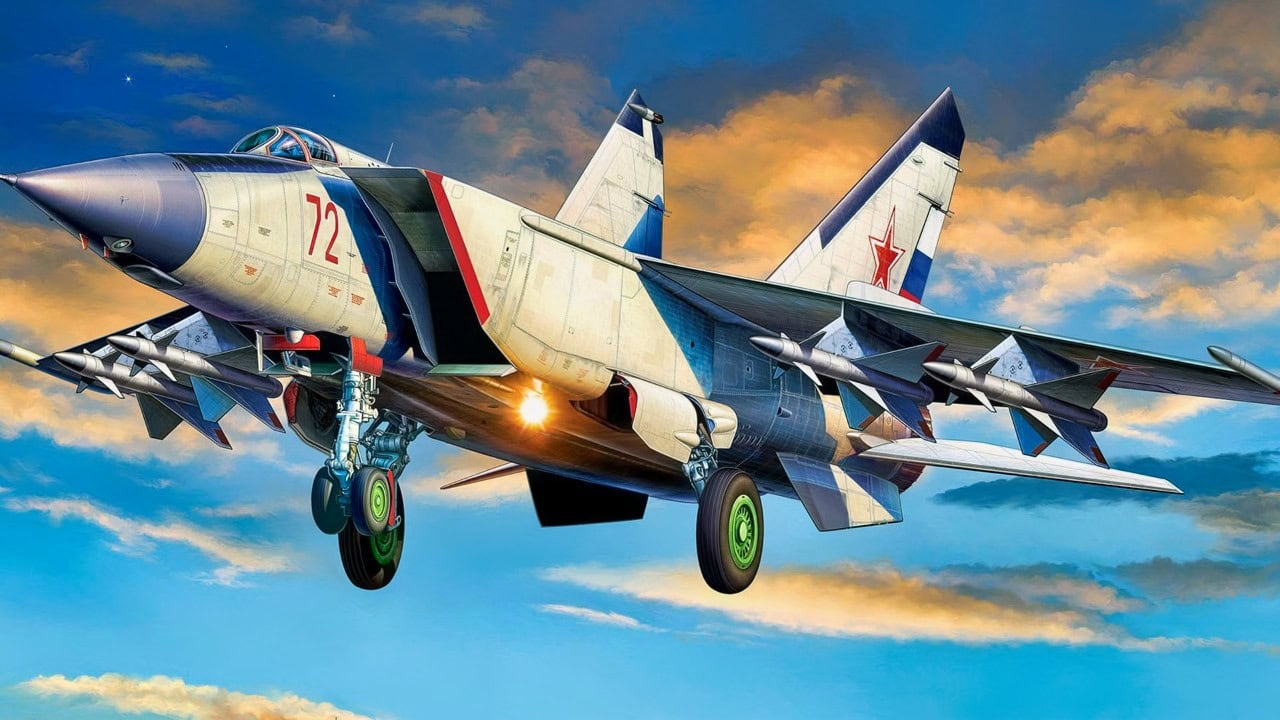
MiG-25 Russian Fighter-Bomber. Image Credit: Creative Commons.
Overall, the F-4 performed valiantly during the Iran-Iraq War, but suffered heavy casualties, with over 50% of its fleet lost, exacerbated by a lack of spare parts.
What’s the Status of Iran’s Phantoms?
Like with the F-14, the U.S. attempted to prevent Iran from acquiring spare parts for its Phantom II fleet.
However, because the F-4 was manufactured in much greater numbers than the Tomcat, and because some nations like Greece and Turkey still use the F-4, spare parts for the Phantom, while rare, were not nearly as hard to come by.
The main issue for Iran’s F-4s is not necessarily spare parts, but the airframes’ age. The Phantom is an old and obsolete aircraft.
Even as the Kingdom of Iran purchased the aircraft, the Shah was already envisioning its replacement.
50 years later, the IRIAF’s F-4s have aged, their airframes likely worn out by decades of fatigue.
Despite their age, the IRIAF continues to operate its aging F-4 fleet.
Before the 12-Day War with Israel in 2025, some analysts estimated that Iran operated fewer than 60 combat-ready aircraft.
Earlier this year, during Operation Epic Fury, the U.S. struck multiple facilities belonging to the IRIAF.
Visual evidence shows that the U.S. targeted and destroyed at least one F-4 Phantom.
Throughout the war, Iran has reportedly launched multiple sorties using F-4s. It is currently unknown how many Phantoms remain airworthy.
About the Author: Isaac Seitz
Isaac Seitz, a Defense Columnist, graduated from Patrick Henry College’s Strategic Intelligence and National Security program. He has also studied Russian at Middlebury Language Schools and has worked as an intelligence Analyst in the private sector.