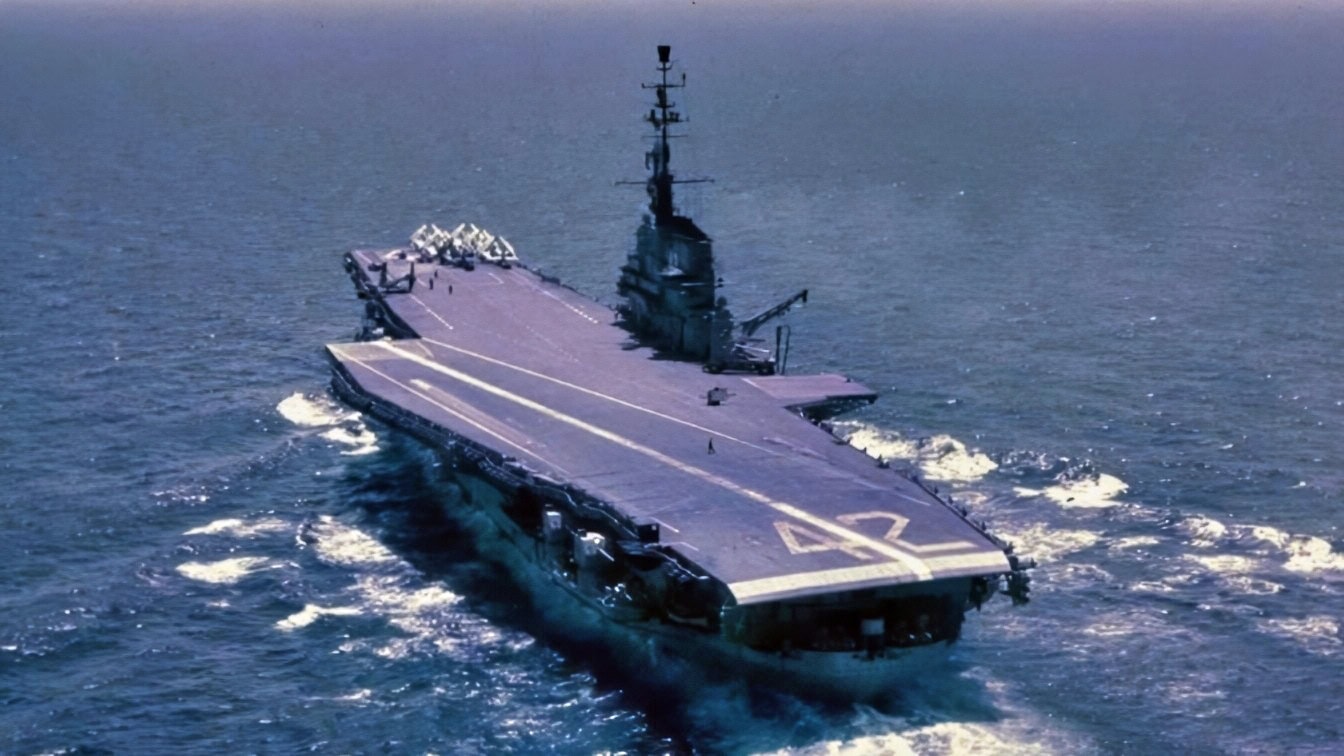
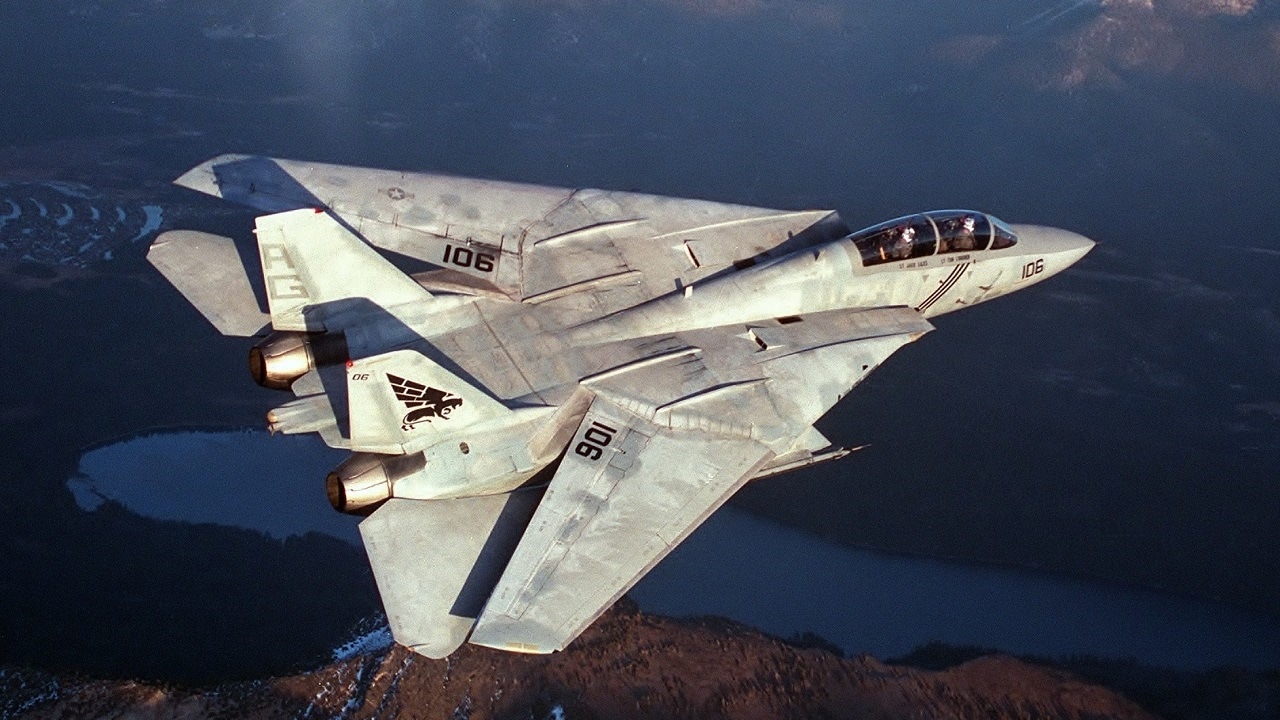
The Tomcat was built for one specific strategic problem: keeping Soviet naval aviation regiments armed with long-range anti-ship missiles away from a carrier battle group. The answer Grumman produced was less an agile dogfighter than a mobile radar and missile battery. The AN/AWG-9 could hold two dozen tracks while the AIM-54 Phoenix reached beyond 100 nautical miles, letting a small number of aircraft screen an enormous volume of ocean. That pairing shaped US carrier air wing structure for three decades and had no true equivalent in any other navy.
The same specialisation became the type's constraint. The variable-sweep wing and the early TF30 engines made the F-14A maintenance-intensive and, in the A model, prone to compressor stalls at high angle of attack; the F110 re-engining of the F-14B and F-14D fixed much of that but arrived late in the programme. When the Soviet bomber threat receded, the Navy chose a cheaper, more supportable multirole airframe over a smaller fleet of specialised interceptors, and the F/A-18E/F displaced the Tomcat in 2006 even though the newer aircraft offered less unrefuelled reach.
Iran remains the postscript. Cut off from US spares after 1979, the IRIAF sustained a Tomcat force for over four decades through reverse engineering, cannibalisation and locally substituted avionics - an unusual case study in long-term sustainment under sanctions. Israeli strikes in 2025 and March 2026 are reported to have destroyed the bulk of that fleet; the practical result is that the F-14's operational history is likely closing, while the design's influence on carrier air defence doctrine outlasts the airframe.