

Summary and Key Points: Critics called the Bradley an aluminum death trap, and it took 10 years to get past Congress. Then 2,200 Bradleys went to the first Gulf War, destroyed more Iraqi tanks and armored vehicles than the M1 Abrams, and lost only 3 to enemy fire.
The Bradley Fighting Vehicle Just Won’t Go Away
The US Army plans to replace some of its 7,300 Bradley Fighting Vehicles in M2 and M3 variants with a new model called the XM30 Mechanized Infantry Combat Vehicle (MICV).
The XM-30 will feature a hybrid electric powerplant and an unmanned turret with a 50mm gun, replacing the Bradley’s 25mm Bushmaster gun.
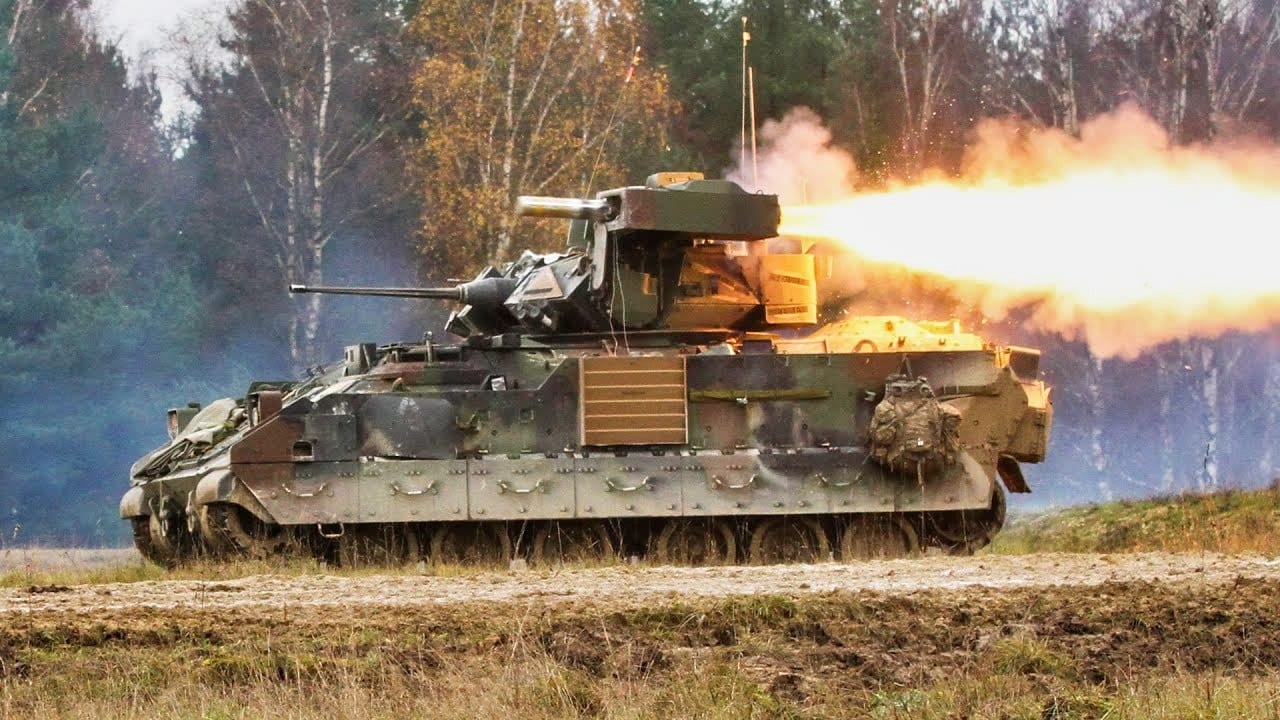
M2 Bradley. Image Credit: Creative Commons.
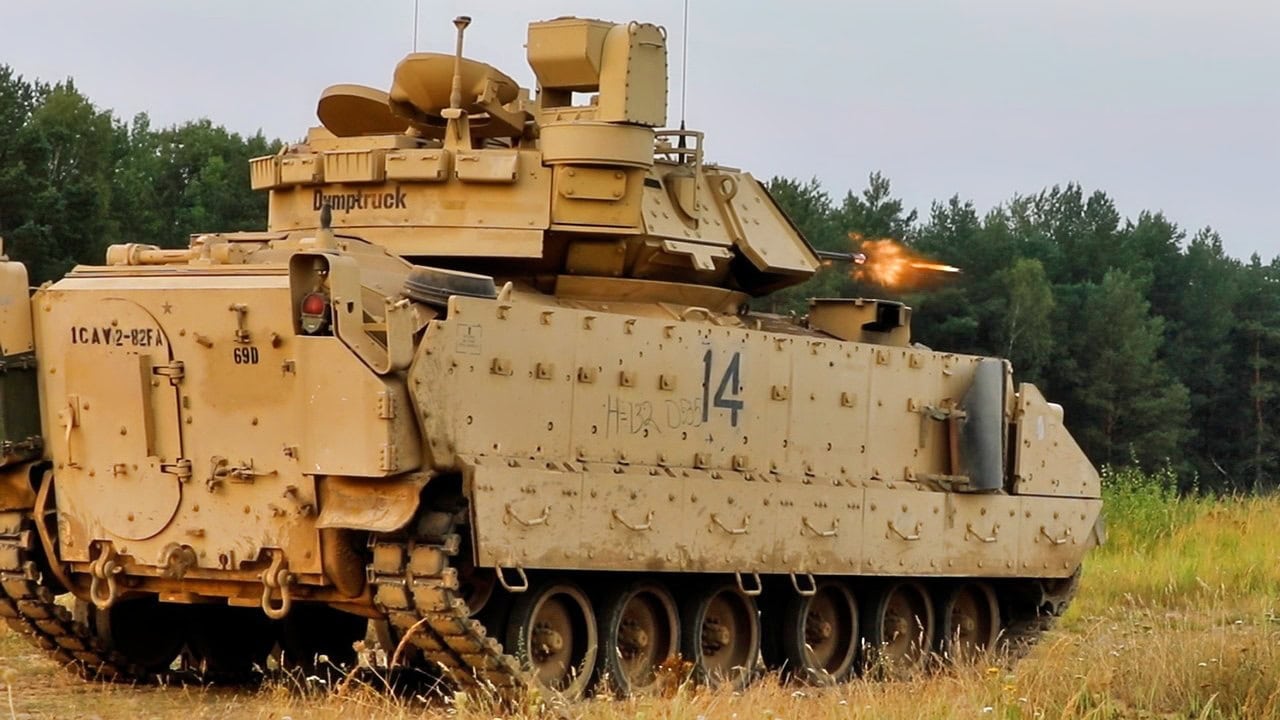
Troopers with 3rd Armored Brigade Combat Team, 1st Cavalry Division firing the 25mm canon on a Bradley fighting vehicle in order to zero the vehicles weapons systems at a range in Poland. Ranges such as these familiarize troopers with the vehicles systems in order to ensure combat readiness.
Currently, two competing XM-30 prototypes have been delivered to the Army—one by General Dynamics Land Systems and another by American Rheinmetall Vehicles.
The two XM30 prototypes are currently at Fort Irwin, California, for intensive field maneuvers, gunnery, and mobility trials.
In March 2027, they will be handed over to 1st Cavalry Division Army personnel at Fort Hood, Texas, for crew testing and evaluation.
The final choice among the two prototypes will be made in mid-2027
The Bradley Was Said To Be Unsurvivable From The Start.
From the start, critics said replacing the M113 Armored Personnel Carrier with the Bradley was a terrible choice.
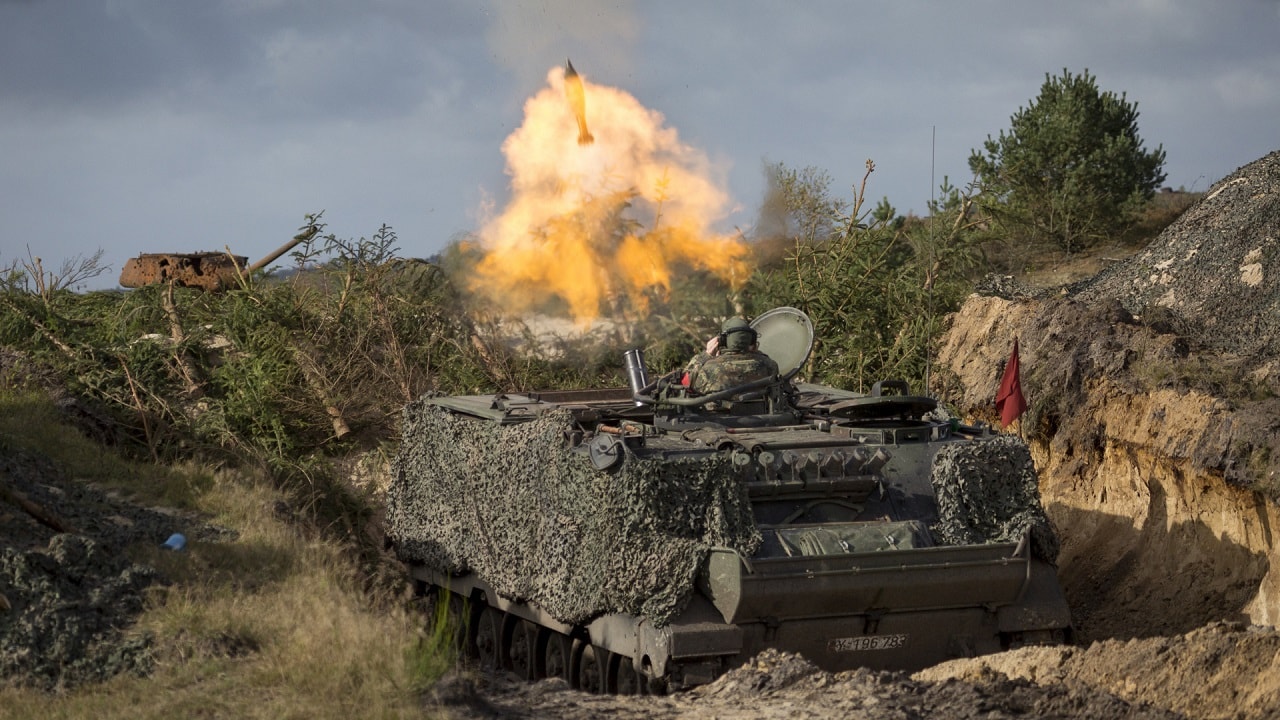
M113. Image Credit: Creative Commons.
It was said its thin aluminum armor was vulnerable to even medium-caliber guns and would be a death trap for the crew inside.
Critics accused the Army of mission creep for trying to combine the roles of scout, tank-killer, amphibious transport, and troop transport into a single vehicle.
The Bradley design was taking another hit for its internal storage of ammunition for its 25mm gun and TOW anti-tank missiles, which were expected to explode and kill the crew if their vehicle was hit.
During testing in the mid-1980s, the Army was accused of trying to rig a live-fire test at the proving grounds in Aberdeen, Maryland, to downplay survivability concerns about the Bradley.
It took the Army a full 10 years to overcome Congressional objections to the Bradley before it could finally enter fully funded production.
In its favor were the Bradley’s exceeding of performance and reliability benchmarks and the specter of mass production of the Soviet BMP-1, a cannon-armed armored personnel carrier the US needed a counter to.
The Army Fought Hard For The Bradley And Almost Immediately Wanted To Replace It.
Almost as soon as the Army started getting Bradleys off the production line, it was already looking for a replacement.
First came the Armored Systems Modernization program, which sought to create a common heavy combat vehicle and ran into the 1990s before the Army abandoned it.
Then came the Future Combat Systems program, a network-centric modernization effort that spent $21 billion without success before the Army canceled it in 2009.
2009’s Ground Combat Vehicle Program might have also replaced the Bradley, but the Army scrapped it because it was well over weight limits and over budget.
Finally, in 2018, the Army began the XM30 program to attempt once again to kill the Bradley.

XM-30 Image. Defense Contractor Handout.
The Bradley Decisively Proved Its Critics Wrong With An Impressive Battle Record
Since its introduction, the Bradley has also proven itself pretty unkillable on the battlefield.
In the first Gulf War, Bradley fighting vehicles destroyed more Iraqi tanks and armored vehicles than the M1 Abrams tank.
Some 2,200 Bradleys were used, with only 3 lost to enemy fire, and crew survivability proved to be remarkable against the original claims that it would be a death trap for its crews.
During the invasion of Iraq in 2003 and a counterinsurgency lasting into 2011, the Bradley earned praise as an armored troop transport and fire-support platform for the infantry.
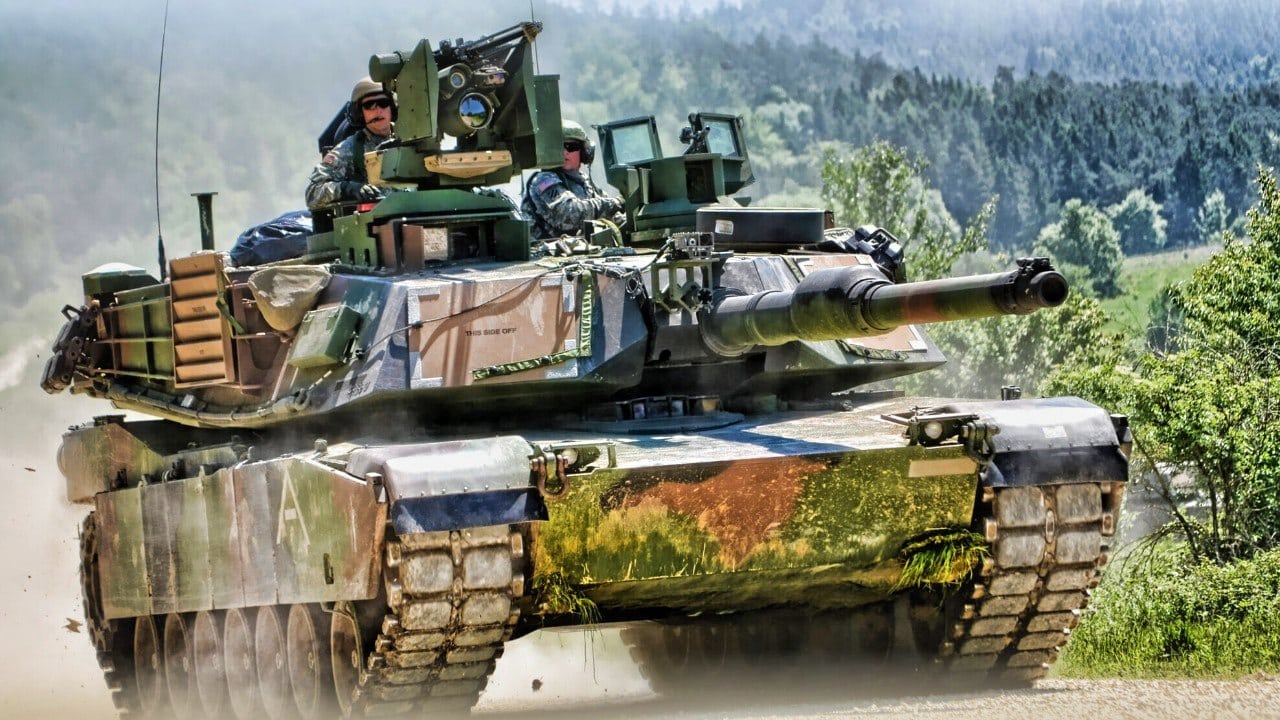
Poland M1 Abrams Tank. Image Credit: General Dynamics.
Rather than operating off-road and engaging tanks and armored vehicles, Bradleys were used in urban environments and were often restricted to road travel.
As a result, some 150 of the AFVs were destroyed over the years, with many hundreds damaged, but the vehicle proved its worth by keeping crew fatalities low.
The XM-30 Has Big Shoes To Fill In Replacing The Bradley Armored Fighting Vehicle
Over its 45-year lifespan in the Army, the Bradley has come in several models.
The M2/M3A2 & M3A3 models make up the vast majority of the 7,000+ in service.
The M2A4/M3A4 variants are modern upgrades with increased torque and horsepower, crew protection, and fire control systems.
The M7 BFIST targets and coordinates artillery fire.
Whether the new XM30 will ultimately replace the Bradley remains to be seen.
Thus far, for a vehicle critics originally condemned as unsurvivable, the Bradley has successfully fought off everything and everyone that has tried to eliminate it.
About the Author: Sean Spoonts
Sean Spoonts is the former Editor-In-Chief of SOFREP.com. He is a military analyst, writer, and commentator whose work has appeared in Newsweek, CNS News, Ukrinform, and various military/veteran media networks and professional publications, including the Military Intelligence Professional Bulletin. He is a U.S. Navy veteran, having served as an Aviation Anti-Submarine Warfare Operator and Search and Rescue Helicopter Aircrewman.