
Two Russian Starlink rival satellites set to fall from orbit
Two satellites from Russia’s Rassvet broadband constellation, the country’s answer to SpaceX’s Starlink, are expected to fall back into the atmosphere and burn up within the next day or two after failing to raise their orbits, Harvard-Smithsonian astrophysicist and satellite tracker Jonathan McDowell said, while most of the other Rassvet-3 satellites have now settled into their working altitude.
“Most of the rest are stable at 500 km,” said Jonathan McDowell, who published an updated chart of the constellation’s orbit raising showing the bulk of the satellites from both 2026 launches flattening out at about 510 km (317 miles), while two satellites from the second batch have sunk below 230 km (143 miles) and are dropping fast.
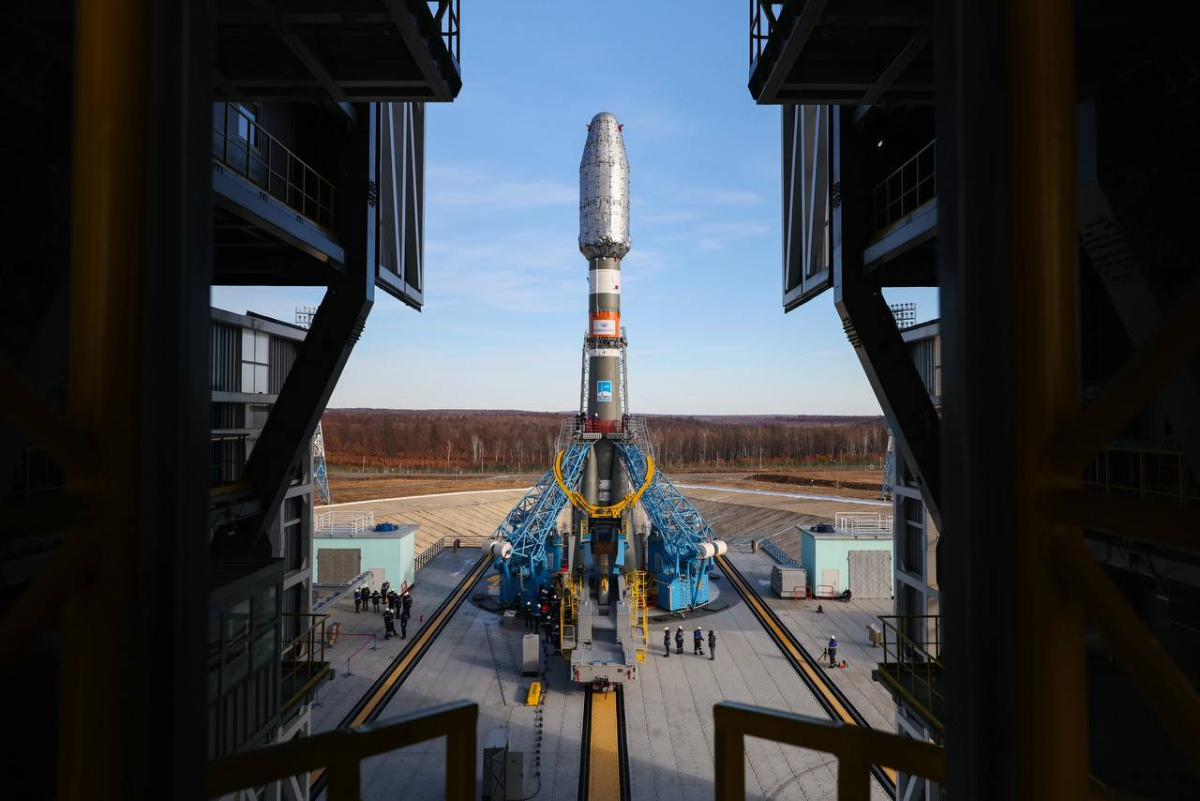
The two failing satellites come from the second group of 16 Rassvet-3 spacecraft that Bureau 1440 launched on a Soyuz-2.1b rocket from the Plesetsk Cosmodrome on July 19, 2026, and by late August tracking data already showed a pair from that batch heading toward reentry without ever performing orbit-raising maneuvers, after they slipped below 300 km (186 miles).
Their loss would bring the number of Rassvet satellites lost since the program began flying operational spacecraft this year to three out of 32, after the constellation lost its first satellite in June, when Object 4 from the first batch, launched on March 23, 2026, reentered without having made a single maneuver.
McDowell’s chart also shows that a handful of other satellites from both batches are still below the target altitude, with one first-batch satellite holding at about 345 km (214 miles), another climbing past 470 km (292 miles), and one second-batch satellite at about 363 km (226 miles), although it does not indicate whether those spacecraft are still working.
Rassvet is being built by Bureau 1440, a private company that began as a research office inside Russian mobile operator MegaFon, and the system is meant to provide satellite internet across Russia, with partial commercial service planned for 2027, subscriber terminals said to weigh under 15 kg (33 pounds) and the company aiming for 292 satellites by the end of 2027 and up to 900 by 2035.
Neither Roscosmos nor Russia’s Ministry of Defense has announced the Rassvet launches, and in August the constellation was already providing at least two daily coverage windows over Ukraine lasting more than an hour each, raising concerns that Russian forces could eventually use it the way Ukraine’s military relies on Starlink.
Content preview only. Full article available at source. View Full Article
Two Rassvet-3 satellites from Russia are expected to fall back into the atmosphere and burn up within the next day or two after failing to raise their orbits. Most of the other satellites in the constellation are stable at 500 km. The failing satellites were launched on July 19, 2026, and their loss would increase the total number of Rassvet satellites lost to three out of 32 since the program began.
- Two Rassvet-3 satellites are expected to fall back into the atmosphere within the next day or two.
- Most Rassvet-3 satellites are stable at 500 km altitude.
- The failing satellites are from the second batch launched on July 19, 2026.
- Three out of 32 Rassvet satellites have been lost since the program began.
- The Rassvet constellation is intended to provide satellite internet across Russia.