
Ukraine's 2026 Space Force Takes Aim at Russia's Rassvet Network
 Alexandra Reeves
Ukraine's 2026 Space Force Takes Aim at Russia's Rassvet Network
Ukraine is turning a battlefield lesson into a new military branch. Parliament has backed a bill in its first reading to create Space Forces within the armed forces, a move that says more about the next phase of the war than about rockets or astronauts.
The immediate problem is brutally practical: satellites now help decide which drone finds a target, which missile arrives first, and which unit can still communicate after Russian jamming begins. Kyiv is trying to build a command structure for that fight while the fight is already underway.
Ukraine's New Military Branch Is About Networks
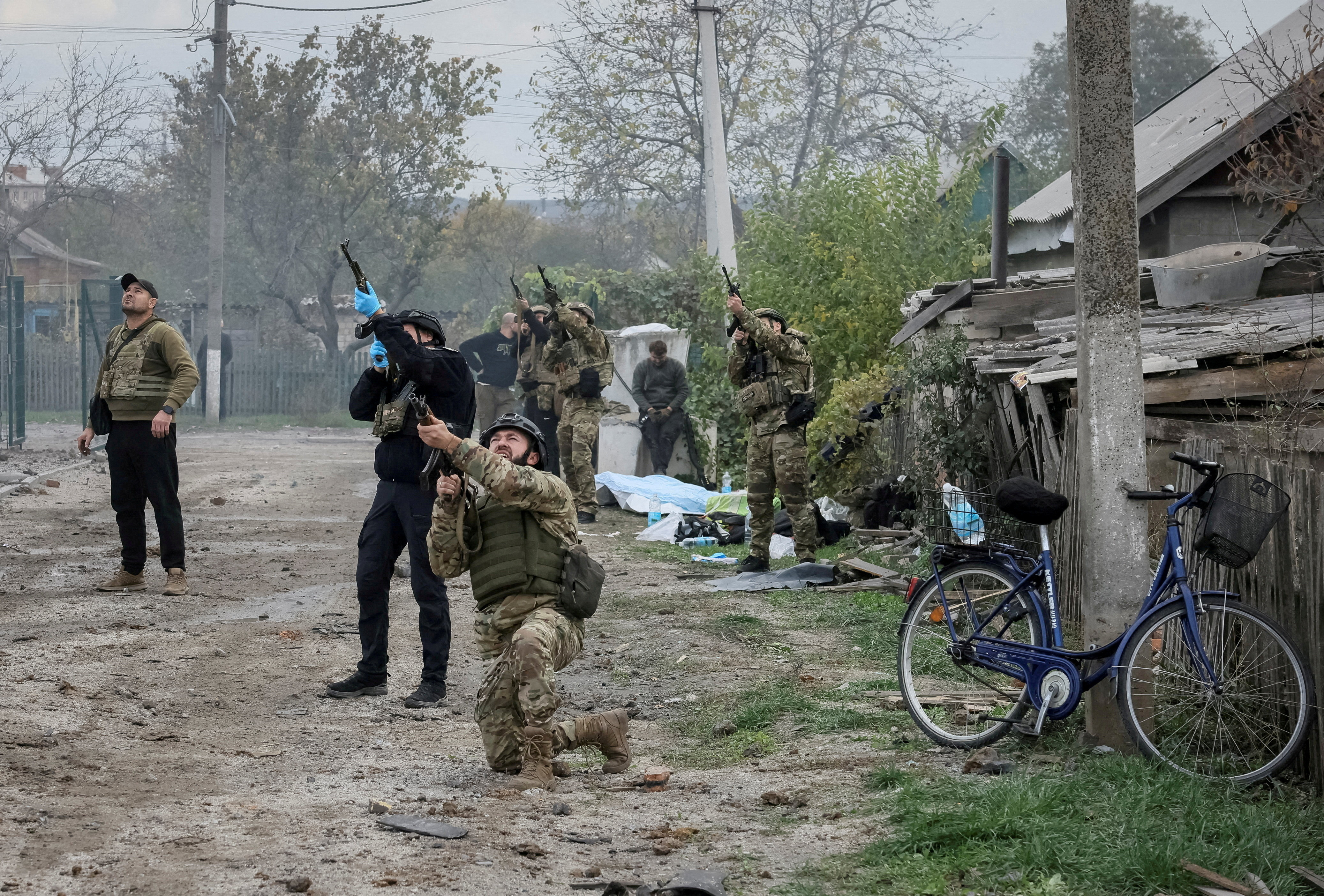
Reports from The Kyiv Independent, UNITED24 Media and the Kyiv Post say the proposed force would consolidate responsibilities including missile warning, secure satellite communications and space-based intelligence. The parliamentary vote is only a first step. It does not create an operational constellation overnight, and it does not mean Ukraine is about to field an independent astronautics programme.
That distinction matters. A modern space force is less about owning every satellite than about controlling the military data flowing through them. Ukraine already relies heavily on commercial and allied systems for imagery, positioning and communications. The proposed branch could give those capabilities a permanent military owner, a clearer budget line and a chain of command that can connect satellite operators to drone units and air-defence commanders.
The likely emphasis is resilience. A satellite link must survive jamming, spoofing, cyber attack and the loss of a ground terminal. The practical equipment list therefore includes encrypted terminals, alternative communications paths, electronic-intelligence receivers, satellite imagery access and software that can turn raw orbital data into targeting information. None of that is glamorous. It is also what keeps a dispersed army from becoming blind.
Russia's Rassvet Changes the Stakes
Kyiv's move comes as Ukrainian intelligence says Russia is using Rassvet, a domestic satellite communications system, over the battlefield. Reuters reported on November 6 that Ukrainian officials described the system as a Russian answer to Starlink for military communications. Other reporting has linked the network to Russian drone operations, including Shahed-type systems.
Those claims should be treated as battlefield reporting, not as a fully independent technical audit. But the strategic point survives the caveat. Russia does not need to reproduce Starlink feature for feature. It needs a communications layer that is harder for Ukraine to disrupt and that can connect reconnaissance, command posts and one-way attack drones over contested territory.
That is a different problem from simply shooting down a drone. If a drone force can receive updated coordinates, pass back imagery and reroute around interference, its value rises even when individual airframes remain cheap. Satellite communications turn mass into an adaptive system. They help Russia compress the time between detection and strike.
Ukraine's response is consequently aimed above the drone. A dedicated space branch could support warning of missile launches, map Russian emitters, identify changes in orbital or ground infrastructure and coordinate countermeasures against communications nodes. It could also formalize the use of commercial imagery and satellite links that have so far been treated as emergency tools rather than as permanent military infrastructure.
The Strategic Message to NATO
There is a message here for NATO, and it is not comfortable. European militaries have spent years discussing space as a separate domain while the Ukraine war has fused it with artillery, air defence, cyber operations and small drones. The alliance has excellent satellites and sophisticated national capabilities, but access, classification and political permissions can still slow the handoff from intelligence to a unit under fire.
Ukraine is learning the opposite lesson. It cannot afford a neat division between “space” and “the battlefield.” If a Russian jammer blinds a terminal, that is an immediate tactical event. If a commercial provider changes access rules, it becomes a strategic vulnerability. If Moscow fields a protected communications layer for drones, the answer cannot be another conference on resilience.
This is also why the word “force” matters. A programme can buy services. A military branch can set priorities, train specialists and rehearse what happens when the primary link disappears. The test will be whether Kyiv builds redundancy rather than simply adding a new headquarters and a new badge.
What Happens Next
The first parliamentary reading is a political signal, not a finished capability. The next questions are money, personnel and technical authority. Will the new branch control satellite communications, or merely advise the services that already use them? Will it receive access to allied intelligence quickly enough to matter? Can it protect ground stations without stripping scarce air-defence assets from the front?
Ukraine has one advantage: it is building from a war that has already exposed the failure modes. It knows that a network is only as strong as its weakest terminal, software update or political dependency. Russia's Rassvet effort, if Ukrainian assessments are correct, shows that Moscow understands the same lesson.
The uncomfortable conclusion is that Ukraine is not entering the space age. It is acknowledging that the war has been there for years. The country that integrates satellites, electronic warfare and drones fastest will not merely see farther. It will decide how quickly the other side is allowed to act.
Sources
- The Kyiv Independent, report on parliament's first-reading vote to create Space Forces, November 9, 2026.
- UNITED24 Media, report on Ukraine's proposed Space Forces, November 9, 2026.
- Reuters, report on Russia's Rassvet satellite communications system, November 6, 2026.
- The Guardian, analysis of space's role in Ukraine's war, November 8, 2026.
Ukraine is establishing a Space Force to enhance military capabilities in response to Russian satellite communications and jamming. This initiative aims to consolidate missile warning, secure communications, and space-based intelligence. The move reflects a strategic shift in military operations as Ukraine seeks to integrate satellite technology with battlefield tactics. The first parliamentary reading occurred in November 2026, signaling a commitment to developing this new military branch.
- Ukraine is creating a Space Force to enhance military operations.
- The Space Force will focus on satellite communications and intelligence.
- Russia is using its Rassvet satellite system for military communications.
- The establishment of the Space Force is a response to Russian jamming and drone operations.
- The parliamentary vote is a preliminary step towards operational capabilities.