
Ukraine's 500 Patriot Deal Exposes NATO's Air Defense Shortfall
 Alexandra Reeves
Ukraine's 500 Patriot Deal Exposes NATO's Air Defense Shortfall
Five hundred Patriot missiles sounds like a shield. It is actually a warning label.
Washington approved a potential $2.1 billion sale of 500 Patriot interceptors to Ukraine on October 30, according to the U.S. State Department statement reported by the BBC and Reuters. Kyiv needs the missiles because Russia's campaign against power stations, cities, and transport nodes is not slowing down. But the deal also exposes the uncomfortable arithmetic behind European air defence: Ukraine can buy a large number of interceptors only because several allies are pooling money, while the factories that make them still cannot deliver them quickly.
The deal is real, but the protection is not immediate
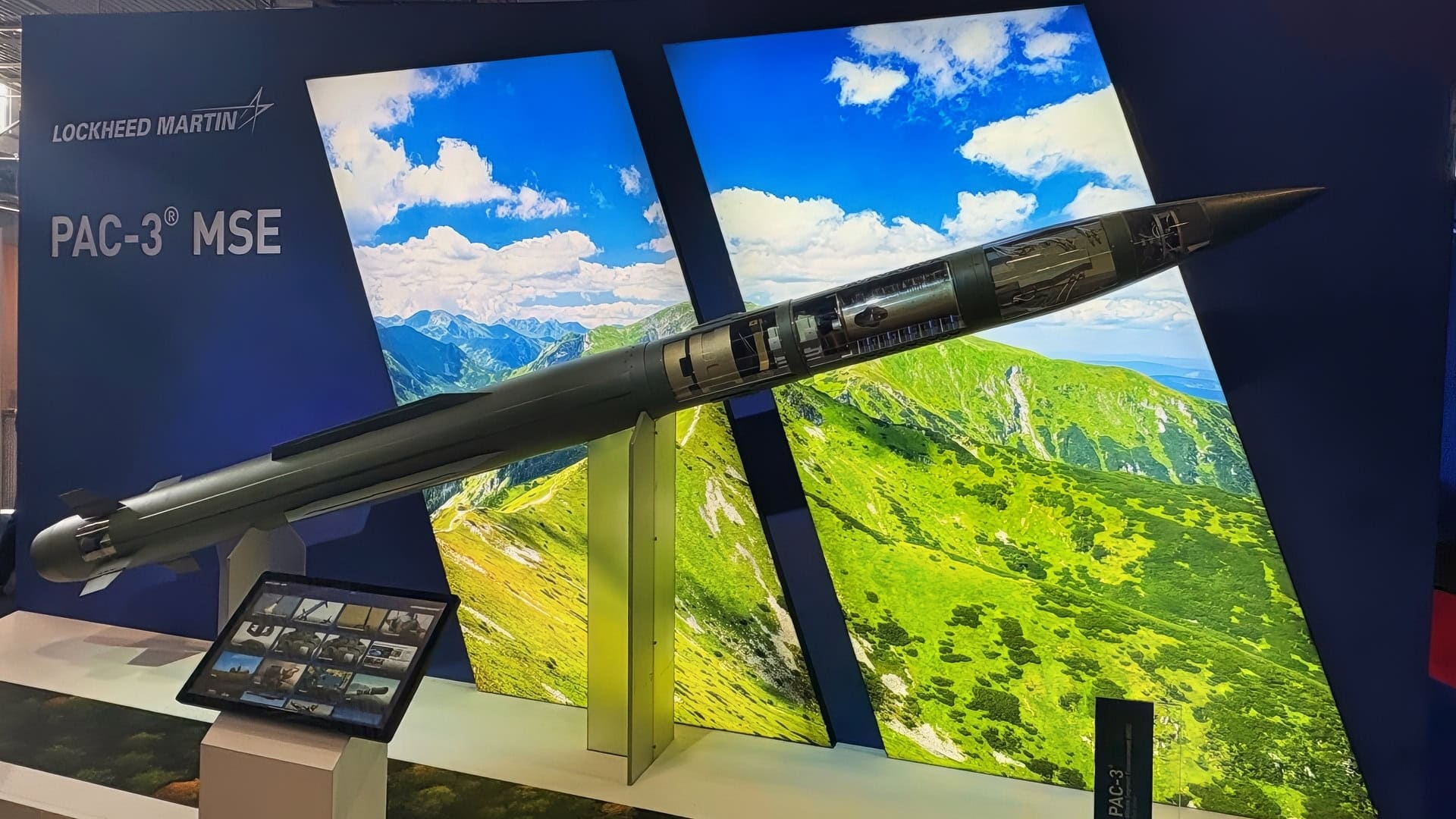
The State Department describes the package as a possible Foreign Military Sale, with Lockheed Martin as the principal contractor. The purchase will be financed through contributions from Canada, Germany, and Norway, alongside Ukrainian national funds backed by the European Union's Ukraine Support Loan. No direct U.S. funds are involved. That arrangement matters politically: Washington is supplying the system, but Europe is being asked to pay for the line that protects Europe's eastern flank.
There is a catch large enough to dominate the headline. Ukrainian President Volodymyr Zelenskyy has warned that delivery could take years. This is not a minor scheduling problem. A missile defence battery is useful only when its radar, launcher, trained crew, command network, and interceptors arrive together. A contract on Friday does not put a launcher outside Kyiv on Saturday.
The distinction between approval and delivery is precisely where defence reporting often goes soft. The United States has approved the sale. That does not mean all 500 missiles have been produced, shipped, or assigned a delivery sequence. Kyiv is buying time as much as hardware.
Why Patriot matters against Russia
Patriot is not a magic dome over Ukraine. Its value is narrower and more demanding. The PAC-3 family uses hit-to-kill interceptors designed to destroy incoming ballistic missiles through direct collision, while the wider Patriot system also engages selected aircraft and cruise-missile threats depending on the interceptor and engagement geometry. Its radar and battle-management system allow it to defend high-value areas, but no battery can cover an entire country.
That limitation is exactly why the number 500 matters. Ukraine faces a mixed Russian strike campaign involving ballistic missiles, cruise missiles, and large numbers of one-way attack drones. Patriots are the premium layer for the most dangerous targets, not a cheap answer to every Shahed. Using a $3 million-class interceptor against a low-cost drone is financially absurd; allowing a ballistic missile through because the battery is conserving rounds can be strategically catastrophic. The force therefore needs layered systems below Patriot, plus enough sensors and mobile launchers to keep the network alive after Russian strikes.
According to the BBC, Russian strikes on Friday left roughly 200,000 households without power in the Dnipro region and at least 80,000 in the Kyiv region, citing Ukrainian officials. Whether the immediate damage is repaired quickly is not the central point. Moscow is testing whether Ukraine can protect the electrical grid through another winter while preserving enough high-end interceptors for command centres, air bases, and cities.
The NATO problem hiding inside Ukraine's purchase
Everyone in Washington can describe Ukraine as a special case. It is not. Russia is forcing NATO to confront the same problem on a larger map.
European air forces have modern aircraft, but aircraft cannot replace a dense ground-based air-defence network. Patriot batteries are scarce, their interceptors are expensive, and production capacity is not a switch that governments can flip during a crisis. The 500-missile deal is therefore both support for Ukraine and a procurement test for NATO. If allies must assemble a coalition simply to fund one urgent replenishment package, the alliance does not yet possess a comfortable reserve.
The funding model also says something about burden-sharing. Canada, Germany, Norway, and the EU are underwriting a U.S.-designed capability because the threat is European. That is sensible, but it is not the same as having an integrated European air-defence industrial base. Europe is still buying insurance from an American supplier while discovering that the insurer has a queue.
There is a second risk. If delivery takes years, Russia gets a window in which it can intensify attacks on infrastructure and learn where Ukraine is forced to economise. Patriot's scarcity creates targeting dilemmas: defend the capital, protect the grid, cover an airfield, or preserve missiles for a ballistic salvo that may arrive tomorrow. No press release resolves that trade-off.
What to watch next
- Production and delivery schedules: the key question is when the first operational missiles arrive, not when the sale is approved.
- European financing: whether Canada, Germany, Norway, and the EU can turn the funding promise into a repeatable mechanism.
- Layered defence: whether Ukraine receives cheaper interceptors, electronic-warfare tools, and counter-drone systems alongside Patriot rounds.
- Russian strike patterns: whether Moscow concentrates ballistic missiles against the grid, air-defence nodes, or logistics routes serving western Ukraine.
The short answer is that 500 Patriots could materially improve Ukraine's survival odds, but only if the missiles arrive before the next campaign has already done its damage. The longer answer is worse for NATO. This sale demonstrates that the alliance understands the air-defence gap, can find the money, and still may not be able to close it on wartime timelines. Europe is paying for a shield it needs now and receiving a place in the production queue. That is not deterrence yet. It is procurement under fire.
Sources
Ukraine approved a potential sale of 500 Patriot missiles from the U.S. on October 30, 2023, to enhance its air defense against ongoing Russian strikes. The $2.1 billion deal is financed by contributions from Canada, Germany, Norway, and the EU, but delivery may take years. This procurement underscores NATO's air defense challenges and reliance on U.S. military capabilities.
- Ukraine approved a potential sale of 500 Patriot missiles from the U.S. for $2.1 billion.
- The deal is financed by contributions from Canada, Germany, Norway, and the EU.
- Delivery of the missiles may take years, according to Ukrainian President Zelenskyy.
- The Patriot system is designed to defend against ballistic missiles and aircraft.
- The deal highlights NATO's air defense shortfall and reliance on U.S. systems.