
Ukraine's 500 Patriot Missiles May Arrive Too Late to Matter
 Alexandra Reeves
Ukraine's 500 Patriot Missiles May Arrive Too Late to Matter
Five hundred Patriot interceptors sound like the kind of number that changes a war. In Ukraine's case, the more revealing number is 2030. The United States has approved a potential $2.1 billion sale of 500 Patriot missiles to Kyiv, according to Defense News. But reporting on the deal says deliveries could stretch into the 2030s. That is not a footnote. It is the story.
The missile deal is real, but the timeline is the weapon
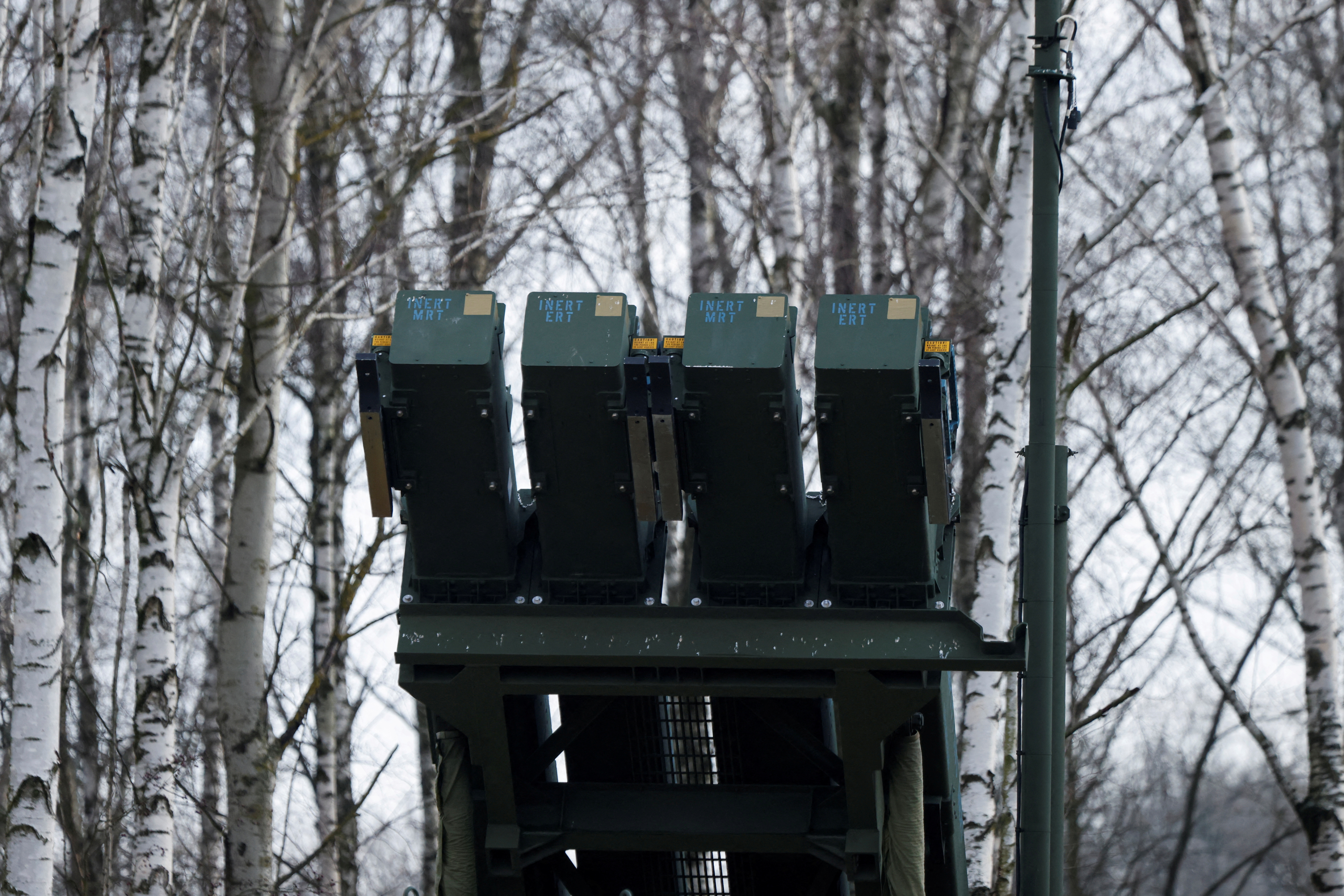
The Patriot is not a cheap general-purpose shield. Ukraine's most advanced batteries rely heavily on PAC-3 interceptors designed to destroy ballistic missiles by direct impact, while the system's radar and command architecture can also support defence against cruise missiles and aircraft. The missiles are highly capable, but they are consumables. Every Russian ballistic or cruise-missile salvo forces Kyiv to make a calculation about which cities, power plants, air bases, and troops deserve protection.
That is why 500 rounds matter. They would replenish a stockpile that Ukraine has repeatedly described as under pressure and could give European governments more confidence that donated Patriot batteries will not become empty launchers. The problem is that a purchase agreement is not an ammunition delivery. The United States and its allies are already competing for a production line that has to serve American forces, NATO customers, and other urgent buyers.
Ukraine needs an air-defence bridge, not a procurement headline
According to recent reporting collected by Google News, the 500-missile package has been discussed alongside delivery delays extending into the 2030s. If that timetable holds, Kyiv receives a political promise now and a meaningful quantity of interceptors years after the current missile campaign has shaped the battlefield.
That gap creates a nasty strategic paradox. The longer-range political message is strong: Washington still wants Ukraine's air-defence architecture tied to US weapons and NATO logistics. The short-term military message is weaker: Russia does not have to wait for a contract to mature. It can continue mixing ballistic missiles, cruise missiles, decoys, and drones while Ukraine spends scarce interceptors against the most dangerous part of each raid.
The answer cannot be to fire a Patriot at every drone. PAC-3 MSE interceptors are expensive and are intended for high-value threats; using them against cheap systems is an arithmetic contest Russia wants. Ukraine therefore needs a layered defence built around cheaper guns, electronic warfare, mobile short-range missiles, and locally produced interceptors. Patriot should protect the roof. It cannot be the roof, the walls, and the fire brigade.
What the deal says about NATO's industrial problem
Europe has spent two years talking about air-defence shortages as if the shortage were a temporary logistics glitch. It is not. The Patriot package exposes a structural problem: NATO can assemble a coalition to promise protection faster than it can manufacture the rounds required to sustain it.
That matters beyond Ukraine. Poland, Germany, Romania, and other eastern members are buying or hosting Patriot systems because Russian missiles have made air defence the most politically visible part of deterrence. Yet every battery positioned on NATO territory competes, at least indirectly, with Kyiv for missiles, maintenance capacity, trained crews, and replacement parts. A production delay is therefore not just an industrial inconvenience; it is a decision about whose risk is being accepted.
There is also a diplomatic trap. Calling the sale a $2.1 billion commitment lets allies point to a large number at summits. Kyiv needs a delivery schedule, interim stocks, and a plan for the cheaper layers that keep Patriot from being overwhelmed. Without those, the headline becomes a substitute for policy.
The uncomfortable forecast
The 500 Patriot missiles are worth pursuing, but they should be treated as a long-term hedge rather than an immediate battlefield solution. The next decisive test will be whether the United States and European allies can bridge the gap with transfers from existing stocks, faster production, and a coordinated defence-industrial expansion. Watch the first delivery dates, not the value of the contract; watch interceptor consumption per Russian strike, not the number of launchers on parade.
Ukraine may eventually get the missiles. The harder question is whether it gets enough affordable air defence to survive until then. NATO has finally learned that air defence is ammunition. It is now learning that a promise cannot intercept a missile.
The U.S. approved a potential $2.1 billion sale of 500 Patriot missiles to Ukraine, but deliveries may not occur until the 2030s. This delay poses a significant challenge for Ukraine's air defense amid ongoing Russian missile threats. The situation highlights NATO's broader issues with air defense production and the urgent need for interim solutions to support Ukraine's defense capabilities.
- The U.S. approved a potential $2.1 billion sale of 500 Patriot missiles to Ukraine.
- Deliveries of the missiles could extend into the 2030s.
- Ukraine's air defense is under pressure due to ongoing missile threats from Russia.
- The Patriot missiles are intended to replenish Ukraine's stockpile of interceptors.
- NATO faces a structural problem in air defense production and supply.