
U.S. moves missile defense system from South Korea to Middle East
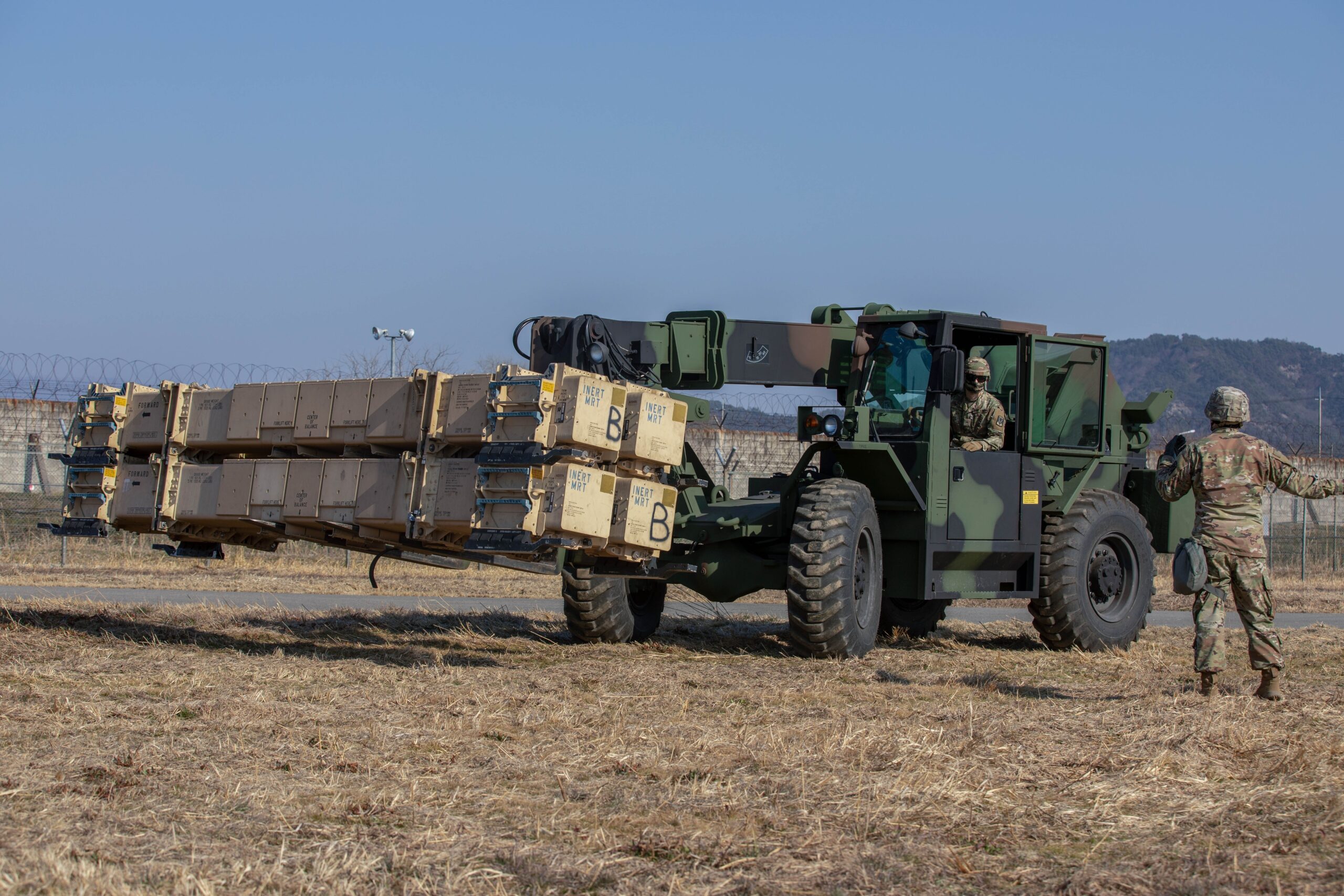
The United States has begun relocating Patriot and THAAD missile defense assets from South Korea to the Middle East, according to South Korean media reports.
South Korean President Lee Jae-myung acknowledged the movement of United States Forces Korea (USFK) air defense equipment during a cabinet meeting, stating that the redeployment reflects U.S. military requirements tied to developments in the Middle East. His remarks mark one of the first public confirmations from Seoul that key missile defense systems stationed on the Korean Peninsula are being moved abroad.
The shift comes as the United States adjusts its military posture in response to the evolving security situation in the Middle East. Recent missile and drone attacks linked to Iran have targeted U.S. military facilities and infrastructure across the region, raising concerns about the vulnerability of American bases and allied assets.
President Lee said during the meeting that South Korea had expressed concern over the redeployment but recognized the limits of its influence over U.S. operational decisions.
“Although we express our opposition to the removal of some air defense weapons by United States Forces Korea based on their own military needs, it is also a reality that we cannot fully enforce our position,” Lee said.
The movement of equipment follows weeks of speculation that U.S. air defense systems in South Korea might be reassigned to reinforce defensive positions in the Middle East after Iran launched retaliatory strikes involving missiles and drones.
South Korean media reports indicate that Patriot PAC-3 missile defense batteries and components of the Terminal High Altitude Area Defense system, or THAAD, are among the assets believed to be relocating.
According to reporting cited by the Washington Post, parts of a THAAD system stationed in South Korea are being transferred to the Middle East. The THAAD system is designed to intercept ballistic missiles at high altitudes during the terminal phase of flight and has been deployed by the United States in several regions facing missile threats.
The redeployment appears to coincide with increased activity at Osan Air Base, a major U.S. military installation south of Seoul that serves as a logistics hub for United States Forces Korea.
Flight-tracking data from civilian aviation monitoring services reportedly detected two C-5 Galaxy strategic airlifters and 11 C-17 Globemaster III cargo aircraft departing Osan since Feb. 28. Additional flights may have occurred without appearing on public tracking platforms.
Both aircraft types are capable of transporting heavy military equipment, including missile defense launchers, interceptors, radar systems, and supporting infrastructure.
The C-17 aircraft was previously used during a United States operation that repositioned Patriot missile batteries before strikes on Iranian nuclear facilities in 2025, according to defense reporting cited by South Korean media.
The larger C-5 transport aircraft, which rarely operates out of Osan, drew attention from observers due to its ability to carry oversized military hardware.
The volume of airlift operations has led analysts to suggest that the scale of the Patriot redeployment may exceed a previous transfer conducted in 2025.
Last year, two of the eight Patriot batteries assigned to United States Forces Korea were temporarily relocated before later returning to the peninsula.
Content preview only. Full article available at source. View Full Article
The United States has begun relocating Patriot and THAAD missile defense systems from South Korea to the Middle East, with operations detected at Osan Air Base since February 28, 2025. This redeployment is in response to recent missile and drone attacks linked to Iran, raising concerns about U.S. military facilities in the region. South Korean President Lee Jae-myung confirmed the movement, acknowledging limitations in influencing U.S. military decisions.
- U.S. is relocating missile defense systems from South Korea to the Middle East.
- Patriot and THAAD systems are involved in the relocation.
- The movement is in response to security developments in the Middle East.
- Two C-5 Galaxy and 11 C-17 aircraft were detected departing Osan Air Base.
- South Korea expressed concern over the redeployment but acknowledged U.S. military needs.