
Video | A Close Look at the Army Air Assault Brigade: How This Air-Ground Integrated "Assault Blade" Force Operates
Recently, a certain airborne assault brigade of the army organized a cross-day-and-night live-fire comprehensive exercise. During the exercise, helicopters formed formations according to combat orders, and under the guidance of ground assault infantry, armed helicopter units carried out precise strikes on targets from different directions. Transport helicopters quickly opened landing zones to support ground forces in new operations.
Lao Chunyan: The army airborne assault brigade is a force with deep integration of air and ground. What kind of battlefield environment and what kind of tasks require its deployment?
Military Observer Wei Dongxu: It mainly conducts rapid assaults into the depth of land. In the past, for rapid assaults in deep areas, main battle tanks would lead the charge, followed by covering armored infantry fighting vehicles or armored personnel carriers to quickly penetrate and cut off the enemy's combat positions. However, relying solely on tanks and armored vehicles is still too slow. So what to do? It is to have the troops conduct operations by boarding helicopters.
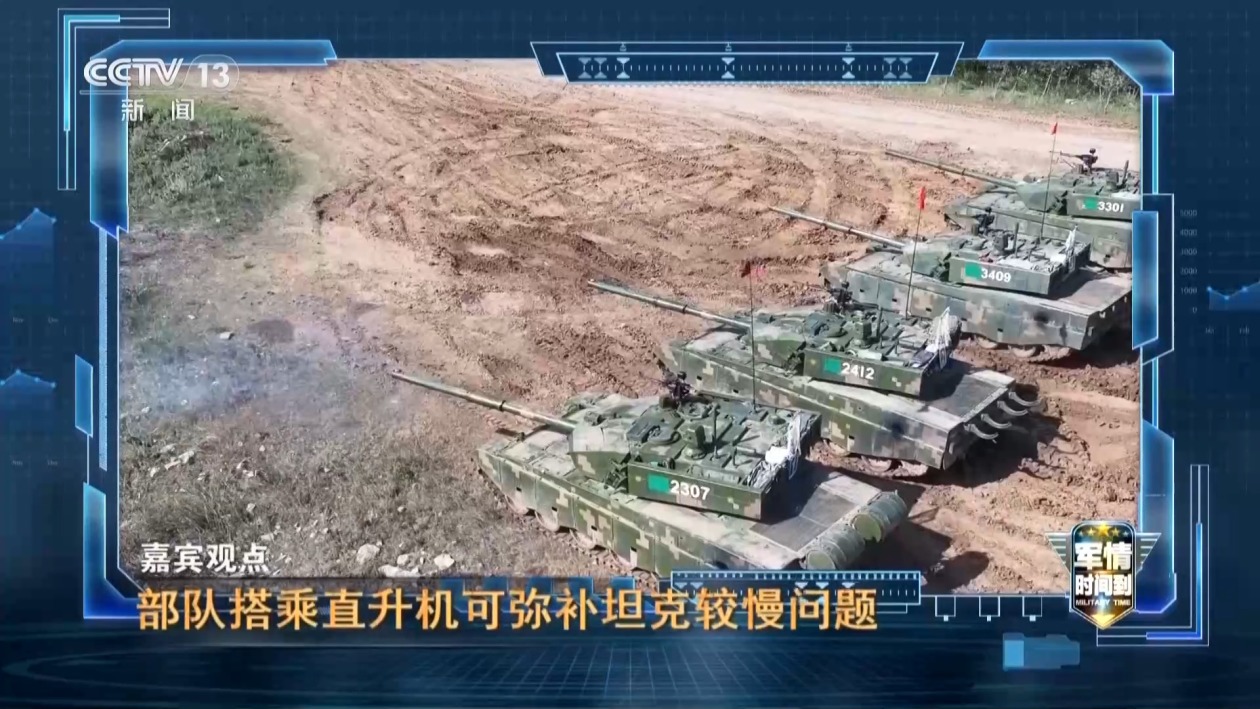
The helicopters used by the airborne assault brigade come in various types, roughly divided into two categories: the first category is "strike," and the second category is "transport."
"Strike" refers to armed helicopters, such as the Z-10 and Z-19, which can perform low-altitude rapid flights, capable of "hunting" enemy tanks and armored vehicles, as well as providing precise fire coverage against enemy fortifications and defensive positions.
Transport helicopters, such as the Z-8 and Z-20, can deliver combat personnel and even some light vehicles to the areas to be attacked, effectively coordinating with frontline combat forces to form a pincer attack.
Lao Chunyan: Now, as ground assault forces, tanks and armored vehicles are very wary of drones. Are the helicopters used by airborne assault forces also afraid of drones?
Wei Dongxu: Indeed, there are now some FPV drones, which are high-speed suicide drones, that pose a threat to armed helicopters.
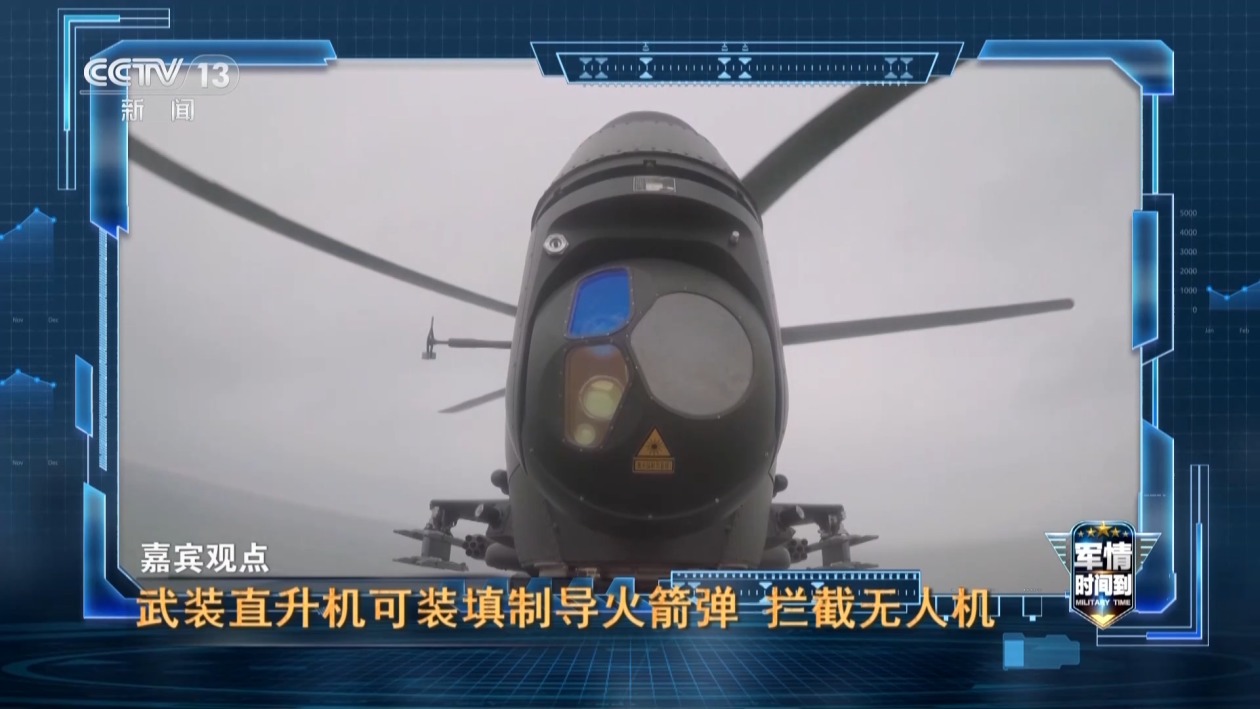
We need to enhance the anti-drone capabilities of armed helicopters. For example, we can specifically load guided rockets into the rocket launchers to intercept long-range suicide drones. Therefore, for armed helicopters to intercept drones, two problems need to be solved: visibility and accuracy. Armed helicopters that can solve these two problems can also serve as low-altitude drone hunters.
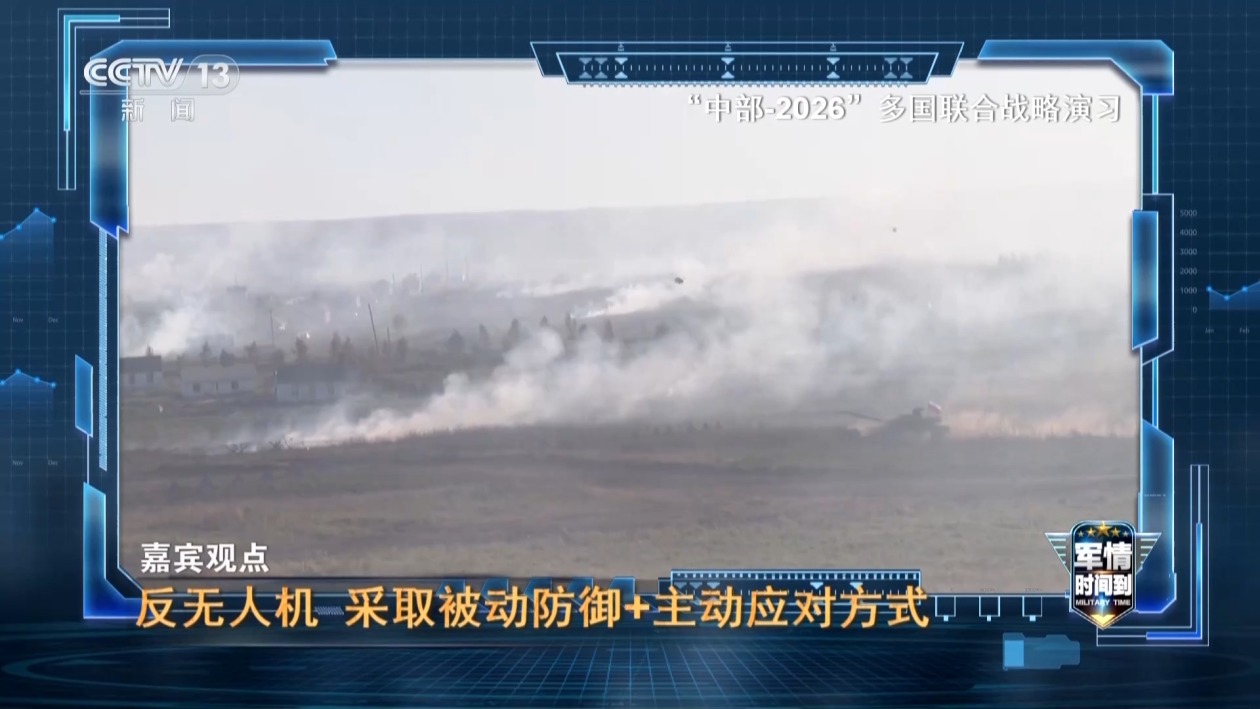
Wei Dongxu: In the "Center-2026" joint exercise, we saw the Russian military's complete solution for defending against drones. During the "Center-2026" joint exercise, the command center was underground, which was to avoid drone reconnaissance, strikes, and interference to the greatest extent possible.
In addition, ground maneuver platforms, tanks, and armored vehicles must be equipped with protective nets. More importantly, merely having passive defenses is not enough; we also need to actively respond to drone attacks, such as equipping main battle tanks with active defense systems that can intercept drones.
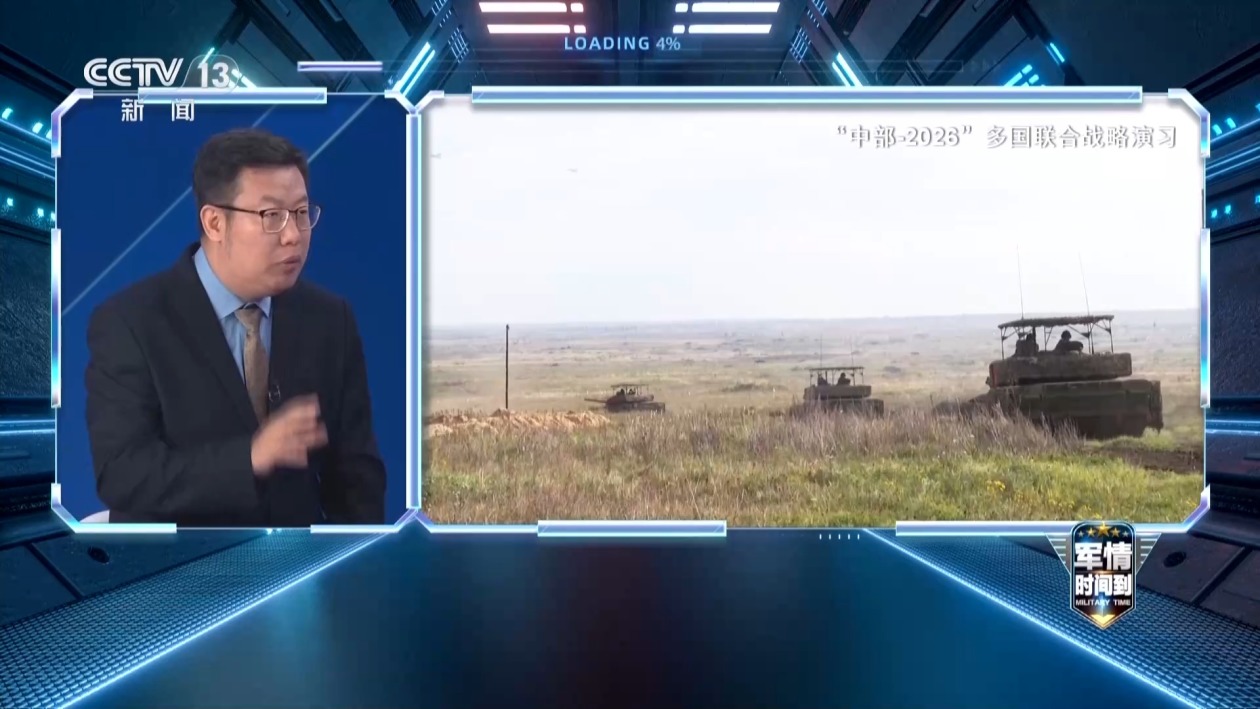
Lao Chunyan: What insights did this exercise provide regarding the coordination of manned and unmanned equipment in combat?
Wei Dongxu: In this exercise, the scenario was set in a village or town, creating a relatively complex combat environment.
First, you need to know which building contains enemy combat personnel and which building has been converted by the enemy into a fire point. Drone reconnaissance is very important. Therefore, during the exercise, we saw a large number of small fixed-wing drones conducting reconnaissance, as well as some rotary-wing drones performing close reconnaissance. After confirming the targets, an attack must be launched.
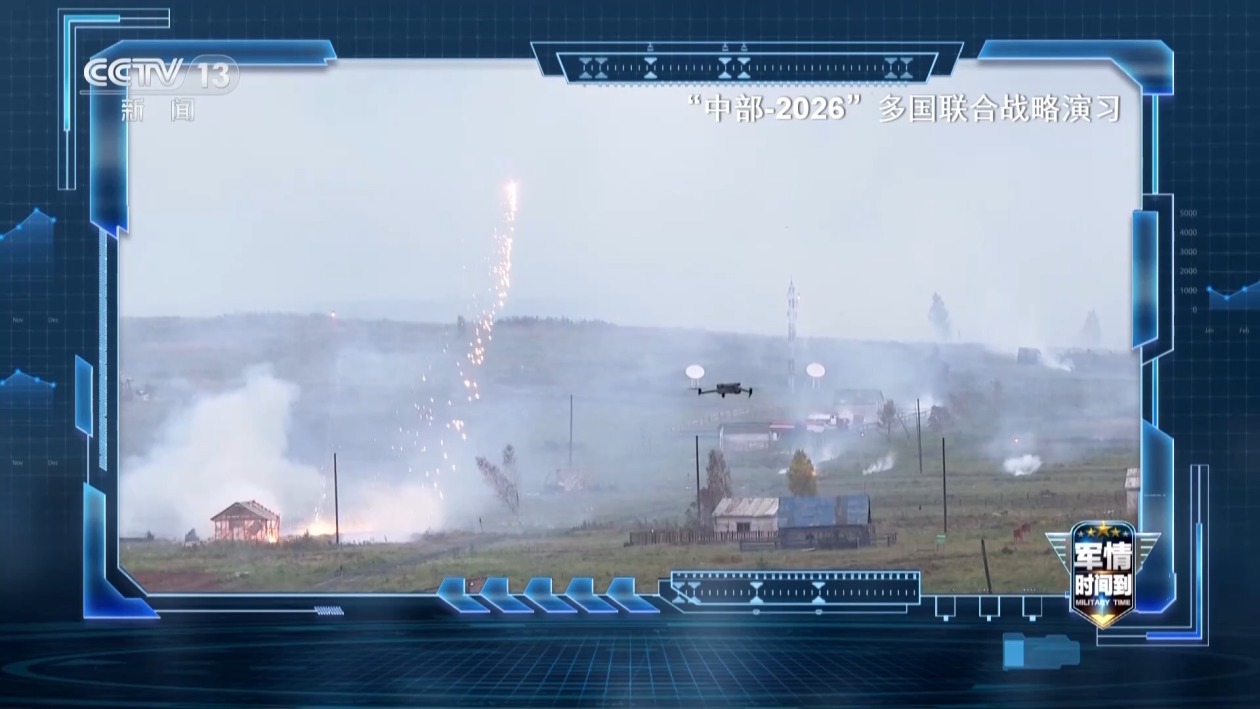
This time, fire-spraying drones also appeared, with many large rotary-wing drones hovering at low altitudes, spraying thermite into relevant areas. On the battlefield, these drones have a strong capability to destroy enemy fortifications.
The Army Air Assault Brigade conducted a recent live-fire exercise showcasing air-ground integration, utilizing various helicopters for rapid assaults. Armed helicopters like the Z-10 and Z-19 targeted enemy positions, while transport helicopters deployed troops and light vehicles. The exercise also addressed the threat posed by FPV drones and emphasized the need for enhanced counter-drone capabilities.
- The Army Air Assault Brigade conducted a live-fire exercise involving helicopters and ground troops.
- The exercise demonstrated air-ground integration with armed helicopters targeting enemy positions.
- Transport helicopters were used to deploy troops and light vehicles to attack zones.
- The report highlights the threat of FPV drones to helicopters and the need for countermeasures.
- The exercise provided insights into the coordination of manned and unmanned systems in complex environments.