
When the Map is Exhausted, the Dagger Appears! What Are the Intentions Behind the Japan-U.S. "Sword 27" Joint Military Exercises?

On October 29, the biennial Japan-U.S. "Sword 27" joint military exercise concluded. This exercise set new records in terms of personnel scale and the number of participating countries, with multiple types of weapons participating for the first time, covering various fields including land, sea, air, space, electronic, and cyber domains. Why did the U.S. military deploy the F-22 for this exercise? What exactly was practiced with Japan's Type 25 ship-to-ship missile making its debut? What intentions lie behind the forward deployment of weapon systems to remote islands?
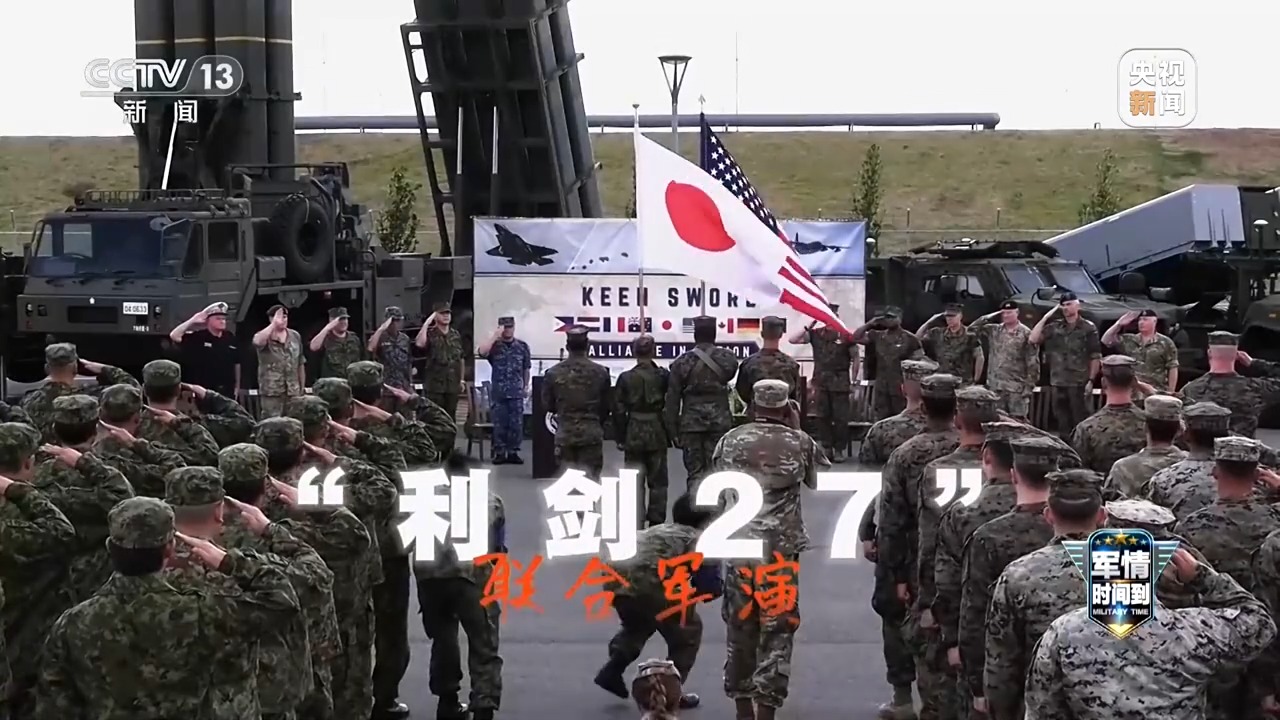
From October 19 to 29, the biennial Japan-U.S. "Sword 27" joint military exercise was held in Japan. Compared to previous "Sword" exercises, this one set new records in terms of personnel scale and the number of participating countries, with a total force of nearly 60,000 personnel, including not only the U.S. and Japan but also Australia, Canada, the Philippines, France, Germany, the Netherlands, and New Zealand.
This joint military exercise covered multiple fields including land, sea, air, space, electronic, and cyber domains.
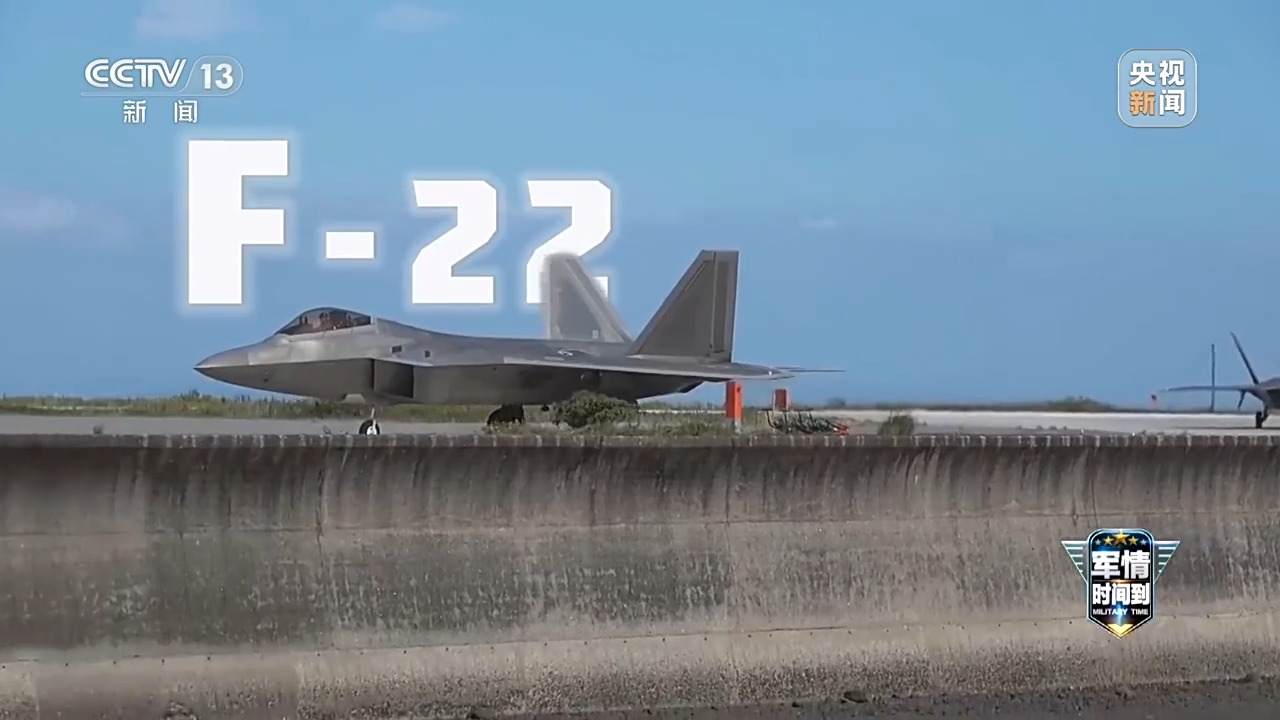
On the opening day of the exercise, the U.S. Department of Defense's Defense Visual Information Distribution Service announced that F-22 Raptors, drawn from bases in Alaska, had arrived at the Japan Air Self-Defense Force's Chikuzen base in Fukuoka Prefecture, Kyushu.
During the exercise, U.S. and Japanese pilots conducted joint training on basic fighter maneuvers and tactical intercepts, and after the combat drills, they also conducted a joint debriefing. The Japan Self-Defense Forces, Canadian military, and French military also conducted live-fire training involving aircraft and naval vessels.
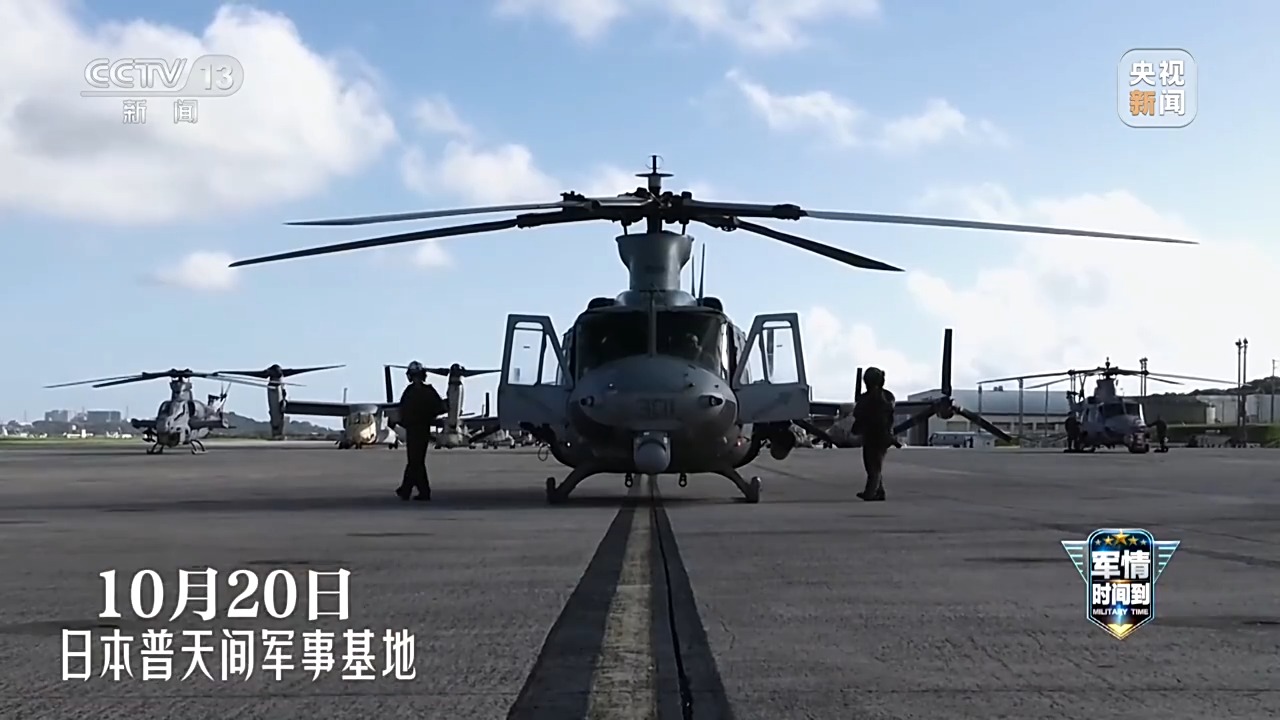
On October 20, the "Elephant Walk" exercise was jointly held for the first time at the U.S. military base in Futenma, Japan. "Elephant Walk" refers to multiple military aircraft taxiing in close formation on the runway with minimal safety distance before taking off sequentially. It originated from the large-scale bombing raids by Allied forces during World War II.
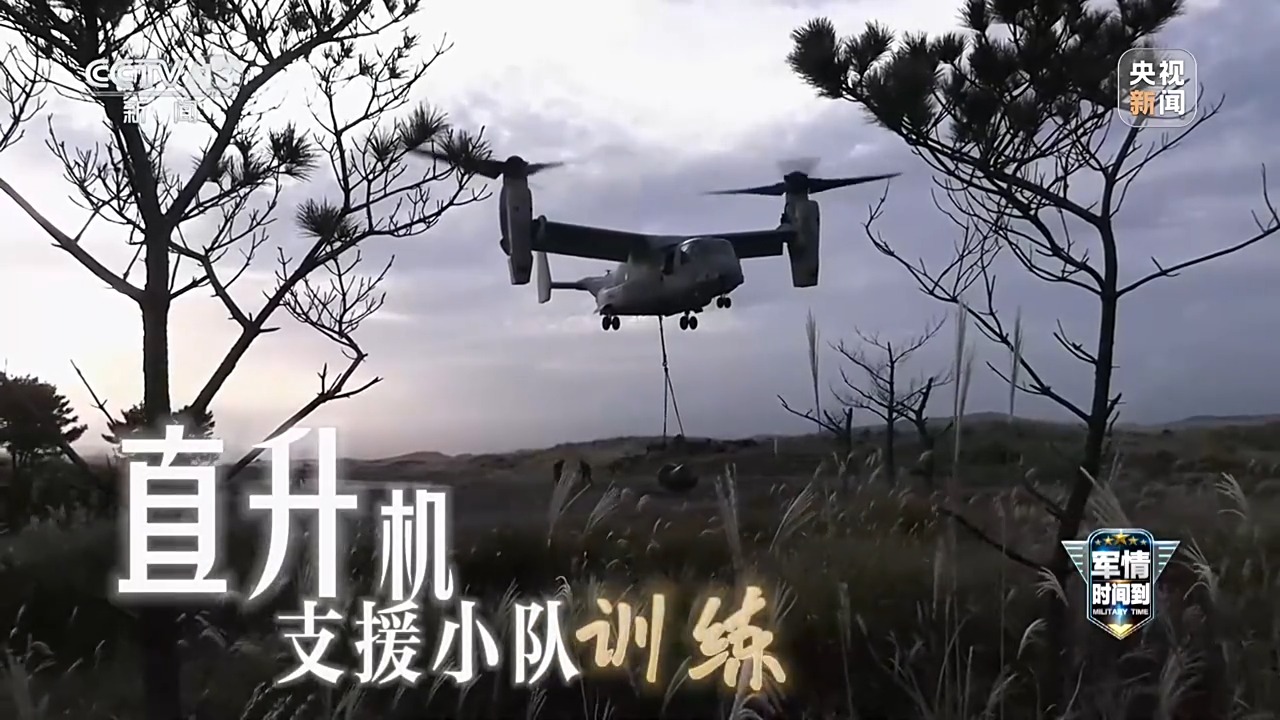
On October 24, at the U.S. Navy's Marine Corps base in Kagoshima, the U.S. Marine Corps conducted helicopter support team training with Ospreys.
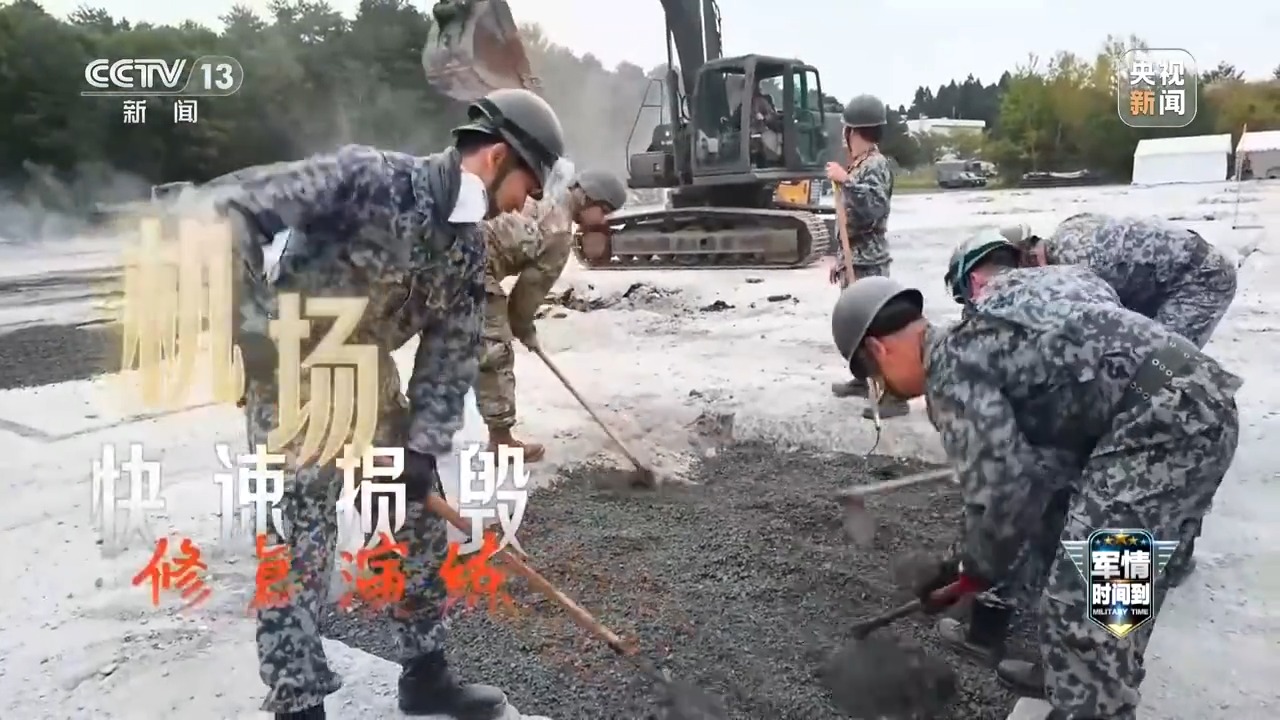
In addition to showcasing air power, the capability of frontline airfields was also a focus of this exercise. On October 24, at the Misawa Air Base in Japan, the Japan Air Self-Defense Force, Ground Self-Defense Force, and U.S. Air Force conducted rapid damage repair exercises for airfields.
In this Japan-U.S. "Sword 27" joint military exercise, the U.S. military also deployed the F-22 and conducted a series of joint drills with the Japan Air Self-Defense Force. What exactly were they practicing?
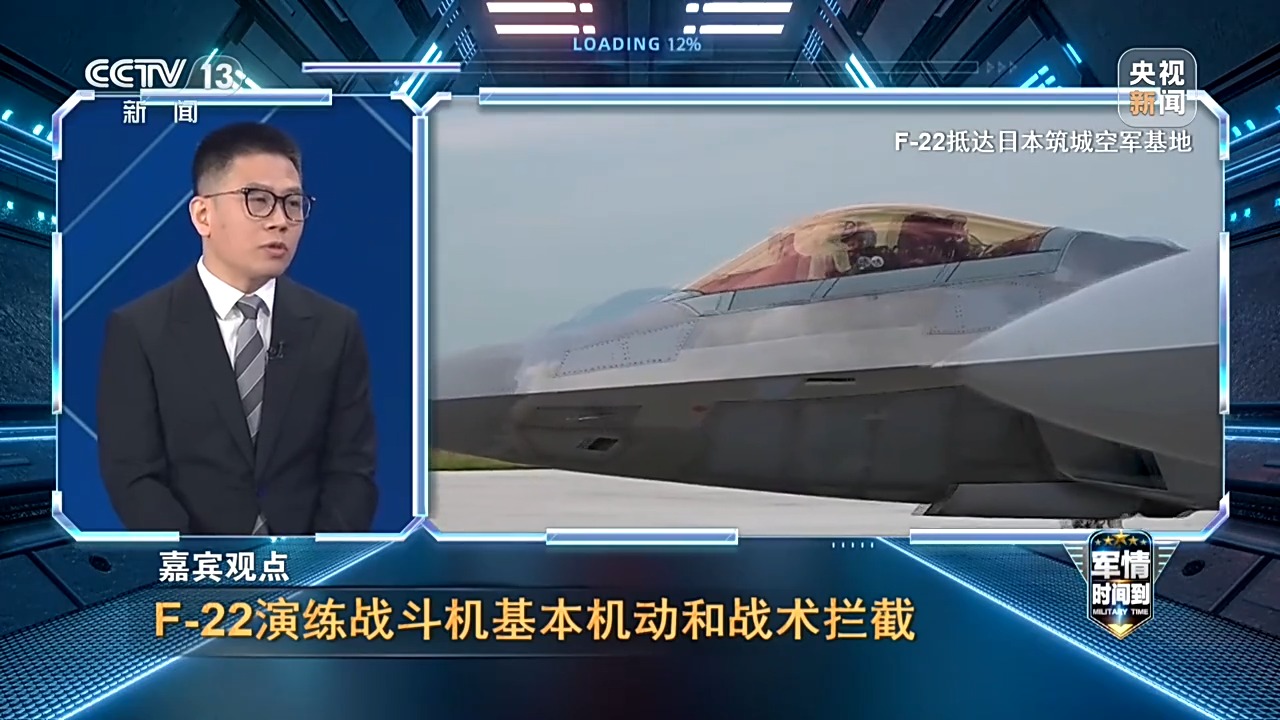
Military commentator Zhang Xuefeng: According to the U.S. press release, it mainly practiced two subjects. The first subject was basic fighter maneuvers, and the second subject was tactical intercepts. These two subjects are relatively basic. Basic fighter maneuvers typically have three forms. One is when friendly aircraft are in a passive state, and the enemy attacks from behind, requiring defense. The second is when you attack from behind the enemy. The third is when both sides fly head-on and maneuver, primarily to improve pilots' ability to control the aircraft. The second subject, tactical intercepts, involves simulating intercepting enemy aircraft, simulating locking on and firing, and can also include intercepting some enemy cruise missiles, etc. Overall, these two subjects do not require large-scale joint operations and are relatively basic. However, I believe that since the F-22 is in Japan, it is likely to conduct some more complex exercises, such as joint air superiority, air defense suppression, and air combat against different types of aircraft. The F-22, as a stealth fighter, has an important function of executing so-called "kick-down-the-door" missions in the early stages of combat, using its small diameter bombs and other ground strike weapons to attack the enemy's ground air defense systems, radars, and surface-to-air missiles. Therefore, it is not ruled out that it conducted training on related subjects during this exercise, but it was not made public.
This time, the U.S. Marine Corps and Japan's Ground Self-Defense Force also conducted the "Elephant Walk" exercise. Generally, "Elephant Walk" exercises usually involve fixed-wing aircraft. However, this time we saw that the Japan-U.S. exercise mainly involved helicopters and tiltrotor aircraft. What does this indicate?
Zhang Xuefeng: There are two purposes for conducting such exercises. The first purpose is to showcase strength and flex muscles by concentrating a large number of aircraft for a promotional video. On the other hand, it can also practice the rapid launch capabilities of these aircraft. I think there is more of a show-off element here because such exercises are unlikely to significantly improve the rapid response and takeoff capabilities of helicopters and tiltrotor aircraft. Of course, from this point, we can also see that the related subject exercises are preparing for island seizure drills. The types of aircraft participating in the "Elephant Walk" exercise included tiltrotor aircraft, Black Hawk helicopters, CH-53 heavy helicopters, and Japan's AH-64 helicopters. Additionally, the U.S. Marine Corps's operational function is amphibious operations.
Another aspect of this exercise was the rapid damage repair drills for airfields. Why was this content included in the exercise?
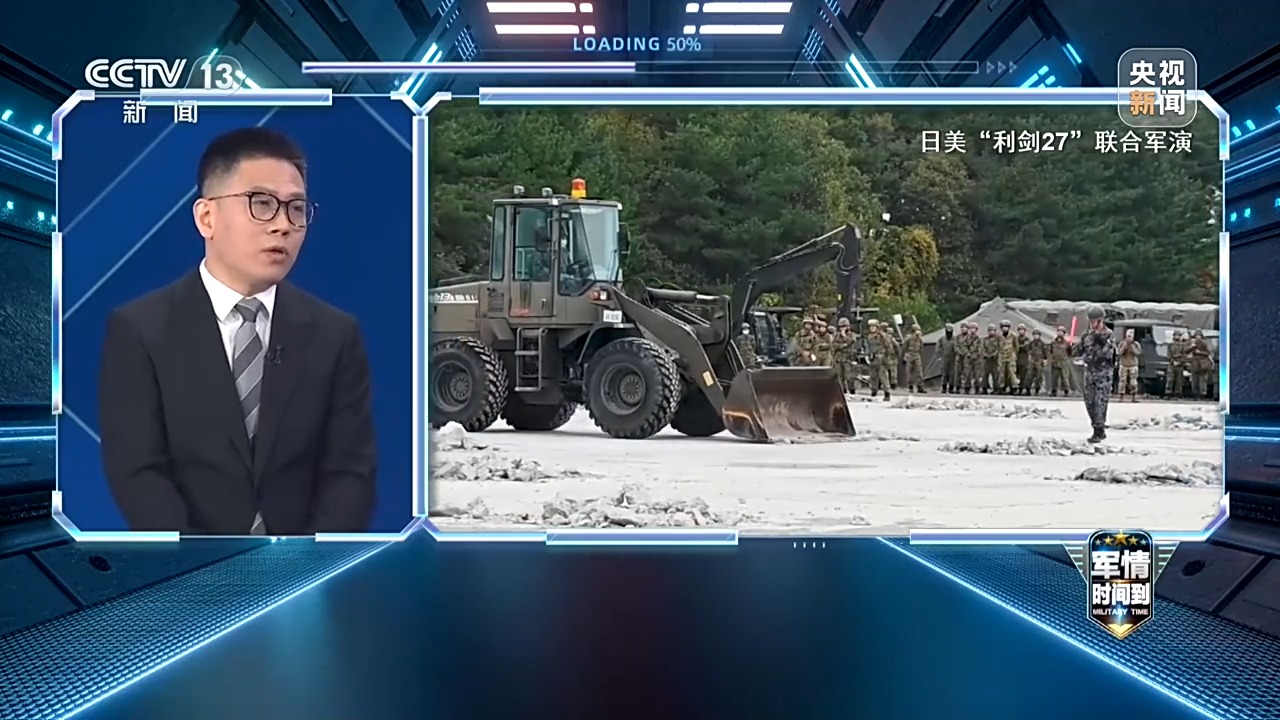
Zhang Xuefeng: Because during combat, your air force base may be attacked by the enemy, and in such cases, it is necessary to quickly restore the operation of the air force base, which requires timely battlefield repairs. Some U.S. bases are located on Japanese territory. In the future, if these bases are attacked, the Japan Air Self-Defense Force will certainly need to conduct rapid repairs. Therefore, mutual coordination for maintenance and repair is also quite important. That is why this exercise was conducted. However, from the publicly available videos, the battlefield conditions set were not very realistic, such as not clearing unexploded ordnance, and the craters were relatively small, not caused by high-power bombs, making repairs easier. I see some show-off elements in this.
In this year's Japan-U.S. "Sword 27" joint military exercise, joint operations and long-range fire strikes under the context of island seizure operations were the focus of the drills.
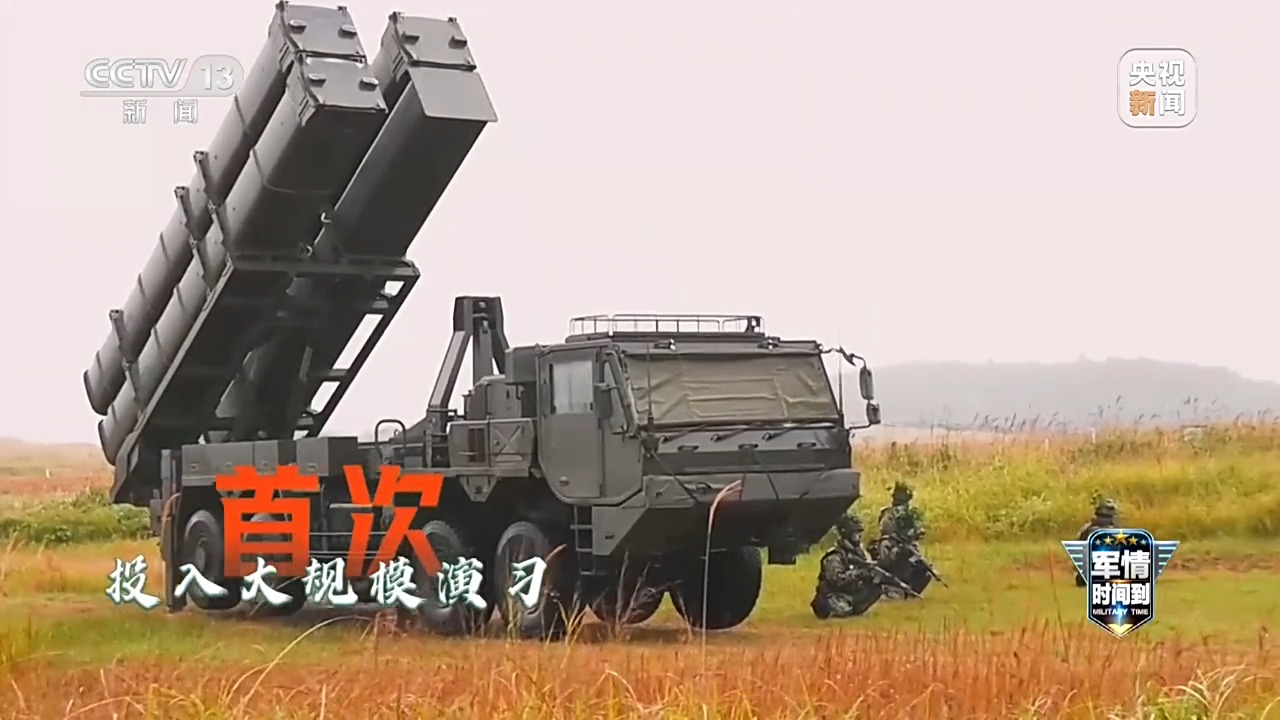
On October 25, the Japanese Ministry of Defense conducted pre-launch training for the Ground Self-Defense Force's "Type 25 ship-to-ship missile" at the Ohnohara training ground, located at the border of Nagasaki and Saga Prefectures, including operations such as raising the launch device. This was the first deployment of this missile type to another training ground since its deployment to the Kumamoto-based Kenjun garrison in March of this year, and it was also its first participation in a large-scale exercise.
The "Type 25 ship-to-ship missile" is an upgraded version of the Self-Defense Forces' Type 12 anti-ship missile, with a range of approximately 1,000 kilometers, far exceeding Japan's domestic defense needs, and has obvious offensive attributes.
The U.S. military also deployed advanced military equipment, including the latest anti-ship missile system, the "Marine Corps Expeditionary Ship Interdiction System," and the "Maritime Air Defense Integrated System" for short-range air defense, for the first time to Yonaguni Island, Japan's westernmost point. During the training, only equipment operation confirmations were conducted, with no live-fire exercises.
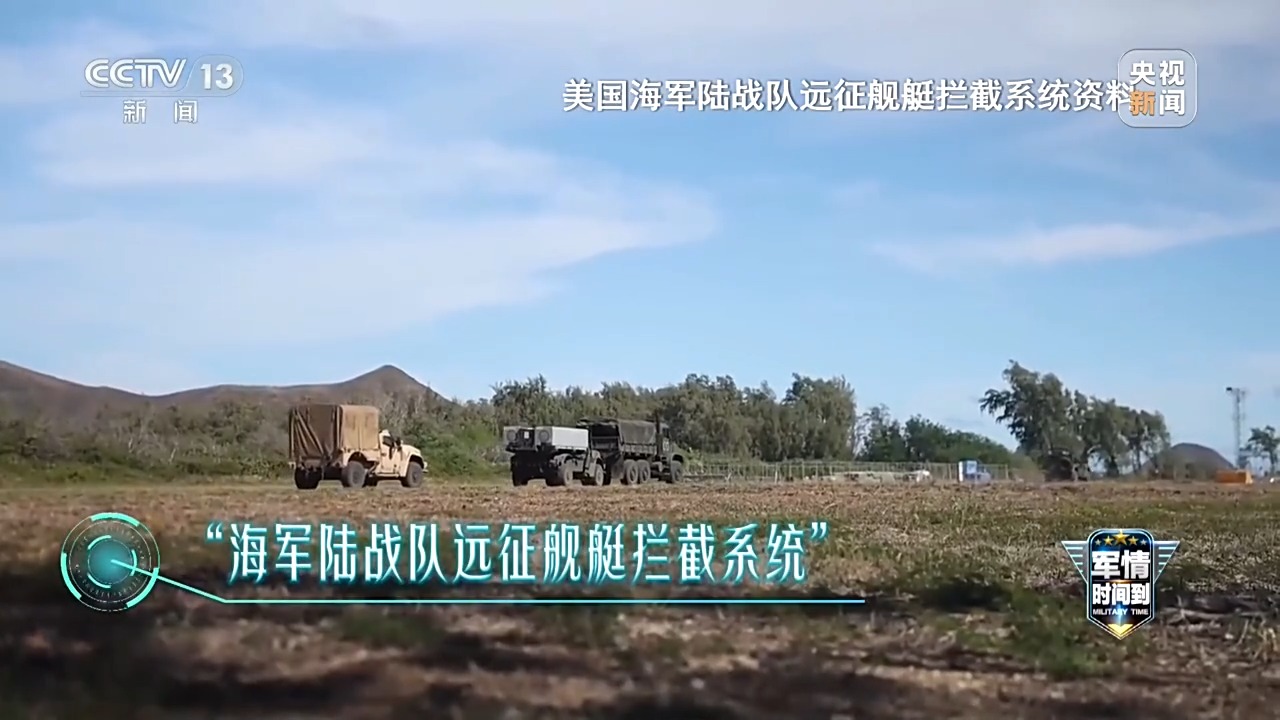
The "Marine Corps Expeditionary Ship Interdiction System" uses unmanned wheeled launch vehicles, with each launch vehicle capable of carrying two "Naval Strike Missiles" with a range of over 185 kilometers.
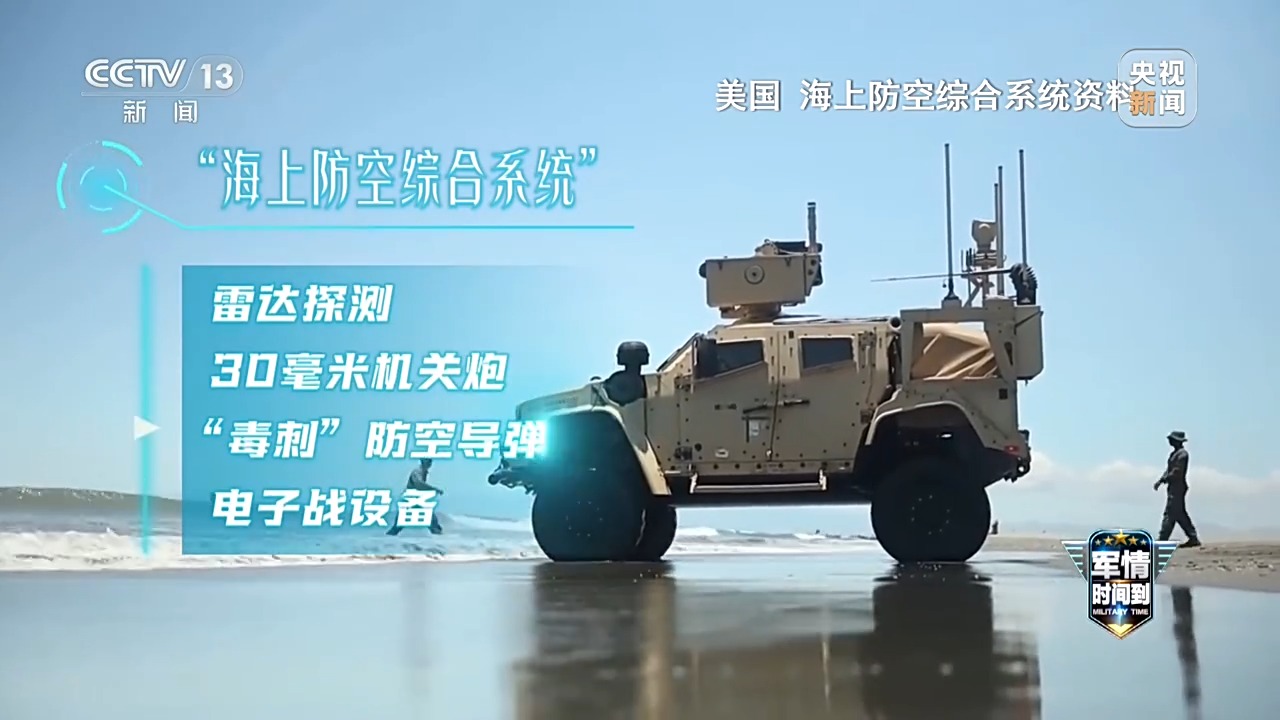
The "Maritime Air Defense Integrated System" is a mobile short-range air defense weapon that integrates radar detection, a 30mm cannon, "Stinger" air defense missiles, and electronic warfare equipment, primarily used to counter low-altitude threats such as drones and helicopters.
According to a report by Kyodo News on October 23, the U.S. "Tomahawk" medium-range missile system, which was temporarily deployed at the U.S. base in Kanoya, Kagoshima Prefecture, was moved to the U.S. Kadena Air Base in Okinawa Prefecture. This transfer occurred during the Japan-U.S. "Sword 27" joint military exercise, drawing media attention once again. The "Tomahawk" medium-range missile system can launch "Standard-6" missiles and "Tomahawk" cruise missiles with a range of approximately 1,600 kilometers, possessing air defense, anti-ship, and land strike capabilities. Regarding the transfer of the "Tomahawk" to Kadena Air Base, the U.S. military only stated it was for temporary storage, without mentioning a deadline, leading local residents to worry that temporary storage might gradually become long-term positioning or even permanent deployment.
In this joint military exercise, what new equipment was used? Japan's Type 25 ship-to-ship missile made its first appearance in a large-scale military exercise. Moreover, it was moved from its original deployment site to another base, but it did not conduct actual launches. So what exactly was being practiced?
Zhang Xuefeng: First, it needs to practice its maneuvering combat capabilities. One important operational mode is for the launch vehicle to move around for rapid launches. Second, it needs to practice its coordination capabilities because this missile has a maximum range of about 1,000 kilometers. If it is to strike a target, it may require detection through related equipment, necessitating coordination with other units to quickly receive target instructions. Third, although no actual launches were conducted, simulated launches must have taken place, possibly in conjunction with other anti-ship missiles. Currently, Japan and the U.S. are practicing a tactic that allows these missiles to arrive at the target area simultaneously through a mission planning system. This is quite challenging because the targets are often moving targets at sea. Different missiles have different flight speeds, platforms have different speeds, and their positions vary. To achieve simultaneous arrival of these missiles, the mission planning system needs to make near-real-time plans. Such long-term, high-intensity exercises aim to realize this tactic.
Japan's Type 25 ship-to-ship missile has a fire coverage range of nearly 1,000 kilometers. This time it was exercised near Nagasaki, on the western end of Japan's main island. What do you think of this location? Considering this location along with its fire strike range, should it raise our alert?
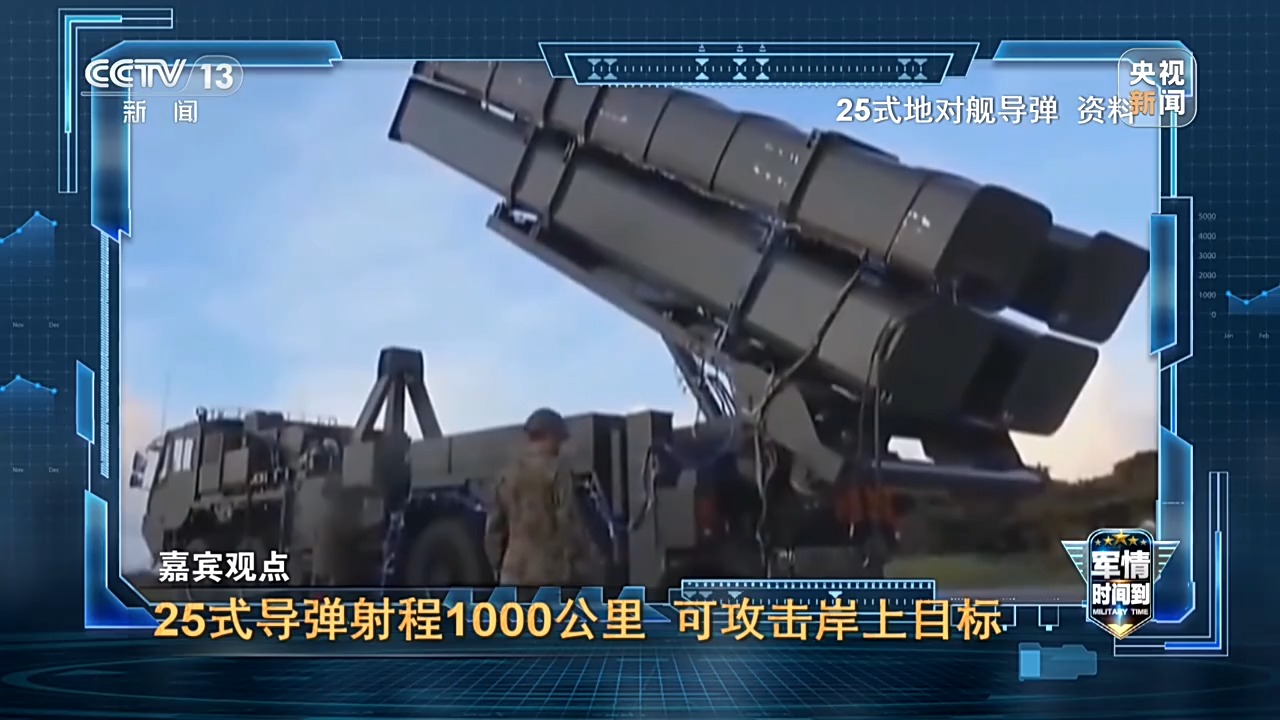
Zhang Xuefeng: This missile is called an anti-ship missile, but in reality, it was developed under the guise of being able to strike both surface and land targets. Its range of about 1,000 kilometers is intended to strike some bases within the enemy's territory. They claim to establish a so-called counterattack capability, but in essence, it is an offensive capability.
This time, the U.S. military deployed two types of the latest weapon systems to Yonaguni Island, Japan's westernmost point, which is only 110 kilometers from Taiwan. What do you think of the U.S. military's deployment?
Zhang Xuefeng: The equipment deployed this time belongs to the Marine Corps. In recent years, the Marine Corps has been undergoing transformation, developing a new concept called expeditionary advanced base operations. Its goal is to deploy some of its anti-ship missiles on islands close to other countries' territorial waters during wartime, creating a forward denial area within the enemy's fire coverage. By deploying such missiles rapidly on multiple islands, they aim to create a small missile chain to attempt to block other countries' navies from entering and exiting the Western Pacific.
During this Japan-U.S. "Sword 27" joint military exercise, the U.S. military also transferred the "Tomahawk" missile originally deployed in Kagoshima to the Kadena U.S. military base in Okinawa. What do you think of this transfer of the medium-range missile?
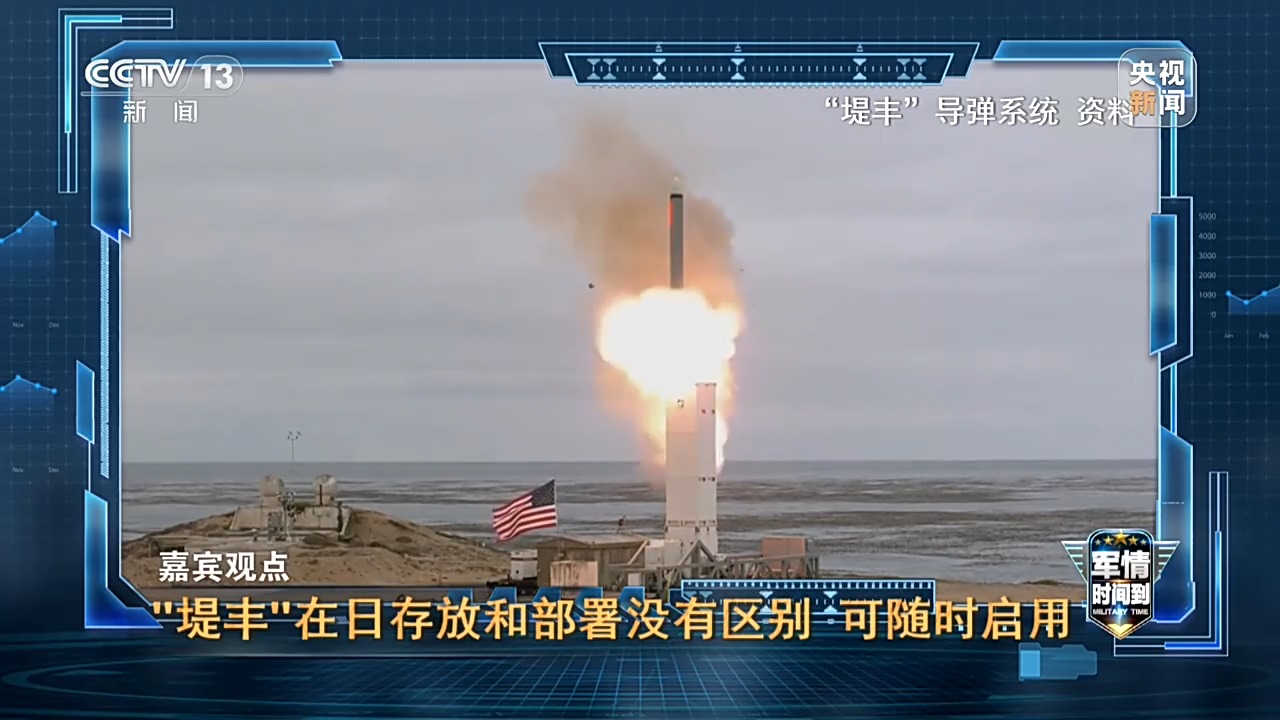
Zhang Xuefeng: This is actually a play on words, and they are engaging in gradual deployment. If it were deployed in Guam, its range would not cover the Asian continent. Previously, the U.S. Army had already deployed a "Tomahawk" system in the Philippines. Last year, it deployed the "Tomahawk" system to Japan under the guise of an exercise. So what happens after this exercise? They do not say it is deployed in Japan but rather stored in Japan. In essence, this is not fundamentally different from deployment. The relevant operators may withdraw, but if they want to use and operate it, the operators can quickly return to the relevant base to deploy its facilities and threaten other countries.
The Japan-U.S. "Sword 27" joint military exercise not only involved manned equipment but also drones, unmanned boats, and multiple domains including electromagnetic and space networks. As the scale of the exercise increases, the opposition among the Japanese public also intensifies.
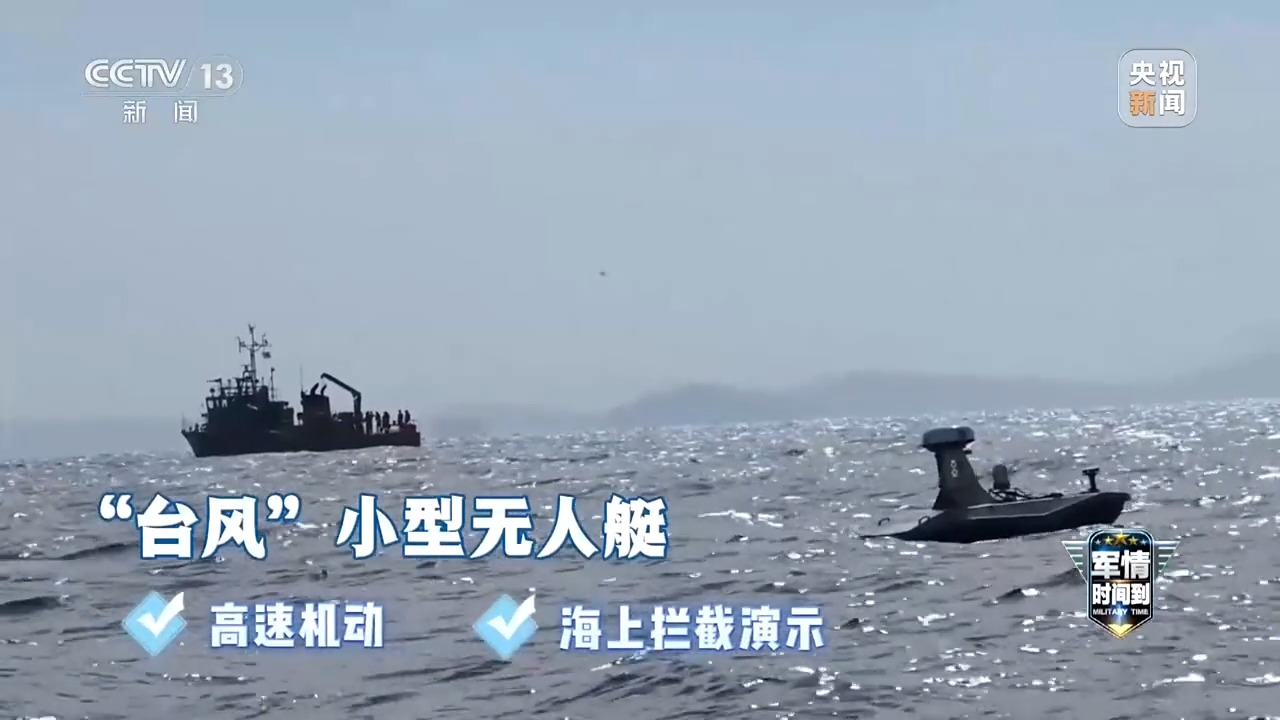
In today's world, where unmanned equipment is increasingly valued, the Japan-U.S. "Sword 27" joint military exercise inevitably featured their presence. On October 21, near the U.S. Marine Corps Air Station in Iwakuni, the U.S. military's "Typhoon" small unmanned boat completed high-speed maneuvering and maritime interception demonstrations. This unmanned boat is 3.4 meters long, with a maximum speed of 70 knots, and can launch cruise missiles after being equipped with specialized modules.
On October 24, during an exercise simulating a drone attack, U.S. Marine Corps nuclear and biochemical experts, along with the Japan Ground Self-Defense Force, used the "Centaur" unmanned ground vehicle to assist bomb disposal experts in handling drones carrying simulated explosives.
Additionally, in the waters off Hokkaido and northeastern Japan, Japan and the U.S. conducted training to respond to ballistic missiles and military aircraft, as well as parachuting, amphibious vehicle landings, casualty treatment exercises in various locations in Japan, and related training to support land, sea, and air forces in space and cyberspace.
During the Japan-U.S. "Sword 27" joint military exercise, domestic opposition never ceased.

On October 20, an editorial in Japan's "Ryukyu Shimpo" criticized the joint military exercise, stating that if weapons and equipment are concentrated in Okinawa under the pretext of enhancing deterrence and response capabilities, the risk of Okinawa becoming a target in the event of an emergency will also increase.
On the same day, local citizens gathered at Hirara Port on Miyako Island to protest the exercise, shouting slogans such as "No to war exercises" and "Oppose U.S. and Self-Defense Forces joint exercises."
Residents in Okinawa, Nagasaki, Oita, Tokyo, and other places also held successive protests, stating that Japan-U.S. military cooperation should not undermine regional peace and stability. International opinion has also pointed out that Japan's blind militarization and arms expansion are severely impacting the post-war international order and should be taken seriously.
The Japan-U.S. "Sword 27" exercise also utilized the U.S. military's "Typhoon" unmanned boat to conduct high-speed maneuver interception target drills. This exercise appears relatively basic; what is its tactical value?
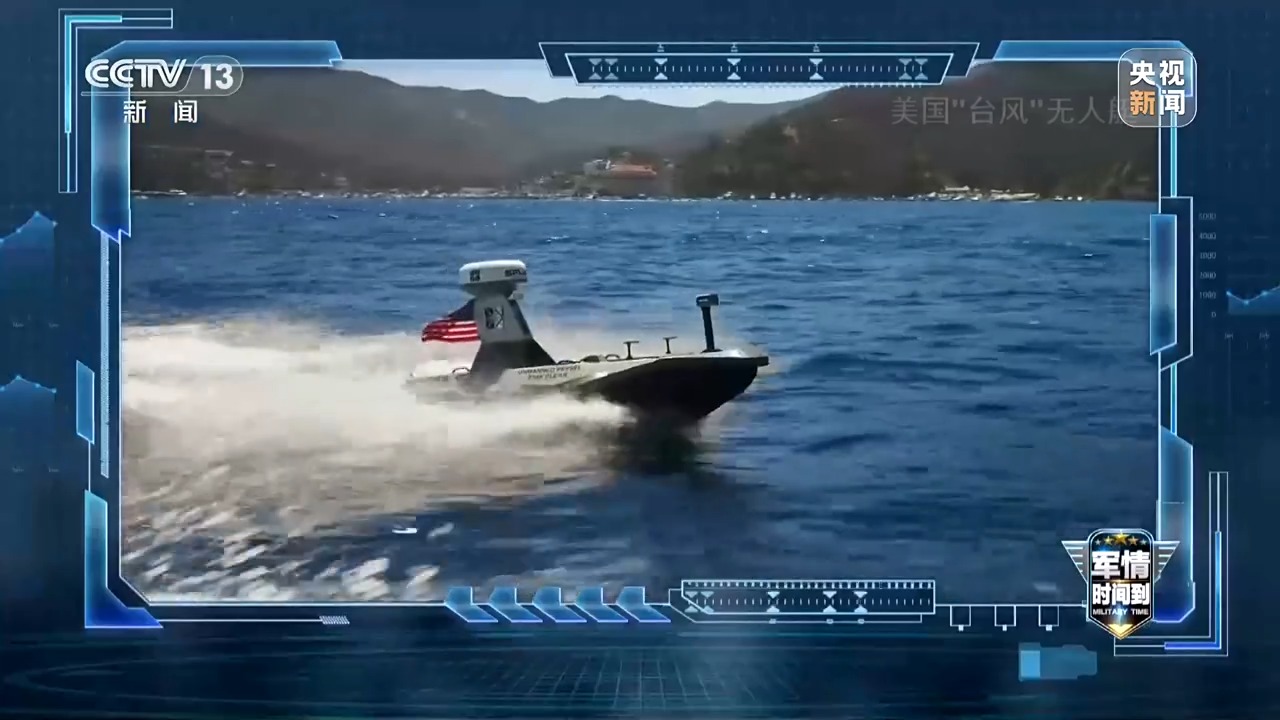
Zhang Xuefeng: The "Typhoon" unmanned boat has several characteristics. First, it has a relatively fast speed, with a maximum speed of 70 knots, which is about 130 kilometers per hour; its maximum range can exceed 600 nautical miles, which is over 1,000 kilometers, allowing it to operate alongside large warships in high-intensity combat. Moreover, this unmanned boat is autonomously navigated and does not require personnel to control it. In this exercise, it conducted what is called interception drills, which are intended to practice its capability for suicide attacks against manned warships and vessels.
In addition to the publicly available footage, there are also some contents that have not been disclosed. What are some particularly noteworthy aspects among these undisclosed contents?
Zhang Xuefeng: I believe the coordination of aerospace forces and the sharing of relevant intelligence between both sides are worthy of high attention from the outside world. For instance, this year, Japan plans to rename the Air Self-Defense Force to the Aerospace Self-Defense Force and upgrade the Air Operations Group under the Air Self-Defense Force to an Air Operations Group; moreover, the U.S. Space Force is also accelerating its deployment to the Western Pacific. It is not ruled out that they may deploy some offensive-capable equipment in the Western Pacific and Japan, potentially attempting to interfere with the satellites of other major powers during conflicts. Additionally, this year, the U.S. Space Force announced for the first time that it has deployed weapons in space, bringing the conflict into outer space.
This Japan-U.S. joint military exercise is characterized by a strong smell of gunpowder and a significant deterrent implication. Moreover, this exercise has received much criticism both domestically in Japan and internationally. What do you think of this public reaction?
Zhang Xuefeng: Because this exercise is highly provocative. As we mentioned earlier, they deployed some missiles very close to Taiwan, on Yonaguni Island. They even held the opening ceremony on Ishigaki Island, reflecting their covetousness towards the Taiwan Strait and Taiwan. The U.S. and Japan often claim to support a free and open Indo-Pacific, including this exercise. However, they are clearly engaging in acts of blockade and confrontation by deploying missiles at the doorstep of other countries.
In the face of domestic and international opposition, Japan continues to accelerate its militarization and development of offensive military capabilities. This new form of militarism in Japan is also something we should pay close attention to.
According to Bloomberg, Australia plans to equip its underwater unmanned vehicle fleet with weapons. The country's "Ghost Shark" unmanned underwater vehicle can deploy up to 12 mines and can also release drones for reconnaissance and attack. Netizens have asked, "Is the 'Ghost Shark' unmanned underwater vehicle really that powerful? What is the progress of building this underwater unmanned vehicle fleet?"
Military observer Wei Dongxu: The "Ghost Shark," as a large unmanned underwater vehicle, is overall quite stable. However, if it is to perform offensive underwater combat missions, it still needs to overcome many technical challenges. First, if it is to conduct offensive mine-laying, the selection of the mine-laying area is very important, and whether it can adapt autonomously is still a technical difficulty. In addition, when it needs to launch cruise missiles or drones, it must surface and even raise its communication mast. In this state, it is also vulnerable to being locked onto and attacked by the enemy's firepower. The "Ghost Shark," as a large unmanned underwater vehicle, can be deployed for long-range operations using large amphibious assault ships, but if it is to conduct underwater formation operations, the unmanned underwater vehicles need to communicate and share information, which poses significant coordination challenges.
Recently, the British and French air forces conducted their first joint simulated nuclear strike exercise. French Rafale fighters took off from the Saint-Dizier base in France to conduct simulated nuclear strikes over the Mediterranean, while British Typhoon fighters provided escort. What was the specific focus of this simulated nuclear strike exercise?
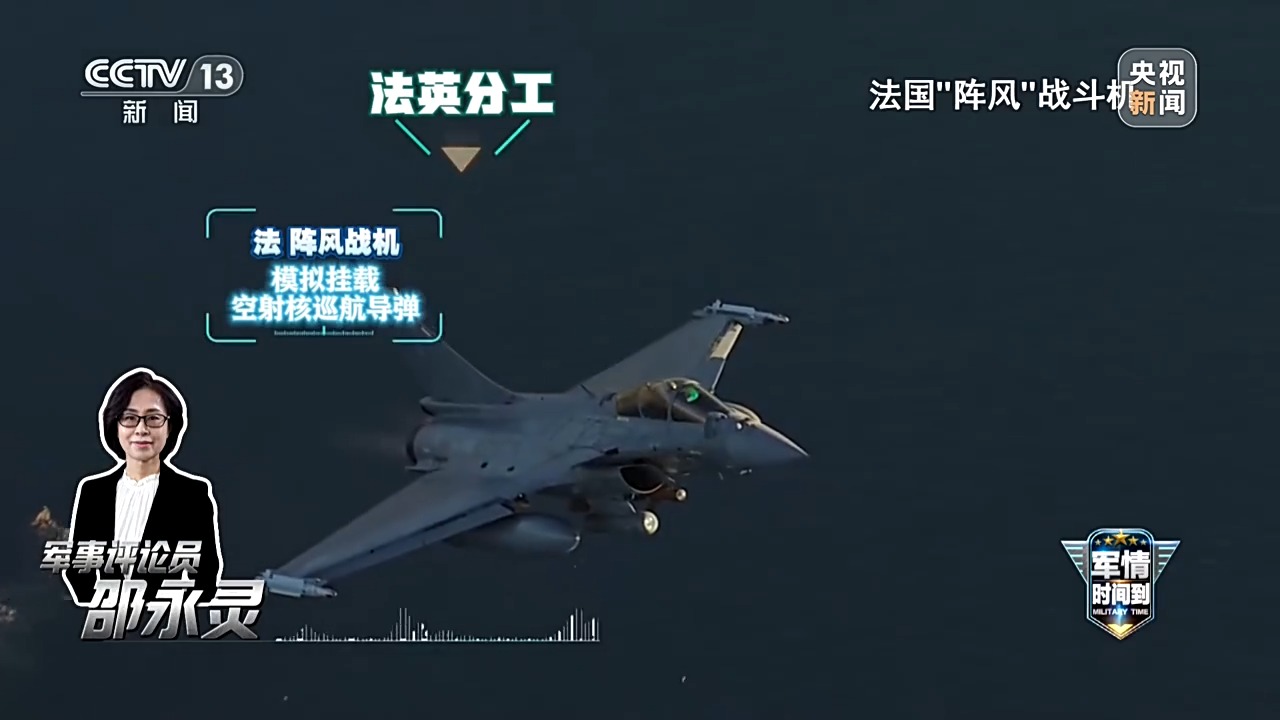
Military commentator Shao Yongling: The core of this joint simulated nuclear strike exercise between the UK and France is the French air-based nuclear strike process. In the exercise, the French Rafale fighters undertook simulated nuclear strike missions, simulating the carrying of ASMPA air-launched nuclear cruise missiles; the British Typhoon fighters were responsible for escorting, clearing airspace threats, and covering the strike aircraft group. This exercise replicated the complete process of long-range nuclear strikes over the Mediterranean, including the fighters taking off from the French base, coordinating in formation, communicating in the air, avoiding simulated air defense interceptions, planning infiltration routes, simulating targeting, simulating the delivery of nuclear munitions, and returning after separation, among a series of tactical actions. The focus was on refining the coordination norms, communication links, and identification processes between two different aircraft and command systems, addressing compatibility issues in their joint operations, and enhancing the linkage capabilities of Europe's two independent nuclear forces.
The U.S. and Japan conducted the 'Sword 27' joint military exercise from October 19 to 29, 2023, involving nearly 60,000 personnel and multiple nations. The exercise featured advanced weapon systems, including the F-22 Raptor and Japan's 25-type anti-ship missile. Protests against the military exercises were reported across various Japanese cities.
- The 'Sword 27' joint military exercise involved nearly 60,000 personnel from multiple countries.
- The U.S. deployed F-22 Raptors and conducted tactical intercept exercises with Japan.
- Japan's 25-type anti-ship missile was used for the first time in a large-scale exercise.
- The U.S. transferred the 'Thyphoon' missile system to Okinawa during the exercise.
- Public protests against the military exercises occurred across Japan.