
Why Poland's 7,000-Ton Frigate Wicher Exposes the German F126 Cancellation as a Mistake
 Dr. Klaus Weber
Why Poland's 7,000-Ton Frigate Wicher Exposes Germany's F126 Cancellation as a Mistake
On August 9, 2026, the hull of the ORP Wicher rolled out of the shipbuilding hall of PGZ Stocznia Wojenna in Gdynia. The frigate will be launched on August 12, and on August 13, it is set to be put into the water via a semi-submersible barge. With this, Poland is bringing its own frigate back into service for the first time since the Cold War as part of the largest naval program in its history. And Germany? Germany canceled its own frigate program F126 without replacement in June 2026. One does not need to compare the two decisions side by side to see the embarrassment. But it should be done.
The Largest Naval Program in Polish History
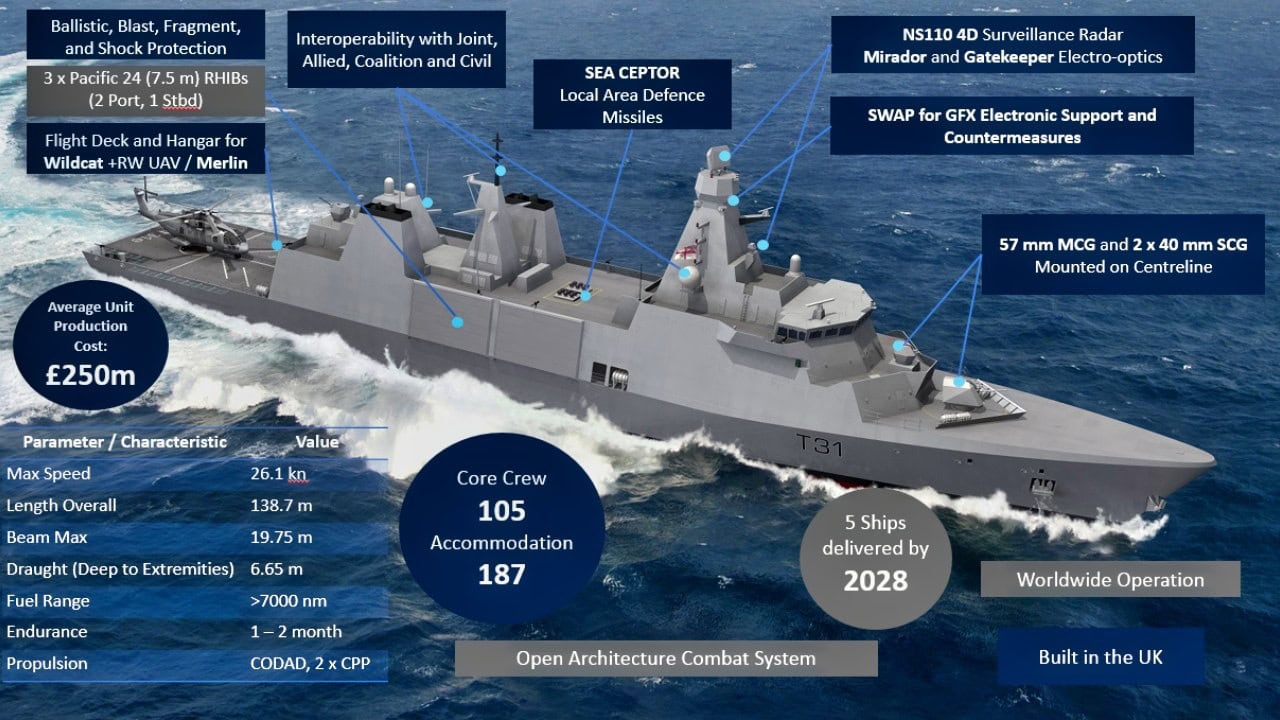
The Miecznik class consists of three multi-purpose frigates — ORP Wicher, ORP Burza, and ORP Huragan. The basis is the Arrowhead-140 design from the British company Babcock International, the same platform family from which the British Type 31 frigates are derived. Construction is taking place in Gdynia, with significant involvement from the Polish defense industry. The program is estimated to cost around 3.5 billion dollars (according to Marine Insight).
- Displacement: approximately 7,000 tons
- Length: about 138 meters, width around 20 meters
- Propulsion: CODAD with four diesel engines, 28 knots, range approximately 8,000 nautical miles
- Crew: around 120 personnel, space for up to 60 more
- Armament: Mk-41 VLS with CAMM surface-to-air missiles, Saab RBS-15 anti-ship missiles, torpedoes, and naval gun
The Wicher is expected to be commissioned in 2029, with the two sister ships to follow at the beginning of the next decade. It will replace a fleet that should have long been history: The Polish Navy still operates two former US frigates of the Oliver Hazard Perry class, which were launched in the early 1980s and acquired from American stocks after the turn of the millennium. Additionally, there is the corvette ORP Kaszub and the patrol corvette ORP Ślązak. A submarine fleet that deserves the name does not exist.
The Maritime Gap in Polish Rearmament
In 2026, Poland is spending around 200 billion Złoty, about 4.8 percent of its gross domestic product, on defense. Land and air forces are being modernized at a breathtaking pace: M1 Abrams and K2 battle tanks, Wisła and Narew air defense systems, F-35 and FA-50, AH-64E attack helicopters. Only the navy has long remained the neglected child — a country with more than 500 kilometers of Baltic Sea coastline and a central position on NATO's northeastern flank had no modern frigate.
The Miecznik class fills exactly this gap. The ships are intended to protect the Baltic Pipe gas pipeline, offshore wind farms, and underwater infrastructure, escort convoys, and above all, perform one task: anti-submarine warfare in waters that are ideally suited for submarines. In the shallow, busy Baltic Sea, warning times are short, and integration requirements are high. This is precisely what the platform, with its 7,000 tons and large payload capacity, is designed for.
Germany Cuts, Poland Builds
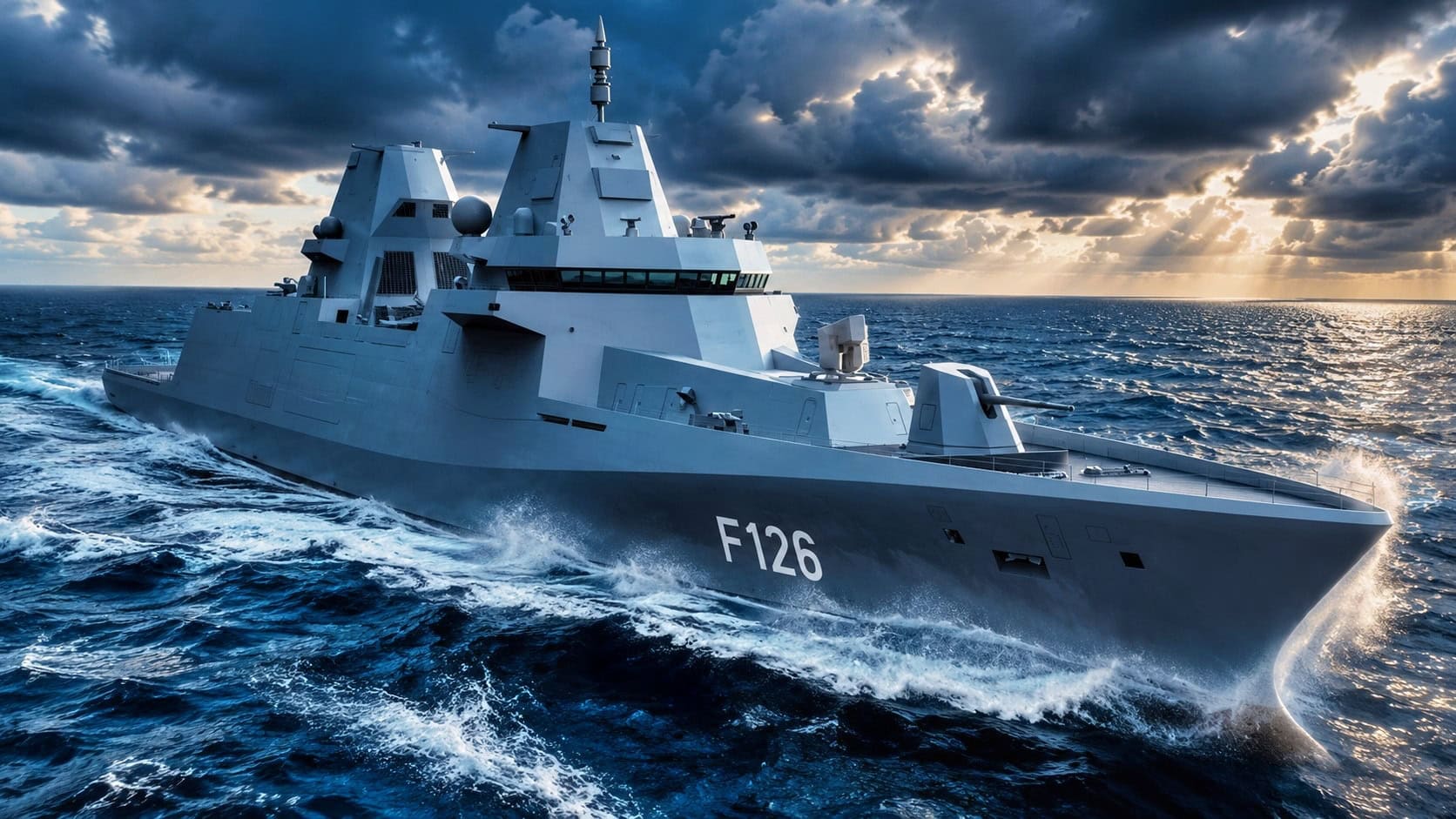
The cancellation of the German F126 in June 2026 cost Rheinmetall, according to its own statements, 300 million euros in the naval sector, lowered the annual forecast from 14.0–14.5 to 13.7–14.2 billion euros, and reduced the order backlog from around 135 to more than 100 billion euros. The company's investment rate fell from 16 to 8 to 9 percent (according to Reuters). These are figures to remember when Berlin once again speaks of a turning point.
What appeared in Berlin as a budget decision is, in reality, an industrial policy massacre. The F123, F124, and F125 of the navy are aging, and no replacements are in sight. Those who cut capabilities today will pay more tomorrow — or not at all. The German Navy remains the neglected child of the security policy realignment, and the industrial base for surface shipbuilding in Germany continues to shrink.
The Arrowhead 140 Model — Sovereignty Through Production
The real lesson lies in the procurement model. Poland is purchasing a proven foreign design and building it in its own country, with its own integration and supply chain. This is pragmatism without loss of sovereignty — or better: sovereignty through production instead of development. Germany, on the other hand, wanted to pursue a national special path with the F126, involving complex division of labor and endless delays. In the end, it was canceled.
One does not need to sugarcoat the contrast: The Polish Navy is small, the submarine question remains unresolved, and dependence on British and Swedish suppliers persists. But Poland has taken the only path that matters in the current situation: license plus domestic production plus clear deadlines. Those who replicate a proven platform save development time and gain shipyard and integration expertise. This is precisely the logic that Germany has abandoned with the F126 — while simultaneously speaking of Europe's strategic autonomy.
A Paradox to Conclude
The eastern flank state with 4.8 percent defense spending demonstrates what the largest EU budget fails to achieve: a frigate program that is actually being launched.
The cancellation of the F126 saves money in the budget year but costs the maritime industrial base decades. The special fund has largely evaporated, and the procurement turnaround has forgotten the navy. Those who cut lose — even if they only feel it in ten years. Poland has understood the calculation. Berlin apparently has not.
Sources
- Army Recognition: Poland Launches First Miecznik-Class Frigate ORP Wicher (August 11, 2026)
- TVP World: Poland Rolls Out New Warship in Biggest Naval Program in Its History (August 10, 2026)
- Marine Insight: Poland Rolls Out First New-Generation Frigate Under $3.5 Billion Naval Modernisation Plan (August 10, 2026)
- MILMAG: Arrowhead 140 — From Britain's Type 31 Frigates to ORP Wicher (August 11, 2026)
- Reuters: Rheinmetall Scales Down 2026 Sales Outlook on Scrapped Frigate Program (August 6, 2026)
Poland launched the ORP Wicher frigate on August 9, 2026, as part of its largest naval modernization program, which includes three Miecznik-class frigates. This launch contrasts with Germany's cancellation of its F126 frigate program in June 2026, which has significant implications for its naval capabilities. The ORP Wicher is set to enhance Poland's maritime defense, particularly in anti-submarine warfare.
- Poland launched the ORP Wicher frigate on August 9, 2026.
- The Miecznik-class includes three frigates: ORP Wicher, ORP Burza, and ORP Huragan.
- Germany canceled its F126 frigate program in June 2026, impacting its naval capabilities.
- Poland's naval modernization program is budgeted at approximately $3.5 billion.
- The ORP Wicher is designed for anti-submarine warfare and protecting maritime infrastructure.