Pantsir-S1

🇷🇺Russian Federation
KBP Instrument Design Bureau
2003 – Present
Spotlight

Russia's gun-missile point defense: guards S-400 sites, struggles against cheap drones

How Effective is the Pantsir? (Covert Cabal)

Watch on YouTube
Overview
Pantsir-S1
The Pantsir-S1 is a self-propelled, medium-range surface-to-air missile and anti-aircraft artillery system, designed to engage a variety of aerial targets.
Specifications

General

Barrels2
Missiles57E6
Caliber Mm30 mm
Radar Typedual waveband tracking radar
Ammo Capacity1,400
Weight Tonnes38 tonnes
Max Altitude M15,000 m
Effective Range Km20 km

Other

Crew3
ChassisKamAZ-6560 8x8 (MZKT-7930, BAZ and tracked GM-352M1E on other builds)
Gru Index96K6
Gun Armament2 x 2A38M 30 mm autocannon, ~40 rounds/sec combined
Missile Warhead Kg20 (blast-fragmentation rod)
Nato Reporting NameSA-22 Greyhound
Simultaneous Targetsup to 4 (claimed)
Search Radar Detection Km32-36 (reported)
Latest Developments
Oct 10, 2026strong signal
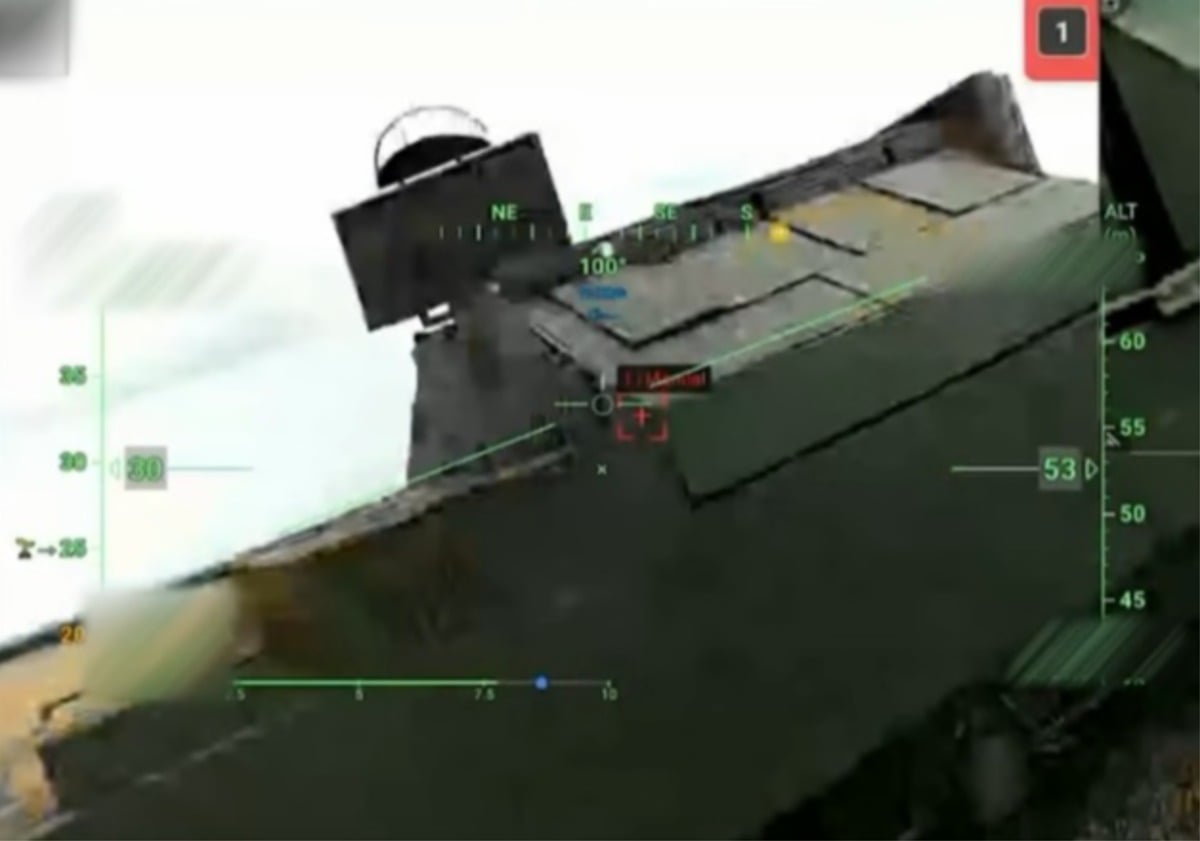
Ukrainian drone destroys Pantsir on Russian ‘Flakturm’

Ukraine’s General Staff said its forces hit another Pantsir-S1 near Kudepsta in Russia’s Krasnodar region on Oct. 8 and into Oct. 9.

Oct 3, 2026strong signal
Russia shows Pantsir air defense on Belarus-built chassis

Open-source tracking group Oryx had recorded at least 52 Russian Pantsir systems destroyed or damaged.

Sep 17, 2026strong signal
Ukraine claims 6 aircraft hit at Russian airbase in Rostov

Entity 'Pantsir-S1' mentioned in report

Aug 15, 2026strong signal
UFORCE promotes Magura combat record for U.S. bid

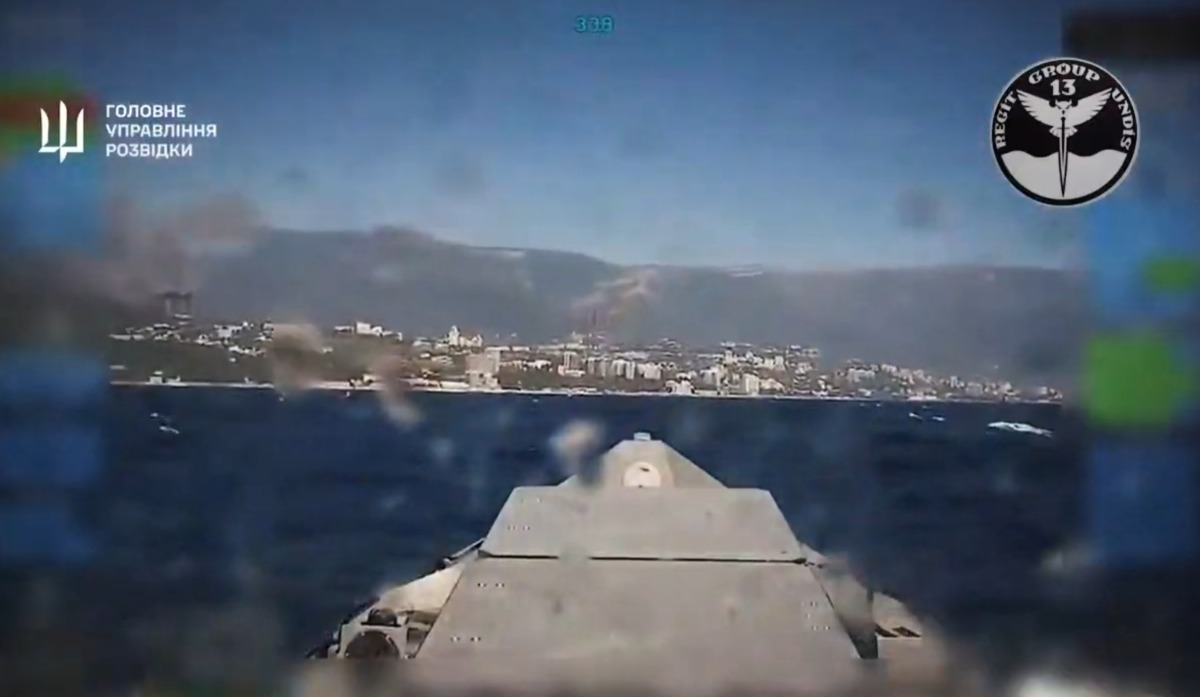
GUR said Group 13 destroyed a Pantsir-S1 air defense system valued at roughly $15 million, along with a military crane.

Aug 2, 2026strong signal
Ukraine's F-16s Are Burning Hours Killing 2,500 Russian Drones

Entity 'Pantsir' mentioned in report

Jul 18, 2026strong signal
Russia’s decoy tactic aims to blunt Ukraine’s relentless drone strikes

every genuine Tor, Pantsir, or S-300 battery destroyed in that campaign costs Moscow tens of millions of dollars and weeks or months to replace.

Jun 23, 2026strong signal
Ukraine Hit Russia's Iskander Supply Chain Where It Hurts

Pantsir-S1 is part of the defensive shield Russia uses to protect air bases, refineries, headquarters, and the same defence-industrial sites Ukraine is now trying to reach.

Featured Coverage
Research Notes

Development History

medium

Pantsir-S1 is the baseline operational member of Russia's Pantsir short-range air-defense family.

Pantsir-S1 is the best-known operational version of the Pantsir family. Developed by KBP as a mobile gun-missile system, it entered service in the 2000s and became widely exported. It was designed to defend strategic facilities, mobile units, and higher-tier air-defense systems against aircraft, helicopters, cruise missiles, guided bombs, and UAVs. The S1 version established the family architecture that later upgrades expanded. Its prominence in Syria, Libya, and Ukraine made Pantsir-S1 one of the most visible modern Russian SHORAD systems.

Technical Profile

medium

Pantsir-S1 mounts short-range SAMs and twin 30 mm cannon on a radar-equipped wheeled vehicle.

Pantsir-S1 combines twelve ready-to-fire 57E6-series missiles, twin 30 mm automatic cannon, target-acquisition radar, tracking radar, and electro-optical systems on a mobile chassis. CSIS lists the Pantsir-S1 missile engagement range at about 20 km, with longer ranges for later variants. The system can engage multiple target classes, but it must manage radar visibility, reload limitations, and sensor clutter. Its hybrid missile-gun setup is useful against mixed threats, though modern drone swarms and precision weapons can stress ammunition and reaction capacity.

Operational Use

medium

The system is widely operated and combat-proven, with effectiveness depending heavily on integration and crew skill.

Operationally, Pantsir-S1 is used for point defense around air bases, command sites, strategic infrastructure, and other SAM systems. Export operators include several Middle Eastern and North African states, while Russia has used the system heavily in recent conflicts. Combat evidence shows both successful interceptions and high-profile losses, often tied to poor positioning, depleted ammunition, inactive radar, or insufficient network support. That makes Pantsir-S1 a useful example of modern air defense: capable as part of a layered network, vulnerable when isolated or saturated.

Key parameters at a glance

medium

Headline figures are open-source estimates unless stated. Russian-quoted envelope and reaction-time numbers are marked as claimed; sources disagree on the missile altitude ceiling (10 km in Western factsheets vs 15 km in Russian marketing).

Role
Self-propelled gun-missile SHORAD; point defense for S-300/S-400 batteries, airbases and fixed infrastructure
Designation
96K6 Pantsir-S1 (NATO: SA-22 Greyhound)
Designer
KBP Instrument Design Bureau, Tula (Rostec / High Precision Systems)
Missile armament
12 x 57E6 two-stage radio-command SAMs in sealed tubes
Missile envelope
1.5-20km (S-1M ~30 km, SM ~40 km, both claimed)
Missile
3.3 m, 170 mm, ~75.7 kg launch weight, 20 kg blast-fragmentation warhead
Gun armament
2 x 2A38M 30 mm, ~4 km slant range, ~3 km altitude
Sensors
Phased-array search radar (32-36 km, ~20 tracks) + dual-waveband tracking radar + EO/IR channel
Engagement capacity
Up to 4 targets simultaneously; 4-6s reaction time (claimed)
Operators
Russia plus Algeria, Iran, Iraq, Jordan, Oman, Serbia, Syria, UAE, Vietnam and others

Program milestones

medium

Publicly reported milestones. Russian in-service dates vary between initial deliveries and formal state adoption.

1990Development launched

KBP begins work on a wheeled gun-missile system to succeed the tracked 2K22 Tunguska and cover point targets that larger SAM systems cannot protect at close range.

2000UAE contract revives the program

A large United Arab Emirates order funds completion of development after Russian domestic funding stalled through the 1990s, driving the KamAZ-chassis export configuration.

2003Initial service entry (reported)

First Pantsir-S1 units are reported in Russian service, though the type remains in limited numbers pending completion of the UAE-funded upgrade work.

2012Formal Russian adoption

The Russian Armed Forces formally adopt Pantsir-S1, with serial deliveries to air-defense brigades and to units guarding S-300 and S-400 sites.

2018Syria: repeated losses to Israeli strikes

Syrian-operated Pantsir-S1s are destroyed on multiple occasions by Israeli standoff munitions and loitering weapons, with strike footage showing systems engaged while stationary or out of ammunition.

2020Libya losses and Serbian delivery

UAE-supplied Pantsir-S1s in Libya are repeatedly destroyed by Turkish Bayraktar TB2 drones, exposing gaps against small, slow, low-radar-cross-section targets. Serbia receives its first Pantsir-S1 battery the same year.

2023Moscow rooftop deployments

Pantsir launchers appear on rooftops of government and infrastructure buildings in and around Moscow as Ukrainian long-range drone strikes reach the capital region.

2024-08Pantsir-SMD-E unveiled

A gunless, counter-drone-optimized variant is shown at Army-2024 carrying up to 48 small TKB-1055 interceptors (~7 km range) in place of 12 57E6 missiles.

Strategic significance

medium

The Pantsir-S1 occupies a specific and largely unglamorous niche in Russian air defense: it is the bodyguard for everything else. Long-range systems such as the S-300 and S-400 have substantial minimum engagement ranges and expensive interceptors, and are themselves priority targets for standoff weapons. Pantsir was designed to sit alongside them and handle what leaks through at close range, using cheap 30 mm rounds for the smallest targets and 57E6 missiles out to a claimed 20 km. That layered logic is sound, and it is why the system has sold widely across the Gulf, North Africa and Southeast Asia despite a mixed combat record.

That record is the problem. In Syria from 2018 and in Libya from 2019 to 2020, Pantsir-S1s were repeatedly destroyed by Israeli standoff munitions and Turkish Bayraktar TB2 drones, in several cases while stationary, unmanned or out of ammunition. Analysts have attributed the losses less to sensor limitations than to how the systems were employed: sited without wider early warning, operated by thinly trained crews, and left static long enough to be targeted. In Ukraine the same tension appears with more volume. Pantsir units have credited intercepts of drones, cruise missiles and reportedly some guided bombs, but they have also been struck by FPV drones and artillery, and Russia has had to field them in far greater numbers than planned. Germany reported over 40 additional systems deployed around Moscow in 2025 alone.

The response has been to redesign the system around the threat that exposed it. The Pantsir-SM extends missile range to a claimed 40 km, while the counter-drone Pantsir-SMD-E drops the guns entirely for up to 48 small TKB-1055 interceptors of roughly 7 km range, trading reach for magazine depth against cheap mass. The most visible expression of that shift is urban and static rather than mobile: fixed launchers on purpose-built towers and on Moscow rooftops, including the 42-story Nordstar Tower near the Kremlin in 2026. A mobile field system originally meant to escort maneuver forces is increasingly being used as fixed infrastructure defense, which is a reasonable adaptation to the drone era but also an admission of how much interceptor volume that era demands.

Videos

Pantsir-S1 Air Defence Missile/Gun System (Rosoboronexport)

Watch on YouTube

Is the Pantsir really the world's best gun-missile SPAAG? 96K6 family development history (Topper)

Watch on Bilibili

Pantsir-S1 explained: the Gulf-funded revival of Russian short-range air defense (Hunt Weapons Bureau)

Watch on Bilibili
Sources & References
Related Discussions

No discussions about Pantsir-S1 yet

Start the first discussion