The S-400 has been the anchor of Russia's layered air and missile defense network and the centerpiece of its anti-access/area-denial posture from Kaliningrad to Syria and Crimea. Its combination of a long-range acquisition radar, the 92N6E engagement radar, and a mixed missile loadout spanning roughly 40 to 400 km lets a single battalion cover airspace that would otherwise require several shorter-range systems, which is why its deployments have repeatedly shaped NATO and coalition air planning.
As an export product, the S-400 has arguably had more geopolitical impact than any other Russian weapon of the past two decades. Turkey's 2019 purchase triggered its removal from the F-35 program and CAATSA sanctions — a rupture inside NATO that remains unresolved — while India's US$5.43 billion, five-squadron deal tested Washington's sanctions policy toward a strategic partner and, per Indian officials, saw combat-relevant use during the May 2025 India-Pakistan clashes. China's early adoption strengthened its coverage over the Taiwan Strait periphery before domestic HQ-9B derivatives matured.
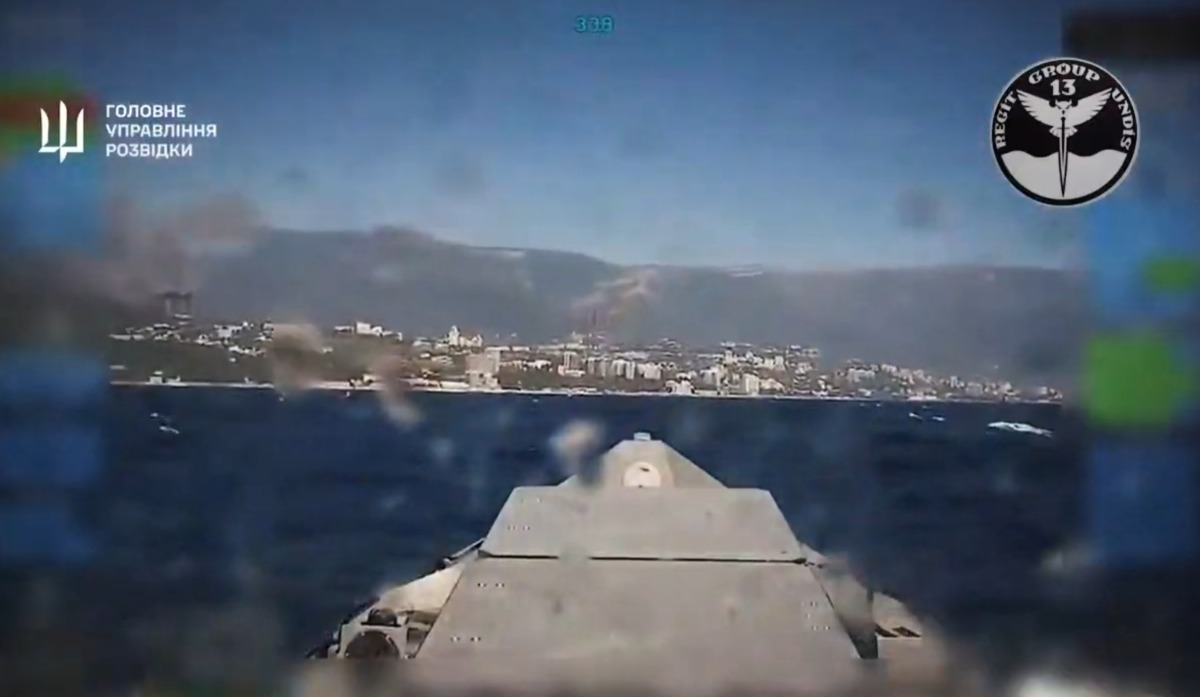
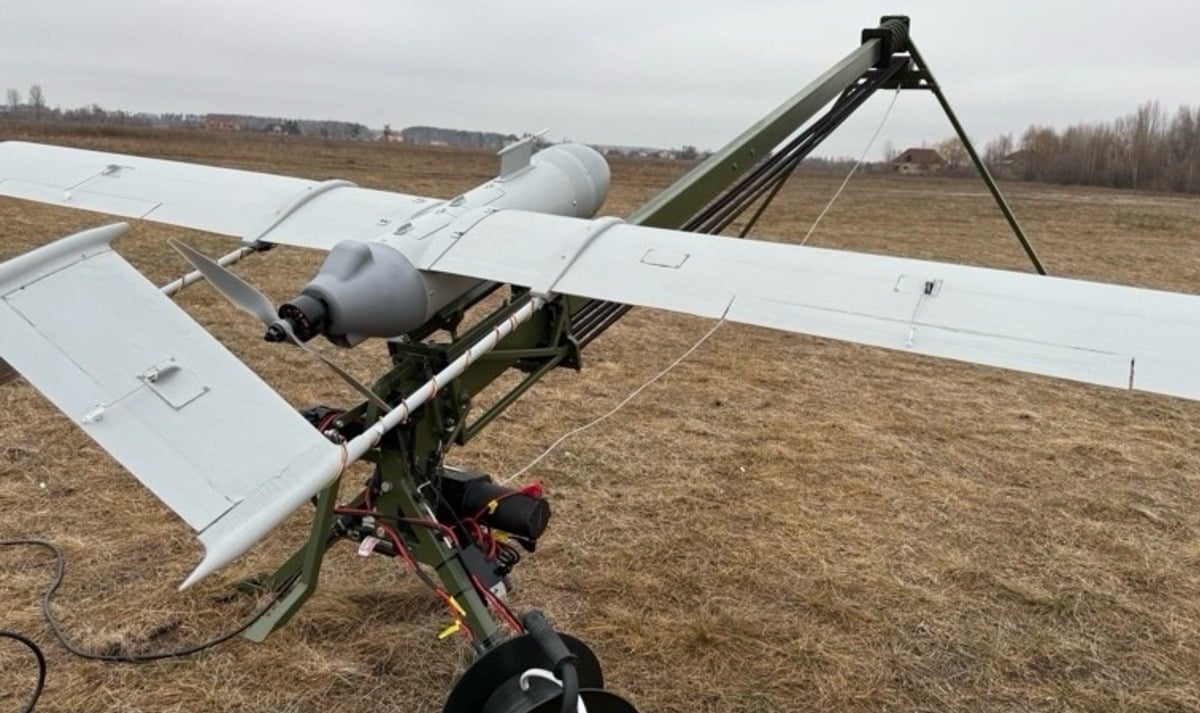
The war in Ukraine has complicated the system's reputation. Ukrainian ATACMS, cruise missile, and drone strikes have destroyed multiple S-400 launchers and radars in Crimea and near the front, exposing the vulnerability of large, emission-heavy SAM systems to saturation and standoff attack when not adequately layered with point defenses. Russian and some operator accounts credit the system with long-range kills, and independent verification of both claims and losses is limited; the balanced reading is that the S-400 remains a capable area-denial system whose survivability depends heavily on doctrine, dispersion, and the density of the opposing strike complex.