The C/D line is where the F-16 stopped being a lightweight day fighter and became a genuine multirole platform. Block 25's AN/APG-68 radar and AMRAAM provisions gave the type credible beyond-visual-range air combat, while Blocks 40/42 and 50/52 layered on LANTIRN night attack and the HARM Targeting System, making late C/Ds the backbone of US and allied strike and SEAD forces for three decades. With over 4,600 F-16s of all versions built, the C/D-derived fleet remains the most numerous Western fighter family in service.
The Block 70/72 keeps that relevance alive into the 2030s. Its AN/APG-83 AESA radar shares substantial software and hardware lineage with the F-35's sensor, and combined with a new mission computer, modern cockpit and the Auto GCAS collision-avoidance system, it offers smaller air forces near-fifth-generation sensing at fourth-generation cost. Deliveries to Bahrain, Slovakia and Bulgaria — with a backlog of over 100 aircraft — indicate the type remains a default choice for NATO members and US partners replacing Soviet-era or early-generation fleets.
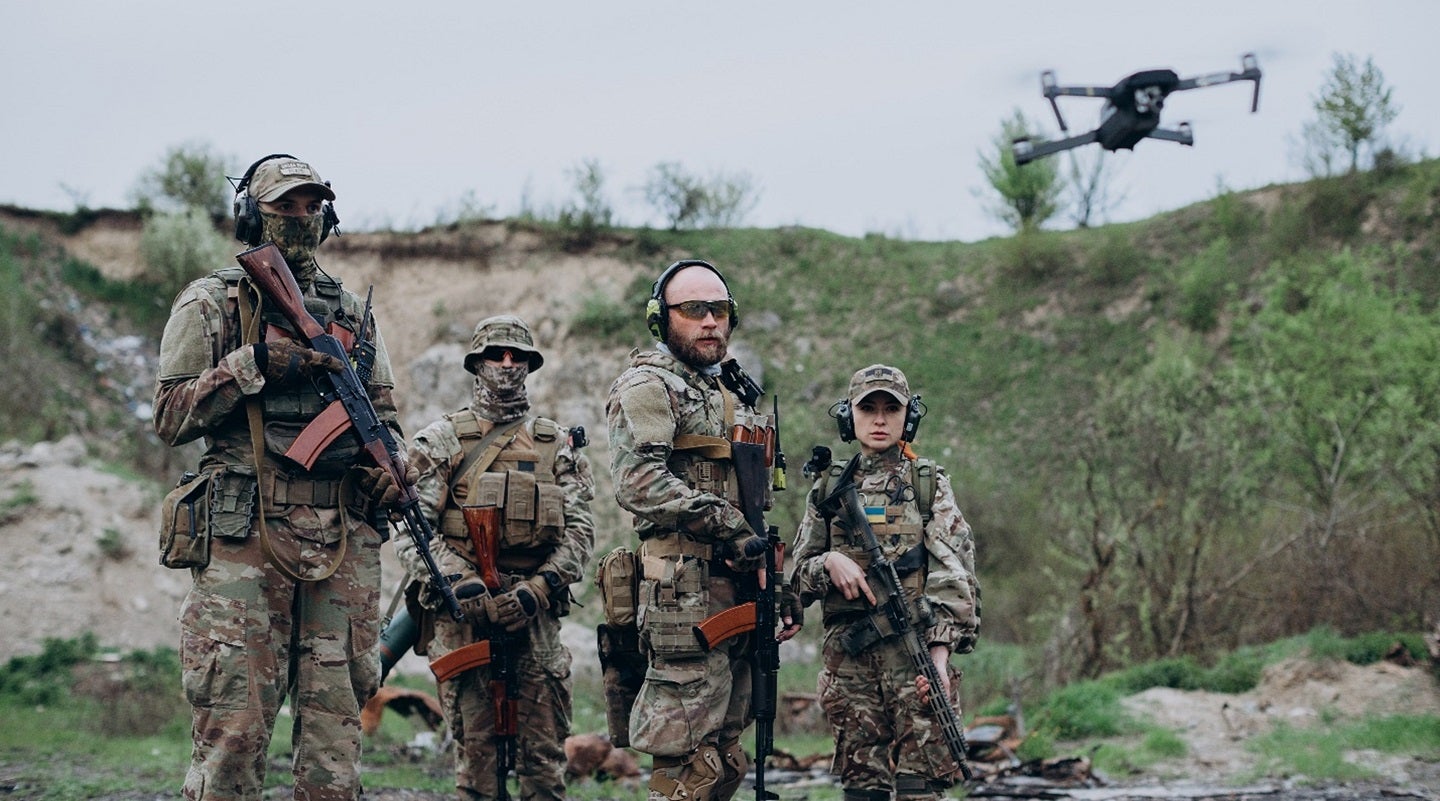
Ukraine's employment of MLU-standard F-16s since mid-2024 illustrates both the family's utility and its limits. The jets have contributed measurably to cruise-missile and drone defense, but operations against a dense, modern integrated air-defense environment have been cautious, and several airframes have been lost. The reasonable inference is that upgraded F-16s remain highly effective in air policing, air defense and standoff strike roles, while contested-airspace penetration increasingly belongs to low-observable types.