
21 PLA Military Aircraft Cross the Taiwan Strait Median Line, 2026 Gray Zone Operations Shift to Normalized Pressure
 Li Minghui
21 PLA Aircraft Cross the Taiwan Strait Median Line, 2026 Gray Zone Operations Shift to Normalized Pressure
From 6:00 AM on October 9 to 6:00 AM on October 10, Taiwan's defense department reported the detection of 21 PLA aircraft, 7 PLA Navy vessels, and 2 government ships around the Taiwan Strait. Among them, 13 aircraft crossed the median line of the Taiwan Strait, entering the air defense identification zone in northern, central, and southwestern Taiwan. The Taiwanese side stated that it has deployed aerial patrol forces, naval vessels, and shore-based missile systems for monitoring.
The Numbers Aren't the Highest, But the Operational Structure is More Noteworthy
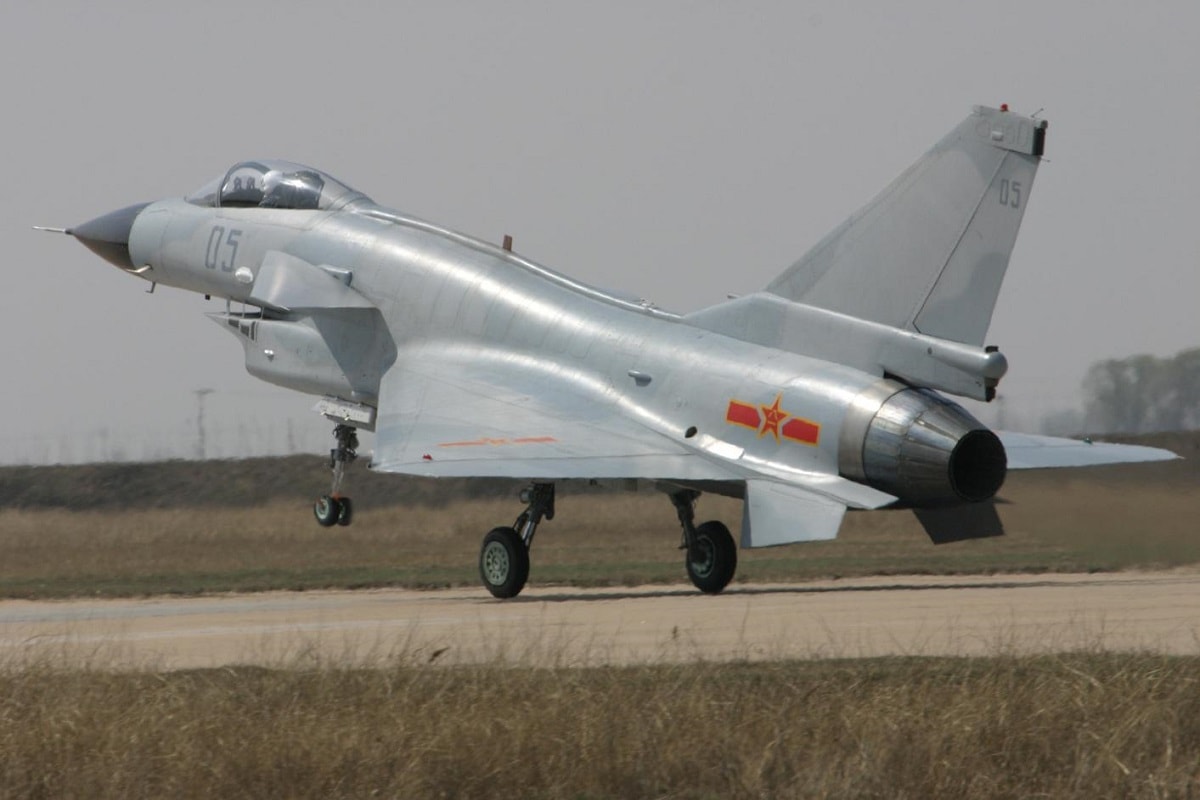
Looking solely at the 21 instances, this is not the peak of Taiwan Strait activities in recent years. What is truly worth analyzing is the simultaneous appearance of aerial forces and maritime platforms, with 13 instances crossing the median line. The median line was previously regarded as an informal buffer zone to reduce the risk of misjudgment, but crossing actions have now become a common component of PLA aerial activities. While it does not equate to the start of combat, it will continue to compress Taiwan's warning and decision-making time.
Daily data from Taiwan's defense department also shows that the PLA is maintaining pressure within an adjustable range. Taiwanese news reports cite data from the department indicating that in September, Taiwan recorded a total of 255 instances of Chinese military aircraft activity and 326 instances of naval activity. In other words, Beijing does not need to conduct large-scale exercises every day; it can rely on high-frequency, dispersed, and readily escalatable actions to maintain its presence.
From Single Crossings to Systematic Attrition
The military value of such actions is not just in demonstrating quantity. Repeated incursions by aircraft into northern, central, and southwestern airspace can force Taiwan to continuously use fighter jets, early warning, and command systems for identification; vessels and government ships extend the monitoring range beyond the airspace. Long-term operations will consume pilot training hours, vessel maintenance cycles, and shore-based radar duty resources.
For the PLA, this is a relatively controllable training method. Pilots can familiarize themselves with flight routes, communications, and joint monitoring processes in an environment close to real confrontation, while naval and air forces can observe Taiwan's response patterns. Public information does not specify which particular aircraft models were used in this operation, so not every crossing can be interpreted as a strike exercise targeting a specific objective; however, from the perspective of force composition, it has already exceeded mere political signaling.
The Dilemma for Taiwan is the Intensity of Response
Taiwan must find a balance between "total interception" and "limited monitoring." The former can demonstrate resolve but will accelerate the consumption of equipment and personnel; the latter can save resources but may allow the PLA to gradually establish a more stable operational rhythm. The simultaneous use of aerial patrols, naval vessels, and shore-based missiles by Taiwan indicates that its air defense response is shifting from single aircraft escorting to multi-layered monitoring.
My judgment is that the most important focus in the near term should not be on how many aircraft appeared on a given day, but rather on the rising baseline of aerial activities in the Taiwan Strait. If the PLA can maintain cross-median line and maritime coordination with fewer forces, the real pressure test in the future will fall on Taiwan's rotation, maintenance, and ammunition reserves. The question is whether Taiwan can control this long-term attrition within a bearable range without significantly escalating the situation.
Information Sources
Taiwan Defense Department "PLA activities in the waters and airspace around Taiwan Oct.10 2026"; Taiwan News "Taiwan tracks 23 Chinese military aircraft, 14 ships"; relevant definitions of gray zone operations refer to publicly available CSIS materials. This article does not make inferences beyond publicly available information regarding equipment models and specific missions.
The People's Liberation Army (PLA) conducted operations involving 21 aircraft and 7 naval vessels crossing the Taiwan Strait median line from October 9 to October 10, 2026. Thirteen aircraft entered Taiwan's air defense identification zone, prompting Taiwan's defense forces to deploy air patrols and naval vessels for monitoring. This operation reflects a shift towards normalized pressure tactics by the PLA in the region.
- 21 PLA aircraft were reported crossing the Taiwan Strait median line.
- 13 aircraft entered Taiwan's air defense identification zone.
- 7 naval vessels and 2 government ships were also involved in the operation.
- Taiwan's defense forces monitored the situation with air patrols and naval vessels.
- The PLA's actions are part of a strategy to maintain pressure on Taiwan.