

George Washington wanted to Have Peace by preparing for War: “To be prepared for war is one of the most effectual means of preserving peace.” George Washington said those words during his first annual address to Congress on January 8, 1790. At the time of his speech, the nation’s capital was in New York City, and America’s first president was making the case for Congress to pay for the creation–and maintenance–of a strong standing army married to a robust national defense policy.
That saying comes from an even older Roman saying that underpins modern deterrence. After all, any nation that can defend itself from a potential attacker is better able to stop such an attack (meaning the attacker must spend more on their own offensive preparations).
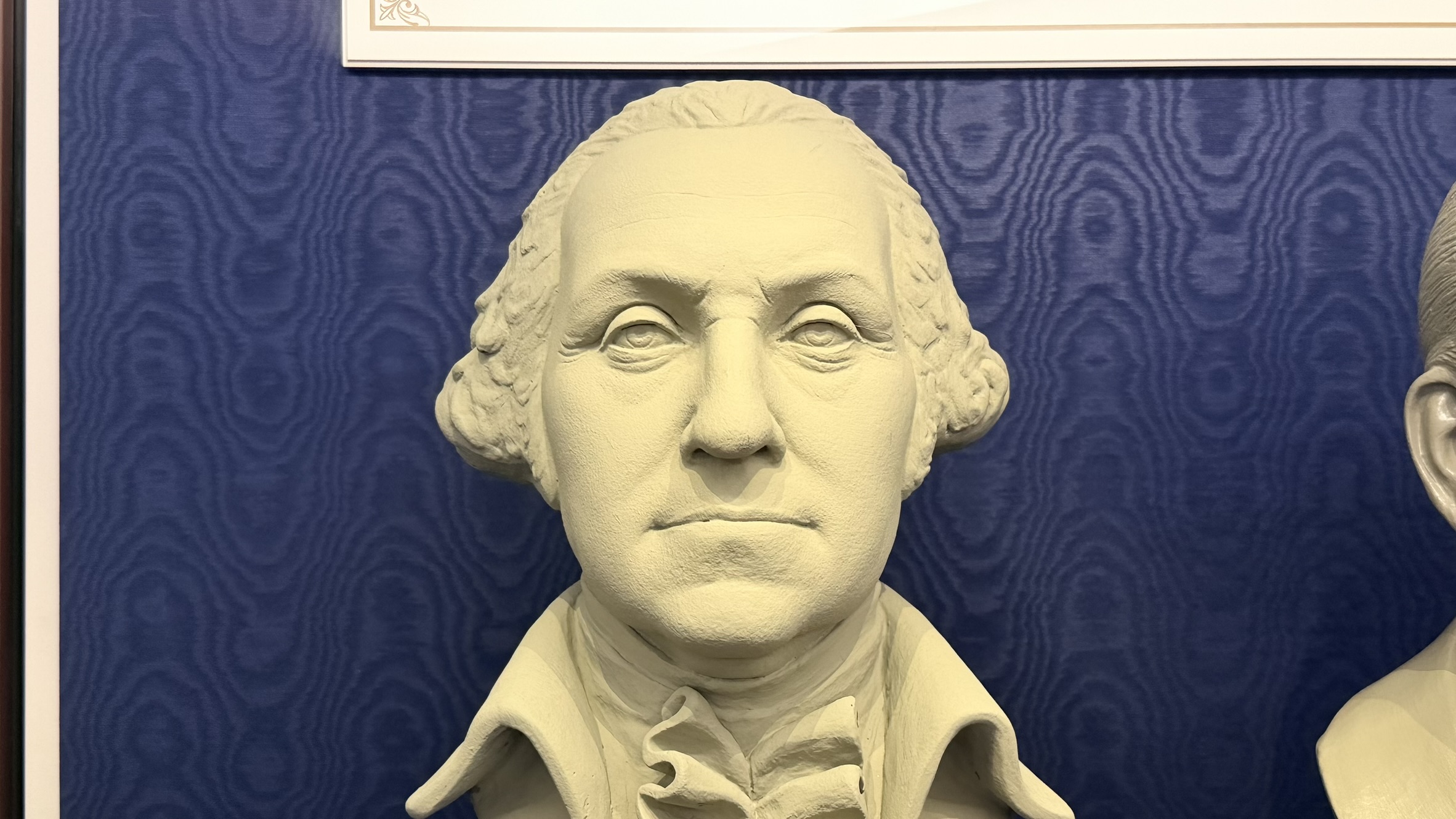
George Washington at Disney Hall of Presidents In Orlando, Florida. Photo taken by Harry J. Kazianis/19FortyFive.com
Washington’s Lived Experience
George Washington spoke from experience. After all, he had led the Continental Army in its righteous war against the British Empire. The Revolutionary War was Washington’s crucible.
He fought for years against the British Empire and had several moments when it seemed he might actually lose.
Employing a Fabian Strategy of avoiding direct contact with the superior enemy forces, Washington kept his forces going by sheer willpower and the notion that independence from Britain–true freedom–lay on the other side of victory.
But Washington knew that a combination of luck and favorable logistics allowed the American Revolution to score its historic victory over the British. To prevent the British or another predatory European power from returning, Washington sought to forge a protective wall of military power in North America that would spare Americans the need to fight another War of Independence. again
George Washington is widely regarded as the greatest of the American Founding Fathers.
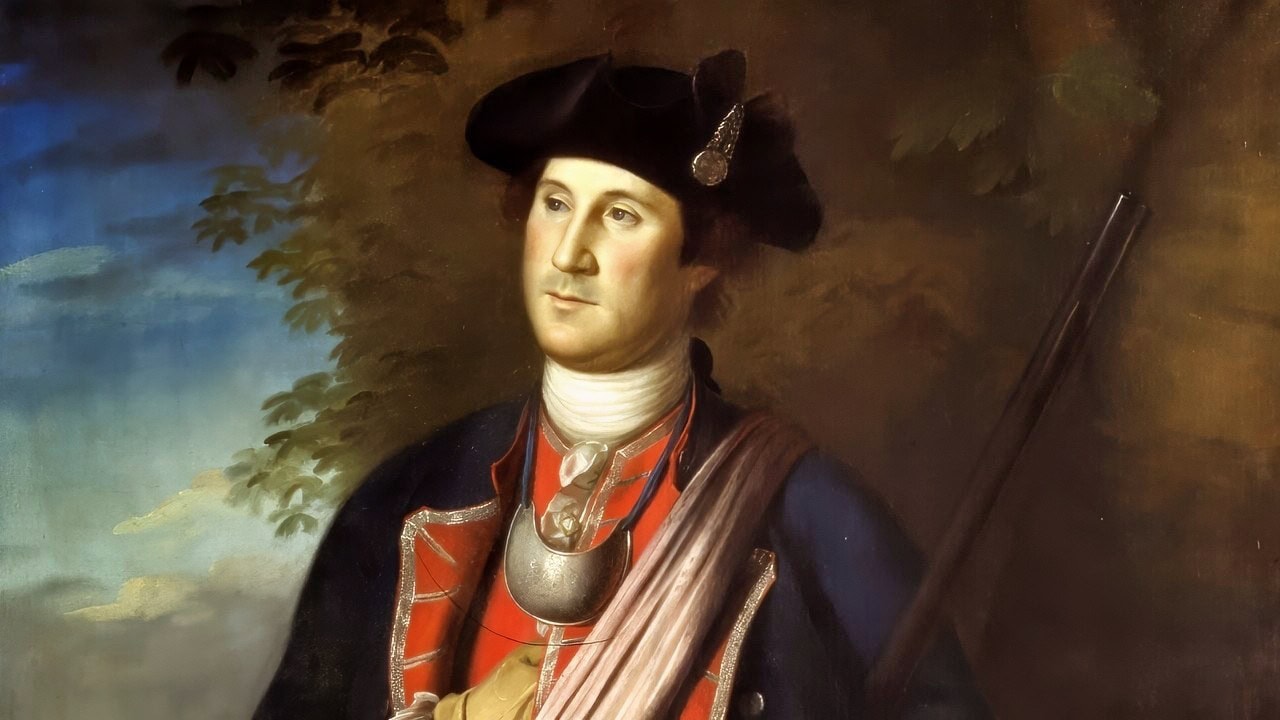
General George Washington Portrait. Image Credit: Creative Commons.
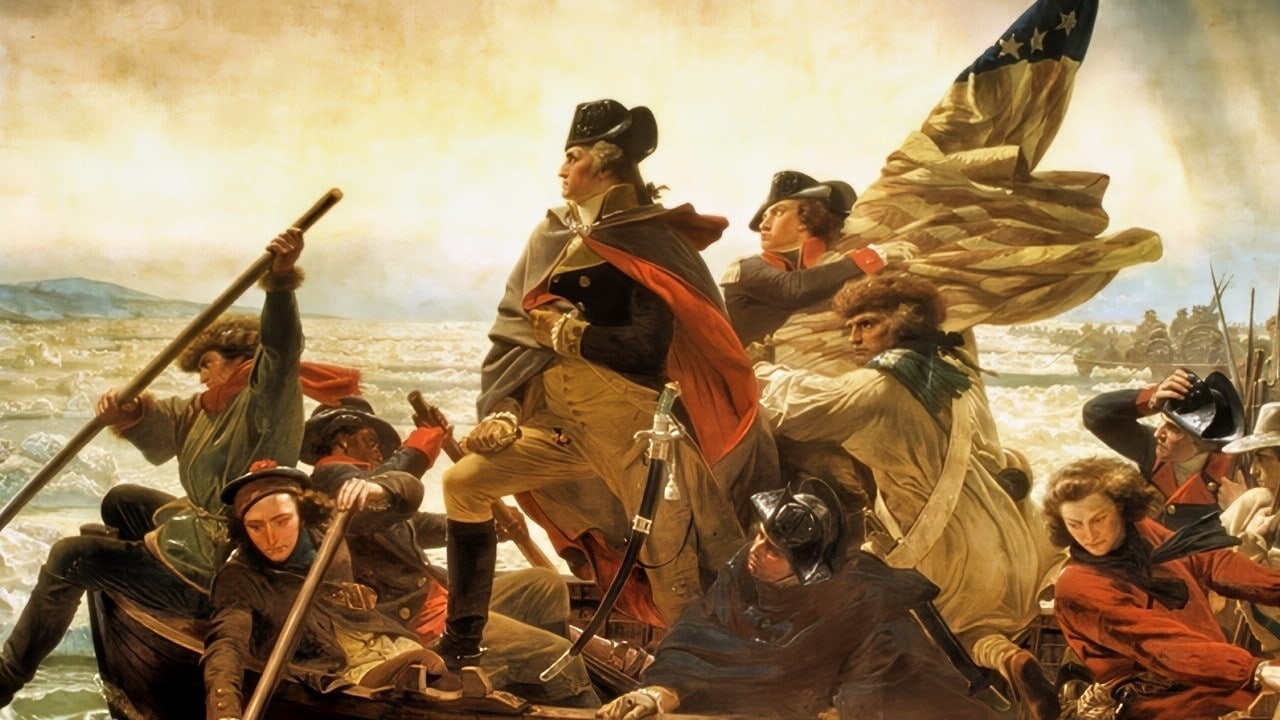
General George Washington. Image Credit: Creative Commons.
A military officer who fought alongside the British in the French and Indian War, he later spent time as a private citizen tending to his family farm at Mount Vernon, along the shores of the Potomac River in northern Virginia.
He was a competent military man, but he was also a land surveyor, plantation owner, and farmer.
Washington embodied the citizen-soldier.
He also served in the Virginia colonial legislature, known as the House of Burgesses. When the Revolution was in the air, he went to the Continental Congress.
There, he befriended other members of the Continental Congress who would ultimately lead the American Revolution and endeared himself to them with his humility and intelligence.
Because of his military experience, humility, and integrity, the other Founding Fathers could not think of a better man to lead the Continental Army through the war.
Washington did more than lead. He lived among his men. He set the traditions that would eventually define the best elements of the United States Armed Forces.
After the war, Washington was horrified by the inefficiency of the government under the Articles of Confederation.
He rallied many of his fellow Founding Fathers to the Constitutional Convention in Philadelphia in 1787.
A New Government
At the Constitutional Convention, a new sort of Revolution occurred. A revolution of process, in which the members there debated and decided that a federal government was the best form of post-revolutionary government.
The Articles of Confederation could not work. Washington was made the first president of the newly formed constitutional government. He eschewed signs of royalty, keeping with both the ethos of the American Revolution and his own lifestyle as a citizen-soldier.
Indeed, Washington not only refused to be called “His Majesty,” preferring instead “President,” a lesser designation in democratic tradition, but also refused to serve more than two terms. He feared becoming a king (which some wanted).
But Washington always fretted over the survivability of the republic which he helped create, especially in those early years after the Revolution. That’s why Washington risked his reputation by remaining neutral in wars between the British and French Empires. That is why he wanted to keep America out of foreign entanglements.
That is why he wanted to depend on the American people to build a protective military wall that’d keep any enterprising foreign adversary from attacking the United States.
About the Author: Brandon J. Weichert
Brandon J. Weichert is the Senior National Security Editor at 19FortyFive.com. He also manages The Weichert Brief on Substack. Weichert also hosts “National Security Talk” on Rumble. He is the author of four bestselling national security books, most recently A Disaster of Our Own Making: How the West Lost Ukraine (Encounter Books). Follow him via Twitter/X @WeTheBrandon.