

US President Donald Trump’s second term is turning into a strange campaign to alienate American allies and partners. In recent weeks, the US has refused to help Saudi Arabia against Houthi attacks, called for Ukraine’s president to be replaced, split NATO into favored and disfavored members, and suspended consular services in Brazil days before its presidential election. The trade war with Canada grinds on.
Any one of these choices might be defended. Together, they form a pattern. When Trump leaves office in January 2029, his successor will inherit a United States with fewer friends than at any time since 1945.
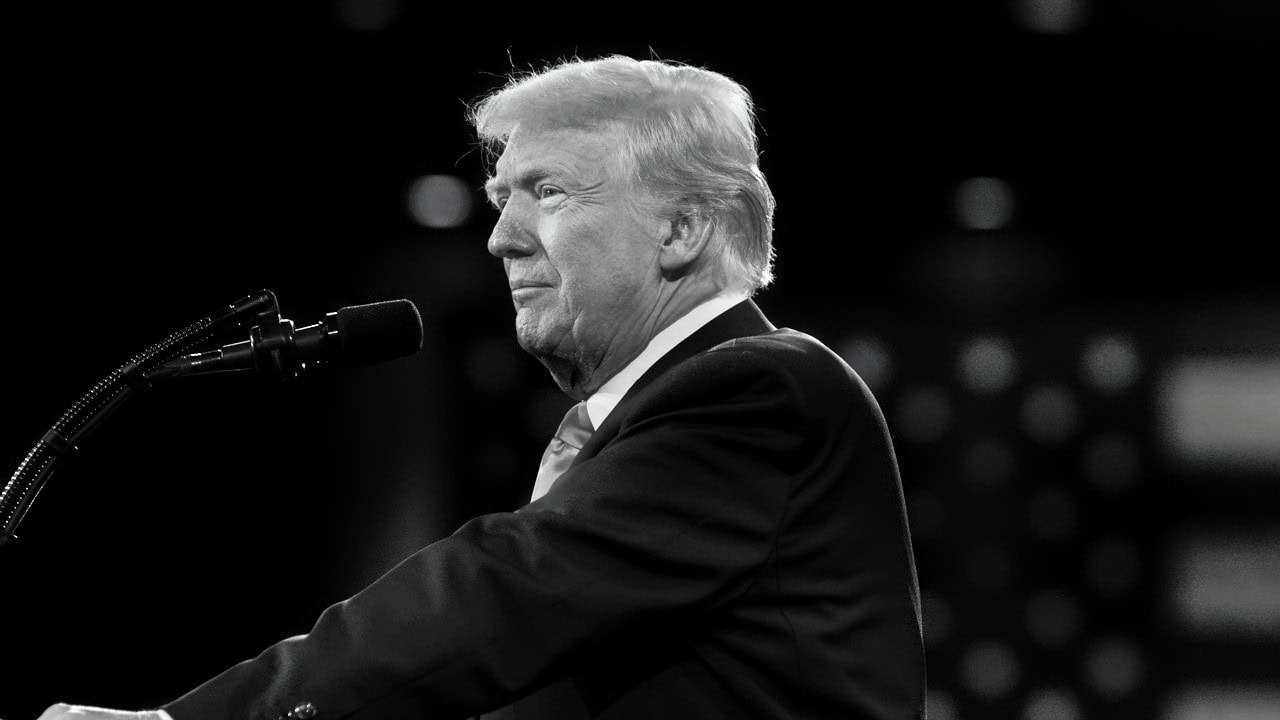
President Donald Trump speaks at the Conservative Political Action Conference at the Gaylord National Resort & Convention Center in Oxon Hill, Maryland, on Saturday, February 22, 2025. (Official White House Photo by Molly Riley
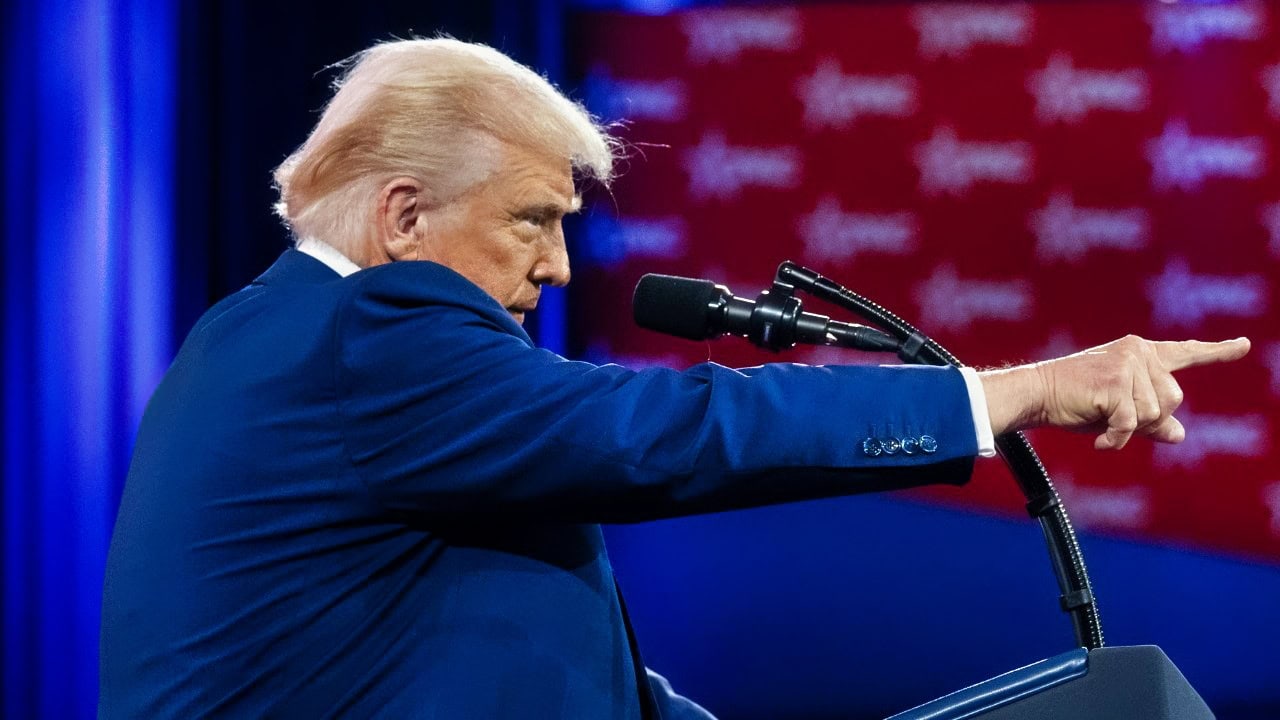
President Donald Trump speaks at the Conservative Political Action Conference at the Gaylord National Resort & Convention Center in Oxon Hill, Maryland, on Saturday, February 22, 2025. (Official White House Photo by Molly Riley.
That is genuinely new for America.
Partial Abandonment
In the Persian Gulf, the U.S. designated Saudi Arabia a major non-NATO ally only last November.
Yet when Crown Prince Mohammed bin Salman asked Trump last month to strike the Houthis – who are blockading Saudi oil in the Red Sea and firing missiles at Riyadh – Trump refused. He even quipped that the Houthis are unhappy with ‘just one country.’ A former US ambassador to Riyadh called this the Saudis’ ‘worst-case scenario.’ Riyadh is already hedging through its new Mecca Pact with Pakistan and Turkey.
Ukraine has fared worse. Earlier this month, Trump struck a diesel deal with Russian President Vladimir Putin. When Ukraine kept hitting Russian refineries anyway, Trump announced that ‘it’s time for Ukraine to get a new president,’ because Volodymyr Zelensky ‘could have settled this war many times.’ Meanwhile, Ukraine has received only a third as many air defense missiles this year as last year, by Zelensky’s count.
In Europe, the Pentagon has created a ‘Bergen Group’ of six favored NATO members. Britain, France, and the Baltic states – the latter particularly exposed to Russia – are out.
Canada, America’s closest neighbor, is in a trade war. Talks collapsed in August over 50% US tariffs, and Ottawa retaliated. And in Latin America, the US has conducted more than 70 lethal strikes on boats in the Caribbean and Pacific, is choking off fuel to Cuba, and has picked fights with Brazil’s government ahead of its election.
This is New
Americans should know how unusual this is.
Since World War II, the US has been the hub of the largest alliance network in history. Even critics of American foreign policy conceded that Washington’s friends were its greatest strategic asset.
China and Russia have clients, not allies. The US has had dozens of willing partners on every continent.
That network was never purely sentimental. Allies cooperated because they believed US commitments were mostly reliable, and because Washington treated them with respect. Both beliefs are now eroding.
In Pew’s latest global survey, only 35% of Canadians called the US a reliable partner, down from 83% in 2022. In Germany, Sweden, and the Netherlands, reliability ratings fell more than forty points.
Some will argue that allies have nowhere else to go. Exiting the American alliance network is expensive. It requires much higher defense spending, and no real alternatives exist. So allies grumble and stay.
But that logic applies to the threat of abandonment. Actual abandonment, what Riyadh and Kyiv are now experiencing, is different. It teaches allies that expensive self-help is worth paying for after all.
The Next President Inherits the Damage
This damage will outlast Trump. Allies have learned that the American electorate will select a president who sides with Russia, ignores Gulf partners under fire, and treats Canada as an adversary. They will assume it can happen again. A Democrat in 2029 will be greeted warmly, but no ally will rebuild its security around Washington as it did before 2017. A Trumpist president could always be elected in the future.
So allies will hedge. Europe will build its own defense industry and debate its own nuclear deterrent. The Gulf states will deepen ties with Pakistan, Turkey, and China. Canada will diversify its trade away from the US. Latin America will drift further toward Beijing, already Brazil’s largest trading partner.
The upshot is an America that remains powerful but increasingly alone. That may suit MAGA’s taste for unilateralism. But it will make every future challenge, above all the rise of China, harder and costlier to meet.
Friendless great powers are rarely successful ones.
Author: Dr. Robert Kelly, Pusan National University
Dr. Robert E. Kelly is a professor of international relations in the Department of Political Science and Diplomacy at Pusan National University in South Korea. His research interests focus on Security in Northeast Asia, U.S. foreign policy, and international financial institutions. He has written for outlets including Foreign Affairs, the European Journal of International Relations, and The Economist, and has appeared on television news services such as the BBC and CCTV. His personal website/blog is here; his Twitter page is here.