

The British Army is preparing to receive a new main battle tank for the first time in years. That platform, the Challenger 3, builds on the technologies of its predecessor, the Challenger 2, but integrates a new turret and a new main gun, which is shared with the rest of the NATO alliance.
While it retains the hull of the older Challenger 2 tank, its new smoothbore 120mm main gun will align it with the ammunition used by the rest of NATO, a boon for logistics.
The Challenger 3 is almost assuredly more capable than the older Challenger 2 — but it has not escaped criticism.
Not necessarily because of any of its particular features, but because of how many Challenger 3s the British Army is slated to ultimately receive.
Show Me the Numbers on the Challenger 3
The Challenger 3 certainly offers significant firepower upgrades over its predecessor, the Challenger 2, but it has not escaped criticism.
One of the biggest criticisms of the tank is not its capabilities, but its acquisition numbers.
At 148 vehicles, the future British Army tank fleet will be incredibly small — so small that some critics have pointed out it would be difficult for the Challenger 3 fleet to absorb losses and maintain a reserve of any meaningful size.
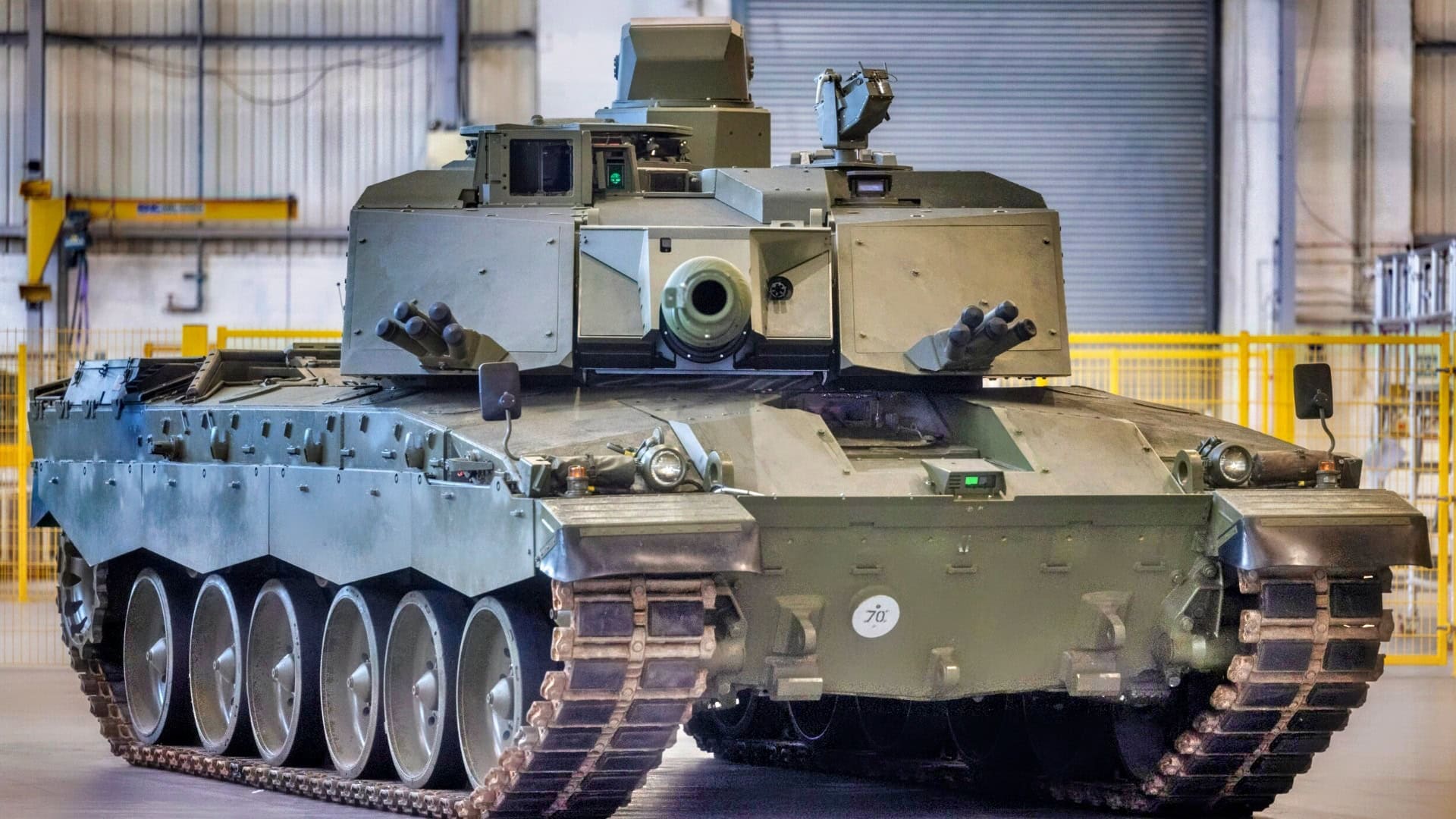
Challenger 3 Tank. Image Credit: British Government.
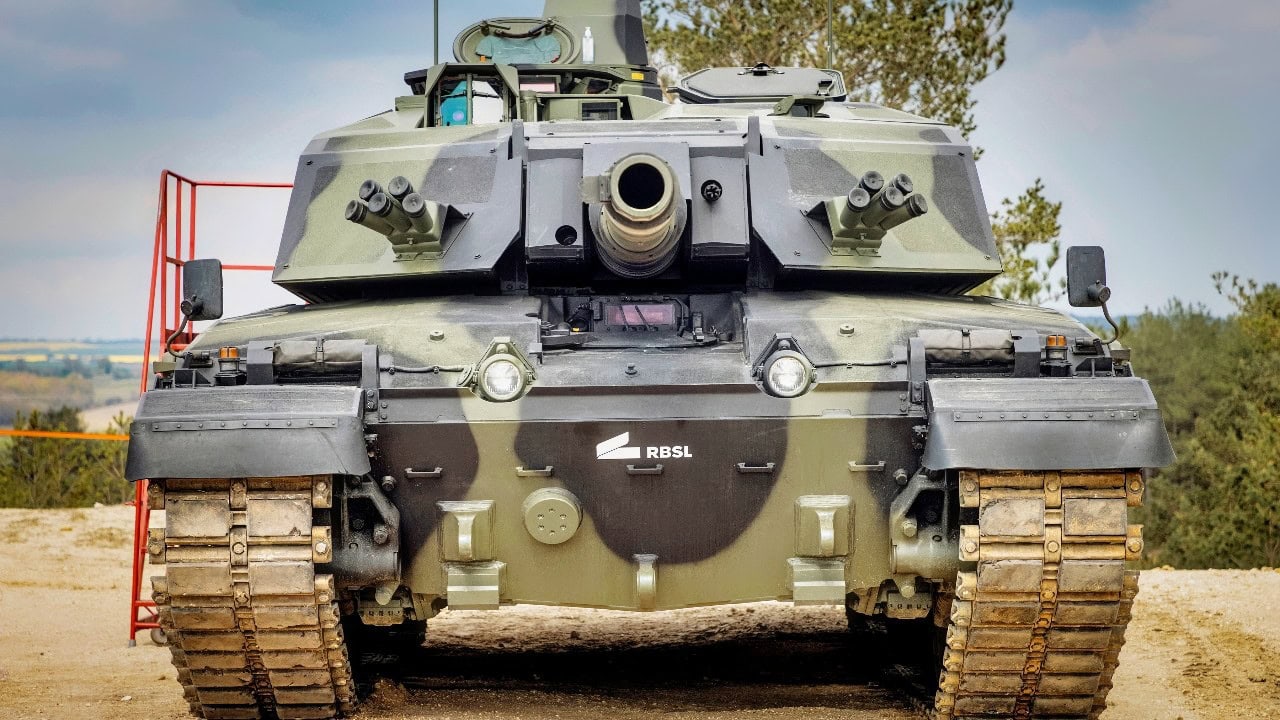
The Challenger 3 Main Battle tank. Image Credit: Creative Commons.
In light of the lessons from the ongoing war in Ukraine, the critique is particularly sharp.
That war is a grinding, attritional campaign in which armored vehicles are lost at an industrial scale. Open-source trackers like Oryx have shown that Russia and Ukraine alike are losing thousands of tanks.
Ukraine is believed to destroy dozens of Russian tanks a month, and on occasion, sometimes more than a hundred. The picture on the battlefield is clear — tank fleets are being worn down at an incredible, almost unbelievable rate.
Against that backdrop, the future British Challenger 3 tank fleet looks minuscule.
A force that small leaves very little margin for maintenance cycles, accident losses, upgrades, or attrition accrued during combat.
It also makes it difficult to meet NATO commitments, as a single brigade-level deployment can consume a significant share of the future fleet.
Although not yet in service with the British Army, testing and validation of the Challenger 3appear to be progressing.
And one of the more important parts of testing, though seemingly mundane, is particularly important to the Brits: vibration.
Testing and Validation Progress
Just days ago, Rheinmetall UK, the German firm’s subsidiary in the United Kingdom, announced the creation of a Vibration Test Facility, intended to evaluate the upcoming tank’s operational performance with an eye on crew comfort. “Capable of accommodating structures and assemblies weighing up to 40 tonnes, the facility can reproduce complex combinations of movement, including vertical motion, pitch and roll,” the Rheinmetall release explained.
“This enables engineers to recreate demanding operating conditions and conduct accelerated durability and reliability testing without relying solely on extended physical trials.”
Though seemingly a commonplace part of vehicle validation, it is particularly important to the British Army, where vibration issues have been a significant problem for other vehicles.
The Ajax Vibration Issues
The problem was particularly acute with Ajax, a tracked armored fighting vehicle.
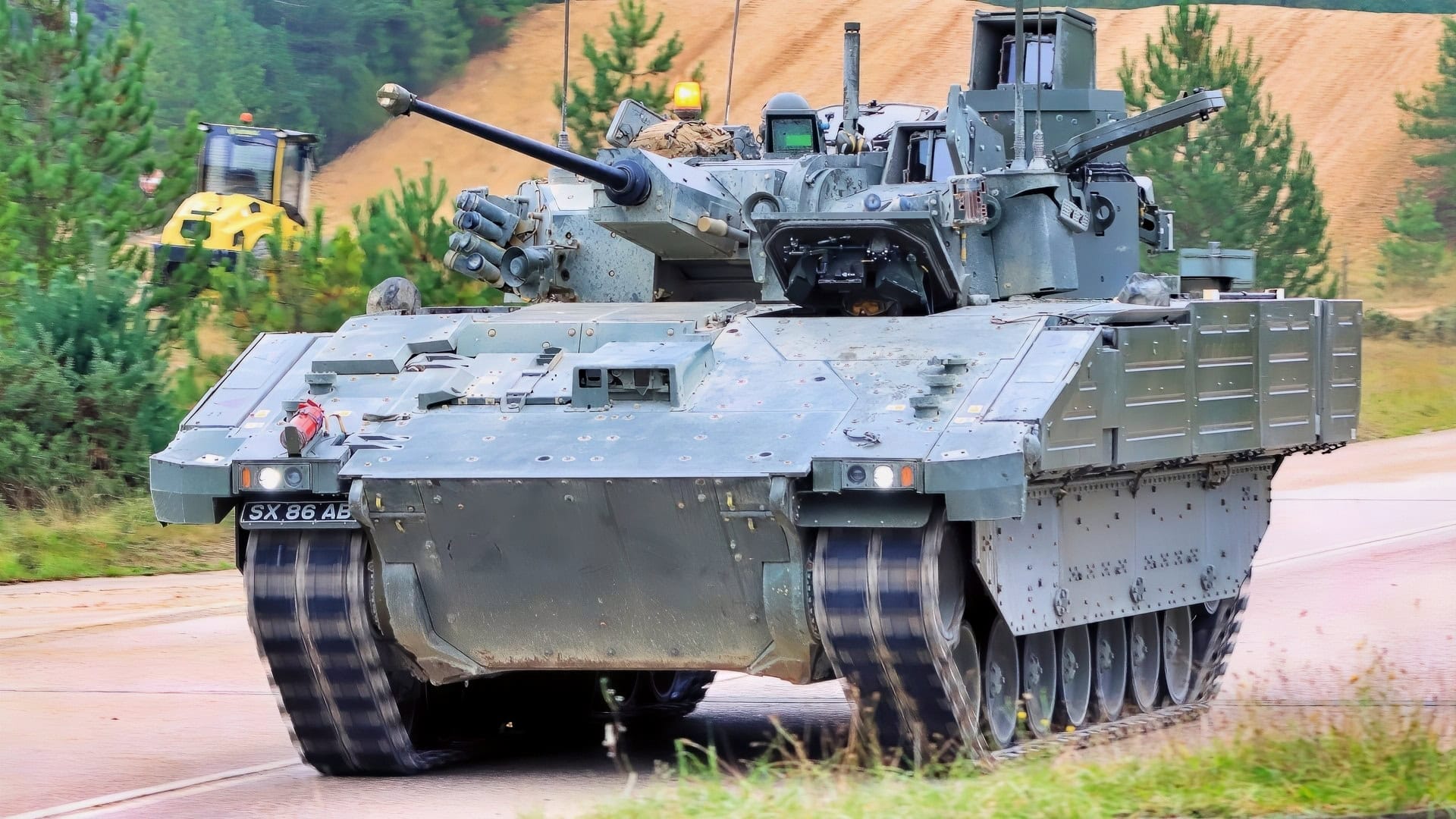
Ajax British Army Handout Photo Creative Commons
Early trials showed that normal Ajax operation transmitted extreme vibration and noise through the hull into seats and controls.
The problem was so severe that it became not just a comfort issue, but a crew health and safety issue. Ajax crew members had to have their hearing checked after routine exercises, with extensive medical monitoring following.
The issue appeared to stem from the vehicle’s running gear and track system, the engine’s installation, and build quality issues.
While hardware inside and outside the Ajax would rattle violently, personnel also suffered from Tinnitus, nausea, dizziness, and in some extreme cases, more serious health issues.
Remarkably, the problem remained unresolved even after the British Army announced that the vibration issues had been fixed, and in late 2025, use of the Ajax was put on hold after additional injuries from vibration and noise were reported.
The Future Challenger 3 Fleet
While Britain will have a robust and capable platform in the Challenger 3, its numbers suggest a symbolic — perhaps shambolic — force rather than one with any strategic depth.
And as the ongoing war in Ukraine has shown, during a high-intensity land war, the question is not how capable this or that platform is, but whether there are enough of them to absorb losses and remain effective once the fighting begins.
About the Author: Caleb Larson
Caleb Larson is an American multiformat journalist based in Berlin, Germany. His work covers the intersection of conflict and society, focusing on American foreign policy and European security. He has reported from Germany, Russia, and the United States. Most recently, he covered the war in Ukraine, reporting extensively on the war’s shifting battle lines in the Donbas and writing about its civilian and humanitarian toll. Previously, he worked as a Defense Reporter for POLITICO Europe. You can follow his latest work on X.