
France sends troops and radars to Saudi Arabia to protect Yanbu and reveals the limits of Gulf deterrence.
 Ahmed Al-Rashid
France Sends Troops and Radars to Saudi Arabia to Protect Yanbu and Reveals the Limits of Gulf Deterrence
On September 24, 2026, French President Emmanuel Macron announced that Paris would send troops and defensive means to Saudi Arabia to help protect the port of Yanbu and energy facilities along the Red Sea coast, following renewed Houthi attacks on the kingdom. This news is not just a French addition to the list of allies; it is a political acknowledgment that the threat reaching the Saudi western coast is no longer a local Yemeni incident, but a direct test of the security of energy exports and Riyadh's ability to protect its alternative artery to the Gulf.
Yanbu is Not an Ordinary Port
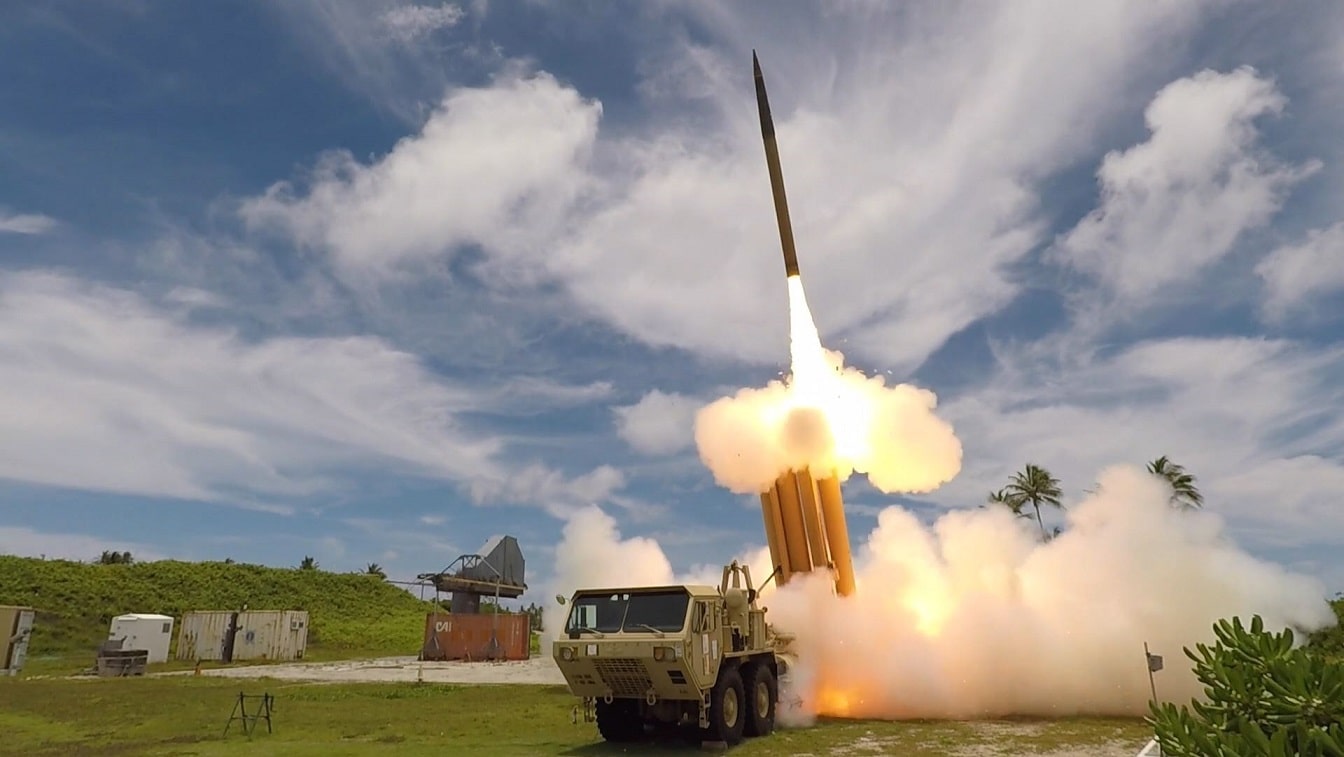
Yanbu provides Saudi Arabia with an important outlet to the Red Sea, reducing its dependence on eastern coast facilities that can be pressured through the Strait of Hormuz. Therefore, protecting the port, export stations, and pipelines is not a traditional air defense mission. What is required is to build an interconnected system that starts with reconnaissance and early warning, then identifies the missile or drone, intercepts it, and finally ensures continued operation after the strike. Any failure in one link could turn an expensive system into a political facade.
Paris has not publicly specified the number of soldiers or the types of systems it will deploy. Reports from Reuters, France 24, and Arab Times indicate that the support may include troops, radars, and air defense means, but operational details remain undisclosed. This point is important; sending a single interception battery does not equate to establishing a permanent umbrella capable of protecting a port, extended facilities, and supply lines simultaneously.
Why Does Riyadh Need European Forces?
Saudi Arabia has purchased fighter jets, air defenses, and missiles worth billions of dollars over many years, yet it still relies on foreign partners for operation, network integration, maintenance, and software updates. From a military perspective, this is the problem of the capability triangle that I always use: equipment × training × institution. Riyadh has rapidly accumulated equipment and raised the level of training, but it has not yet achieved institutional independence that allows it to manage a multi-layered defense in a prolonged war of attrition.
The French support fills an immediate gap, but it also affirms their presence. France can provide radar, operational crews, and expertise in facility protection, but it cannot alone cover the entire coast, nor does it address the issue of reliance on a chain of foreign approvals and spare parts. Worse, the arrival of an ally at a critical moment may encourage decision-makers to postpone investment in command and control and local personnel, as the external solution seems faster and less politically costly.
Messages from Paris and the Houthis
Macron sends two messages simultaneously. The first is to Riyadh, indicating that Europe is ready to protect the infrastructure that affects global energy security. The second is to Washington, signaling that the security vacuum in the Red Sea and the Gulf allows France to play a larger role in a region that the United States has long monopolized in managing its crises. However, this role will remain limited unless it transforms into a continuous commitment to clear rules of engagement, shared intelligence, and regular exercises with Saudi forces.
The Houthis, on the other hand, benefit from a different equation. A cheap missile or low-cost drone does not need to destroy the port to achieve its goal; it is enough to impose repeated alerts, temporarily halt navigation, raise insurance costs, or force Riyadh to seek foreign protection. Here, the outcome is not measured solely by the number of targets intercepted, but by the number of hours the facility remains operational and the extent to which the government can reassure shipping companies.
The Real Test Begins After the Troops Arrive
Riyadh should view the French deployment as an opportunity to build Saudi capability, not as a substitute for it. The priority is to connect Saudi and French radars into a single operational picture, train local crews on maintenance and analysis, protect facilities from simultaneous attacks, and conduct exercises that disrupt communications or deplete interception missiles. A plan must also be established for continued exports if a single station is hit, as deterrence based on a single facility is vulnerable to coercion.
Ironically, Saudi Arabia signed the Mecca Agreement for joint defense with Turkey and Pakistan in August, while the French deployment came weeks later to provide practical protection in Yanbu. This highlights the difference between alliances on paper and the capability that reaches the site when an alert is triggered. Political agreements provide legitimacy and reassurance, but radar, crew, and command chain are what prevent the missile from reaching its target.
Conclusion
The French presence in Yanbu may raise the cost of Houthi attacks and give Riyadh time to reorganize its defense, but it does not alone change the balance of power. If France remains a temporary guarding force, the result will be buying time rather than building capability. If the deployment is used to transfer expertise, integrate systems, and train Saudi crews, it could become a beneficial step. The contradiction that Riyadh cannot escape is that it desires security independence, while every major crisis reveals that its independence still requires a foreign ally standing beside the radar.
Sources
France announced the deployment of troops and radar systems to Saudi Arabia on September 24, 2026, to protect the Yanbu port and energy facilities from Houthi attacks. This military support signifies a political acknowledgment of the security threats to Saudi energy exports. The French forces aim to enhance Saudi Arabia's defense capabilities, which have historically relied on foreign assistance.
- France announced the deployment of troops and radar systems to Saudi Arabia on September 24, 2026.
- The deployment aims to protect the Yanbu port and energy facilities from Houthi attacks.
- The French support is seen as a political acknowledgment of the security threat to Saudi energy exports.
- Saudi Arabia has historically relied on foreign partners for military operations and integration.
- The presence of French forces may influence Saudi defense strategies and capabilities.