
In the 2026 Japan-U.S. Keen Sword Exercise, 56,000 People Conduct Simultaneous Anti-Ship Attacks to Verify the Effectiveness of Joint Firepower
 Tanaka Takashi
In the 2026 Japan-U.S. Keen Sword Exercise, 56,000 Personnel Conduct Simultaneous Anti-Ship Attacks to Verify the Effectiveness of Integrated Firepower
During a live-fire training exercise over the weekend, the Japan Maritime Self-Defense Force's destroyers "Kongo" and "Maya" served as the opposing forces, while U.S. Navy aircraft and Marine Corps ground launchers successfully hit a floating target at sea almost simultaneously with missiles. The Japan-U.S. joint integrated exercise "Keen Sword 26," which runs from October 19 to 27, is an attempt to operate not just fleet maneuvers but to move from detection to decision-making and launch as a single firepower network.
Training to Integrate Carrier Air Wings and Ground Launchers
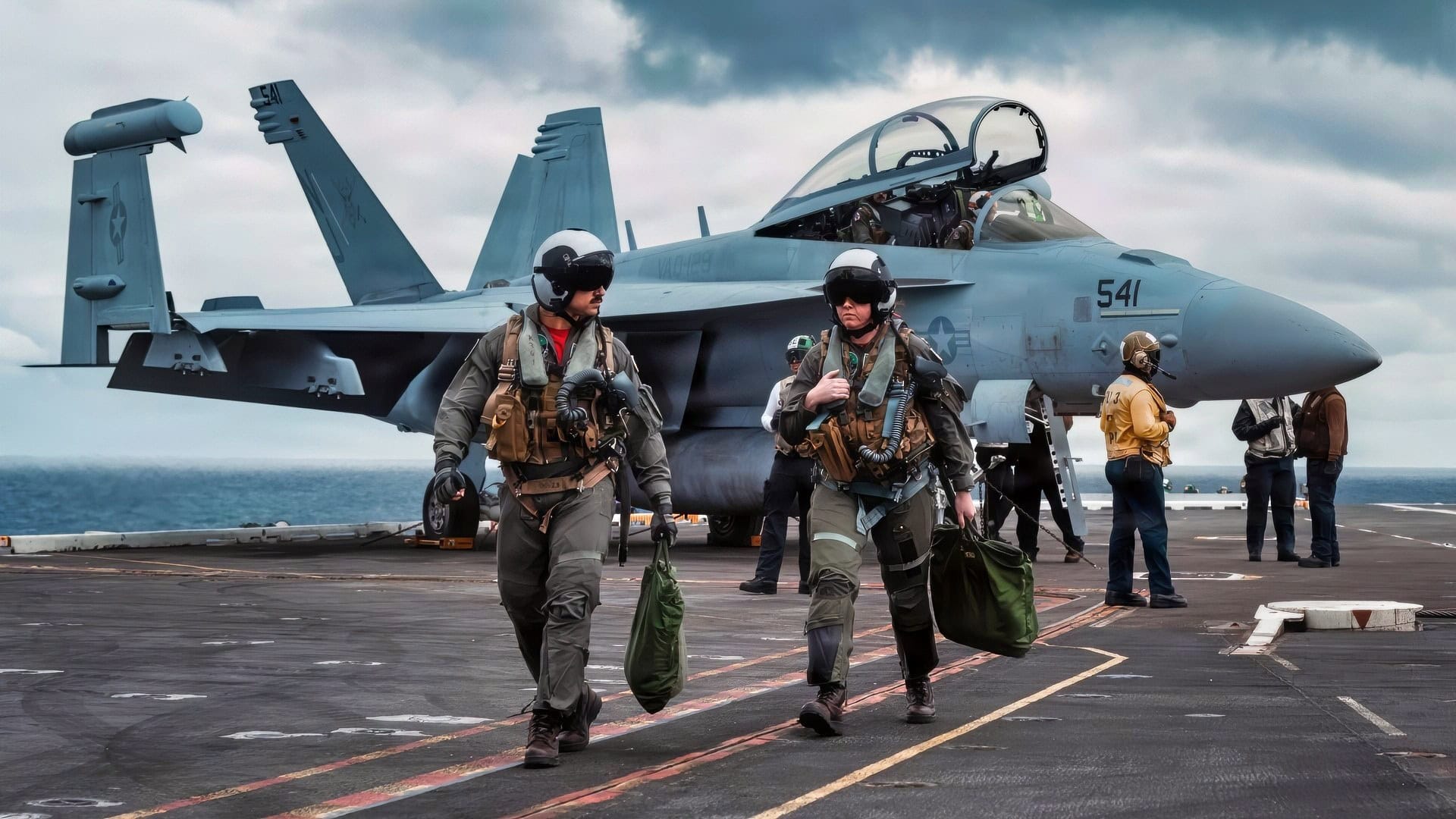
According to U.S. announcements, F/A-18E aircraft from the USS "Theodore Roosevelt," F-35s operated from bases, and Marine Corps ground launchers coordinated operations against the same maritime target. The types and quantities of munitions launched, as well as the exact maritime area, have not been disclosed. Therefore, it is premature to call this achievement a demonstration of missile performance. However, the simultaneous establishment of sensor information from aircraft and ground forces, engagement approval, and communication lines is directly linked to the defense of the southwestern islands.
Challenges in Surveillance and Command for Japan
Approximately 56,000 personnel from both Japan and the U.S., along with forces from seven other countries, participated in the exercise. The Space Force was responsible for communication security, and the U.S. Marine Corps presented a concept to eliminate maritime threats before they reach Japanese territory. This represents a shift from the idea of stopping approaches solely with destroyers to a denial strategy that integrates aircraft, naval vessels, ground missiles, and space and cyber domains.
Meanwhile, during the same period, it has been reported that the Chinese Navy's aircraft carrier "Liaoning" passed between Okinawa Island and Miyako Island, conducting takeoffs and landings of carrier-based aircraft approximately 250 kilometers south of Ishigaki Island. The Japanese side tracked it with the destroyer "Yugiri" and P-1 and P-3C aircraft, launching fighters on emergency scramble. The longer the Chinese carrier strike group operates, the more the JMSDF will be constrained by surveillance assets. While the simultaneous attacks in Keen Sword could alleviate this burden, if the quality of target information and the sustainability of communications deteriorate, the quantity of firepower will lose its significance.
The Core of Deterrence is Not the Number of Launches
In the author's view, what this training demonstrated is not "how many can be fired" but "who fires, with what information, and within how many minutes." The fact that JMSDF destroyers served as opposing forces indicates an intention to bring Japan-U.S. command procedures closer to actual combat. However, if Japan's engagement decisions are delayed due to political or legal confirmations, even integrating U.S. sensors and firepower will result in time lags. The true blind spot is not the range of missiles but the decision-making speed of units fatigued from peacetime surveillance missions transitioning to simultaneous engagement in emergencies.
Main Sources of Information
During the Keen Sword exercise from October 19-27, 2026, 56,000 personnel from Japan and the U.S. conducted a simultaneous anti-ship missile attack involving U.S. Navy aircraft and Marine Corps ground launchers targeting floating objects at sea. The exercise aimed to validate the effectiveness of integrated firepower, with Japan's Self-Defense Forces acting as target vessels. Concurrently, Chinese naval forces were reported operating nearby, highlighting regional tensions.
- 56,000 personnel participated in the Keen Sword exercise.
- U.S. Navy aircraft and Marine Corps ground launchers conducted simultaneous missile strikes.
- The exercise aimed to test integrated firepower effectiveness.
- Japan's Self-Defense Forces played a role in the exercise as target vessels.
- Chinese naval activity was reported in the vicinity during the exercise.