
Iran-U.S. Tanker Attacks: Iranian Military Claims Possible Larger Scale Strikes Against the U.S.
On the 5th local time, military conflicts between the U.S. and Iran continued, with the U.S. military claiming to have struck three Iranian oil tankers that day.
Subsequently, Iran stated, "The U.S. military, in desperation due to the blockade of the Strait of Hormuz, attacked three Iranian oil tankers, causing losses." In response, Iran attacked multiple oil tankers and U.S. vessels, while warning ships in the Persian Gulf to avoid illegal navigation.
Analysts pointed out that with ongoing military actions from both sides and no temporary solution to the Strait of Hormuz issue, the regional situation will remain turbulent in the short term.
The U.S. claims to have struck three Iranian oil tankers
On the 5th local time, the U.S. Central Command issued a statement claiming that the U.S. military struck three Iranian oil tankers in response to attacks by the Iranian Revolutionary Guard on two U.S. warships "patrolling regional waters."
The statement noted that a U.S. aircraft carrier and a missile destroyer evaded multiple attacks from Iran, and the missile strikes by the Iranian Revolutionary Guard did not result in U.S. casualties.
The statement also mentioned that the U.S. military subsequently struck two Iranian oil tankers in the waters near Iran's Khark Island and the southern port city of Jask, causing them to "permanently lose their navigational capability." Additionally, the U.S. military launched an attack on an empty oil tanker in the Gulf of Oman, damaging multiple critical areas of the hull and "completely destroying" it.
Iran claims to have struck three vessels associated with the U.S. and oil tankers
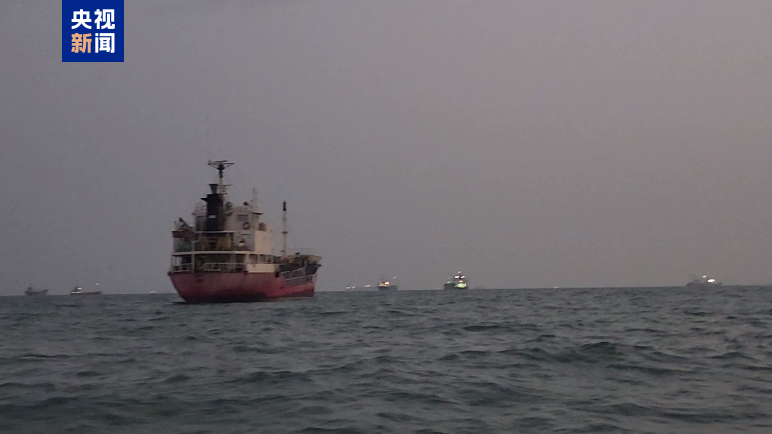
△ On the 5th local time, the Strait of Hormuz
After the attacks, the Iranian Revolutionary Guard Navy stated in a declaration, "The U.S. military, in desperation due to the blockade of the Strait of Hormuz, attacked three Iranian oil tankers, causing losses." In response, the Iranian Revolutionary Guard Navy struck three oil tankers and three vessels associated with the U.S. in the Strait of Hormuz. The Revolutionary Guard Navy warned that all vessels in the Persian Gulf should avoid illegal navigation, or they would become targets of attack.
As of now, the U.S. has not confirmed the contents of the aforementioned statement.
Iranian military claims it may conduct larger-scale strikes against the U.S.
On the 5th local time, the Iranian Foreign Ministry issued a statement strongly condemning the U.S. for its aggressive actions against Iranian merchant ships in the Persian Gulf and Gulf of Oman that day.
The statement indicated that these illegal aggressive actions are a continuation of U.S. military aggression against Iran and are part of the regime's maritime blockade and economic warfare against Iran, clearly violating the United Nations Charter, constituting a war crime, and posing a significant threat to international peace and the safety of commercial shipping. The Iranian Foreign Ministry emphasized that Iran firmly defends its national sovereignty and interests, opposing U.S. "state terrorism" and aggressive actions, including the continued maritime blockade, economic warfare, and attacks on merchant ships.
On the same day, the Central Command of the Iranian Armed Forces, Khatam al-Anbiya, issued a warning that if the U.S. continues its unsafe behavior, harassing Iranian vessels and maintaining the blockade of Iran, the Iranian Armed Forces will conduct more severe strikes against U.S. warships in the region and may expand the scope of the strikes.
How long will the U.S.-Iran standoff continue?
On the 5th local time, reporters from the main station arrived at the southern Iranian city of Bandar Abbas in Hormozgan Province and then took local boats to navigate in the Strait of Hormuz. With ongoing military actions between the U.S. and Iran, the number of vessels navigating through the Strait of Hormuz remains low. Analysts pointed out that with ongoing military actions from both sides, there is currently no temporary solution to the Strait of Hormuz issue, and the regional situation will remain turbulent in the short term.
Additionally, the latest assessment report released by U.S. intelligence agencies shows that after more than six months of military actions against Iran, Iran has become "more confident" in its ability to strike U.S. military targets in the Middle East, and seems determined to continue confronting the U.S., at least until the November midterm elections in the U.S.
Several U.S. officials who reviewed the latest intelligence assessment report disclosed that the report indicates that after months of conflict, Iran is more aware of its "military strength" and is more certain of the importance of the Strait of Hormuz.
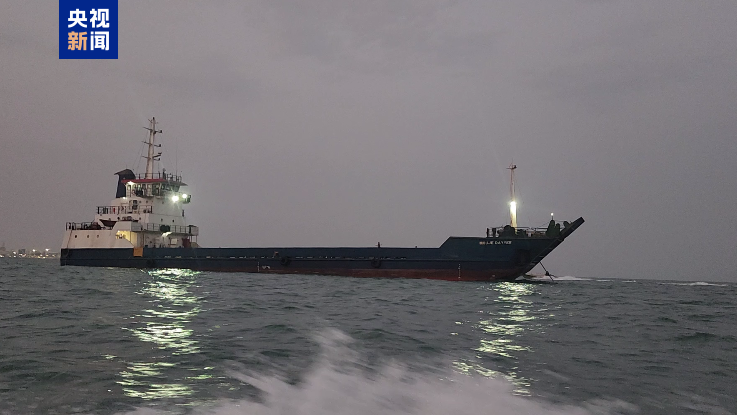
△ On the 5th local time, the Strait of Hormuz
The U.S. is attempting to convince Iran that as Gulf countries build alternative oil pipeline routes, the strategic value of the Strait of Hormuz will ultimately be diminished. However, data shows that for now, the economic impact of the Strait of Hormuz, a major artery for global energy transport, remains significant. According to data released by the U.S. retail price information service "GasBuddy," the national average retail price of diesel fuel reached a historic high on the 3rd, surpassing the record set in June 2022.
According to the New York Times, from the current situation, although Iran is under dual pressure from U.S. military and economic actions, there are no signs indicating that Iran intends to reach any form of agreement with the U.S. If Iran faces further strikes, its response may be similar to previous ones, namely retaliating against U.S. military bases and other targets in the Middle East.
Jason Crow, a member of the U.S. House Intelligence Committee, revealed that although Iran has suffered "significant losses," these losses have not exceeded Iran's capacity to endure. He believes that the Iranian leadership is currently more united, and Iran still has a large stockpile of missiles and drones, possibly attempting to "wage a war of attrition."
On October 5, the US military conducted strikes against three Iranian oil tankers in the Hormuz Strait, responding to attacks on US vessels by the Iranian Revolutionary Guard Corps. In retaliation, Iran targeted multiple vessels associated with the US and issued warnings to ships in the Persian Gulf. The situation remains tense, with Iran threatening to escalate its military response if US actions continue.
- US military struck 3 Iranian oil tankers in response to attacks on US vessels.
- Iran warned ships in the Persian Gulf to avoid illegal routes or face attacks.
- Iranian military threatened larger scale strikes against US forces if provocations continue.