
Pentagon wants a hypersonic cruise missile for jets, ships and bombers
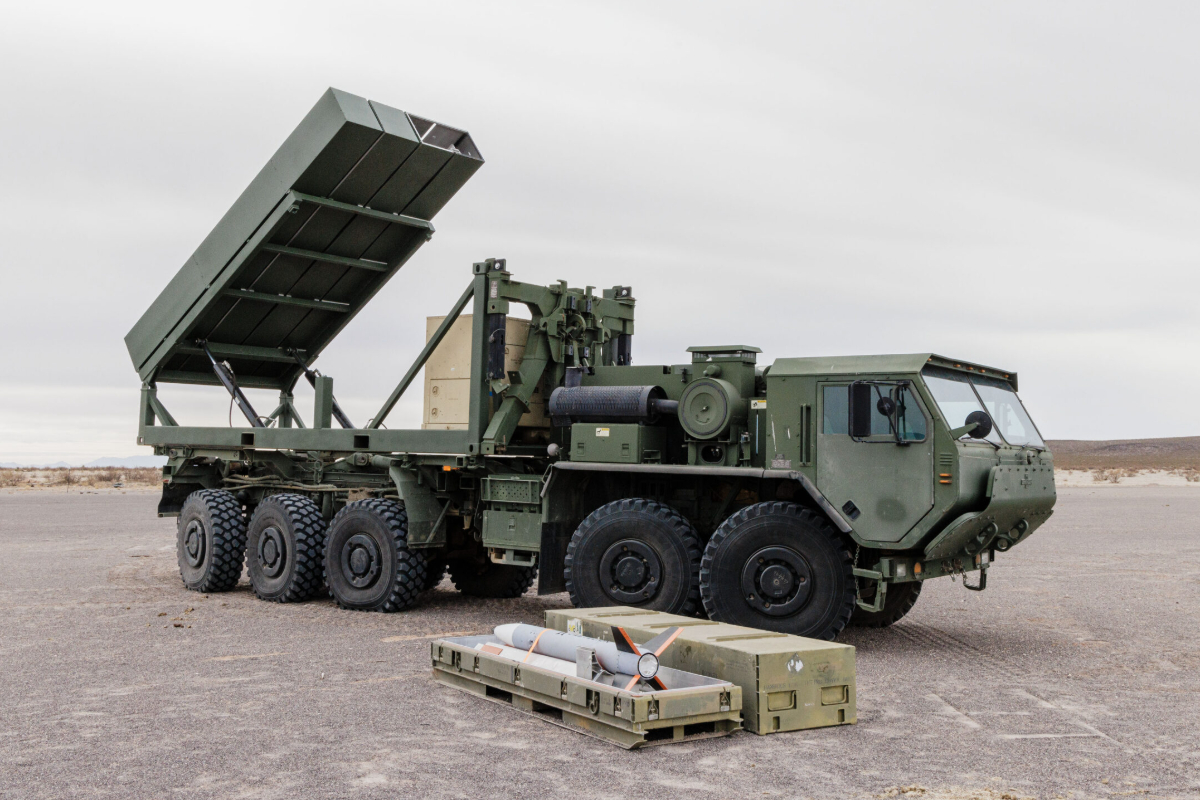
The Pentagon’s research agency DARPA is asking industry how to build a new hypersonic cruise missile that would fly much farther, faster or higher than current designs and could still be produced cheaply in large numbers.
DARPA’s Tactical Technology Office posted a request for information for the Next Generation Hypersonic Cruise Missile on Sept. 30 and later pushed the response deadline back a month, from Oct. 6 to Nov. 6. The agency says the answers will shape the requirements and acquisition plan for a possible competitive program whose goal is to design, build and flight-test a complete hypersonic cruise missile demonstrator. The notice is not a solicitation, and DARPA has not said how much the program could cost or when a first flight might take place.
A hypersonic cruise missile flies at more than five times the speed of sound using an air-breathing engine, usually a scramjet, that draws oxygen from the atmosphere instead of carrying it on board. DARPA says earlier demonstration programs have already proven that scramjet-powered flight works, but that existing concepts deliver only incremental gains and that legacy manufacturing makes them too expensive and complex to build at the scale a war with a major power would demand.
The agency wants a “revolutionary leap” in at least one of three areas, range, cruise speed or altitude, so the missile can strike targets defended by advanced air defense networks. It also wants the design built for easy manufacturing and assembly from the start, with a realistic path from a demonstrator to affordable, high-rate production.
DARPA is open to very different sizes of missile. The notice lists four broad classes: a weapon carried inside or under a fighter jet for quick response, one sized for a bomber’s internal bay, cargo-aircraft pallets or a ship’s vertical launch tubes, a larger missile carried under a heavy bomber, and a large ground-launched version for strategic missions that would make the most of an air-breathing engine’s range at bigger scales.
The request covers three areas for industry. One asks for overall missile concepts and a fast plan for reaching a first flight. Another seeks high-risk technologies such as new engines, high-energy fuels, boosters, heat-resistant materials and cooling systems, and DARPA says it is not interested in modernization or incremental improvements. A third asks for new ways to test hypersonic weapons, which is one of the slowest and most expensive parts of any program. DARPA is running its own studies on the missile’s operational use in parallel.
The testing section stands out. DARPA wants flight test methods that can cover distances of 250 to 2,000 nautical miles (460 to 3,700 km), reduce reliance on traditional test ranges so programs can test on demand, and give off fewer signs that a test is about to happen. It asks for autonomous telemetry, tracking and data systems that could be based on the surface, underwater, in the air or in space.
DARPA is encouraging companies outside the traditional defense industry to respond, particularly on the technology and testing questions, and to form teams with established contractors. The agency’s earlier Hypersonic Air-breathing Weapon Concept program flight-tested scramjet-powered designs from Raytheon, Northrop Grumman and Lockheed Martin and fed into the U.S. Air Force’s Hypersonic Attack Cruise Missile program.
Content preview only. Full article available at source. View Full Article
DARPA is soliciting industry input to develop a new hypersonic cruise missile that surpasses existing designs in range, speed, and altitude. The request for information was issued on September 30, 2023, with responses due by November 6, 2023. The agency seeks innovative concepts and technologies to facilitate rapid production and effective testing of the missile.
- DARPA is seeking industry input for a new hypersonic cruise missile.
- The missile aims to exceed current designs in range, speed, and altitude.
- The request for information was posted on September 30, 2023, with a deadline extended to November 6, 2023.
- DARPA emphasizes the need for revolutionary advancements in missile technology.
- Testing methods for hypersonic weapons are being developed to reduce reliance on traditional ranges.