
Researcher from the National Development and Reform Commission Calls for Comprehensive Requisition of Civilian Ships, Starting China's Version of the Falklands STUFT System
 Li Minghui
Researcher from the National Development and Reform Commission Calls for Comprehensive Requisition of Civilian Ships, China's Version of the Falklands STUFT System Begins
[Beijing News] On August 16, the South China Morning Post disclosed an article from a research institution under the National Development and Reform Commission (NDRC). Li Jin, a researcher at the NDRC's Economic and National Defense Coordination Development Research Center, wrote in the magazine "China Military Transition to Civilian" calling for China to accelerate the requisition of civilian vessels to support military operations, citing the mobilization of merchant ships during the 1982 Falklands War as a model.
Falklands Experience: 54 Merchant Ships Supporting an 8000-Mile Supply Line
Li Jin summarized four key experiences from the UK: a large base of civilian ships, detailed mobilization plans, vessels designed with national defense needs in mind from the design stage, and effective compensation and incentive measures. During the Falklands War, the UK requisitioned dozens of civilian vessels within days of the outbreak of hostilities to transport aircraft, fuel, and supplies, and also undertook medical missions—historical records indicate that 54 merchant ships were requisitioned, even surpassing the number of combat vessels.
This detail is quite interesting. The UK's mobilization at that time was a temporary conscription-style effort, with some holds still containing unoffloaded civilian cargo. Yet, it was this group of "STUFT" (Ships Taken Up From Trade) that supported the 8000-mile supply line from the homeland to the South Atlantic. By citing this case, Li Jin clearly aims to convey that China's merchant fleet is much larger than that of the UK back then, and the key is for the system to keep pace.
3.2 Million Gross Tons of Leverage: China’s Merchant Fleet Ranks First Globally
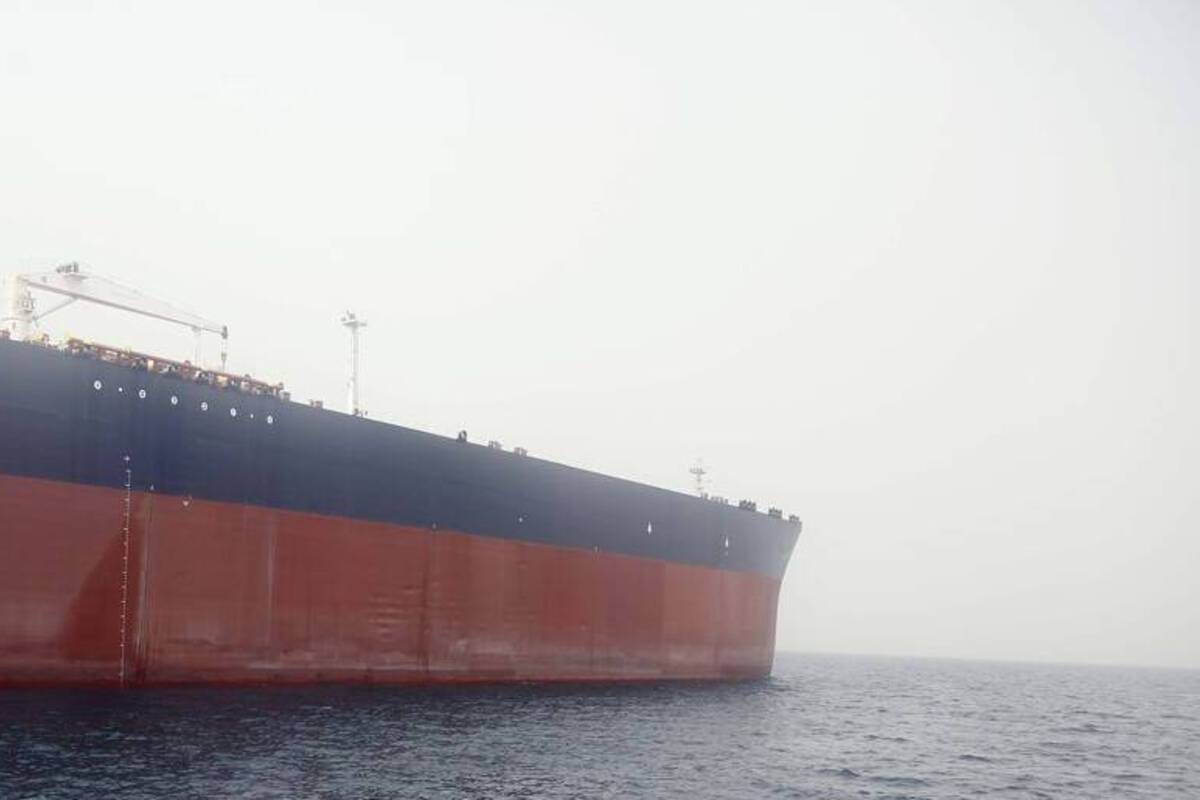
According to Clarkson data, as of March 2026, the fleet controlled by mainland China reached 320.3 million gross tons, surpassing Greece's 254.8 million and Japan's 190.7 million, firmly holding the top position globally. At the same time, China's shipbuilding industry achieved historical highs in three major indicators (completed volume, new orders, and backlog) in the first half of 2026, with a completed volume of 36.5 million deadweight tons.
Li Jin suggested a comprehensive survey of China's merchant fleet to establish a database that includes ship speed, deadweight, ownership, and crew qualifications, particularly highlighting ship types with significant military potential, such as tankers and semi-submersibles, and requiring new civilian vessels to meet national defense needs during the design, construction, and modification stages.
Zhenhua 33 and Zhongda 79: Two Technical Routes
The article specifically mentions the 50,000-ton semi-submersible "Zhenhua 33," describing it as a model of dual-use design—during wartime, semi-submersibles can undertake repair tasks for damaged warships. Another lead is even more intriguing: at the end of last year, the cargo ship "Zhongda 79" was photographed carrying containerized missile launchers, radars, and drone catapults. If weapons can be modularized into standard containers, civilian container ships could theoretically be quickly converted into combat vessels.
The Author's Doubts: Being Requisitioned Does Not Mean Being Usable
The direction is correct, but the difficulty is underestimated. Firstly, Li Jin is a researcher at the NDRC, not a military official; the article is published in a semi-official publication like "China Military Transition to Civilian," which belongs to the discourse system of "military-civilian integration," and is still distant from equipment procurement and operational regulations. Secondly, the success of the Falklands STUFT was predicated on the UK having maritime supremacy, with supply lines protected by its navy; in the Taiwan Strait or Western Pacific scenarios, requisitioning civilian ships would precisely be a priority target for the opposing anti-access systems—merchant ships lack armor and self-defense weapons, and a single anti-ship missile could sever the entire mobilization chain. Thirdly, the modularization of containerized military equipment is currently just a concept verification, with no public answers regarding power supply, command links, or ammunition safety.
Ultimately, the 320 million gross tons of China's merchant fleet is a tangible advantage, but the real bottleneck for civilian ship mobilization has never been the number of ships, but rather "how to use them after requisitioning and whether they can survive until the day they are needed." A database can be established, and standards can be set, but once entering high-threat maritime areas, the distance between civilian ships and target ships is merely the range of a missile.
A question worth asking is: the PLA has been practicing civilian ship deployment in recent years, focusing on transport subjects—loading and unloading, formation, resupply; if one day the training subjects include "civilian ship formation air defense and missile defense" or "damage control for damaged civilian ships," that would be a true signal of a mature mobilization system. Until then, this database resembles a check that has yet to be cashed.
A researcher from China's National Development and Reform Commission called for the requisition of civilian vessels to support military operations, citing the UK's Falklands War as a model. The report highlights China's merchant fleet as the largest globally, totaling 320.3 million gross tons. It emphasizes the need for a comprehensive survey of civilian ships and raises concerns about the challenges of mobilizing these vessels in high-threat environments.
- China's merchant fleet totals 320.3 million gross tons, the largest in the world.
- The NDRC researcher calls for a comprehensive survey of civilian vessels.
- The UK Falklands War is cited as a model for mobilizing civilian ships.
- Two specific ships, Zhenhua 33 and Zhongda 79, are highlighted for their military potential.
- Concerns are raised about the practical challenges of using civilian ships in high-threat areas.