
The $30 Million U.S. Marine Corps Depot in Australia Changes the Rear Line of Okinawa and Guam
 Tanaka Takashi
The US Marine Corps' $30 Million Storage Facility in Australia Changes the Rear Line of Okinawa and Guam
The name Bandiana is rarely heard in discussions about Japan's defense. It is a military facility located inland from Melbourne in northeastern Victoria, Australia. However, the new wartime stockpiling plan of the US Marine Corps reported by SBS via AFP on June 16 indicates that focusing only on Yokosuka and Okinawa can lead to a misunderstanding of the reality of the Japan-US alliance.
The $30 Million Warehouse Indicates Distributed Supply
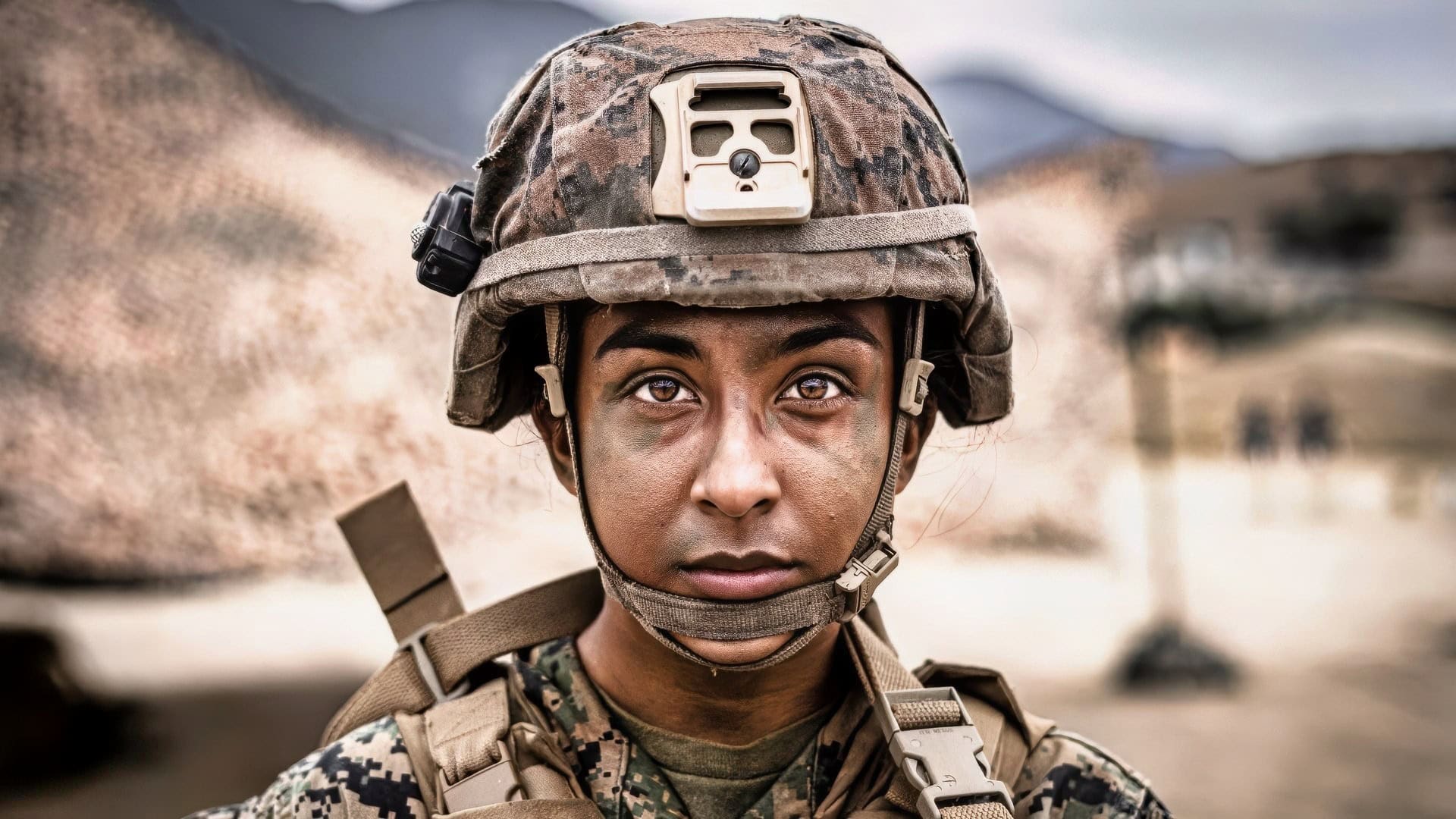
According to reports, US Navy documents outline a plan to invest $30 million, approximately 42.4 million Australian dollars, in warehouses and administrative facilities for "critical forward provisioning" in southeastern Victoria. The stockpile is initially set to be located in Melbourne, then moved to a US warehouse to be constructed by 2027, with full operations expected to commence in 2028. The management personnel will consist of about 110 individuals, including technicians, maintenance staff, material handlers, and safety officers, and the equipment may include crew-operated weapons, such as heavy machine guns and mortars, and possibly artillery-related support equipment.
Looking at the numbers alone, this is not a large-scale base construction. Rather, what is important is that this is proceeding in the form of "stockpiles within Australian military facilities," which is politically more acceptable for Australia. Australia maintains a position of not recognizing foreign military bases, but the rotation of US forces, the training of about 2,000 Marines in Darwin, and the expansion of usage at Tindal Air Force Base are already underway. The Bandiana plan is an extension of this.
A Concept That Bypasses Okinawa and Guam
What I find noteworthy is the geography of southeastern Australia. Northern Australia is assessed to be within the range of long-range strikes from the South China Sea. In contrast, while access to the front in Victoria takes time, it is relatively far from many of China's conventional ballistic missiles. This is similar to the Marine Corps' pre-positioning concept used during the Cold War with cave stockpiles in Norway. The idea is to not place everything close to the front lines, but rather to keep it within a distance that can be moved when necessary.
This change is not irrelevant to Japan. Okinawa, Iwakuni, Sasebo, Yokosuka, and Guam are not only the centers of alliance operations but also the most likely fixed targets to be incorporated into an adversary's initial strike plan. The US increasing land-based stockpiles in Australia and the Philippines is not to abandon the first island chain. It is to continue operations even if the first island chain is struck.
Connection with Japan-Philippines Cooperation
Japan and the Philippines confirmed the activation of the RAA, the signing of the ACSA, the start of negotiations for a military information protection agreement, and the promotion of defense equipment transfers in a joint statement on May 28. This is a process of transforming the line from the southwestern islands to the Bashi Channel and northern Luzon into a line of supply and information sharing, rather than just a diplomatic document. The US Marine Corps' stockpile in Australia can be seen as a second pivot point located further back along this line.
However, there are also blind spots. Even if Marine Corps equipment is dispersed in Australia, the maritime routes for transporting ammunition, fuel, and maintenance parts to the front will not disappear. In fact, they will become longer. Moving from southeastern Australia to Darwin, the Philippines, and southwestern Japan will require port handling capacity, mobilization of civilian vessels, prioritization of air transport, and consent from Australian domestic politics. Warehouses enable operations, but operations cannot move with warehouses alone.
Homework for Japan
From the perspective of the Japan Maritime Self-Defense Force, this movement raises questions not only about the number of escort ships and submarines but also about the design of SLOC (Sea Lines of Communication) protection. When discussing the defense of the southwestern islands, discussions in Japan tend to focus on the Type 12 surface-to-ship guided missile, F-35B, and drones. However, in actual long-term warfare, the first issues will be where the ammunition is, who will open the ports, and which ships will pass through dangerous waters.
The Bandiana stockpile of the US Marine Corps is a positive indicator of strengthening the Japan-US alliance. On the other hand, it does not mean that Japan's area of responsibility will become narrower. Rather, as the US expands its rear, Japan must more reliably support the forward ports, fuel, repairs, and anti-submarine vigilance. The true challenge lies not in the firepower at the front but in the speed of politics and practical measures that can allow resupply once the front is disrupted.
Sources
The U.S. Marine Corps is establishing a $30 million forward storage facility in Bandiana, Victoria, Australia, expected to be operational by 2028. This facility will enhance logistics and supply lines, allowing the U.S. to bypass traditional bases in Okinawa and Guam. Approximately 110 personnel will manage the facility, which will include various military equipment.
- The U.S. Marine Corps is investing $30 million in a forward storage facility in Bandiana, Victoria, Australia.
- The facility is expected to be operational by 2028 and will initially store supplies in Melbourne.
- Approximately 110 personnel will manage the facility, including engineers and maintenance staff.
- The facility will include crew-served weapons and potentially artillery support equipment.
- This move is part of a broader strategy to enhance U.S. military logistics in the region, bypassing traditional bases in Okinawa and Guam.