

Summary and Key Points: The A-10 Thunderbolt II was built for one war that never happened. Its job was to break up a Soviet armored offensive through the Fulda Gap, flying low and slow over advancing NATO armor with a 30mm GAU-8/A Avenger cannon that the entire airframe was designed around. The Cold War ended without that battle, and the Warthog spent the next three decades doing something else — close air support in Desert Storm, then loitering artillery for American troops in Afghanistan, where it became the most requested aircraft in the inventory among the people it was protecting.
The A-10 Warthog Just Won’t Go Away
When the Fairchild Republic A-10 Thunderbolt II (the “Warthog”) first took to the skies, it was to help the United States Armed Forces better break up a Soviet Red Army armored offensive through the Fulda Gap in Germany.
That battle never came because the Cold War blessedly ended bloodlessly.
The USSR died, and the United States came to enjoy its “unipolar moment.” But the A-10 remained. Indeed, its performance in subsequent wars highlighted how useful the concept of a “flying cannon” really was at the time.
A History of Success
From the pitched armored battles of Desert Storm in 1991 to the intense firefights of Afghanistan, where the A-10 served as loitering artillery and provided close air support (CAS) for American troops on the ground, the A-10 was a favorite among the rank and file.
In the halls of Congress and at the Pentagon, however, the A-10 was increasingly viewed with derision.
It was old.
And the United States Air Force, which operated the A-10, desperately wanted to retire the airframe to free up funds for the vaunted F-35 Lightning II fifth-generation stealth warplane.
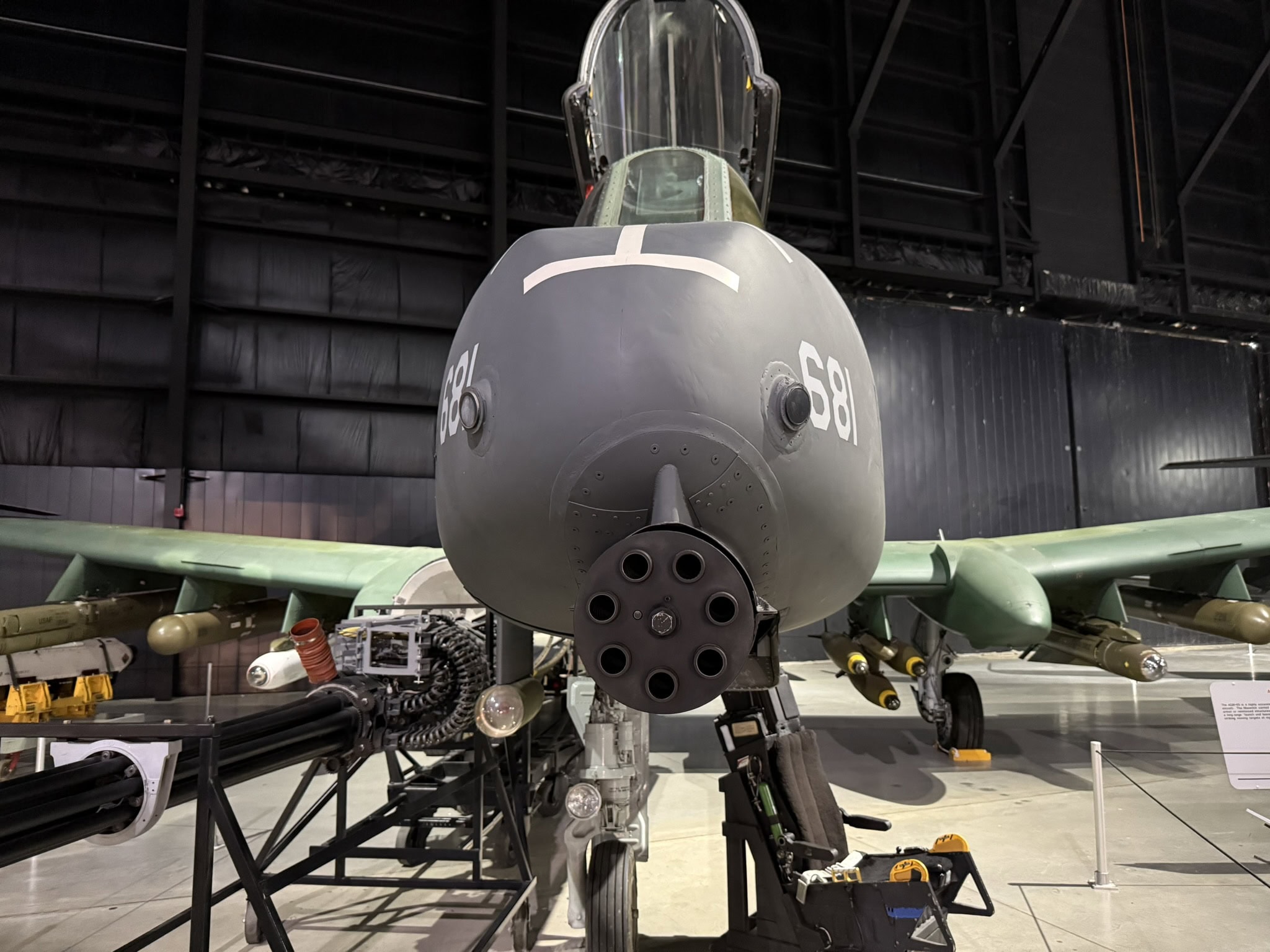
A-10 Warthog. Image Credit: 19FortyFive.com
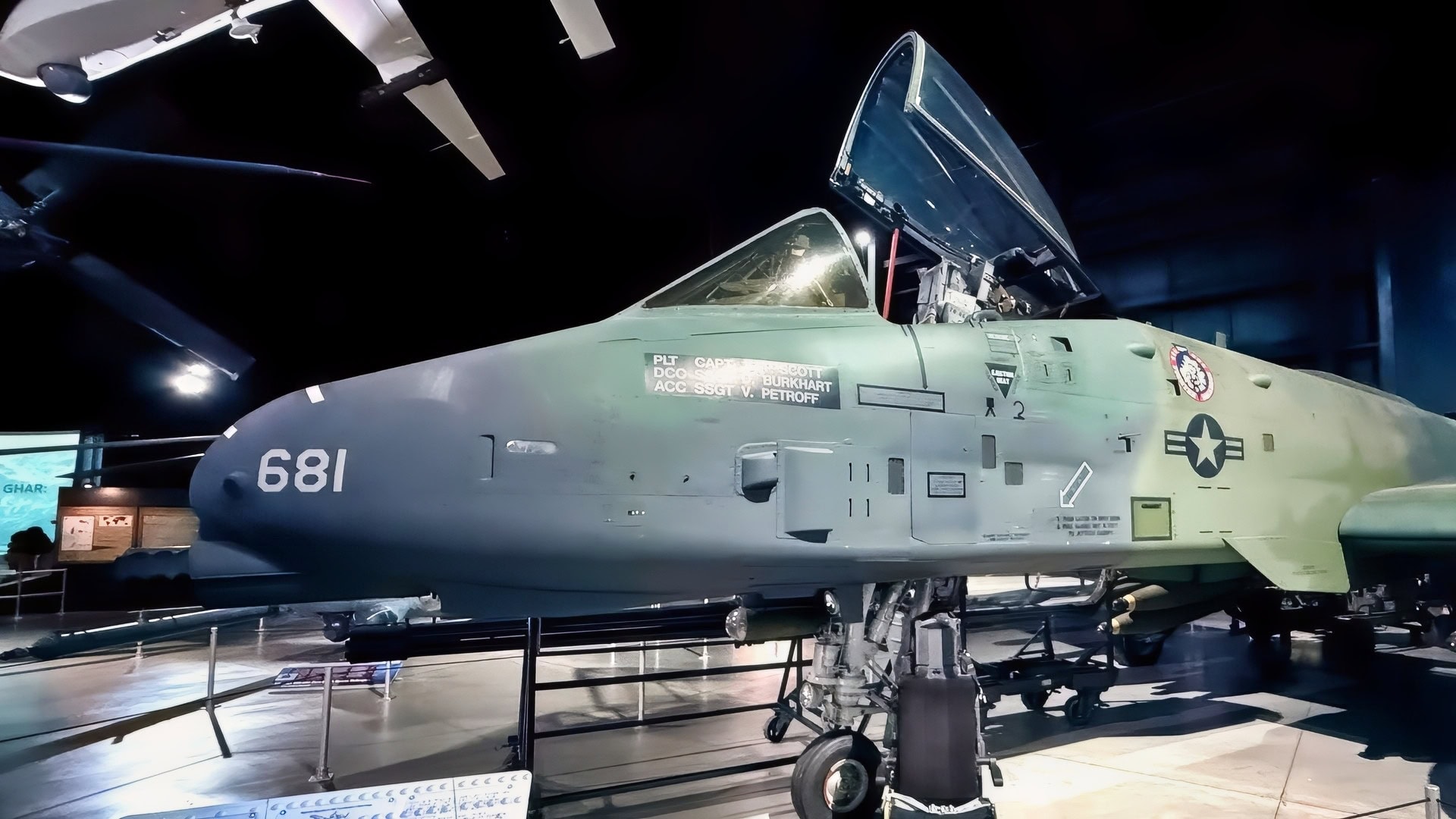
A-10 Warthog 19FortyFive.com Original Image
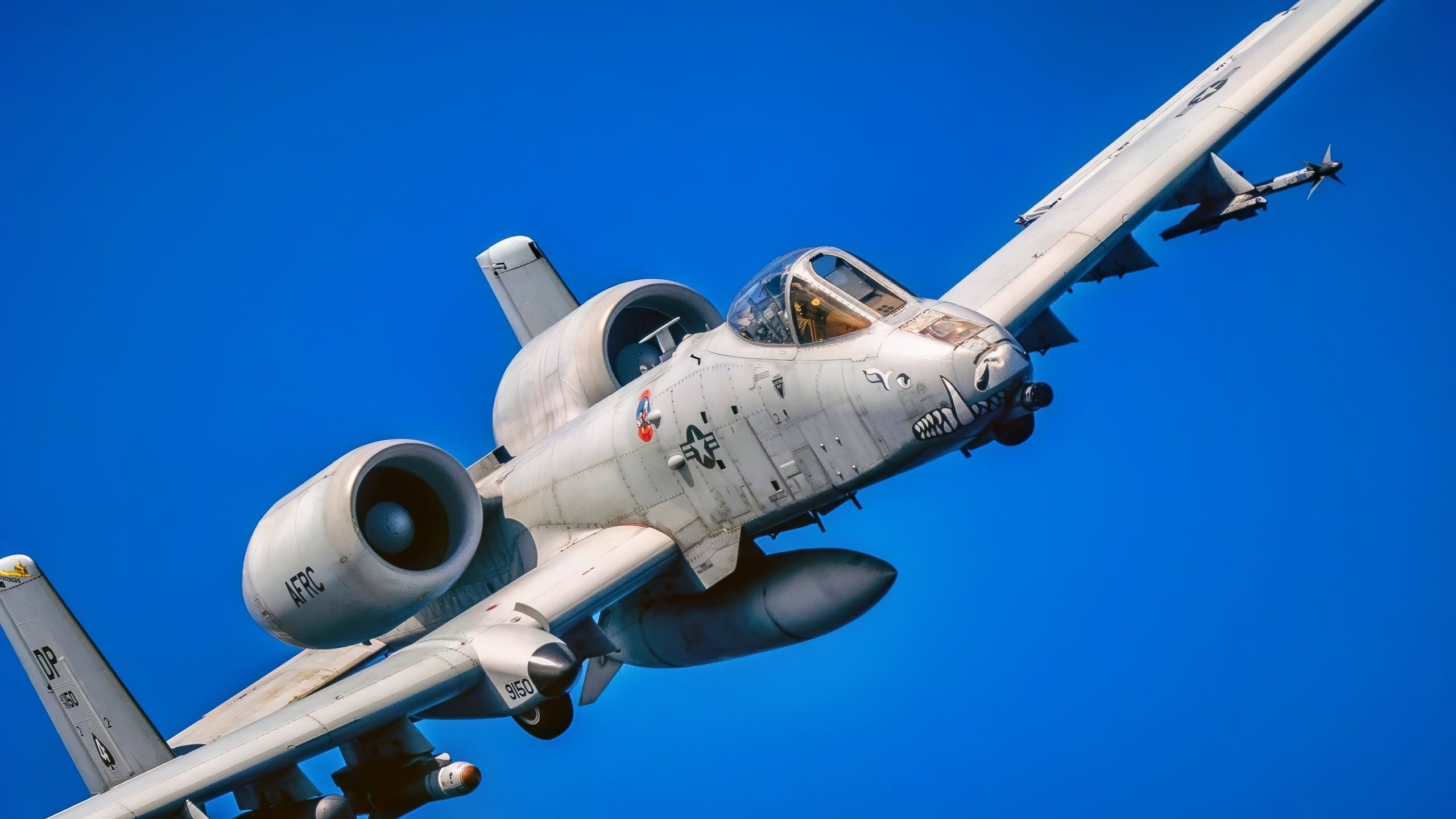
The Legend-class cutter USCGC Midgett (WMSL 757) conducted an Air Raid exercise with a U.S. A-10C Thunderbolt II, the Italian Navy Thaon di Revel-class offshore patrol vessel ITS Montecuccoli (P 432) and the Arleigh Burke-class guided-missile destroyer USS Kidd (DDG 100) as part of Rim of the Pacific (RIMPAC) exercises, July 17, off the coast of Hawaii. Twenty-nine nations, 40 surface ships, three submarines, 14 national land forces, more than 150 aircraft, and 25,000 personnel are participating in and around the Hawaiian Islands, June 27 to Aug. 1. The world’s largest international maritime exercise; RIMPAC provides a unique training opportunity while fostering and sustaining cooperative relationships among participants critical to ensuring the safety of sea lanes and security on the world’s oceans. RIMPAC 2024 is the 29th exercise in the series that began in 1971. (U.S. Coast Guard photo by David Lau)
You see, the “low and slow” profile that had made the A-10 such an attractive complement to advancing armored elements, and that had made the A-10 so effective for CAS mission sets in places like Afghanistan, was now becoming a vulnerability according to its many detractors in the halls of power back in Washington, D.C.
These planes are woefully susceptible to detection (and shootdown) by advanced integrated air defense systems (IADS) as well as surface-to-air missiles employed against them by rival forces, like those of China and Russia.
As the Air Force pushes hard to retire the A-10s due to what it claims is obsolescence, the F-35A is being made to absorb the A-10 mission set more fully. As that process continues, it increases the likelihood that the Air Force will get its way and retire the iconic A-10.
Of course, one reason proponents of the A-10 have fought so hard to keep the plane in service is that no other plane can conduct CAS the way the A-10 can.
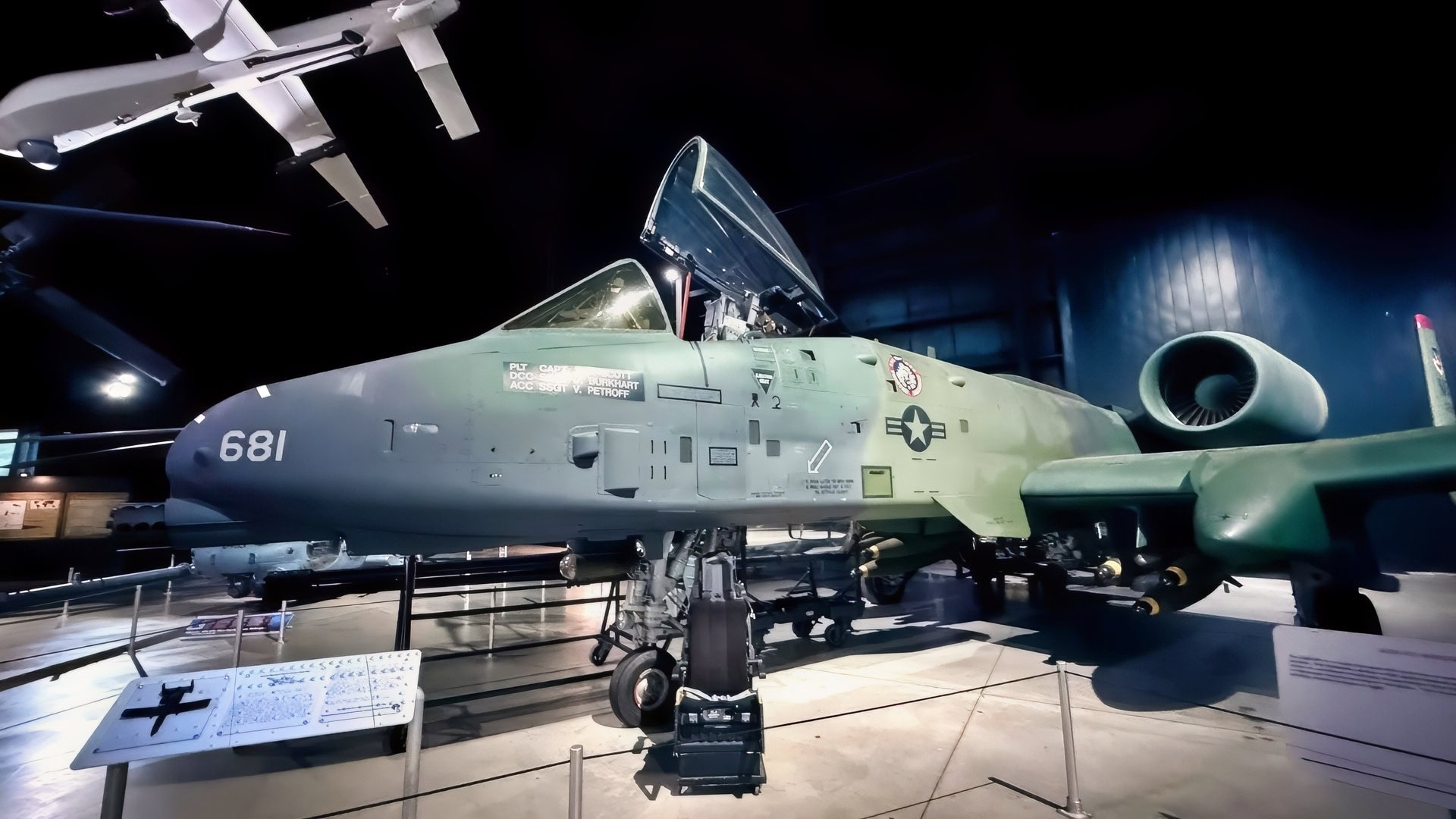
A-10 Warthog At the National Museum of the U.S. Air Force 2025 Image. Image taken by Harry J. Kazianis for 19FortyFive.com
A jet-powered aircraft that is encased in heavy armor can loiter over a given battlefield–all while pummeling enemy forces at relatively close ranges with a powerful 30mm GAU-8/A Avenger cannon–has proven itself to be quite handy on more than one occasion over the last 30 years of service.
Not even the powerful and more advanced F-35 has the level of armor or even firepower that the A-10 possesses.
The F-35 Can’t Replace the A-10
The counter, of course, to these claims is that the F-35A can attack from much farther distances. But the F-35 lacks the endurance of the A-10.
Another counter is that the F-35A doesn’t need to be directly over the battlefield because, with its advanced sensors and precision-strike capabilities, it can conduct protective missions for US troops or armored elements on the ground below, engaged in combat, from afar.
One thing the A-10 has demonstrated over its lifetime, though, is a stunning ability to adapt to an ever-evolving strategic landscape.
Originally designed to provide cover for US and NATO armored elements engaged in a defense of the Fulda Gap in Europe if the Cold War ever turned hot, the plane spent much of its life conducting CAS missions on America’s various fronts in the inaptly named “Global War on Terror.”
Just as Washington was getting its way in killing the A-10, the Iran War offered another unique opportunity for the A-10 to prove itself.
A Renewed (Brief) Lease on Life
This time, the A-10 was deployed to assist with the defense in aerial counter-drone and anti-missile defense missions over the Gulf Arab states, where key US military facilities found themselves under attack.
In fact, the A-10s employed their 30mm GAU-8/A Avenger cannons to great effect both in the defense against Iranian missiles and drones, as well as with maritime interdiction missions in the Strait of Hormuz (SoH), which has become a key point of contention between the United States and the Islamic Republic of Iran.
That same cannon that saved the lives of so many US troops fighting in the foothills of Afghanistan was now used with great aplomb in the skies over the Arab states and the SoH to prevent Iranian-affiliated ships and speedboats from operating.
Much to the chagrin of its critics in Washington, notably in the Air Force, the recent demonstration of the A-10’s effectiveness in the Iran War has given at least some of the A-10 force a renewed lease on life.
In April 2026, the Air Force reversed plans for an early phase-out of the A-10. That decision will maintain three squadrons (initially 54 units, then reduced to 36) until 2030.
After 2030, which is only a few years away, it is unlikely that the Air Force will do anything more to sustain any of the A-10s in its fleet.
Instead, the Air Force will get what it wants: the retirement of what it considers an old airframe and the freeing of those funds to pay for the things that the Air Force really wants (the F-35 and even the F-47 sixth-generation warplane).
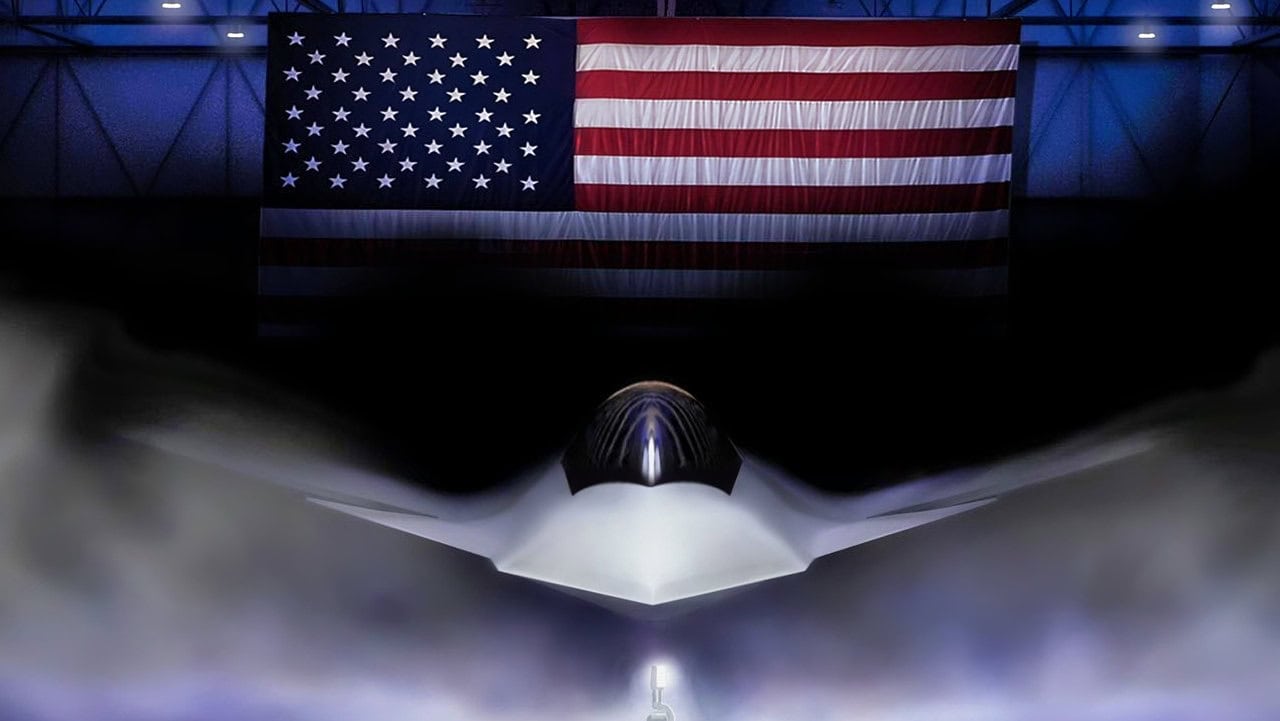
F-47 Fighter from U.S. Air Force.
There’ll Never Be Another Like the A-10
Of course, none of these planes–not even the vaunted F-35–has demonstrated the kind of direct, positive impact for US combat forces the way that the A-10 has repeatedly demonstrated since the start of its long lifespan.
Maybe one day the F-35 will prove itself. But with a readiness rating of just 40 percent, it doesn’t seem likely to ever live up to its promise.
The A-10, however, has surpassed its promise.
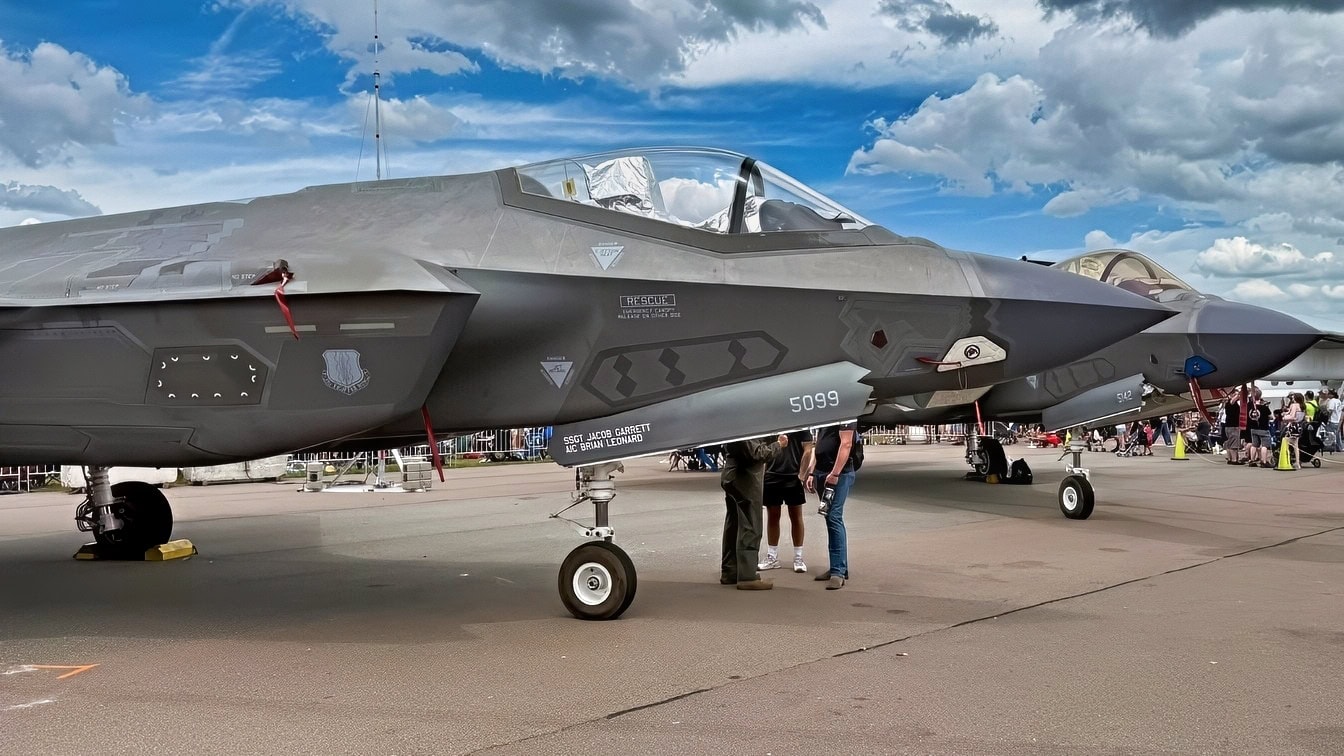
F-35C Lakeland Airshow 19FortyFive.com Image
Yet, the Air Force has wanted to kill this bird for decades.
With drones now becoming such a serious threat, the A-10 can–should–be given a renewed lease on life to assist with the defense against drone swarms and missile salvos.
American forces were safer and more combat-effective with the A-10 at their backs than they will be without it.
About the Author: Brandon J. Weichert
Brandon J. Weichert is the Senior National Security Editor at 19FortyFive.com. He also manages The Weichert Brief on Substack. Weichert also hosts “National Security Talk” on Rumble. He is the author of four bestselling national security books, the most recent of which is A Disaster of Our Own Making: How the West Lost Ukraine (Encounter Books). Follow him via Twitter/X @WeTheBrandon.