

Summary and Key Points: Jack Buckby, a national security researcher, evaluates the crisis surrounding the Future Combat Air System (FCAS).
-As of March 2026, Dassault Aviation CEO Eric Trappier has warned that the project is “dead” unless Airbus accepts French leadership on the New Generation Fighter (NGF).
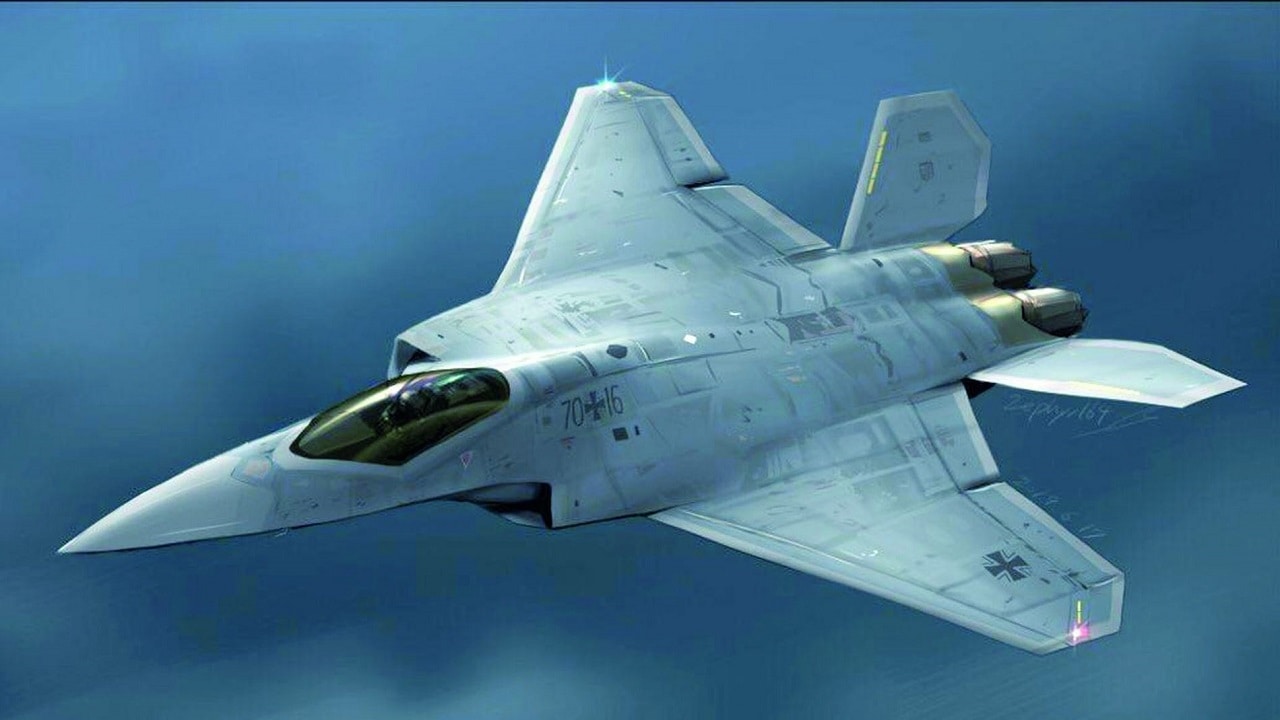
FCAS. Image Credit: Creative Commons.
-This report analyzes the €100 billion effort involving France, Germany, and Spain, highlighting disputes over intellectual property and industrial workshare.
-Buckby concludes that with the IG Metall Union and BDLI sounding alarms in Berlin, the prospect of two competing European stealth jets is increasingly likely.
Dassault Warns Europe’s Next-Gen Fighter Could Be “Dead”
Europe’s flagship next-generation fighter jet program is facing a serious crisis after the head of France’s Dassault Aviation warned that the project could collapse if Airbus refuses to cooperate on its structure and leadership.
Eric Trappier, CEO of Dassault Aviation, said on March 4 that the Future Combat Air System (FCAS) program would be effectively “dead” if Airbus continues resisting Dassault’s leadership of the fighter element of the project. The dispute highlights growing tensions within the €100 billion European effort to build a sixth-generation air combat system for France, Germany, and Spain.
Launched in 2017 by French President Emmanuel Macron and German Chancellor Angela Merkel, FCAS was designed to produce a new combat aircraft along with drones and a digital “combat cloud” network linking multiple battlefield systems.
But nearly a decade after its launch, disagreements between the project’s two main industrial partners are threatening to derail the program.
The Ongoing Leadership Dispute
The dispute centers on who should lead development of the new fighter aircraft that will anchor the FCAS system. Dassault argues it should control the aircraft’s design and supplier selection because of its experience developing combat jets such as the Rafale.
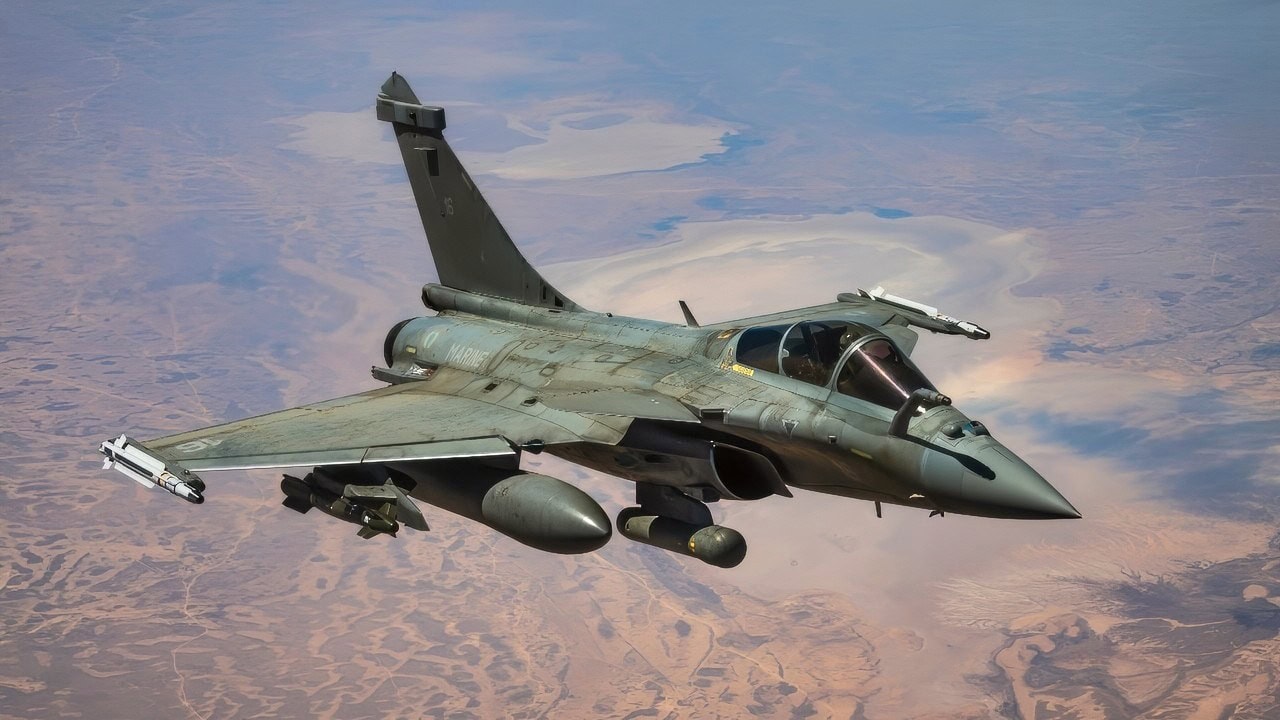
Dassault Rafale Fighter from France. Image Credit: Creative Commons.
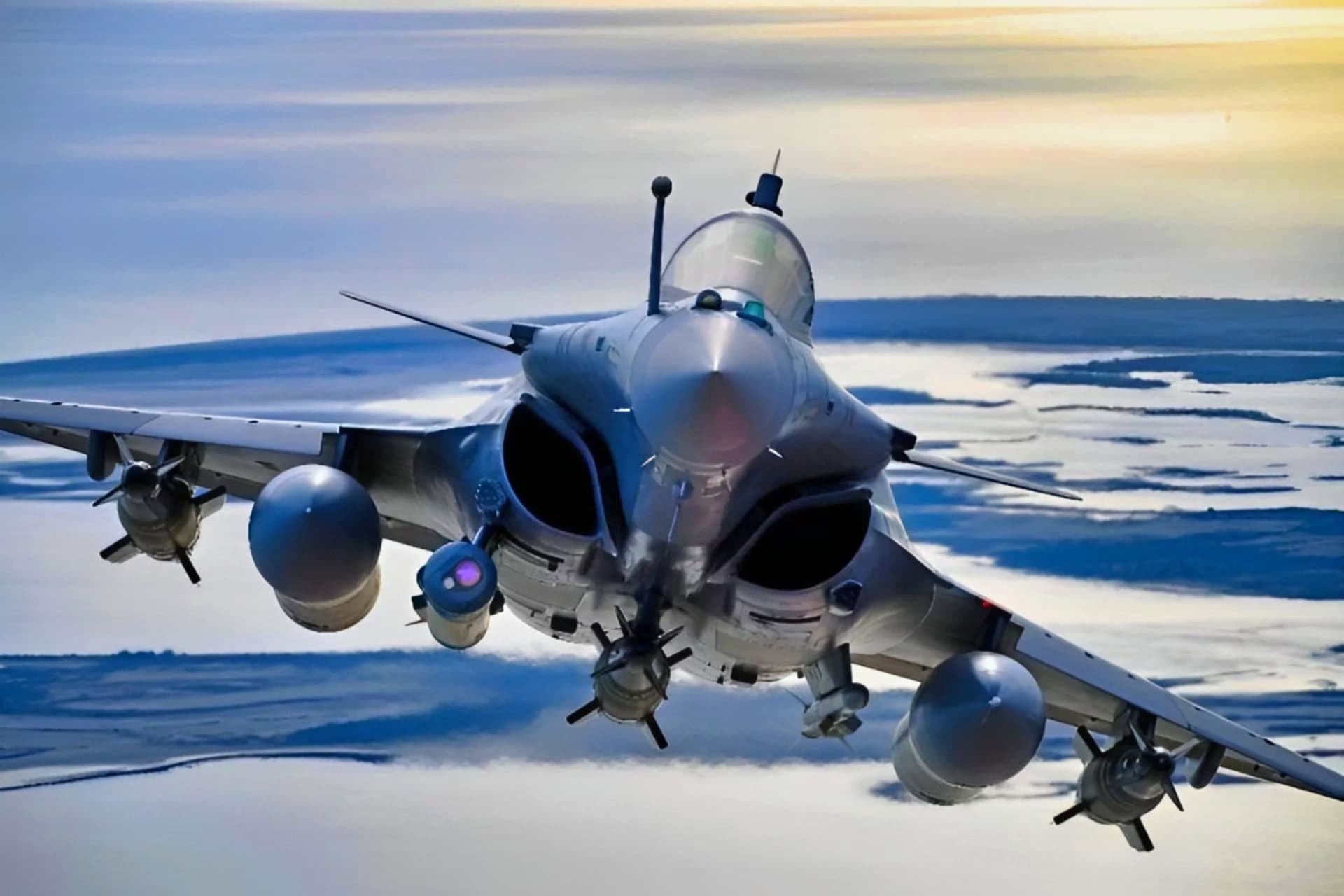
Dassault Rafale Fighter. Image Credit: Creative Commons.
Airbus, which represents German and Spanish industrial interests in the program, has pushed for a more distributed partnership structure similar to the multinational Eurofighter Typhoon program.
The dispute has also spilled over into German industry. Aerospace lobby BDLI and the IG Metall Union recently warned that Germany risks “industrial self-abandonment” if it allows France to dominate the project.
A Sixth-Generation System at Stake
FCAS is intended to replace France’s Rafale and Germany’s and Spain’s Eurofighter fleets in the 2040s with a system that integrates a new fighter jet, drone “remote carriers,” and advanced digital networking technologies.
European governments launched the project partly to maintain an independent defense-industrial base rather than relying solely on U.S. platforms such as the F-35.
However, the program has repeatedly faced delays and disputes over intellectual property and industrial workshare.
Separate European Fighters?
With tensions rising, some officials are now openly discussing the possibility that the program could split into separate fighter aircraft efforts.
Airbus CEO Guillaume Faury has previously raised the prospect of two different European next-generation fighters if the industrial dispute cannot be resolved.
Trappier has also suggested that Dassault could develop a standalone aircraft for under €50 billion if the partnership collapses.
About the Author: Jack Buckby
Jack Buckby is a British researcher and analyst specialising in defence and national security, based in New York. His work focuses on military capability, procurement, and strategic competition, producing and editing analysis for policy and defence audiences. He brings extensive editorial experience, with a career output spanning over 1,000 articles at 19FortyFive and National Security Journal, and has previously authored books and papers on extremism and deradicalisation.