
The number of PLA aircraft sorties over the Taiwan Strait drops to 1,334; Coast Guard patrols and long-range fire training are taking over.
 Li Minghui
PLA Air Force Sorties in the Taiwan Strait Drop to 1,334, Coast Guard Patrols and Long-Range Artillery Training are Taking Over
According to the South China Morning Post on July 24, based on publicly available records from Taiwan's defense department, the number of PLA aircraft detected around Taiwan in the first half of the year has dropped to 1,334 sorties, halving compared to the same period last year, and marking a low point for 2023. This figure may seem like a cooling off, but I believe it resembles a shift in pressure tactics: using fewer easily counted aircraft sorties and more videos of coast guard operations, near-shore live-fire zones, and long-range rocket artillery to create continuous pressure.
A Drop in Sorties Does Not Indicate a Decline in Training Capability
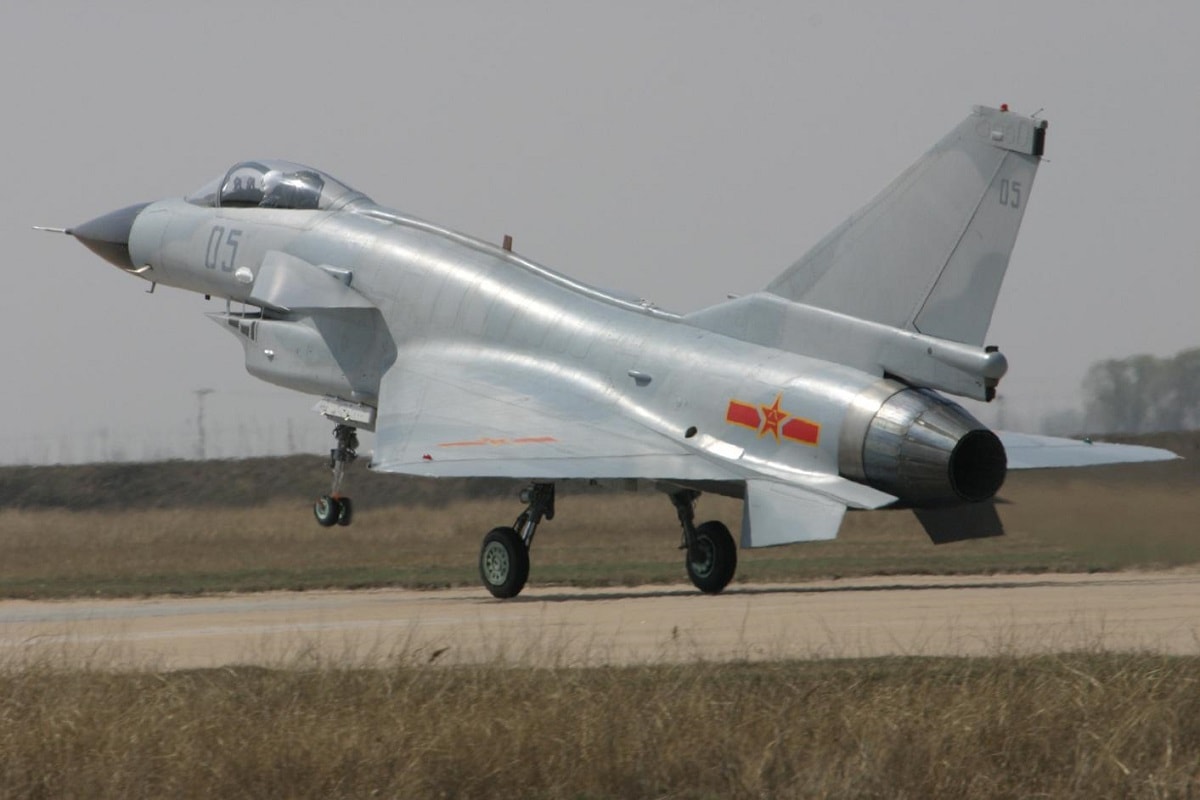
According to SCMP, the PLA is expected to conduct over 5,400 sorties in the airspace around Taiwan throughout 2025, while in the first half of 2026, only 1,334 sorties are anticipated; at the same time, the number of days without PLA aircraft detected by Taiwan has reached a new high, and there have been no large-scale exercises around Taiwan since 2022. The key to this data is not that Beijing has suddenly stopped training, but that the marginal returns of aerial activities are declining.
The most expensive part of flying sorties around Taiwan is not the fuel costs, but the flight hours, engine life, ground support, and pilot fatigue. For platforms like the J-16, J-10C, H-6K, and Y-20, sustained high-intensity operations can quickly deplete the fleet's availability. In simple terms, pushing aircraft into the airspace over the Taiwan Strait every day to be counted by the other side's radar sends a very clear political signal, but the military training benefits may not necessarily increase proportionally.
Maritime and Firepower Signals Become More Frequent
In the same week, SCMP also reported that Beijing arranged two days of live-fire exercises in waters east and south of Dongshan Island in Fujian, approximately 12 kilometers from the mainland coast; additionally, a PLA-related account released a video of the PHL-191 long-range rocket artillery's airburst munitions, interpreted by outsiders as a suppression scenario for Taiwan's communications, radar, and lightly protected targets. Both actions may not be as eye-catching as a large number of aircraft crossing the line, but from a combat readiness perspective, they are closer to issues of firepower and maritime control just hours before a potential conflict.
- Decrease in aerial sorties: Reducing consumption and minimizing predictable flight path samples.
- Increased coast guard patrols: Normalizing military law enforcement as a daily presence, consuming Taiwan's coast guard resources.
- Near-shore live-fire and long-range demonstrations: Emphasizing control over ports, suppressing key nodes, and cutting off response chains.
What is easily overlooked here is the cost structure. Coast guard vessels can remain at sea longer, with lower political risks than military aircraft approaching; near-shore live-fire zones do not require crossing the median line of the strait but can still send signals to shipping, fisheries, and Taiwan's southwestern defense perimeter; systems like the PHL-191, if using airburst warheads, are significant against exposed facilities at airports, radar positions, mobile air defense vehicles, and soft targets on the landing front.
The True Test for Taiwan's Defense
In recent years, Taiwan has adapted to the daily rhythm of announcing the number of PLA aircraft and vessels, but if the pressure shifts to the normalization of coast guard operations and demonstrations of firepower readiness, Taiwan's metrics will also need to adjust. Focusing solely on aircraft sorties may underestimate the continuity of mainland training in maritime control, information suppression, and firepower preparation before an island landing.
The author believes that the situation in the Taiwan Strait in the first half of 2026 is not simply a cooling off, but a shift from high-visibility aerial pressure to a low-cost, multi-domain, and sustainable consumption model.
For the PLA, this change also exposes a problem: if in the future there is a need to integrate coast guard, long-range artillery, electronic suppression, unmanned platforms, and air forces into a cohesive process for controlling the Taiwan Strait, the command chain and real-time intelligence distribution will be more important than the performance of any single platform. What is truly worth monitoring is not whether aircraft sorties will rebound in the second half of the year, but whether the Eastern Theater Command will incorporate coast guard vessels, PHL-191, and unmanned reconnaissance platforms into the same public training exercise.
The People's Liberation Army (PLA) reported a decrease in aircraft sorties around the Taiwan Strait to 1334 in the first half of 2023, marking a significant reduction. This shift is accompanied by increased maritime patrols and artillery training, suggesting a strategic change towards low-cost, sustained pressure on Taiwan. The absence of large-scale military exercises indicates a focus on maintaining operational readiness while minimizing visible military activity.
- PLA aircraft sorties around Taiwan decreased to 1334 in the first half of 2023, a significant drop from previous years.
- Increased use of maritime patrols and artillery training as a pressure tactic against Taiwan.
- No large-scale military exercises were reported in the first half of 2023, indicating a shift in military strategy.
- The PLA is focusing on low-cost, multi-domain operations to maintain pressure on Taiwan.