
Year-old startup wins spot in U.S. Army interceptor fly-off
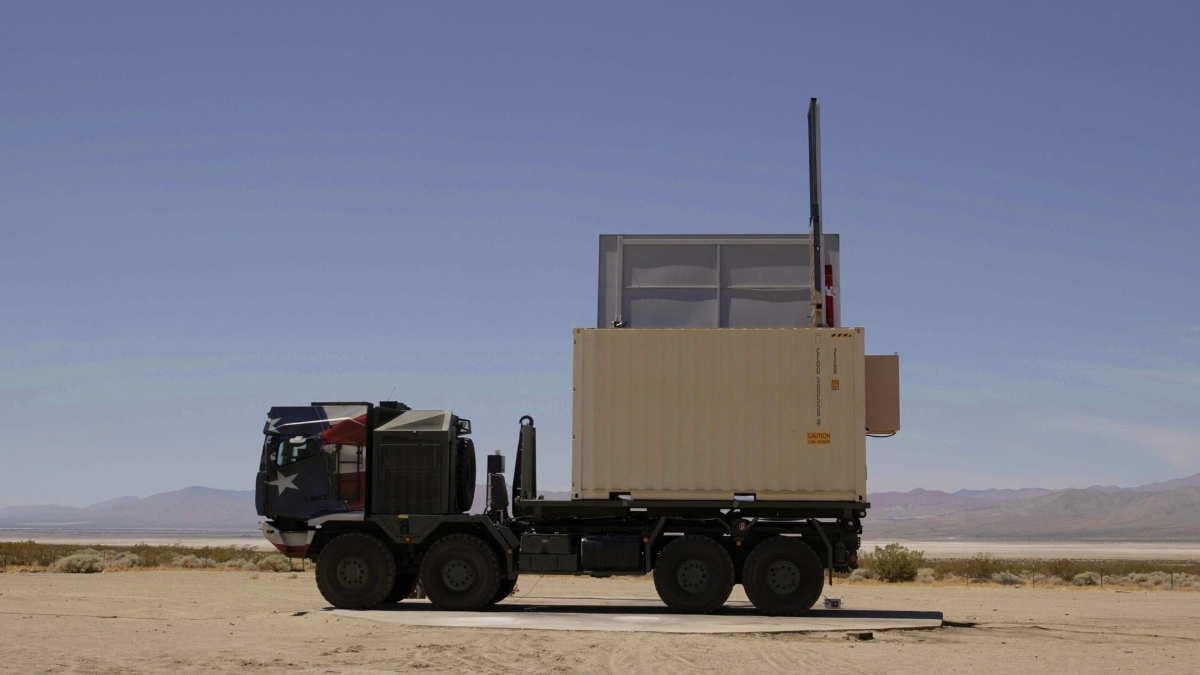
Furientis, a missile startup founded just last year, has been picked as one of four companies to fly interceptors in a U.S. Army shoot-off at the end of fiscal 2027, competing to supply a second missile for the service’s Indirect Fire Protection Capability Increment 2 air defense system.
Co-founder and CEO Brody Franzen announced the selection, describing it as a downselect for a fly-off at the end of a fiscal year that closes on Sept. 30, 2027, without naming the other three companies chosen.
The Indirect Fire Protection Capability Increment 2, or IFPC Inc 2, is the U.S. Army’s mid-range air defense system for protecting bases and troops from cruise missiles, drones, rockets and artillery. Its truck-mounted Enduring Shield launcher, built by Leidos subsidiary Dynetics, now fires RTX’s AIM-9X Sidewinder, and the U.S. Army has spent the past few years looking for a second, more capable missile that can handle fast, low-flying cruise missiles and be built in larger numbers.
Lockheed Martin and a team of Boeing and Anduril are already competing in the formal second-interceptor program, which moved into its demonstration phase in September after Rafael’s U.S. subsidiary was not selected to continue. At the Association of the U.S. Army conference this week, Lt. Gen. Frank Lozano, the service’s portfolio acquisition executive for fires, said the U.S. Army would open a parallel path for companies that missed that first cut but kept investing in their own designs, inviting them to bring missiles to the range for a shoot-off in the fourth quarter of fiscal 2027, Breaking Defense reported, and Furientis’ selection appears to be part of that track.
Franzen and Aris Simsarian, both former engineers at Virgin Orbit and Castelion, founded Furientis in 2025 in the Los Angeles area to build interceptors designed for mass production from readily available parts. The company puts final assembly time at about 30 minutes and says it flight-tests prototypes roughly every two weeks instead of spending years on design before flying.
The startup came out of stealth in May with a $5 million pre-seed round, and on Oct. 6 it announced both a $25 million seed round led by Benchmark and its first funded government contract, a prototyping agreement with the U.S. Department of War for a 100-mile-range interceptor intended for homeland defense.
According to Franzen, the IFPC selection capped a busy two weeks in which Furientis flew its first horizontal flight test on a government range for the U.S. Army’s low-cost interceptor effort and, at AUSA, unveiled a containerized launcher developed with Rheinmetall for the U.S. Army’s Common Autonomous Multi-Domain Launcher program.
He credited the U.S. Army’s Portfolio Acquisition Executive for Fires and its defensive fires team, led by Brig. Gen. Guy Yelverton, for opening the door to nontraditional vendors and giving them the resources to speed up development, and said Furientis is now hiring as it prepares its interceptor for the shoot-off due by the end of September 2027.
Content preview only. Full article available at source. View Full Article
Furientis was selected as one of four companies to participate in a U.S. Army interceptor fly-off scheduled for the end of fiscal year 2027. The company aims to provide a second missile for the Army's Indirect Fire Protection Capability Increment 2 air defense system. Founded in 2025, Furientis focuses on producing interceptors for mass production and has recently secured funding and a government contract for development.
- Furientis selected as one of four companies for U.S. Army interceptor fly-off.
- The fly-off is scheduled for the end of fiscal year 2027.
- Furientis aims to produce interceptors designed for mass production.
- The U.S. Army is seeking a second missile for its air defense system.
- Furientis has secured funding and a government contract for interceptor development.