
Yemen Conflict Escalates: Interlinked Risks of "Choke Points" in Two Major Strategic Straits
Recently, the conflict between the Houthi armed group in Yemen and the Saudi Arabia supporting the Yemeni government forces has continued to escalate. The Houthis have seized several strategic locations along the Red Sea coast, vying for control of the Bab-el-Mandeb Strait, attempting to impose a maritime blockade on Saudi Arabia; in response, Saudi Arabia has intensified airstrikes against the Houthis while seeking external assistance.
Some analysts believe that the timing and intensity of the Houthis' recent actions are closely related to the ongoing spillover of the Iranian conflict.
Bab-el-Mandeb Strait Becomes Geopolitical Focus
Saudi Arabia Intensifies Airstrikes Against Houthis
On September 18 local time, U.S. President Trump stated that the war against Iran would soon come to an end. He also mentioned that the U.S. is in contact with the Houthis.
Recently, the conflict between the Houthi armed group in Yemen and the Saudi Arabia supporting the Yemeni government forces has continued to escalate. Houthi spokesman Yahya Saree stated on the 18th that in the past 24 hours, Saudi Arabian warplanes have conducted 26 airstrikes in Yemen's Taiz province. This week, Saudi warplanes have launched 300 airstrikes against Yemen. The Saudi side has not yet responded to the Houthis' claims.
On the 17th, officials from the Yemeni government forces stated that intense fighting continues in the Khaboub Mountains and surrounding highlands in Lahij province in southern Yemen. After seizing large areas of land along the Yemeni Red Sea coast, the Houthis have deployed combat troops to attempt to capture the strategic Khaboub mountain range near the Red Sea.
The Khaboub mountain range is located northeast of the Bab-el-Mandeb Strait and is an important high ground connecting the Red Sea coast with inland transportation routes. On the same day, Houthi officials stated that the fighting with government forces near the Bab-el-Mandeb Strait remains in a stalemate.
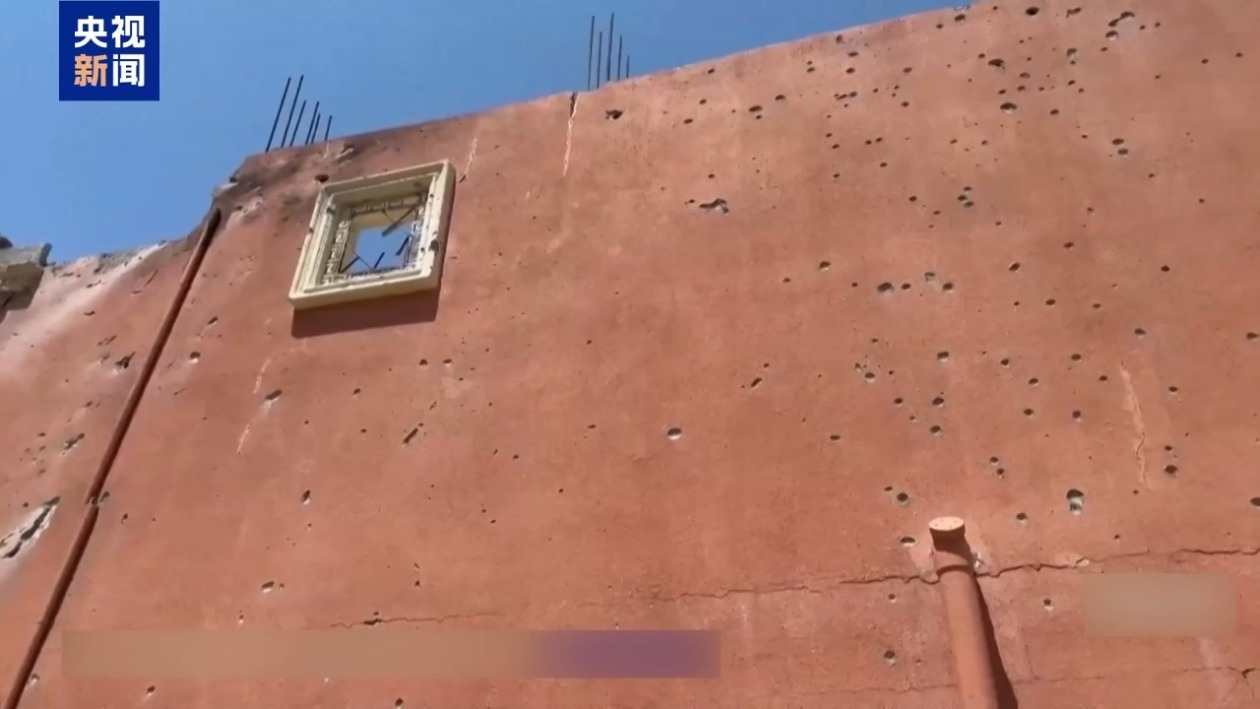
In addition, Saudi Arabia is also conducting airstrikes to support the Yemeni government forces. A Houthi spokesman stated on the 17th that Saudi Arabia has launched dozens of airstrikes on Yemen's Taiz and Hajjah provinces, resulting in civilian casualties. The Saudi Civil Defense Authority issued a statement on the same day, stating that they intercepted a drone launched by the Houthis in the western Saudi city of Taif, with debris falling and causing damage to buildings and vehicles.
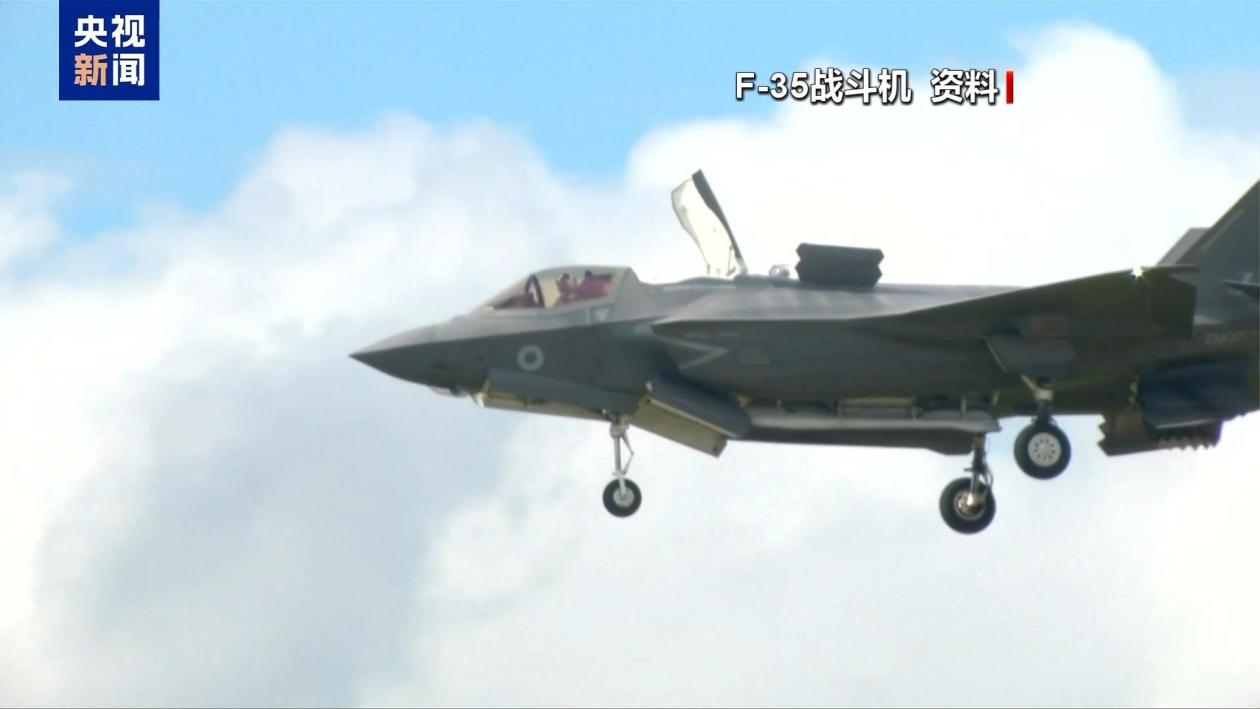
On the 17th, the U.S. State Department announced that it has approved a potential foreign military sale to Saudi Arabia of 48 F-35 fighter jets and related equipment, with a total estimated value of up to $24.3 billion. The F-35 fighter jet is one of the most advanced stealth multirole jets in the world, and the U.S. only sells this type of aircraft to long-term military allies.
Escalation of the Yemeni Conflict
Large Numbers of Displaced People
Faced with the sudden outbreak of conflict, many Yemeni civilians have been forced to leave their homes to escape the fighting. As the conflict continues, the number of displaced persons and the resulting humanitarian needs are also on the rise.
Yemeni citizen Hani Ahmad evacuated with his family from the heavily contested Al-Muhah area to a temporary camp in Aden. He stated that the limited resettlement conditions and shortages of essential supplies have put them in new difficulties.
The International Organization for Migration stated on the 18th that the humanitarian situation in Yemen has sharply deteriorated due to the ongoing conflict. There are over 112,000 displaced persons within Yemen. Additionally, thousands have been forced to take boats across the Bab-el-Mandeb Strait to Djibouti seeking refuge.
U.S.-Iran Confrontation Window
Intensification of Internal Power Struggles in Yemen
Why has the situation in Yemen suddenly changed recently? What impact will it have on the regional situation?
Li Zixin, an expert on Middle Eastern issues at the China Institute of International Studies, analyzed that the ceasefire agreement of 2022 failed to resolve internal conflicts in Yemen, the political reconciliation process has long been stagnant, and the power vacuum has gradually expanded. The Houthis are taking advantage of the current geopolitical window created by the stalemate in U.S.-Iran relations, intending to convert military advantages into political leverage by controlling the Bab-el-Mandeb Strait and Red Sea ports to pressure Saudi Arabia for political recognition of their dominant position.
Strait Competition Intensifies
Disrupting the Energy and Security Landscape in the Middle East
Some analysts believe that the timing and intensity of the Houthis' recent actions are closely related to the ongoing spillover of the Iranian conflict. Currently, the two strategic straits are forming a risk linkage, significantly enhancing the pressure on global energy transportation.
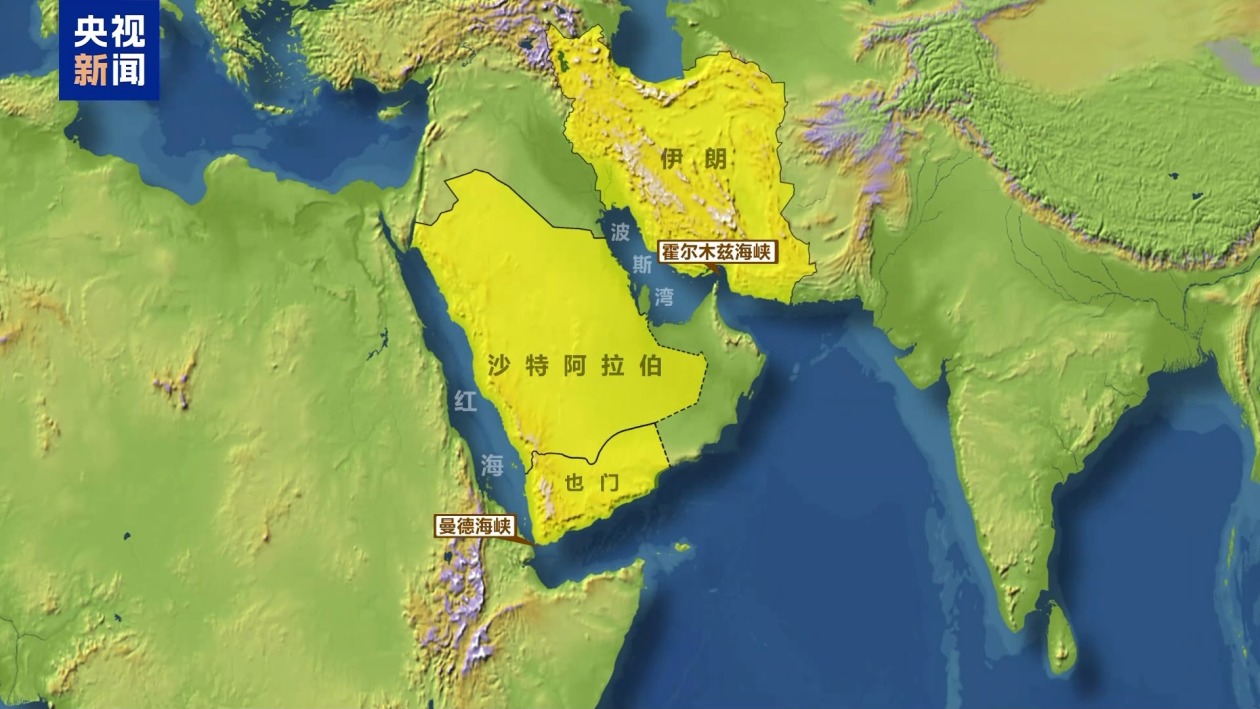
Li Zixin stated that the situation of "dual strait chokehold" has formed between the Strait of Hormuz and the Bab-el-Mandeb Strait. Coupled with the previous drone attacks on Saudi Arabia's east-west oil pipeline leading to its shutdown, global energy transportation is facing significant challenges, causing oil prices to surge and remain volatile at high levels.
Li Zixin believes that the Houthis' focus is on the political dominance within Yemen, while Iran views the "dual strait linkage" as a strategic support against the U.S. economic war. Saudi confidence in U.S. security guarantees is declining, accelerating defense diversification, and regional countries are significantly accelerating their strategic autonomy in security and defense, leading to profound adjustments in the traditional security architecture of the Middle East.
Reporter丨Zhang Yingzhe Zhu Yunxiang
Houthi forces captured strategic locations along the Red Sea coast and engaged in intense battles with Yemeni government forces in Taiz and Hajjah. Saudi Arabia conducted 300 airstrikes in support of the government forces, with 26 airstrikes reported in a 24-hour period. The conflict has displaced over 112,000 people, exacerbating the humanitarian crisis in Yemen. The U.S. approved a potential sale of F-35 fighter jets to Saudi Arabia, further intensifying military involvement in the region.
- Houthi forces captured multiple strategic locations along the Red Sea coast.
- Saudi Arabia conducted 300 airstrikes in Yemen this week, including 26 in 24 hours.
- Over 112,000 people have been displaced due to the ongoing conflict in Yemen.
- The U.S. approved a potential sale of 48 F-35 fighter jets to Saudi Arabia for $24.3 billion.
- Intense battles are ongoing in the Kahbob Mountains and near the Mande Strait.