
Zhang Chao's Comrade: In the Best Era, Fly the Best War Eagle Well
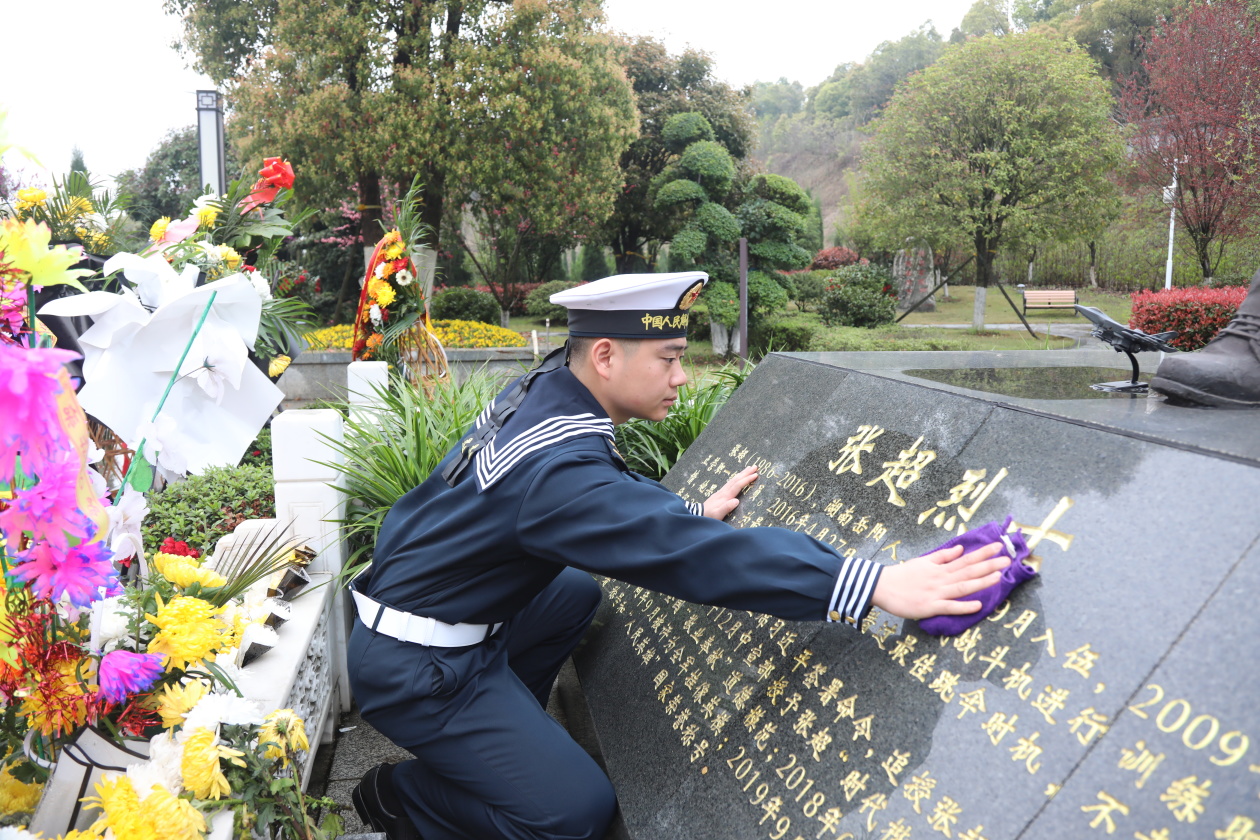
【Global Times - Global Network Report by reporter Guo Yuandan】On April 27, 2016, at a training base in the Bohai Bay, carrier-based fighter pilot Zhang Chao was conducting land-based simulated carrier landing training when the aircraft suddenly experienced a fly-by-wire failure. In the last 4.4 seconds, he sacrificed the best parachute ejection opportunity to save the aircraft, heroically giving his life. Today, ten years later, as the J-15T roars into the sky from the Fujian aircraft carrier's electromagnetic catapult, the Chinese Navy has entered the "three aircraft carrier era." This decade has been a time when generations of "Flying Shark" warriors have soared along the heroic path.
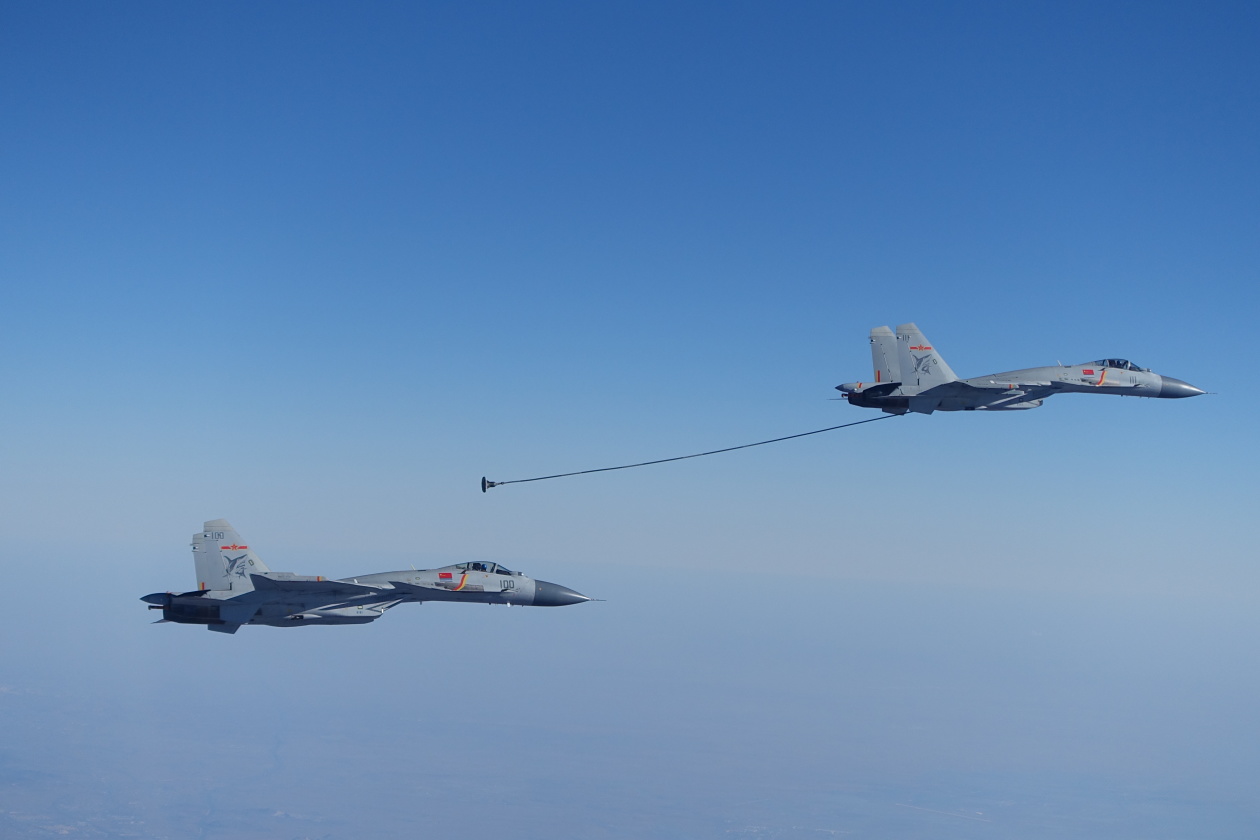
“The best way to inherit the spirit of heroes is to strive to be a hero and become a hero.” The leadership of the unit where Zhang Chao served stated recently, “In the best of times, we must fly the best warbirds well.”
This unit is a carrier-based fighter jet force. Since its establishment, they have started from scratch, innovating and overcoming a series of key and fundamental challenges, paving the way for China's carrier-based aircraft development.
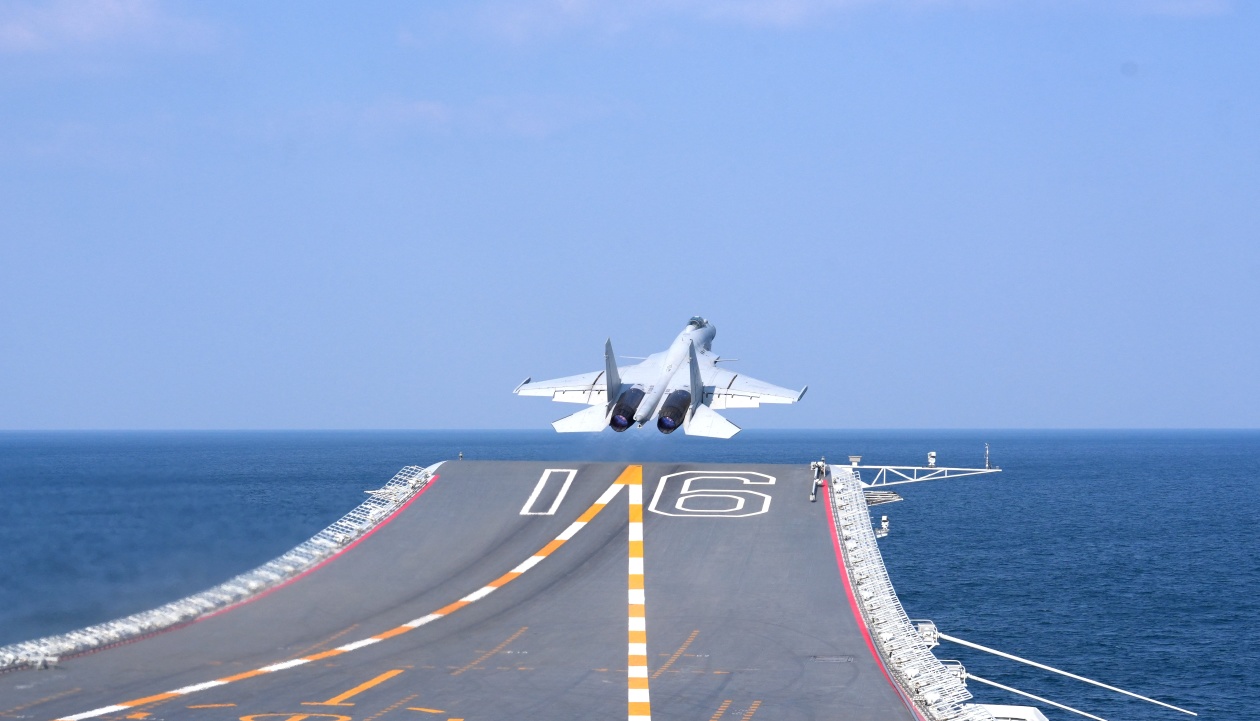
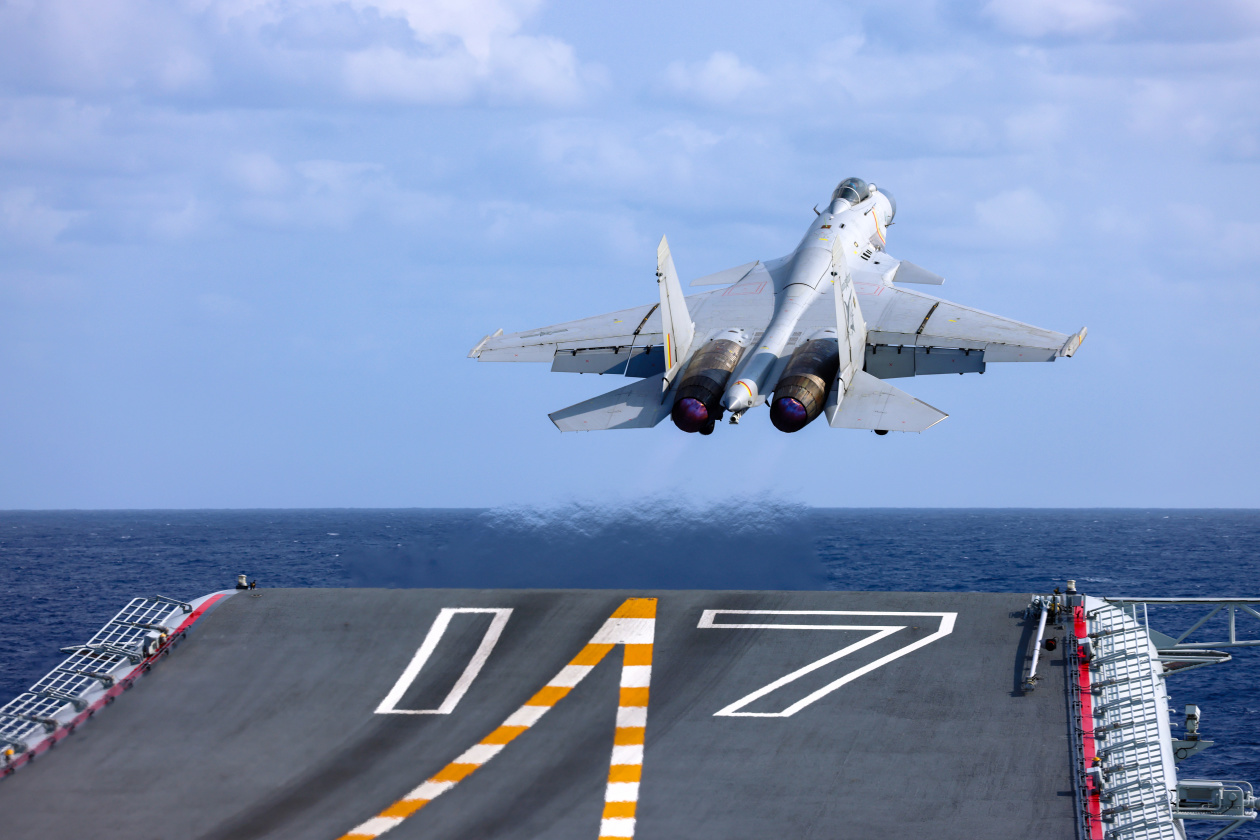
Zhang Chao was the first martyr to sacrifice for China's carrier-based aircraft development. Ten years ago, a reporter from the Global Times interviewed the leadership of Zhang Chao's unit, who stated, “We encountered setbacks, but we are still moving forward. Those who love this career cannot be frightened.”
When Zhang Chao sacrificed his life, China's carrier-based aircraft development was in a critical phase of "starting from scratch." Over the past decade, this unit has achieved the transition from land-based simulations to carrier-based takeoffs and landings, with batches of carrier-based fighter pilots sequentially obtaining daytime and nighttime carrier qualification certifications, and the pilot team continuously growing. New types of aircraft have taken to the skies, striving for maritime strength, and the "Flying Shark" family has flourished.
“In the best of times, we must fly the best warbirds well.” The unit's leadership introduced that the Party has entrusted us with the best equipment, and we must lead in generating combat power and be the vanguard.
Facing new aircraft types, the unit's pilots are flying with increased determination along the heroic mission. It was reported that after switching to new aircraft types, flying to the limits and boundaries has become the norm for pilots. Although it comes with challenges and risks, they understand that only by thoroughly understanding the limits of the equipment can they continuously improve the "human-machine integration" level, allowing the new equipment to quickly form combat capability.
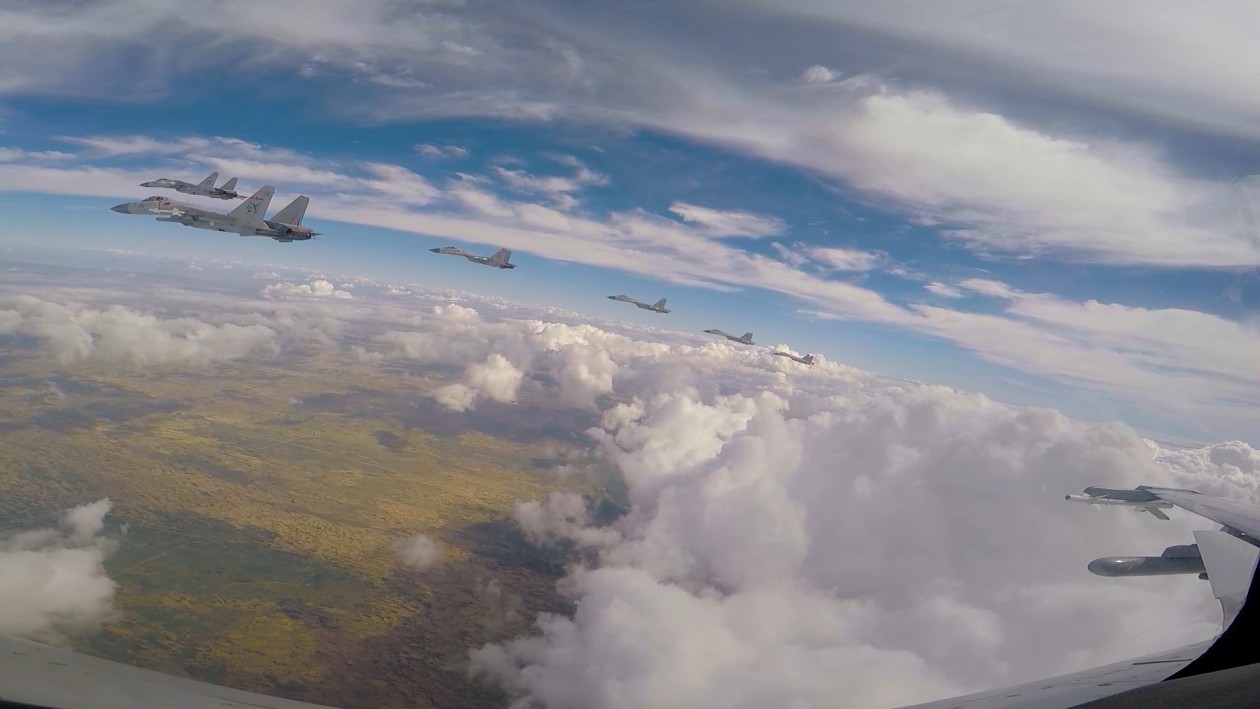
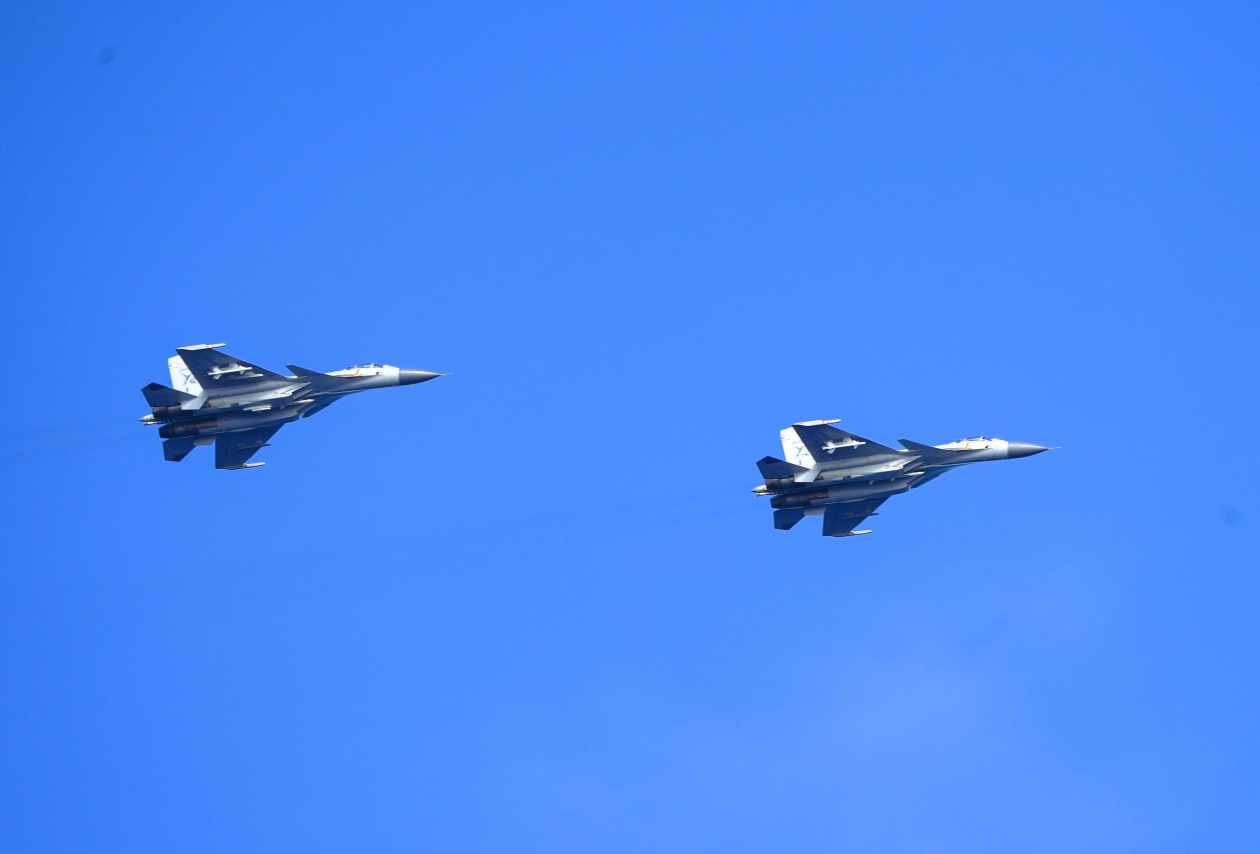
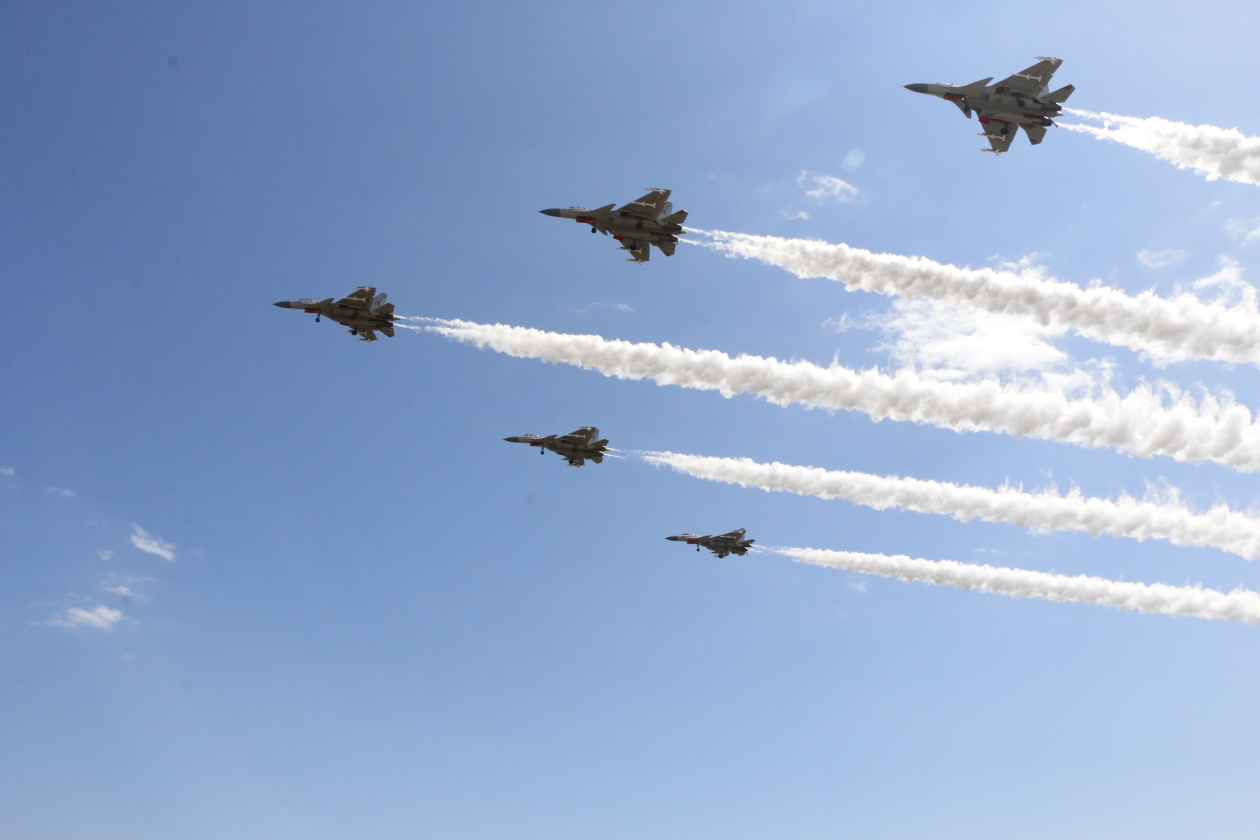
On September 3, 2025, the J-15DH, J-15DT, J-35, and J-15T formed two wedge formations flying over Tiananmen Square for inspection. From ski-jump takeoffs to catapult strikes, Chinese carrier-based aircraft have evolved from a single type to multi-type coordination, becoming the core weaponry of the carrier strike group, with various aircraft types now equipped in bulk and forming combat capability.
Ten years ago, before his sacrifice, Zhang Chao was concerned about flying on the carrier. Ten years later, Zhang Chao's unfinished dream of "boarding the carrier" has been continued by his comrades, transforming into the magnificent flight path of warbirds roaring and piercing the sky. The People's Navy's aircraft carriers have increased from one to three, entering the "three aircraft carrier era"; the flight paths have extended from the doorstep to the vast ocean, where pilots have undergone practical training and complex environment confrontation exercises.
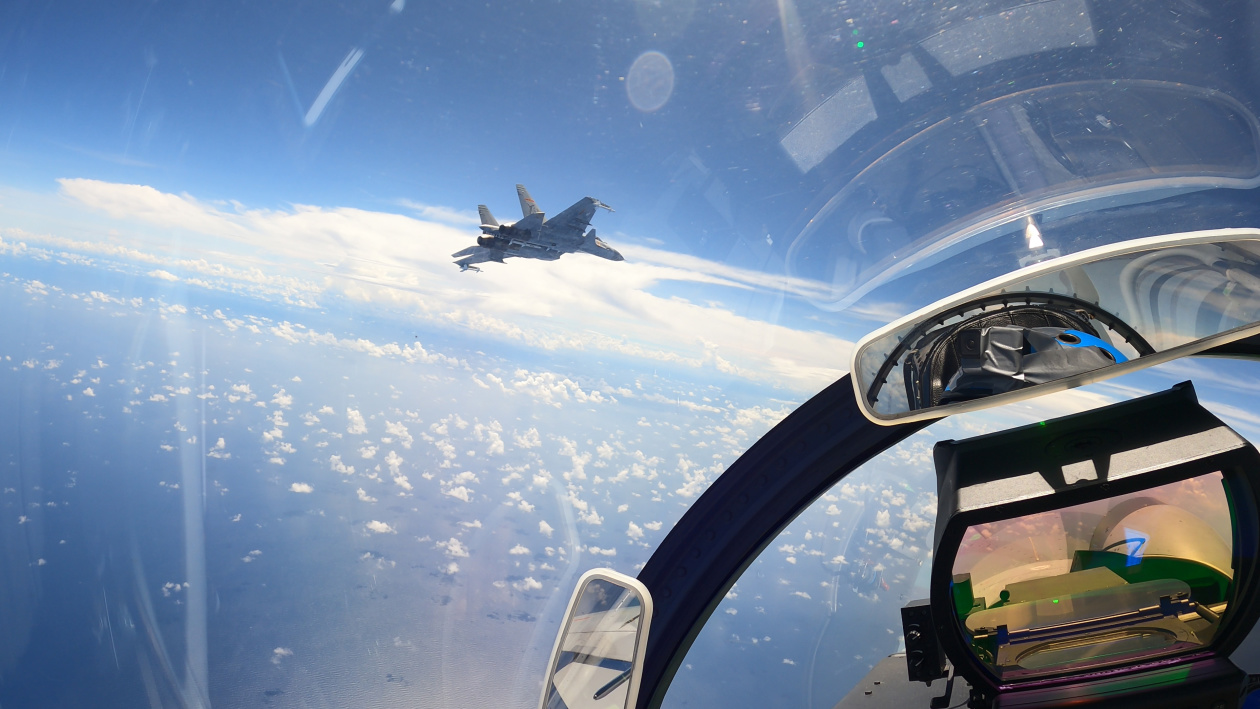
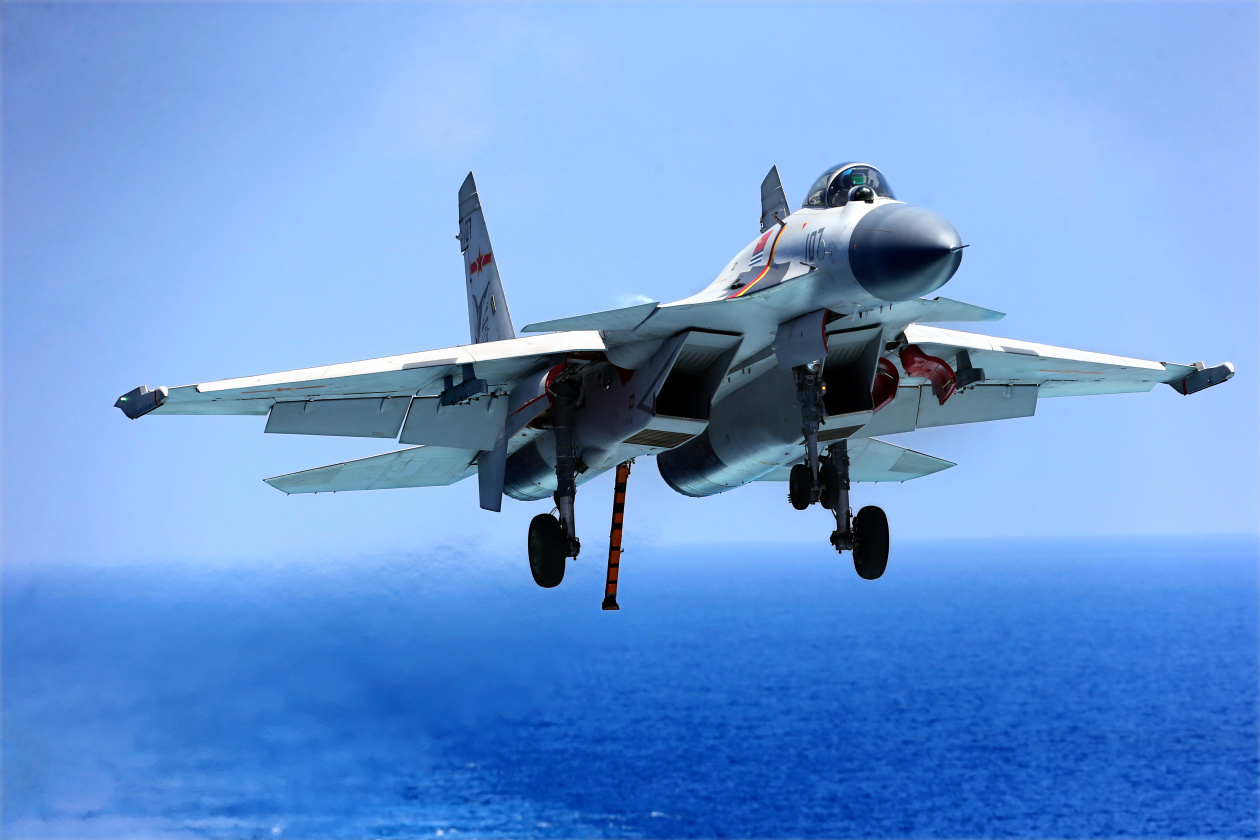
“Every takeoff is a promise to the heroes; every hook-up is a response to the heroes!” said a pilot.
During a training exercise in the open sea, an external aircraft disregarded multiple warnings from our side and approached to harass. The pilot received orders to take off urgently, bringing the aircraft within less than a hundred meters, successfully driving it away.
“At that time, I was already prepared for sacrifice, with only one thought in my mind: to complete the mission assigned by the Party and the people!” recalled a pilot, his eyes filled with determination.
“Are you afraid of death?” “We fear nothing, only fear not being allowed to go up!” the pilot stated.
Carrier-based fighter pilots are recognized as one of the most dangerous professions in the world, known as "dancers on the edge of a knife." Countless "Zhang Chaos" have chosen to become "dancers on the edge of a knife," using sacrifice and dedication to carve out China's own path in carrier aviation.
Currently, the deployment speed of the "Flying Sharks" is increasing, the scale is expanding, the frequency is rising, and the deployment rate has multiplied.
In May 2025, state media disclosed for the first time in the typical deeds of the takeoff and landing support team of China's first domestically produced aircraft carrier Shandong, that over the past five years since its commissioning, it has ensured the safe takeoff and landing of various types of carrier-based aircraft for nearly ten thousand sorties, achieving a continuous increase in aircraft deployment rates. “This indicates that carrier-based aircraft have achieved all-weather operational capability, and the overall combat capability of the carrier is continuously enhancing, fully capable of undertaking offshore maritime defense operations,” military expert Zhang Junsha analyzed.
The report of the 20th National Congress of the Communist Party emphasized “improving strategic capabilities to defend national sovereignty, security, and development interests, effectively fulfilling the mission tasks of the people's army in the new era.” Now, honing the ability to win in system operations has become the new normal for this unit's training and preparation.
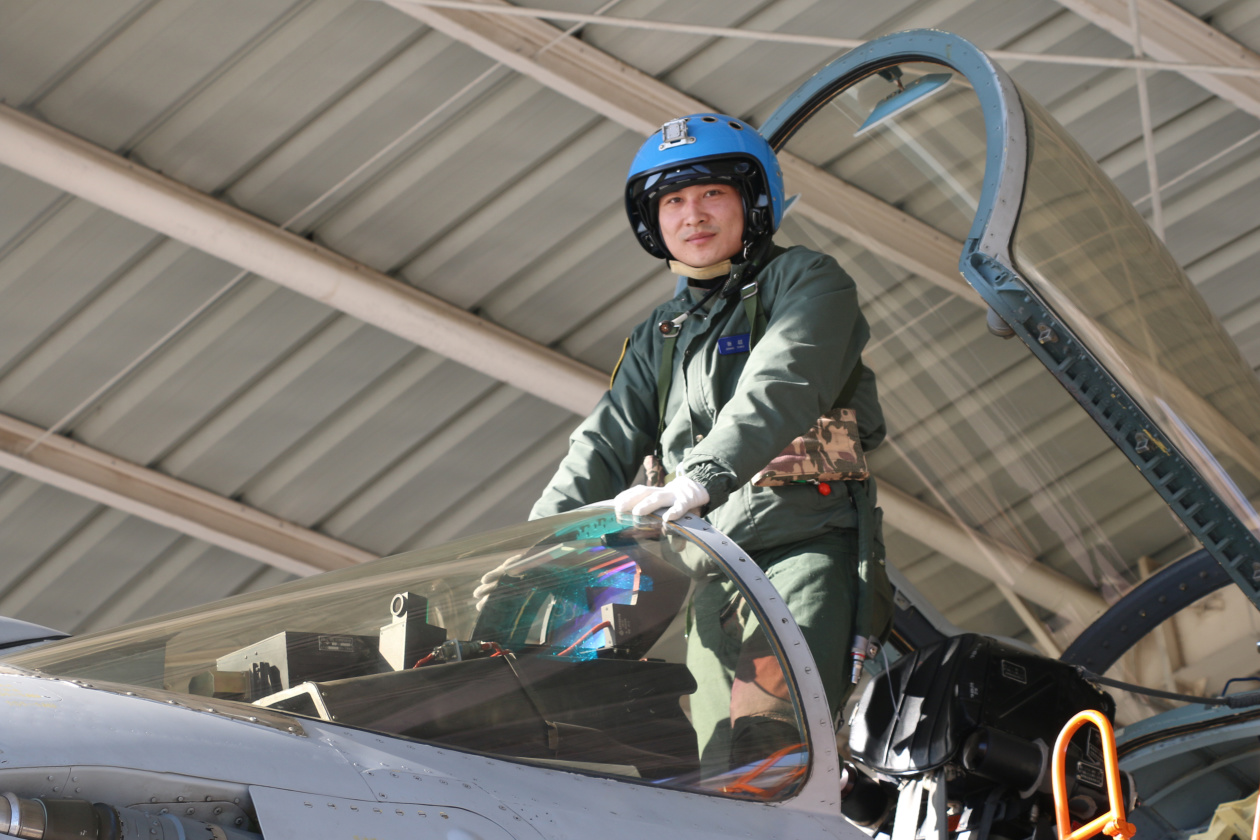
The officers and soldiers of this unit always inherit the spirit of heroes, forging the edge of victory from difficult and strict conditions, focusing on enhancing carrier combat power, and discussing issues such as deepening system integration and increasing the proportion of live-force confrontation training, transforming the advantages of the carrier strike group's large force and comprehensive elements into resources for carrier-based aircraft training, regularly conducting air combat training under the command and guidance of early warning aircraft, continuously honing the unit's system collaborative combat capabilities.
On April 27, 2016, pilot Zhang Chao sacrificed himself during a training exercise in Bohai Bay to save his aircraft. Ten years later, the Chinese Navy has advanced to a 'three aircraft carrier era', with naval aviation units successfully transitioning to carrier-based operations. The unit has significantly increased its number of qualified pilots and operational readiness, emphasizing a commitment to heroism and excellence in military aviation.
- Zhang Chao sacrificed himself during a training exercise to save the aircraft.
- The Chinese Navy has entered the 'three aircraft carrier era'.
- The naval aviation unit has successfully transitioned from land-based to carrier-based operations.
- The unit has increased the number of qualified pilots and aircraft readiness.
- The report emphasizes the commitment to heroism and operational excellence.