
Germany Starts Patriot PAC-2 Production in 2026 — Europe's Security Shift Remains American
 Dr. Klaus Weber
Germany to Start PAC-2 Production of Patriot in 2026 — Europe's Security Shift Remains American
Berlin/Washington, September 19, 2026. Germany is set to begin the production of Patriot interceptor missiles of the PAC-2 GEM-T type later this year. At the same time, Berlin and Washington are examining which components of the American Tomahawk cruise missile can be manufactured in Germany in the future. The production agreement reached on September 15 by Boris Pistorius and Pete Hegseth is politically significant — but it is not evidence of European defense autonomy. Rather, it shows how closely Europe's rapidly growing defense spending remains tied to American design authority, approvals, and supply chains.
A Production Hub with Limited Sovereignty
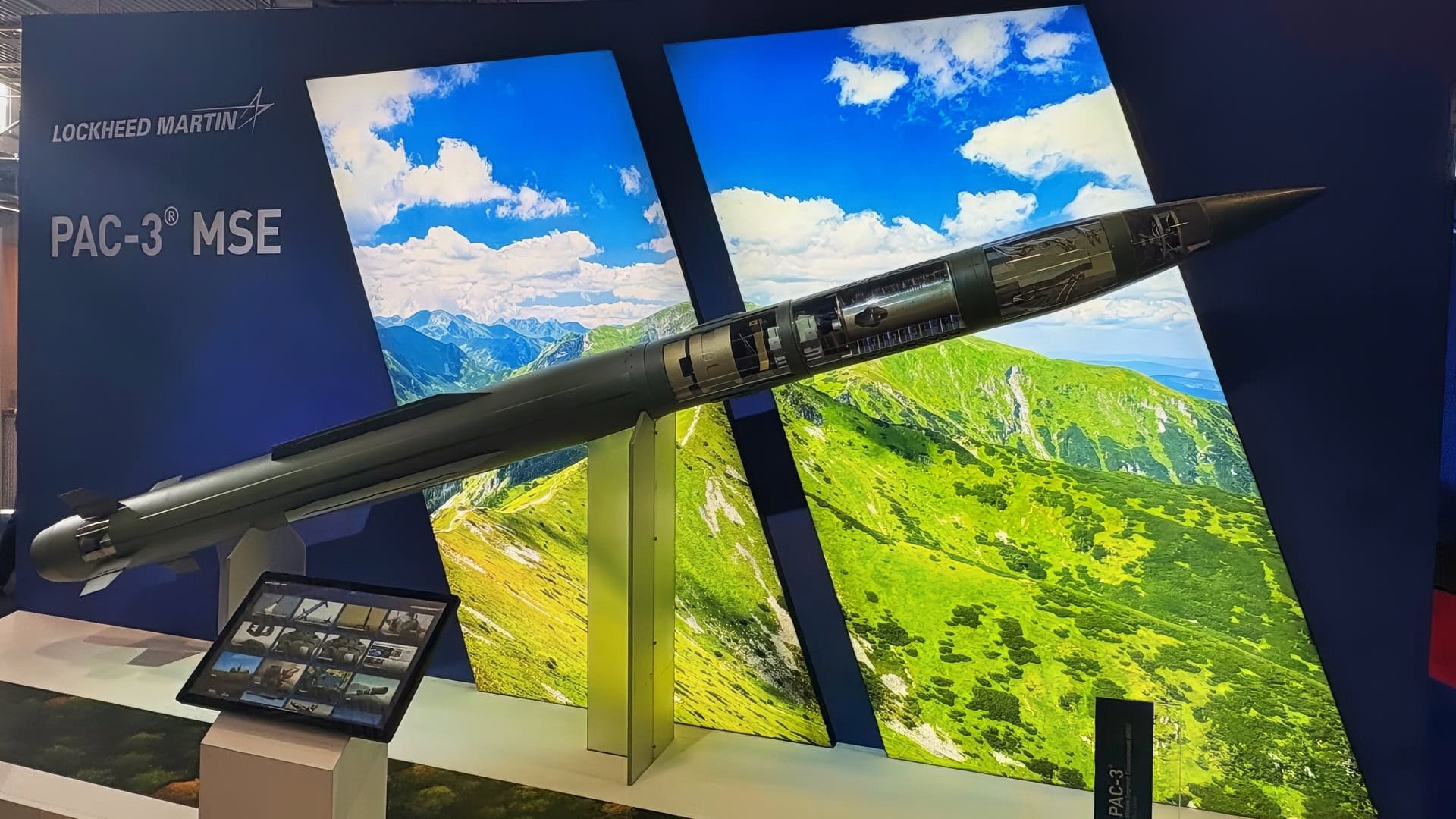
The practical core of the agreement is understandable. The German subsidiary of MBDA is already producing Patriot interceptor missiles of the older PAC-2 family; the manufacturing of the upgraded PAC-2 GEM-T is now set to begin in Schrobenhausen. Patriot is not a single missile, but an integrated system of radar, command post, launch device, and various interceptor missiles. The PAC-2 GEM-T is designed to combat aerodynamic targets and certain ballistic threats, while the PAC-3 MSE with hit-to-kill technology serves a different technical role. This distinction is not trivial: Germany will build part of the Patriot chain in the future, but will not gain the complete system architecture or the American design authority.
This explains the contradiction of the agreement. Berlin gains industrial jobs, maintenance capacity, and quicker access to ammunition. Washington gains additional production capacity for a scarce weapon system without relinquishing control over the central technology. This is transatlantic division of labor — and that is precisely why it is not yet a European capability.
Why Patriot and Tomahawk Now Politically Belong Together
European states have transferred Patriot stocks to Ukraine to protect Ukrainian cities against Russian missile and drone attacks. Now they need to replenish their own stocks. The demand meets an American production base that is simultaneously burdened by the war against Russia and the conflict with Iran. Lockheed Martin reported on September 17 that General Motors had delivered housing components for PAC-3 MSE interceptor missiles for the first time — 22 days after the contract was signed. The American attempt to accelerate production through new suppliers and additional factories underscores the scarcity of the system.
Tomahawk exacerbates the problem. The cruise missile has a range of approximately 1,000 miles and is intended to provide Germany with a capability for long-range precision strikes. However, Berlin wants to purchase the weapon already, while the potential German production still needs to be defined politically and technically. At the same time, Germany is working on a modernized Taurus variant and is participating in the European ELSA initiative. This is a sensible safeguard against supply bottlenecks, but also an admission: the Bundeswehr needs American systems in the short term because European alternatives are designed for the long term.
The French Criticism Hits a Sensitive Point
Paris has criticized for years that European funds finance the purchase of American systems under license instead of strengthening the European industrial base. The objection is not French romanticism, but institutionally grounded. Assembling Patriot in Germany does not automatically produce a European air defense system. The dependence on American licenses, software, spare parts, and supplies remains. France and Italy therefore refer to SAMP/T as a European alternative — with the well-known disadvantage that European alternatives currently do not achieve the same quantity, operational density, and political demand.
Germany, on the other hand, has good reasons to reject this criticism. SAMP/T cannot close the acute gap quickly enough, and the Bundeswehr cannot defend itself against a Russian missile threat with industrial policy symbols. The problem is not that Berlin is buying American weapons. The problem is that Europe has not created an institution over decades that organizes short-term operational capability and long-term technological sovereignty together.
More Production Does Not Automatically Solve Dependence
The agreement therefore deserves a sober assessment. It improves NATO's resilience because an additional production site can alleviate bottlenecks. It strengthens Germany's role as an industrial hub and makes the transatlantic relationship more material. But it does not shift any central decision about the design of the system to Europe. A German production hub can shorten delivery times without increasing Europe's strategic freedom of action.
Europe must not repeat the confusion it has made with many armament programs: a European factory is not yet a European capability.
The real test, therefore, does not come at the signing of the contract, but in the next crisis. When Patriot interceptor missiles become scarce, Washington will first serve its own operational planning and the most urgent allies. If Germany then has only production capacity but no own decision-making freedom, the industrial cooperation was useful — but not a turning point. Europe's dilemma thus remains: it must buy American systems to become safer today, while simultaneously developing European systems so that it does not have to buy again tomorrow.
Sources
- Defense News, September 16, 2026 — German-American production agreement, PAC-2 GEM-T, Tomahawk, and European criticism.
- Reuters/Defense News, September 17, 2026 — first PAC-3 MSE components from General Motors and Lockheed Martin's expansion plans.
- MBDA Systems — European industrial participation in the Patriot system.
Germany is set to begin production of Patriot PAC-2 missiles in 2026, as part of a collaboration with the U.S. to explore the production of Tomahawk missile components. This agreement, made on September 15, 2026, emphasizes Europe's ongoing reliance on American defense technology despite increasing defense expenditures. The production will take place in Germany, but it does not grant full autonomy over the system's design or architecture.
- Germany will start producing Patriot PAC-2 missiles in 2026.
- The production agreement was made between Boris Pistorius and Pete Hegseth.
- Germany is exploring the production of Tomahawk missile components.
- European countries have supplied Patriot systems to Ukraine.
- The collaboration highlights Europe's dependence on U.S. defense technology.