
South Korea Expands Chungha Unit Towards the Gulf of Oman and New Test for Hormuz Security
 Ahmed Al-Rashid
South Korea Expands Cheonghae Unit Towards the Gulf of Oman and New Test for Hormuz Security
On October 16, 2026, a plan emerged in Seoul to extend the mission of the Cheonghae Unit, which has been operating since 2009 in the Gulf of Aden, to the Gulf of Oman near the Strait of Hormuz. A final decision has not yet been made, but the Ministry of Defense is considering including the expansion in a request to extend the parliamentary mandate that expires on December 31. They are also looking into adding a long-range maritime patrol aircraft to a force that includes one destroyer, a helicopter, three fast boats, and up to 320 military personnel. This is not just a step to combat piracy; it is a signal that the security of trade routes is no longer separate from the power struggle in the Gulf.
From the Gulf of Aden to the Gateway of Hormuz
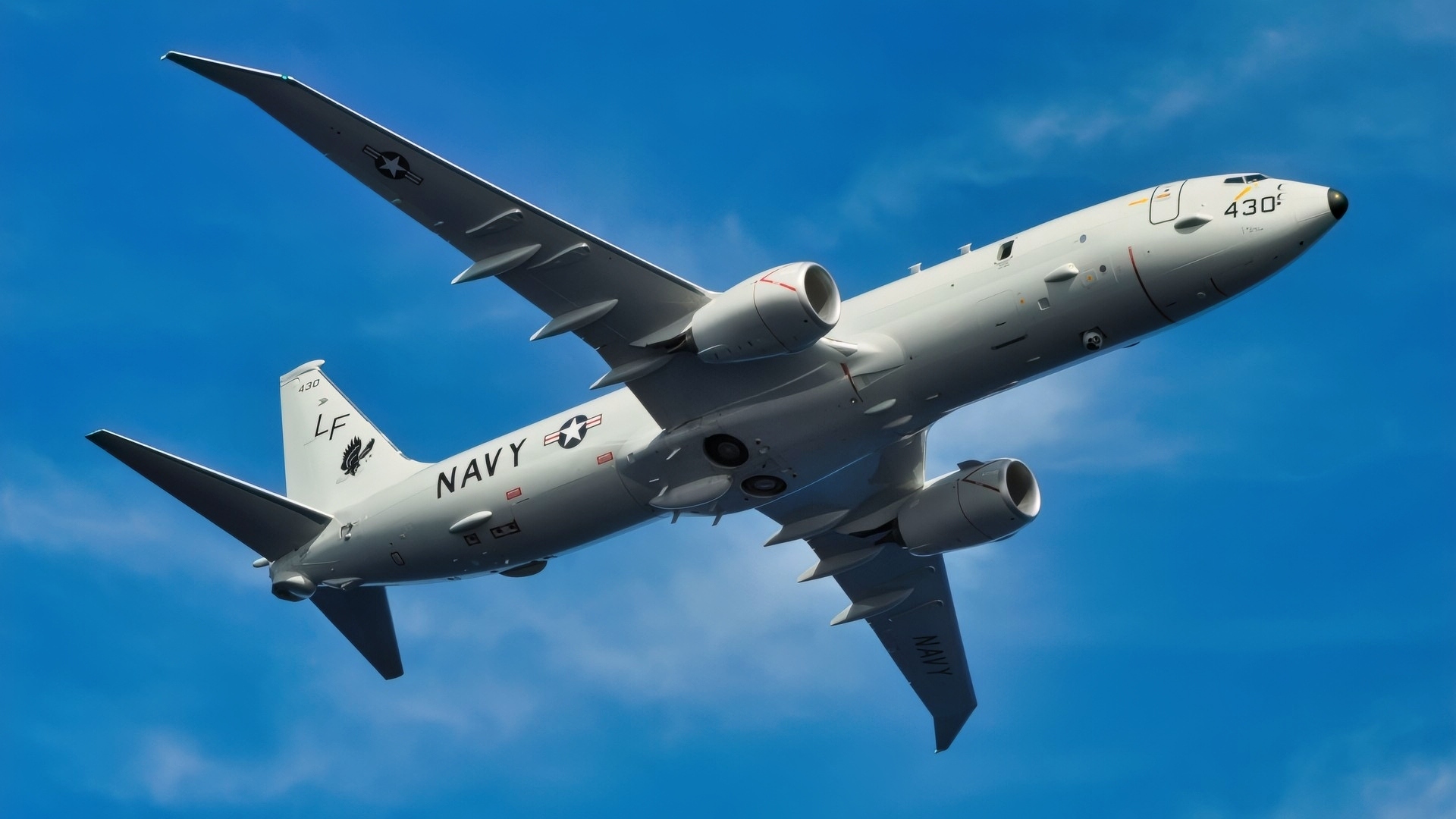
The Cheonghae mission was established to protect and assist Korean vessels against piracy off the coast of Somalia. The Gulf of Oman, however, is a completely different theater. The distance is greater, maritime surveillance requires continuous aerial coverage, and any incident near Hormuz could escalate into a crisis among major powers within hours. According to Korean reports, the government is considering using wording that allows the force to operate in waters determined by necessity when protecting citizens in emergencies, rather than being literally confined to the waters of the Gulf of Aden.
This legal wording is as important as the ship itself. The destroyer can protect a convoy or conduct limited rescues, but it cannot alone monitor a maritime corridor extending from the Arabian Sea to the entrance of Hormuz. Therefore, maritime patrol aircraft, including the P-8A Poseidon, have emerged as an option to compensate for the ship's range deficiency. The aircraft adds long-range radar and the ability to track ships, submarines, and communications, but it does not make a small force capable of enforcing security in a contested area.
Korean Capability Triad
- Equipment: A 4,400-ton destroyer, a maritime helicopter, interceptor boats, and possibly a long-range patrol aircraft.
- Training: Extensive experience in boarding, inspection, rescue, and protecting commercial vessels, but this does not equate to experience operating under missile threats or drone attacks.
- Institutions: Approval from the National Assembly, clear rules of engagement, and coordination with existing naval forces in the Gulf.
Practically, South Korea possesses the basic equipment and skill, but the institutional aspect is the weakest link. The current mandate was designed for an anti-piracy mission, not to deal with an environment that may include naval mines, anti-ship missiles, drone attacks, or the seizure of tankers. It is not enough to change the name of the region in the parliamentary decision if the rules of engagement remain vague or if the coordination mechanism with the United States and Gulf states is not resolved.
Why Now
The Korean Ministry of Defense states that piracy activity in the Gulf of Aden has increased and that the security situation is deteriorating, denying that the plan is a direct response to a U.S. request to send forces to the Iran war. This denial is politically understandable, but it does not negate the context. Washington is pressuring its allies to contribute to maritime security, and South Korea is a trading nation heavily reliant on energy and maritime routes. Sending a unit to the Gulf of Oman allows Seoul to demonstrate solidarity with maritime security without declaring combat involvement in a war.
For Gulf states, Korean participation may be beneficial as it adds an industrial Asian nation that does not carry a direct colonial legacy in the region. However, the value of the force will remain in gathering intelligence, rescue, and escorting, not in deterring Iran or protecting Hormuz on its own. Any military personnel who have served in the region know that the ship that arrives at the incident site is not necessarily capable of preventing the next incident.
A Political Signal More Than a Combat Force
The potential expansion serves three Korean objectives. First, to protect citizens, ships, and oil shipments. Second, to test the navy's ability to operate away from the Korean Peninsula. Third, to maintain the security relationship with Washington without incurring a domestic political cost for an offensive mission. For this reason, the official language will remain focused on piracy and protecting nationals, even if the real theater is the competition for freedom of navigation near Hormuz.
The problem is that Gulf security does not suffer from a lack of naval flags as much as it suffers from a lack of a joint command system and clear political decision-making. A Korean destroyer and an additional patrol aircraft may improve situational awareness, but they do not solve the deterrence dilemma nor provide a stockpile of munitions or integrated air defense. Seoul can offer respectable capability in terms of equipment and training, but it is the political institution that will determine whether this capability remains a mission to protect ships or drifts into an unwanted confrontation.
Sources
The conclusion is not that South Korea has entered the Gulf, but that it has begun to redefine the boundaries of protecting its maritime interests. Between the desire for independence and reliance on an American network, the distance between a rescue mission and military confrontation remains shorter than it appears in the text of the parliamentary mandate.
South Korea is expanding its Chunghae unit's mission to the Gulf of Oman as of October 16, 2026, to enhance maritime security near the Strait of Hormuz. The unit, which has operated in the Gulf of Aden since 2009, may include a long-range maritime patrol aircraft to improve surveillance capabilities. This move is seen as a response to increased piracy and security concerns in the region, while also demonstrating solidarity with maritime security efforts without direct combat involvement.
- South Korea plans to extend the Chunghae unit's mission to the Gulf of Oman.
- The unit currently operates in the Gulf of Aden since 2009.
- The South Korean government is considering adding a long-range maritime patrol aircraft.
- The expansion is partly a response to rising piracy and deteriorating security in the region.
- The mission aims to protect South Korean citizens and shipping.