

Summary and Key Points: Drawing on 36 years of experience analyzing foreign weapons systems and international defense policy, award-winning analyst Reuben F. Johnson examines the alarming mid-2030s delay of the F-47 (NGAD) and Navy F/A-XX fighter programs.
-With the U.S. Air Force currently flying its oldest fleet in history, this half-decade setback exposes a critical “numbers deficit” against rapidly advancing Chinese 6th-generation platforms like the J-36.
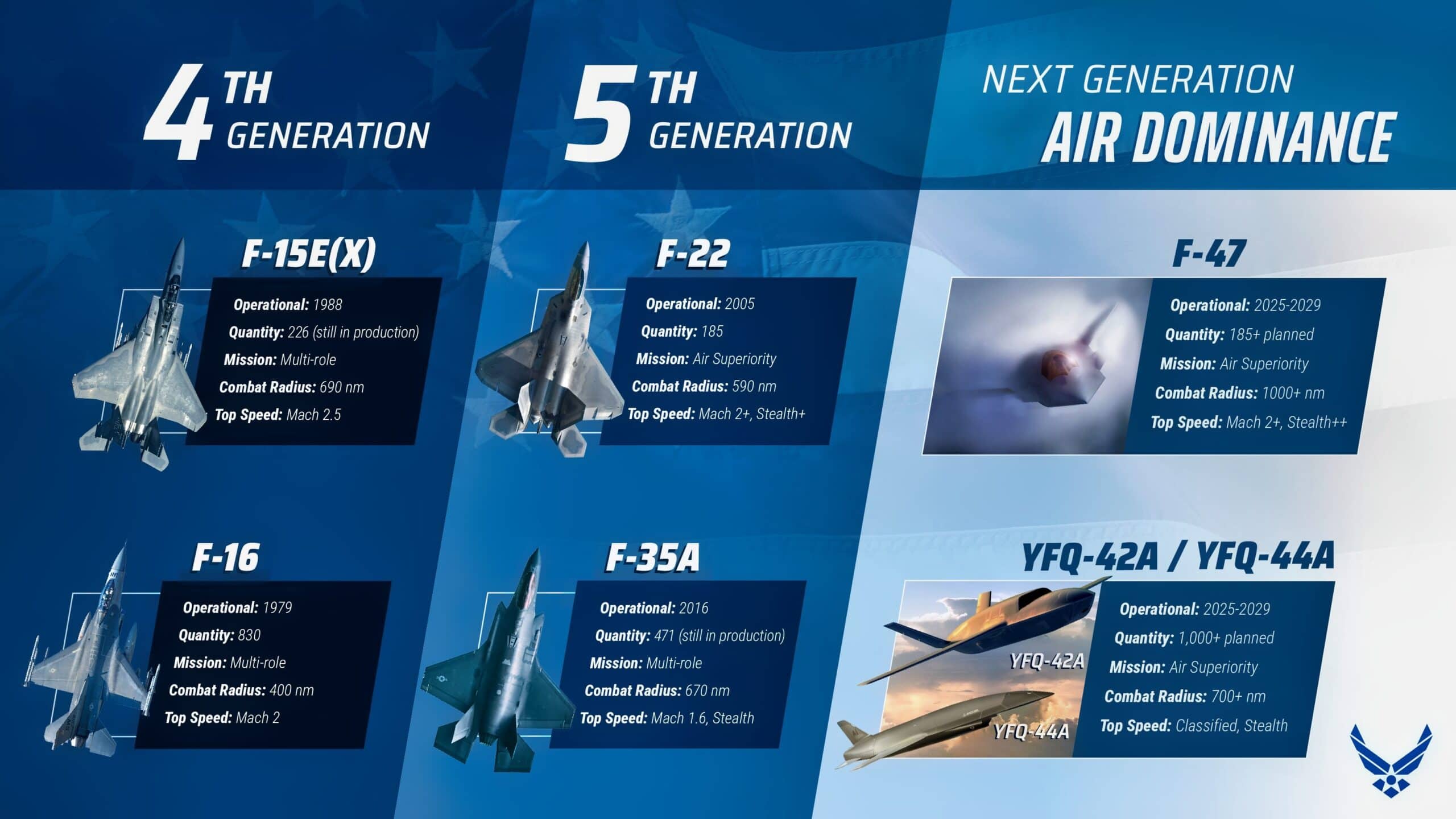
F-47 Infographic. Image Credit: U.S. Air Force
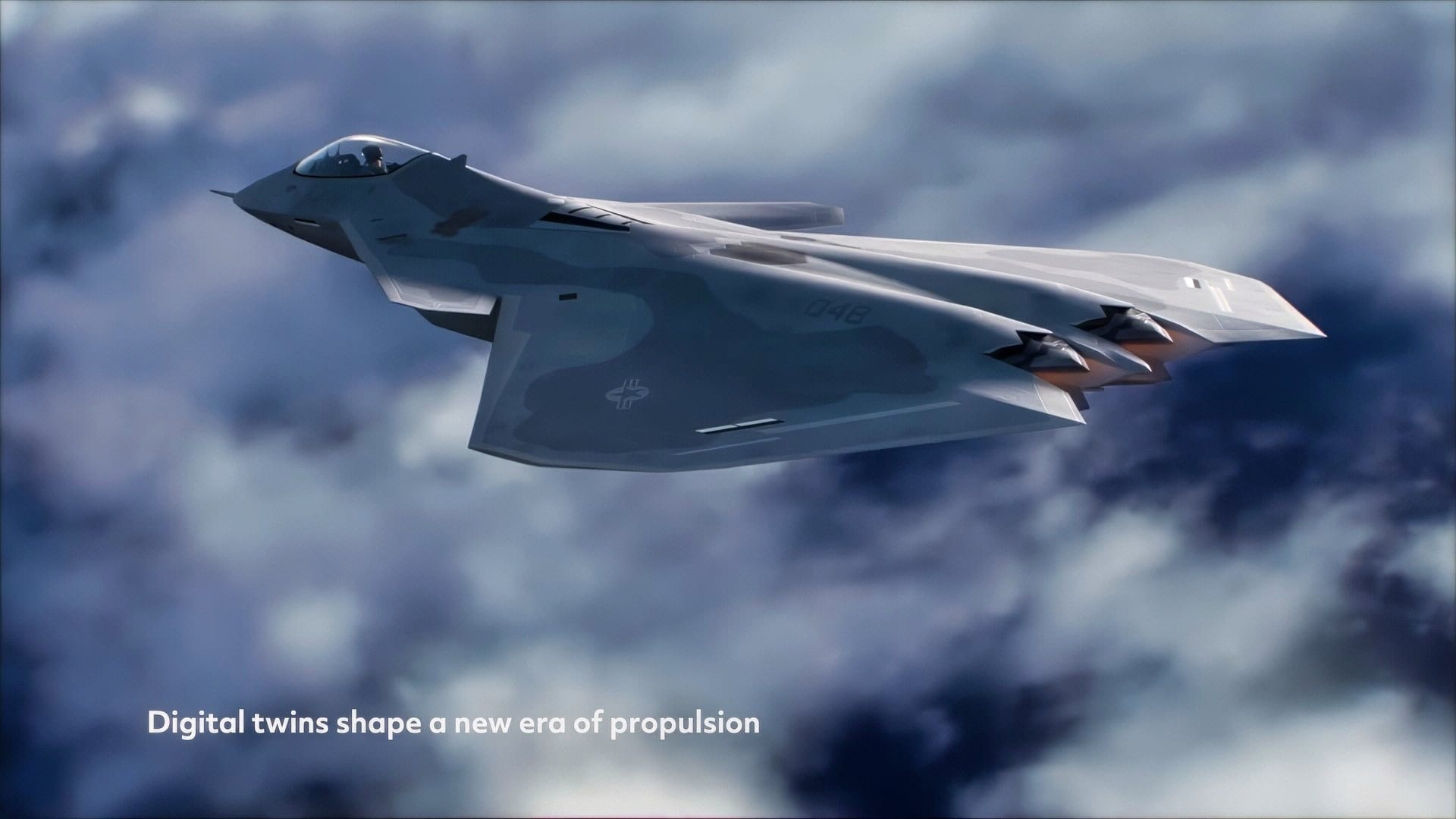
F-47 NGAD Fighter Possible Image. Image Credit: Screenshot.
-To survive this gap, Johnson reveals that military planners are exploring a radical “Plan B” to generate affordable mass: pairing current-generation F-15EX Eagle II fighters with MQ-28 Ghost Bat drones to hold the line until the 2030s.
The Mid-2030s Reality: Why the F-47 Delay Creates a Tactical Problem
According to a member of Congress familiar with the F-47 program’s status, the Air Force’s 6th-generation F-47 and the Navy’s F/A-XX fighter aircraft are most likely not available until the mid-2030s. This timeframe would put these aircraft, billed as the next technological marvel in tactical airpower and the successor to the F-22A Raptor and F-35, at least half a decade behind the previously announced program timetable.
These unhappy tidings were the news-leading announcement from a senior U.S. Congressional representative on March 17. The obvious consequence to the services is exactly the kind of news that neither the U.S. Air Force (USAF) nor the Navy’s (USN) carrier aviation community wanted to hear.
The USAF, based on the average age of its aircraft, already has the oldest force structure in the service branch’s history. That fact was articulated in a very public op-ed by Rep. August Pfluger, a Republican who had flown both the F-15 and F-22 and now represents the Texas 11th District in the U.S. House of Representatives, one week ago.
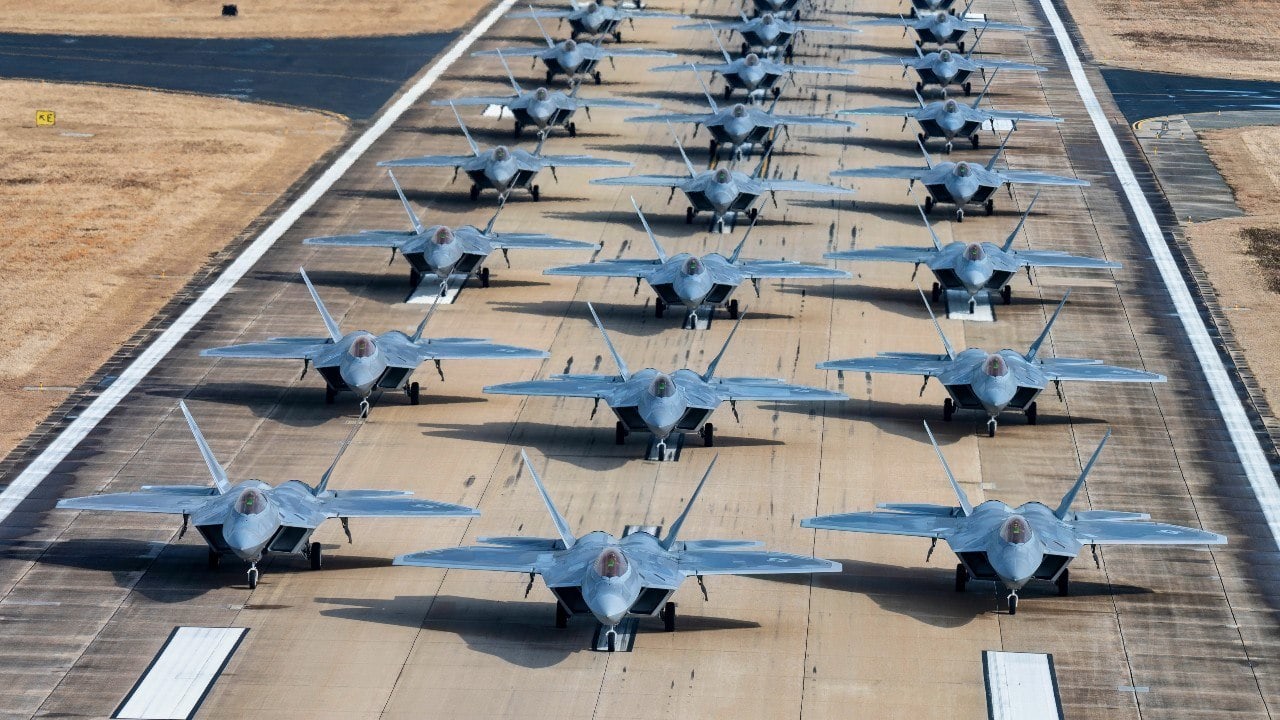
Aircraft from the 1st Fighter Wing conducted an Elephant Walk at Langley Air Force Base, Virginia, Jan. 31, 2025, showcasing the wing’s readiness and operational agility. This demonstration highlighted the wing’s capability to mobilize forces rapidly in high-stress scenarios. The wing’s fleet includes F-22 Raptors and T-38 Talons. As Air Combat Command’s lead wing, the 1 FW maintains unparalleled combat readiness to ensure national defense at a moment’s notice. (U.S. Air Force photo by Tech Sgt. Matthew Coleman-Foster)
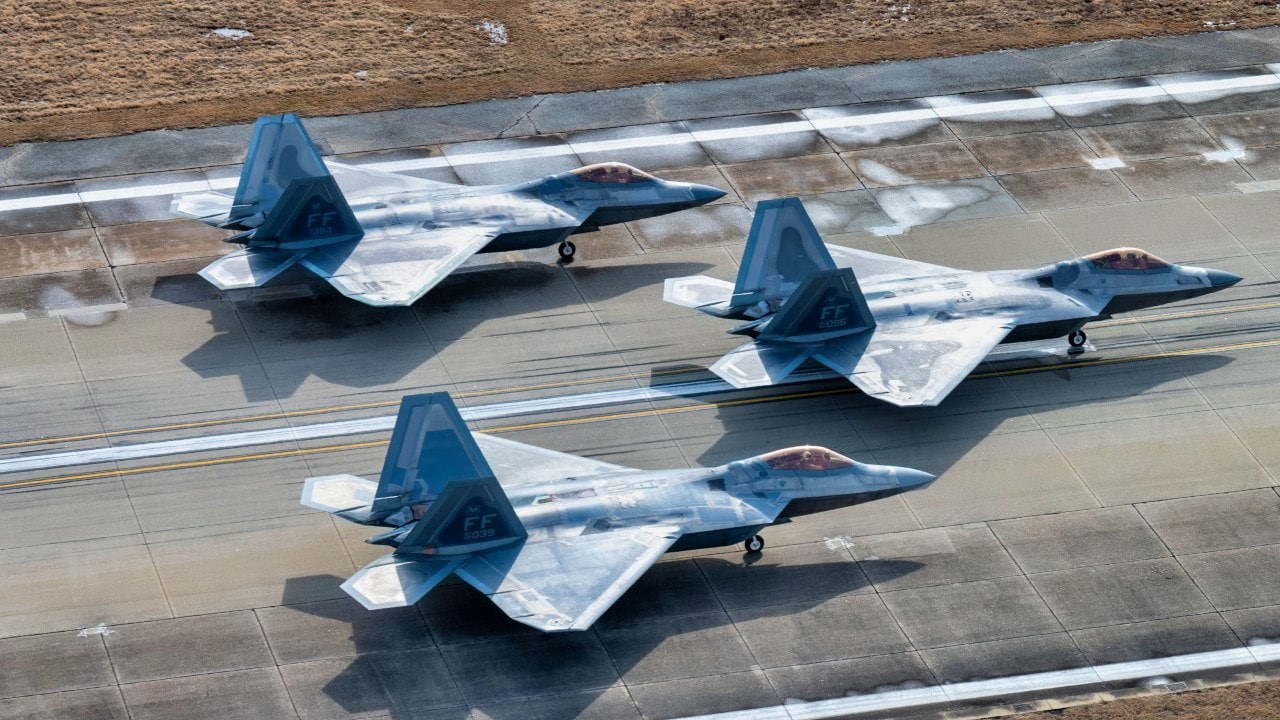
LANGLEY AIR FORCE BASE, Va. – F-22 Raptors from the 1st Fighter Wing sit in position on the runway during the Elephant Walk at Langley Air Force Base, Virginia, Jan. 31, 2025. The surge was designed to showcase the wing’s operational readiness and its ability to rapidly mobilize airpower. The 1st FW operates F-22 Raptors and T-38 Talons, maintaining combat capabilities that enable the U.S. Air Force to execute missions across the globe. With a focus on air superiority, the 1st FW plays a critical role in defending the nation’s interests. (U.S. Air Force photo by Tech Sgt. Matthew Coleman-Foster)
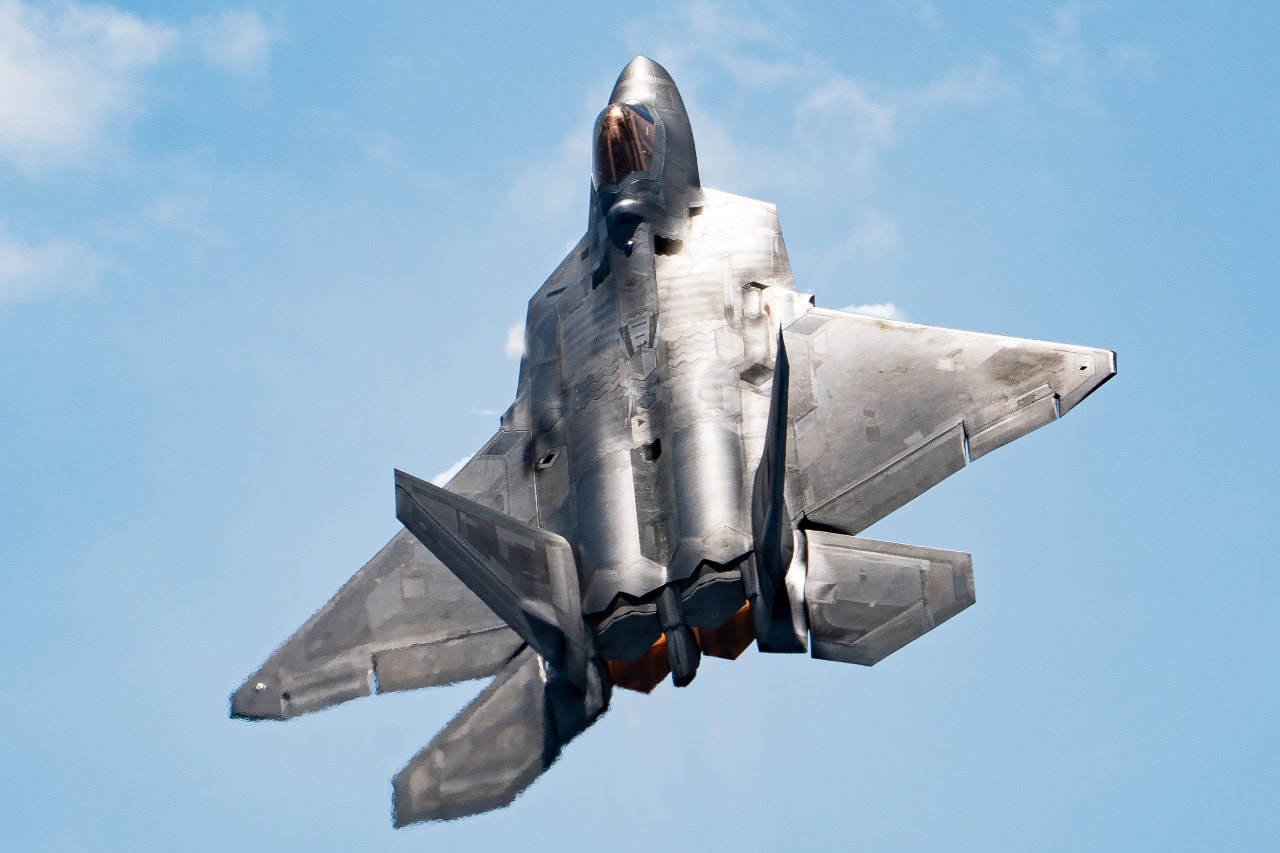
Maj. Joshua “Cabo” Gunderson, F-22 Raptor Demo Team commander and pilot, maneuvers into a climb after a tactical-pitch at the Cold Lake Air Show July 17, 2022, at Cold Lake, Alberta, Canada. The F-22 Raptor’s two Pratt and Whitney F119 Turbofan engines bring a combined 70,000 pounds of thrust in combination with two-dimensional thrust vectoring to enable maximum maneuverability for the multi-role air-to-air stealth fighter. (U.S. Air Force photo by Tech. Sgt. Don Hudson)
His numbers are sobering, to say the least. As he laid out in his column, which the Washington Post published, and has been picked up by a number of news services, “the average age of Air Force aircraft has nearly tripled since the Persian Gulf War. Ten [current USAF] aircraft types still in service first flew more than 50 years ago. Even the advanced F-22 first flew in 1997.”
The actuarial tables for the USN are perhaps even worse. Naval aviation has never had an air superiority equivalent of the F-22. The force’s major interceptor platform, the F-14 Tomcat, was withdrawn from service more than two decades ago.
The missions flown off the catapult-assisted flight decks are performed by the F/A-18E/F, an aircraft that flew its initial prototype in the early 1970s, and the F-35C, a carrier-capable variant of the 5th-generation single-engine USAF fighter with a larger wing. But it is still not a twin-engine platform optimized for dog fighting.
As the troops defending the Alamo were told back in the day, “there is no relief force or reinforcements coming.”
Is There a Plan B?
As of this date, the hallmark of the 6th-generation fighters the USAF or USN would field someday is that they will have to be capable of being an airborne command node that can also control a group of “loyal wingmen”, or Collaborative Combat Aircraft (CCA).
CCAs are a long-standing concept initially intended to be operated in conjunction with the 5th-generation F-22A and the various F-35 variants. But if the F-47 is now delayed by several years, adjustments will be needed.
These unmanned technological wonders are important because they can perform numerous functions beyond traditional tactical aircraft mission roles. Concepts now being advocated suggest operating CCA alongside other unmanned aerial vehicles for counterair missions, rather than limiting it to serving as an adjunct platform for crewed aircraft.
But to get these aircraft into the field now and wait for the 6th-generation programs to catch up, there are proposals to interface CCA’s with 4.5-generation platforms like the F-15EX Eagle II. That aircraft’s manufacturer, Boeing, has proposed combining it with the MQ-28 “Ghost Bat” CCA as part of the bid to sell this latest variant of the long-serving twin-engine fighter to Poland.
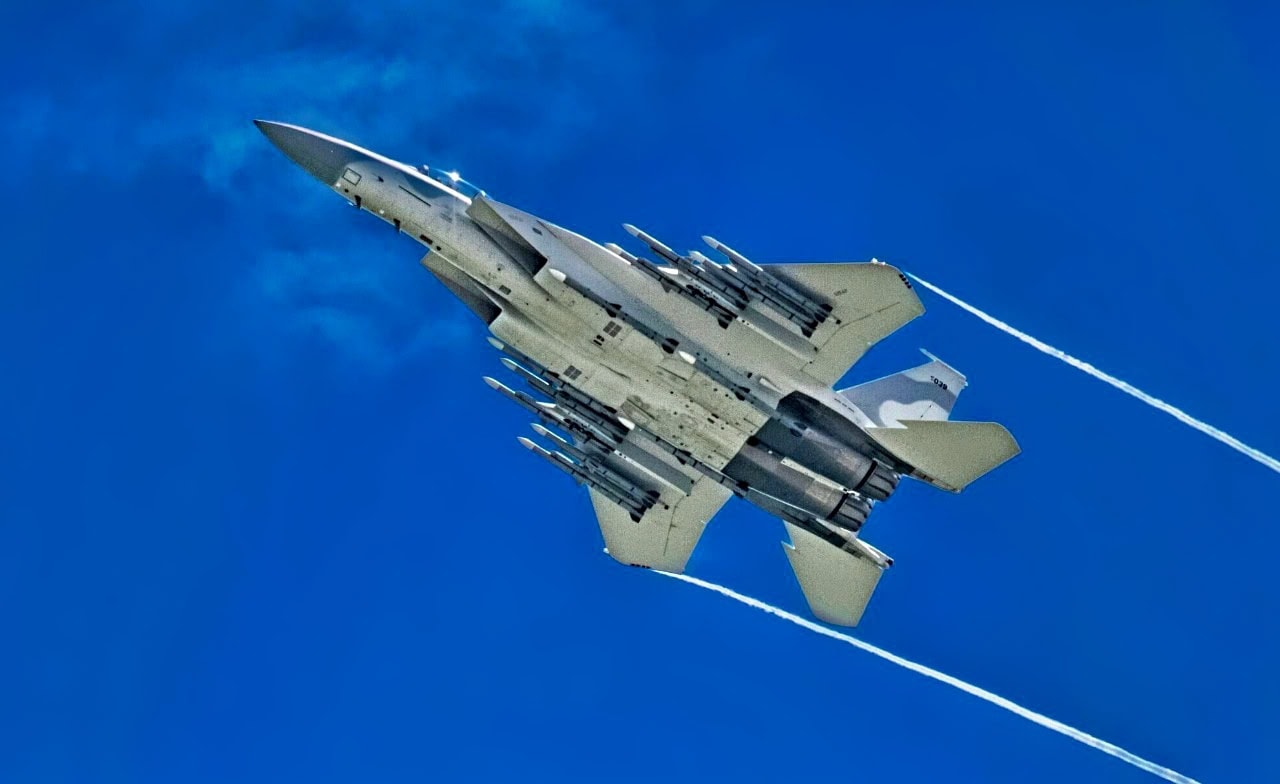
F-15EX Eagle II from U.S. Air Force
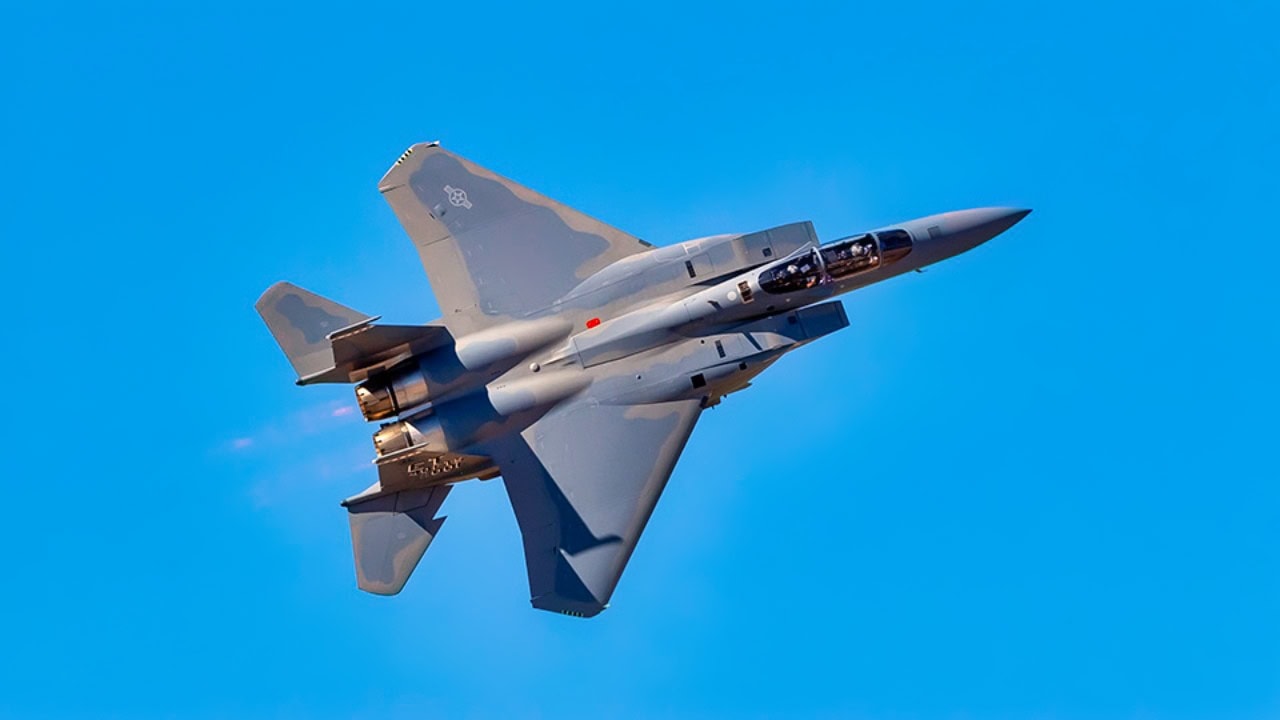
F-15EX Eagle II Fighter from Boeing.
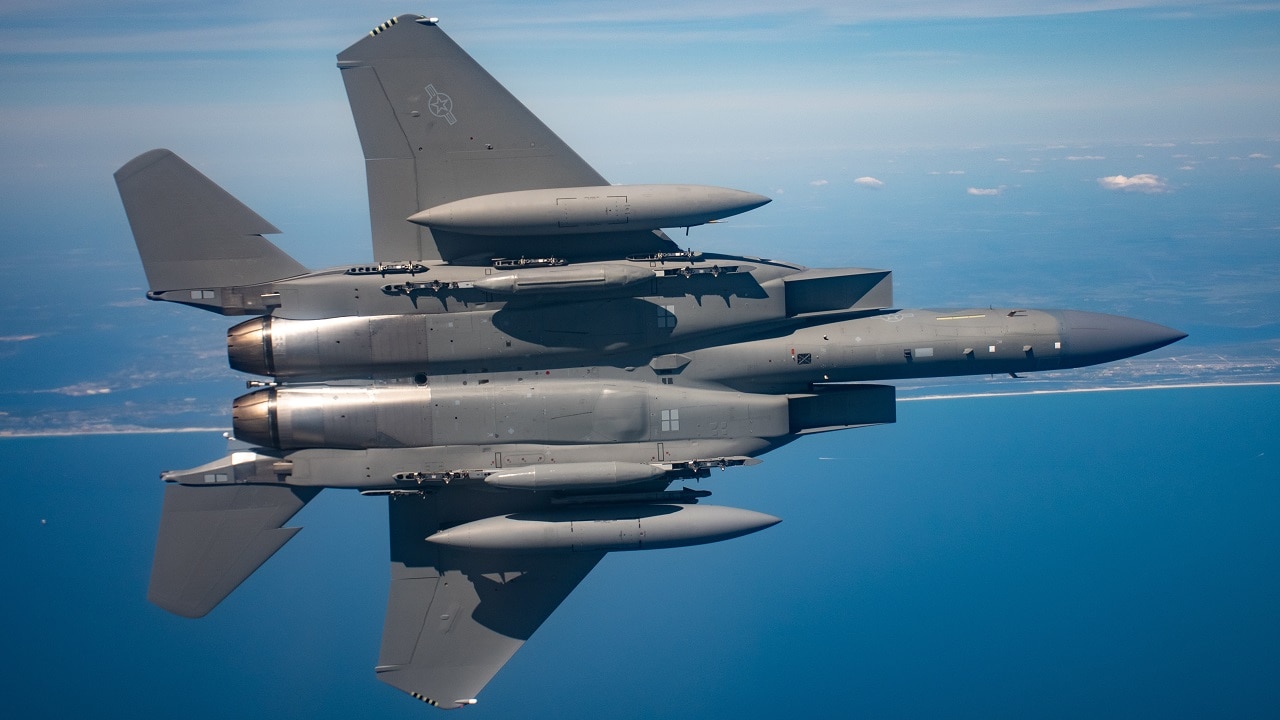
An F-15EX Eagle II from the 85th Test and Evaluation Squadron, 53rd Wing, takes flight for the first time out of Eglin Air Force Base, Fla., April 26, 2021, prior to departure for Northern Edge 2021. The F-15EX brings next-generation combat technology to a highly successful fighter airframe that is capable of projecting power across multiple domains for the Joint Force. (U.S Air Force photo by 1st Lt Savanah Bray)
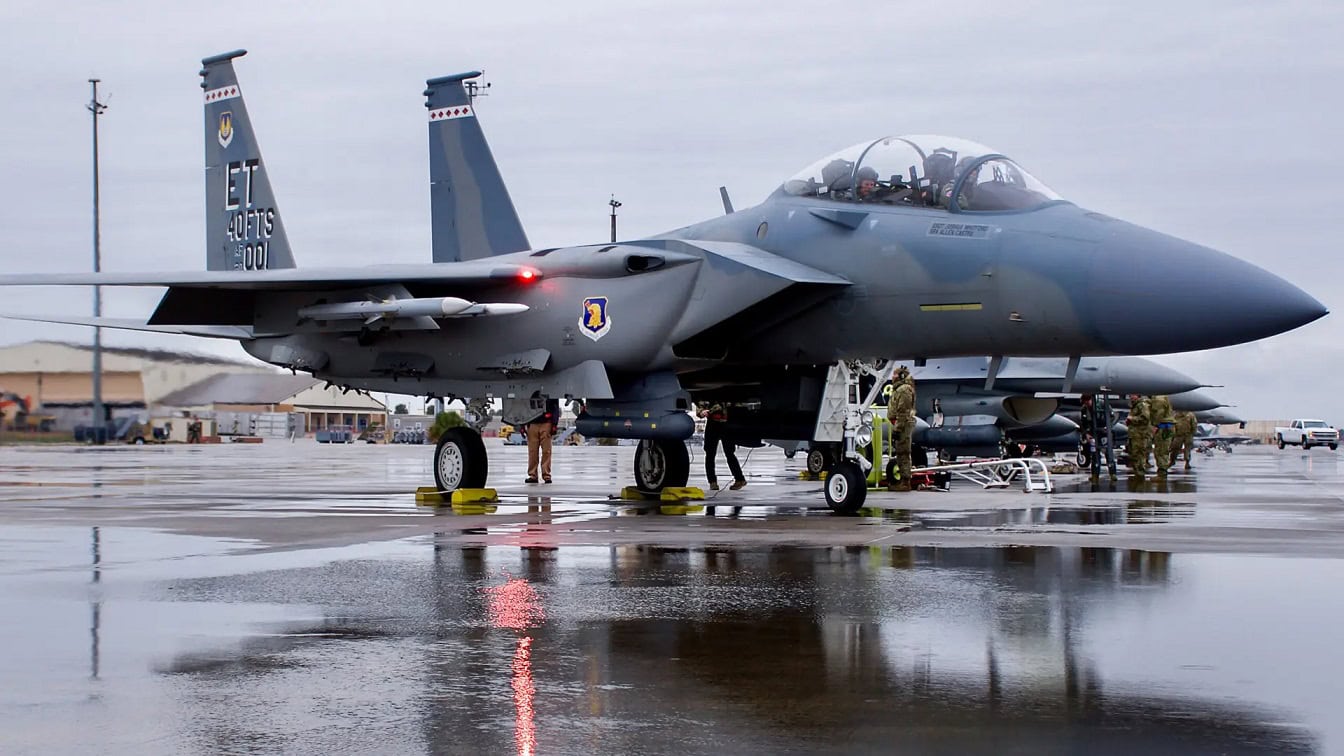
F-15EX. Image Credit: U.S. Air Force.
At present, Poland’s requirement for any initial F-15EX procurement is for only 32 aircraft. Boeing’s proposal is not based solely on the synergies created by coupling the MQ-28 with the F-15EX. What the company is additionally presenting as a selling point in proposing this match-up is that the two air vehicles—one crewed and one uncrewed—will provide the customer with what they are calling “affordable mass,” enabling those 32 F-15EX to provide combat power beyond their numbers alone.
The proposed solution for Poland is not only a practical option for this NATO member that needs next-generation combat power, but also a current-generation crewed aircraft. It is also likely the template for a Plan B fallback for USAF and USN mission planning until the 6th-generation aircraft are available and in service.
Numbers Deficit
“What we are talking about at present is an increasing dilemma that will not go away and will only become more pronounced with time. This is a plain and simple numbers deficit in the force structure,” said a long-time design engineer with one of the major subcontractors for the F-15EX who spoke to 19FortyFive.
“This deficit was created way back under the Obama Administration when the decision was made to purchase only 189 of the F-22. The dilemma that this puts us in is simple. There were around 800 of the F-15s built over the years. Simple math tells you that a larger number of F-22s was needed at the time to provide something close to a one-for-one replacement of the older jet with the new stealth fighter.”
“This is why the original plan was to buy 750 of the Raptor. But what happened was that that number starting being whittled down bit by bit – death by a thousand cuts,” he continued. “Before the Cold War was even over, that number had dropped to 648. Then, in the 1990s, we were told that thanks to the ‘peace dividend,’ we needed even less. There was a progressive series of reductions in the buy, originally to 442, then 339 in 1997. The production line ended up being shut down in 2009 after 189 units were built.”
What we are seeing now, however, said the same engineer, is that there are those who want to extend that deficit into the next generation of tac air, he said. “The original plan is that there will be only 185 of the F-47 built, and the rationale — believe it or not — is ‘because that is the number needed to replace the F-22A on a one-for-one basis.'”
“That formula, however, ignores the fact that the F-22 total production run was less than a third of the number we needed initially. So, it is taking a bad decision and copying it on into the next generation. Exactly the nonsense you would expect from a government operation.”
But a February 2026 report from the USAF Academy’s Mitchell Institute for Aerospace Studies warns that 185 of the new aircraft is far fewer than the number required. The authors of the document call for the USAF to significantly increase planned procurements of the F-47 sixth-generation fighter and the B-21 next-generation bomber.
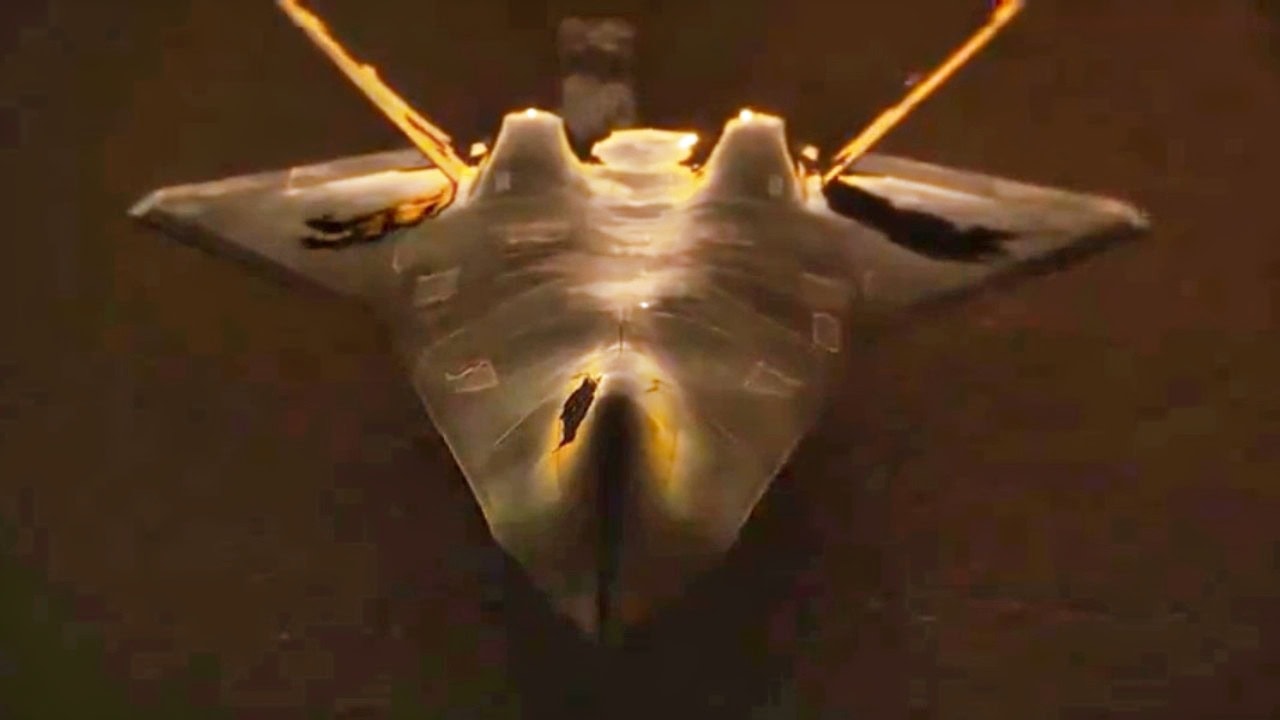
F-47 Fighter from Boeing. Image Credit: U.S. Air Force Screenshot.

Shown is a graphical artist rendering of the Next Generation Air Dominance (NGAD) Platform. The rendering highlights the Air Force’s sixth generation fighter, the F-47. The NGAD Platform will bring lethal, next-generation technologies to ensure air superiority for the Joint Force in any conflict. (U.S. Air Force graphic)
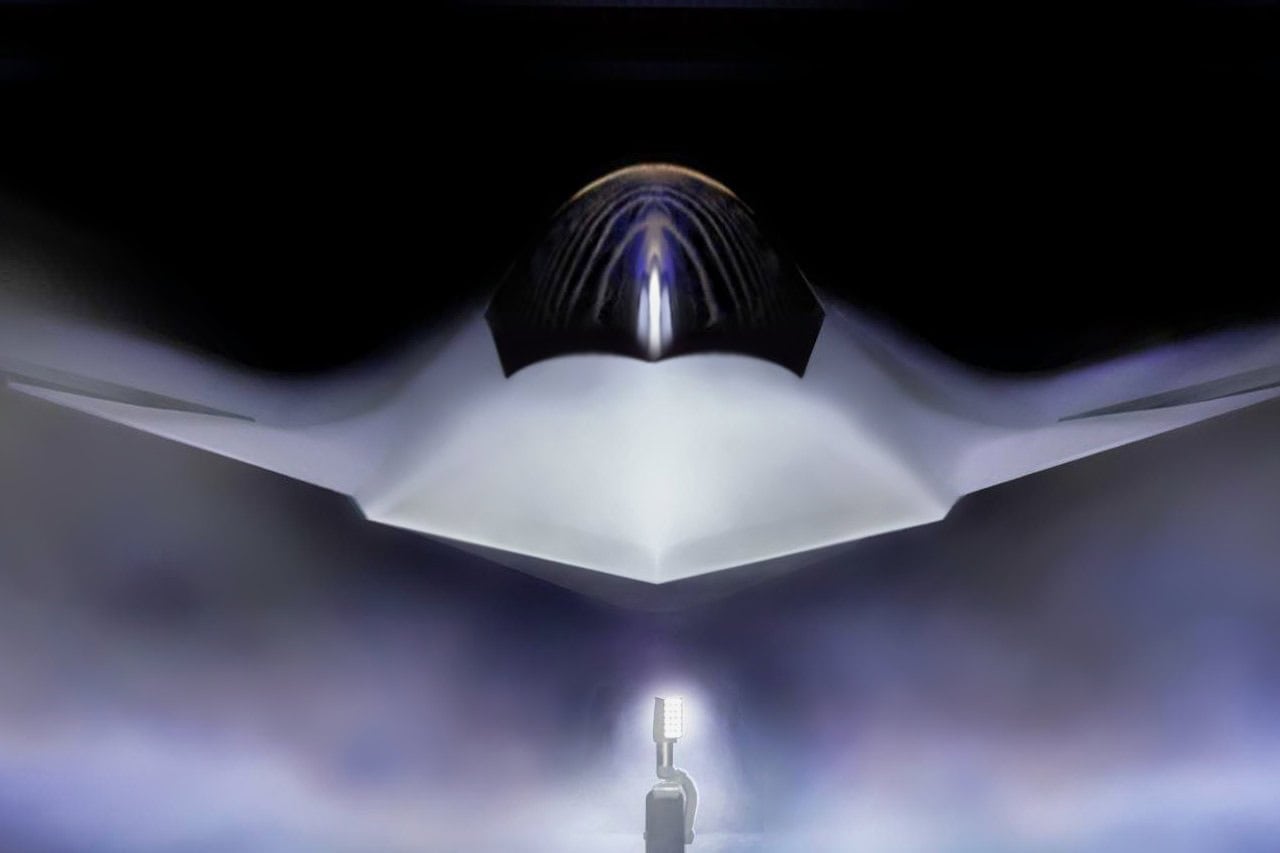
Shown is a graphical artist rendering of the Next Generation Air Dominance (NGAD) Platform. The rendering highlights the Air Force’s sixth generation fighter, the F-47. The NGAD Platform will bring lethal, next-generation technologies to ensure air superiority for the Joint Force in any conflict. (U.S. Air Force graphic)
The document, entitled “Strategic Attack: Maintaining the Air Force’s Capacity to Deny Enemy Sanctuaries,” focuses on the dilemma that these two new aircraft are going to be called on to penetrate adversary airspace as a “one-two punch” in joint operations and fight the PRC’s armed forces “from the inside out.”
The USAF aircraft will thus be required to take out high-priority targets within the People’s Republic of China (PRC), such as major bases and other critical military infrastructure located in the nation’s interior.
But the USAF plan for 100 B-21s and 185 F-47s has been assessed to be capable of only providing enough power for “one-off missions into enemy airspace, but will be insufficient to sustain pressure in a broader conflict.”
To put it into a contemporary context, said a retired senior USAF officer who commented on the issue, “the numbers we have today have been correctly categorized as being an adequate ‘raid force’ but not enough for a sustained campaign. We can carry out an Operation Midnight Hammer. Still, now we are seeing with today’s Operation Urgent Fury [in Iran] that there are not enough aircraft, aircrew, support personnel, etc. to conduct offensive operations day after day for weeks or even longer.”
The conclusion, said more than one of those retired and experienced personnel we have spoken with, who are from both industry and the ranks of uniformed service members, is that buying only 185 of the F-47 will continue to leave the USAF hobbled by the same numbers deficit it faces now.
“You cannot take on a peer competitor with these kinds of numbers,” said the retired senior USAF officer. “Someone needs to remind the air power planners of that adage about force structure of ‘if they were sent here to fight, there are not enough, and if they were sent here to die, there are too many’.”
What Do We Do in the Meantime
This takes us back to the man who rang the alarm bell on March 17, telling those present that the F-47 is now delayed by at least 5 years, if not more.
“The question then becomes, what do we do in the meantime?” asked Rep. Rob Wittman, R-Va. He raised the question about the F-47 on Tuesday at the McAleese Defense Programs Conference, held in the Washington, DC, suburb of Arlington, Virginia.
Wittman is chair of the House Armed Services Committee’s (HASC) tactical air and land forces subcommittee, which makes him one of the point men on the issue. “We have to maintain a fleet of [Navy] F-18s, and then we have to maintain the F-22 [Raptors]. … That’s the only way we create that bridge to the sixth-generation aircraft” like the Air Force’s F-47 and the Navy’s planned F/A-XX,” he explained.
Boeing’s F-47 will replace the F-22 sometime in the next decade. That aircraft is projected to have advanced stealth capabilities that achieve signature reduction across all aspects beyond those of the Raptor. It is also supposed to have a combat radius of more than 1,000 nautical miles, the capability to fly at speeds exceeding Mach 2, and the ability to function in concert with the different CCAs being designed by other contractors.
Originally, the USAF planned to have the F-47 prototypes flying no later than 2028, with aircraft coming off the production line in 2030. For comparison, the F-35 contract was awarded in 2001, and the first flight of the initial prototypes occurred only 5 years later, in 2006, which makes the F-47 several orders of magnitude more ambitious.
The F-47 is also a much more complex platform, a much larger airframe, and it is capable of operating at distances far greater than any other tactical aircraft in the service’s history. The delay Wittman is revealing at this point may be an indirect admission that expecting the aircraft to be ready by 2030 was too much to ask in such a short time frame.
At the same conference was USAF Gen. Dale White, who is in charge of some of the service’s highest-priority programs and holds the title of Direct Reporting Portfolio Manager for Critical Major Weapon Systems. He declined to respond to Wittman’s comments about any slippage in the F-47’s timetable when asked about the program’s status by the mid-2030s.
The first flight goal for 2028 remains unchanged, White said in response to inquiries, and he expressed confidence in the scheduling targets for the F-47 program. He also added that the USAF was taking a greater role in developing the U.S. Government’s reference architecture for the F-47.
The architecture is what is regarded as a “road map for a program” that the government provides. The roadmap serves as a set of guidelines for the aircraft’s design, development, production, and sustainment processes.
The Challenge From China
Having that program plan for future design and development already laid out saves both time and funding. But this may still not be enough when surveying the competition posed by the PRC’s 6th-generation fighters to the F-47.
The PRC programs include the Chengdu J-36 and the Shenyang J-50/XDS projects, both of which have several prototypes already flying. This is estimated to put the PRC at least 5 years ahead of the U.S. in placing 6th-generation aircraft into service.
The PRC has also proven that when it does decide to initiate production of a new fighter, it does so in greater numbers and at a more accelerated pace than that of the U.S. One should not forget that the Mitchell Institute’s report calls for the F-47 and B-21 to be penetrating deep into PRC airspace as a centrepiece of the USAF war plan.
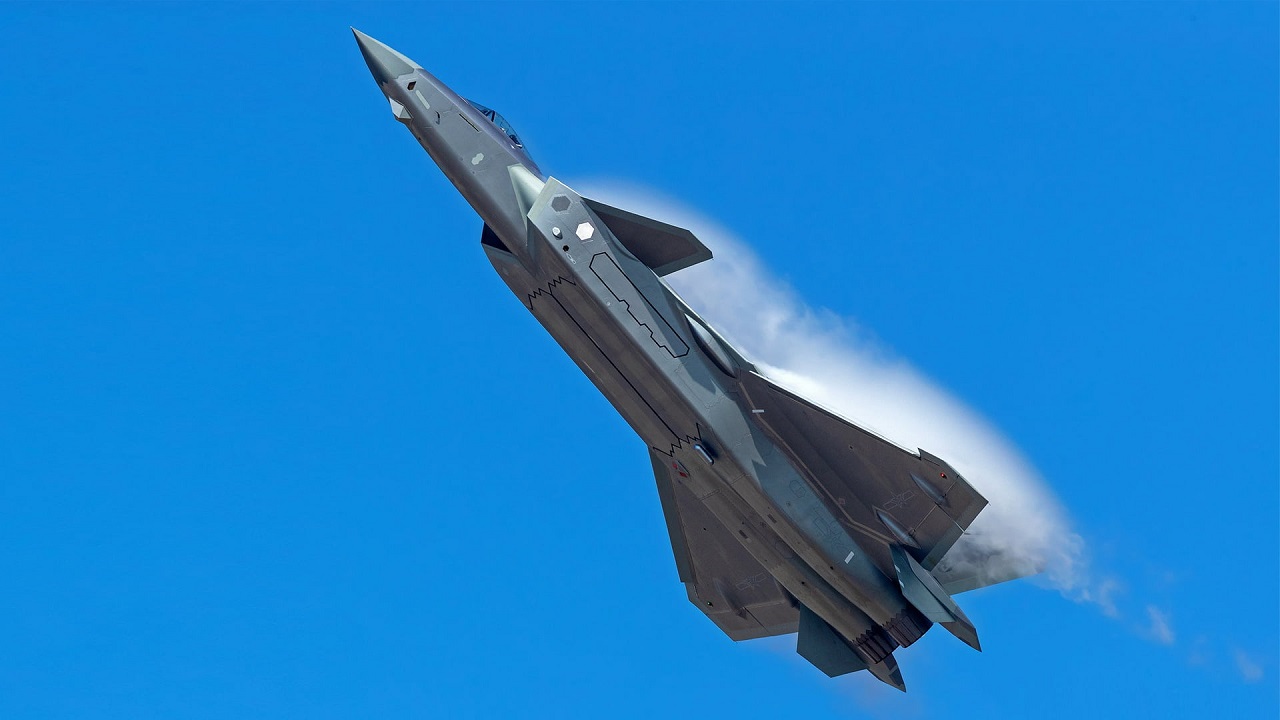
J-20 Stealth Fighter. Image Credit: Creative Commons.
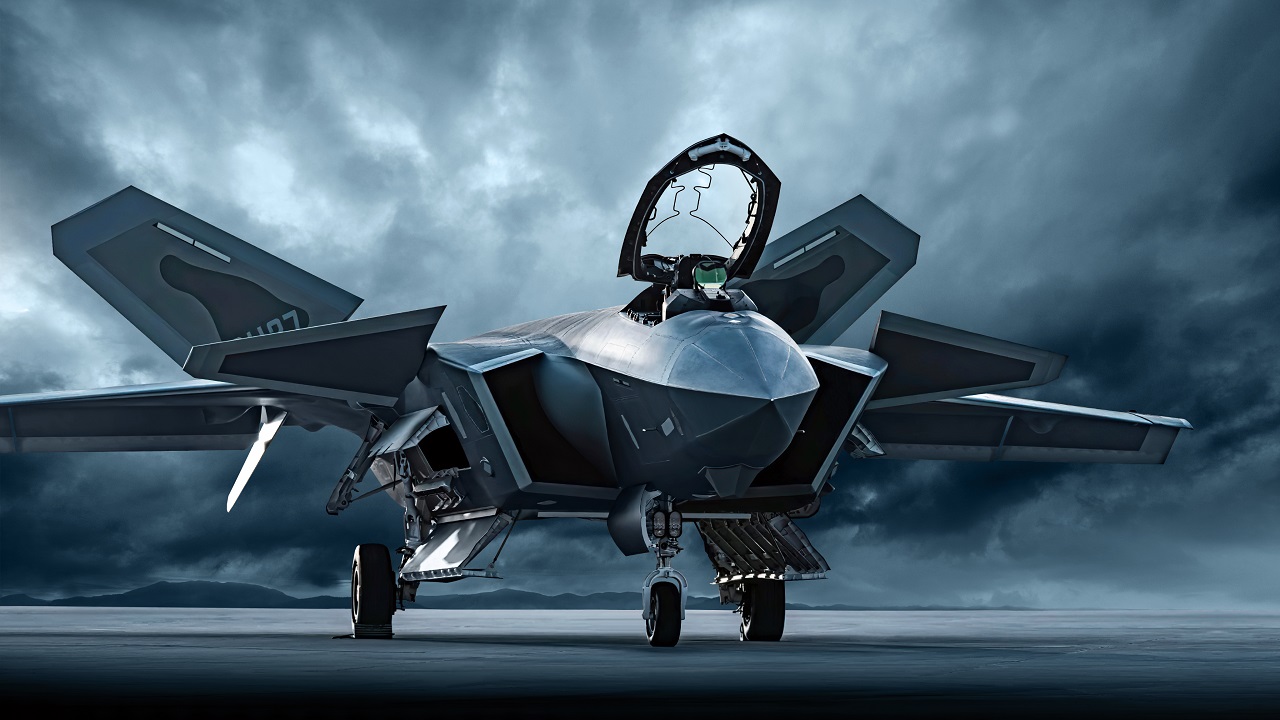
J-20 Stealth Fighter. Image Credit: Artist Rendering/Creative Commons.
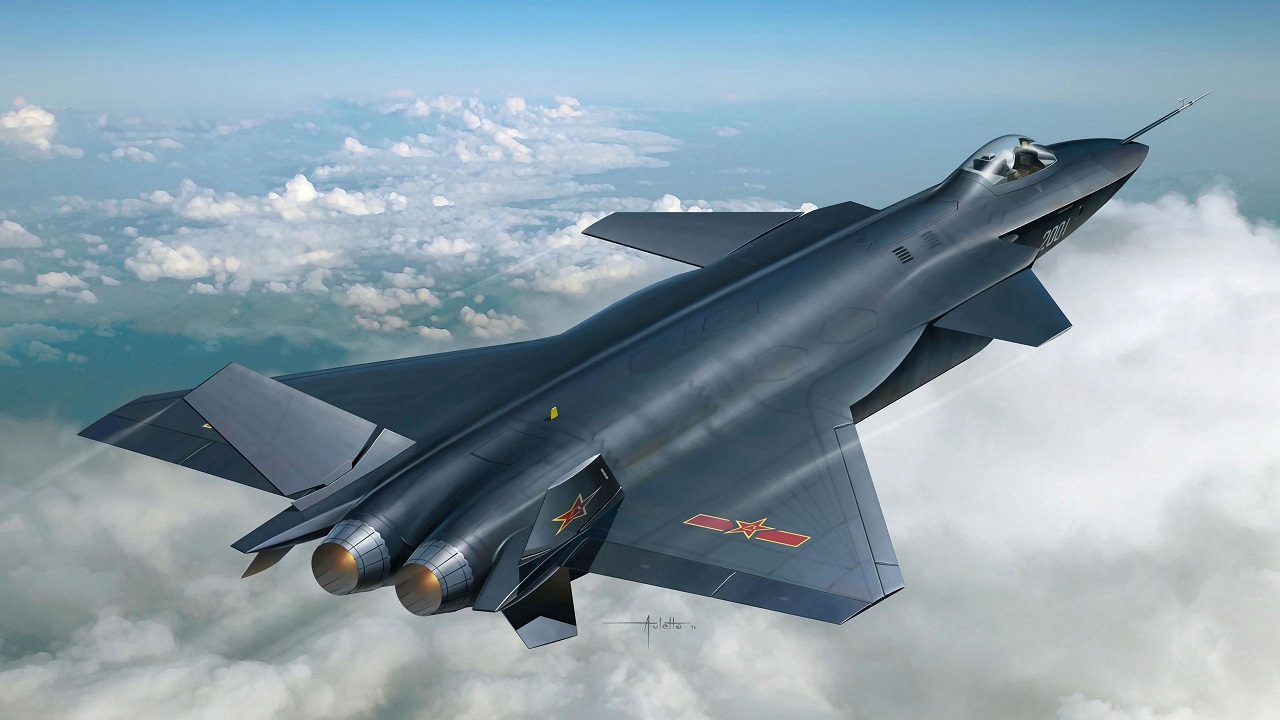
J-20 Fighter via computer generated artist rendering. Image Credit: Creative Commons.
But Beijing having its aircraft in service earlier than the U.S. force and in larger numbers may make this a “Dead on Arrival” strategy for this theater of operations. If the progress on the PRC’s 5th-generation J-20 program is any indication, competing with the PLAAF may turn out to be a very steep uphill battle that will require inordinate resources to address.
At the same time, there is a contradictory situation with the USN program. Naval aviation’s F/A-XX is a far more pressing need, since the service has no twin-engine 5th-generation fighter to fall back on, as the USAF does with the F-22. And yet the USN program is being pushed back, and the service is being forced to “make do” with the Super Hornet until the F-47 effort is sorted out.
There are a number of daunting challenges that the services and the industry that supports them must respond to. How, and whether they can find a way to manage them, remains to be seen.
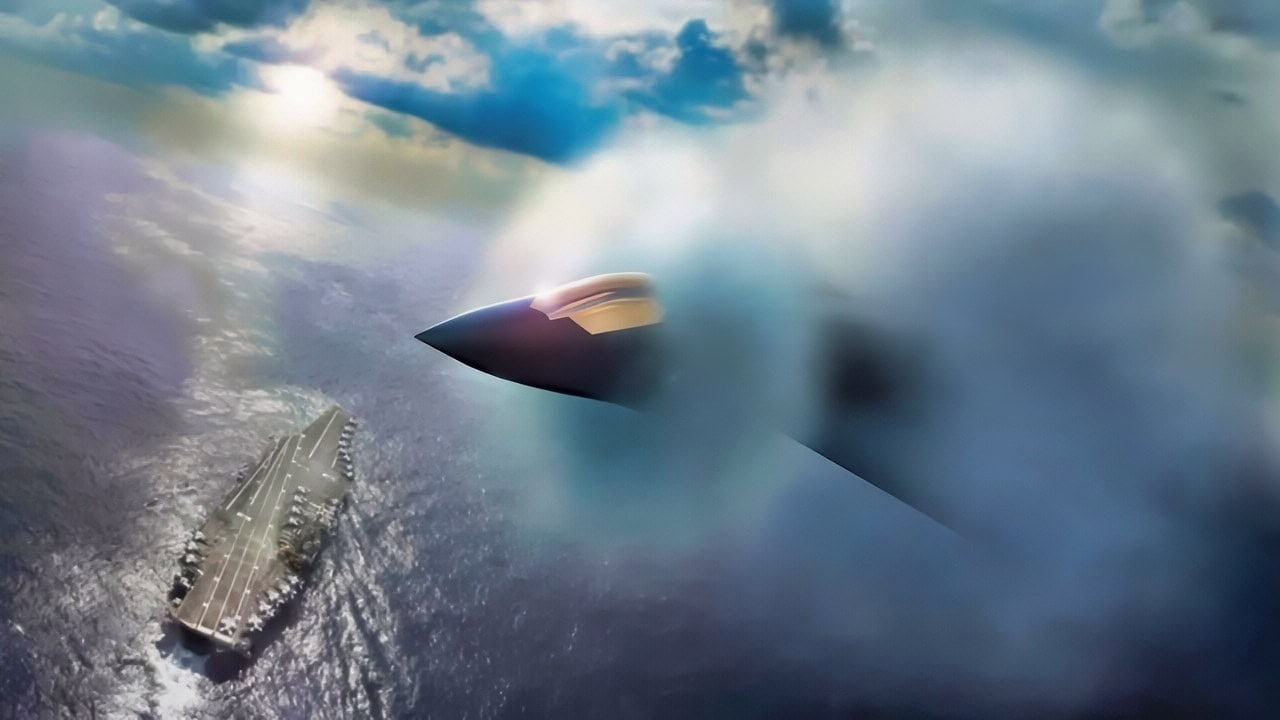
F/A-XX Boeing Image.
About the Author: Reuben F. Johnson
Reuben F. Johnson has thirty-six years of experience analyzing and reporting on foreign weapons systems, defense technologies, and international arms export policy. Johnson is the Director of Research at the Casimir Pulaski Foundation. He is also a survivor of the Russian invasion of Ukraine in February 2022. He worked for years in the American defense industry as a foreign technology analyst and later as a consultant for the U.S. Department of Defense, the Departments of the Navy and Air Force, and the governments of the United Kingdom and Australia. In 2022-2023, he won two awards in a row for his defense reporting. He holds a bachelor’s degree from DePauw University and a master’s degree from Miami University in Ohio, specializing in Soviet and Russian studies. He lives in Warsaw.