


Development background and program role
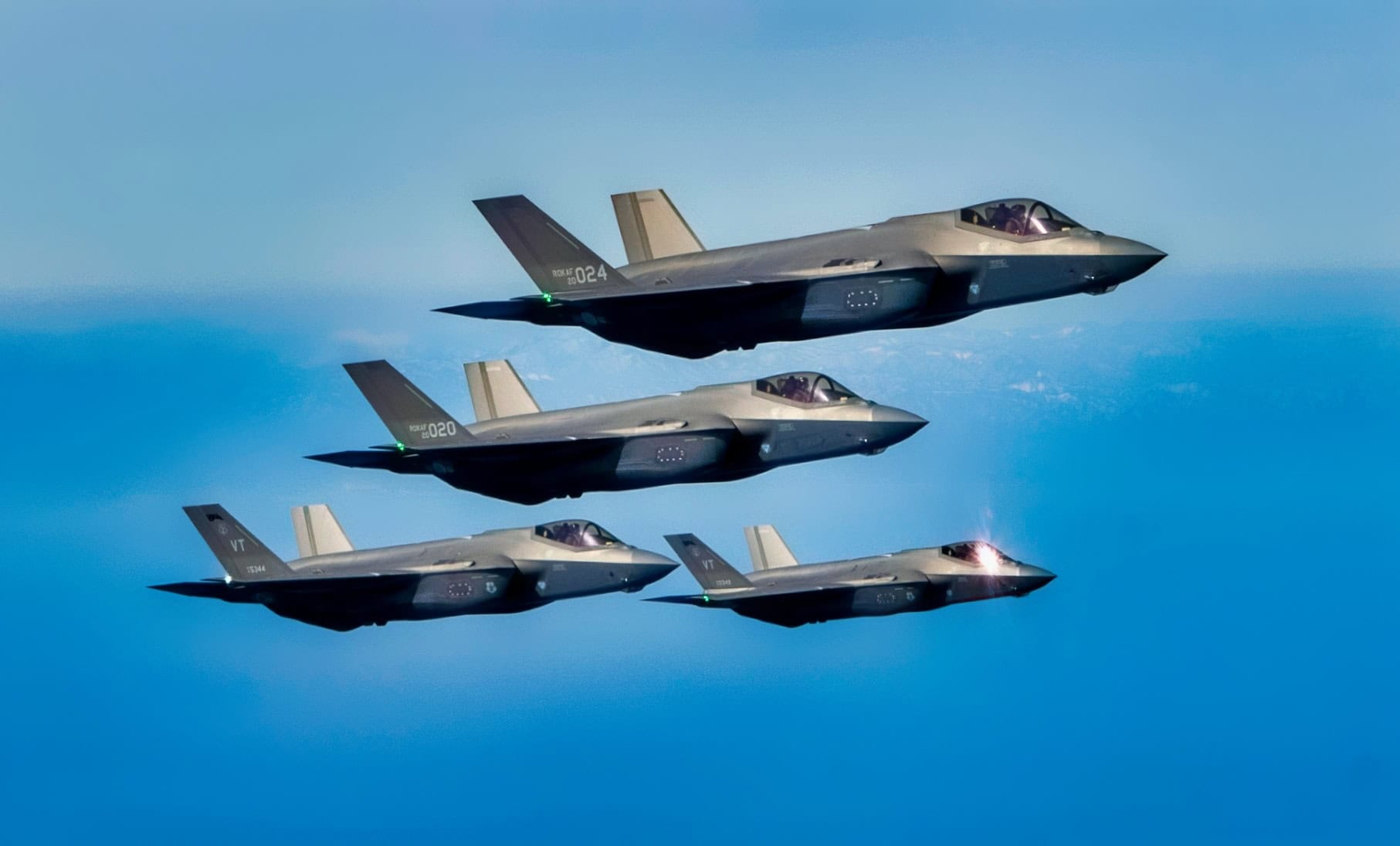
highThe F-35 Lightning II is best understood as a multinational aircraft family built around a common fifth-generation strike-fighter architecture rather than a single airframe serving one branch.
The F-35 emerged from the Joint Strike Fighter program as a family of aircraft intended to replace several older tactical aviation fleets with a shared stealth, sensor, and mission-system baseline. The program links U.S. Air Force, Marine Corps, Navy, and partner-nation requirements through three main variants: the conventional F-35A, short takeoff/vertical landing F-35B, and carrier-capable F-35C.
Its significance is partly technical and partly institutional. Technically, the aircraft combines low-observable shaping, internal weapons carriage, an integrated sensor suite, and software-defined mission systems. Institutionally, it is managed as a long-life international program involving U.S. services, allies, sustainment networks, modernization blocks, and continuing congressional oversight.
For research purposes, the F-35 should not be treated only as a fighter specification sheet. It is also a procurement, industrial, alliance, software, and sustainment program. Many of the aircraft's most important debates concern readiness, modernization pacing, delivery delays, and operating cost rather than aerodynamic performance alone.


